Experiencing a Religion: Welcome to Fiorentina

Photo by Author

By Sean Ahern

Football is not merely a sport here in Florence. It has a much higher purpose than that. The city revolves around the club, the Viola. As a first timer attending a European football game, this was nirvana.

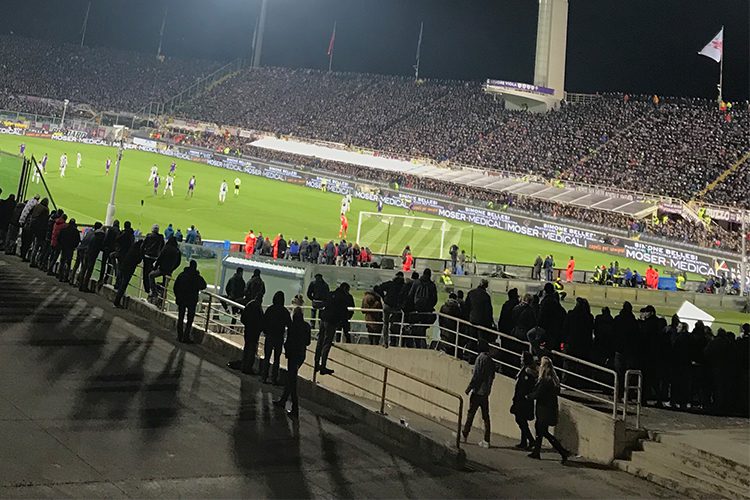
It was a typical Florentine Friday as I enjoyed my one class when my roommate and I decided to get tickets to the Fiorentina and Juventus game during the night. As a football superfan, I was more than willing to partake within this rivalry as I have only seen and heard insane things when it came down to this game. Time moved slowly as my anticipation grew to a fever pitch. Suiting up with my Fiorentina jacket, I was ready to toss away my tourist status and become a local. Walking over to the stadium, I heard the fans’ chants grow louder and louder. This surely was not just another Friday night football game, this was going to be war.

Heading to our seats, we noticed the sheer amount of people that were packed into the stadium and realized that this was something that was not of the ordinary. Excitement filled the stadium while the Fiorentina fans sang the songs of the club. I have personally never heard a louder stadium and the voices grew louder with every shot, every foul, and every pass.

Although Fiorentina lost the game two to nil, the atmosphere is something that I will never forget. It was my first real foray as a citizen of this wonderful city, and even though I will forget the names of the restaurants and the gelato places, I will never forget this game.

See more of Florence and Italy at FUA’s FB, Instagram, and Twitter.
Santo Spirito Market

Photo by Authors

By Kristen Kaneb and Danielle Wood

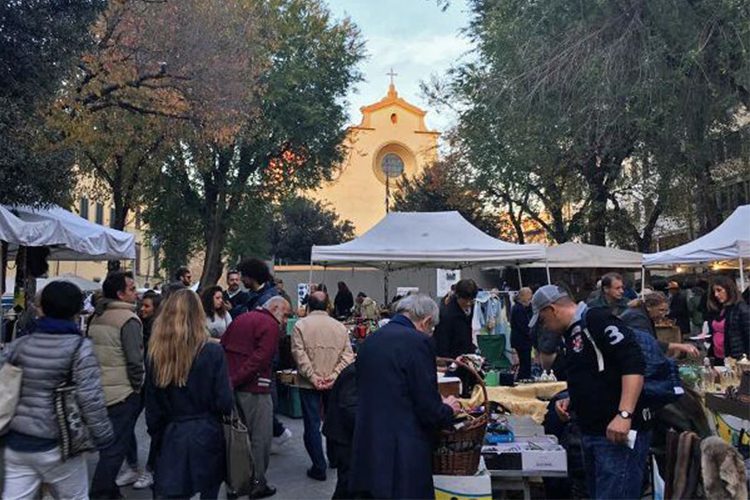
The Santo Spirito Market is an area where tourists and locals combine to experience all that Florence has to offer. It is a time where people can explore anything from food to wine to art to jewelry.

On the second Sunday of February it was time to visit the Santo Spirito Market. This is a perfect activity for a lazy Sunday to go walk around with your friends and browse through all the different fun stands. It’s amazing to be able to walk through and see such a variety of fresh, authentic goods. Whether you want to buy fresh meats and cheeses, homemade jams, or hand-crafted Italian jewelry, this market had it all.

Tourists and locals alike appreciate the San Spirito Market. It exemplifies Italians’ value of fresh produce and delicious-tasting meals. Of course, Italy is known for its exquisite meals using only the best ingredients. The market’s locally-grown vegetables, carefully sliced meats, and handmade pastas demonstrate the Italian value of putting time, effort, and thought into the production of each meal. Italians are committed to fresh, enticing, cuisine.

Observing the shoppers at the market, it was clear that they were carefully considering each purchase. They took their time to examine each product, whether it was the level of intricacy in a piece of jewelry or an orange’s freshness.

One of the best things about this market was that it was full of local Florentines. Santo Spirito is located on the other side of the river from the Duomo. Here you can have a genuine Italian cultural experience. If you start to get tired while shopping, the market is in the middle of the square surrounded by restaurants and a beautiful church. There is something for everyone. The San Spirito Market shows the norm of Italian culture: that people take their time to enjoy the little things in life.

See more of Florence and Italy at FUA’s FB, Instagram, and Twitter.
Pre-departure: Museum Tips

Photo by Author

By Emily Robinson

Free Museum Days: 5 tips to make the most out of free entry.

On the first Sunday of every month, as well as other special days throughout the year, Florence’s civic museums allow guests to visit for free! Here are some tips to get the most out of your visit and appreciate the Medici art.

1.  Check hours and restrictions
Some museums and churches open earlier than others, while other facilities (such as Museo del Bigallo) may only allow visitors upon reservation. Did you know that the Palazzo Vecchio museum is open from 9 a.m. to 7 p.m. but the museum’s tower is only open from 10 a.m. to 5 p.m.? Do your research ahead of time to avoid frustration later.

2.  Map out your day
If you are aimlessly walking around the city from one museum to another, you will tire out before even getting to your destination. After picking the places you want to visit and checking their hours, map the museums out and see what route makes the most sense. Your friends (and feet) will thank you later!

3.  Dress for success
Check the weather and dress accordingly. If you plan on walking a lot, make sure to wear comfortable shoes. If you plan on visiting a church, make sure your outfit adheres to their dress code (some require shoulders and knees to be covered.)

4.  Pack Light
Make sure you are prepared for a long day of adventures. If you are planning on using your phone a lot, bring a portable phone charger or wall unit and adapter. Throw a water bottle into your bag since beverages at a restaurant or café can be pricey. When it comes to traveling, less is more. Keep in mind that anything you pack you will have to carry on your back all day and that can start to weigh on you.

5.  Expect crowds
You are not the only person who decided to save a few euros and visit museums on a free entrance day! Anticipate long lines and crowded exhibits and remember that you are not the only person who has been walking from one museum to another. Be patient, kind and – most importantly – flexible when things do not go as planned.

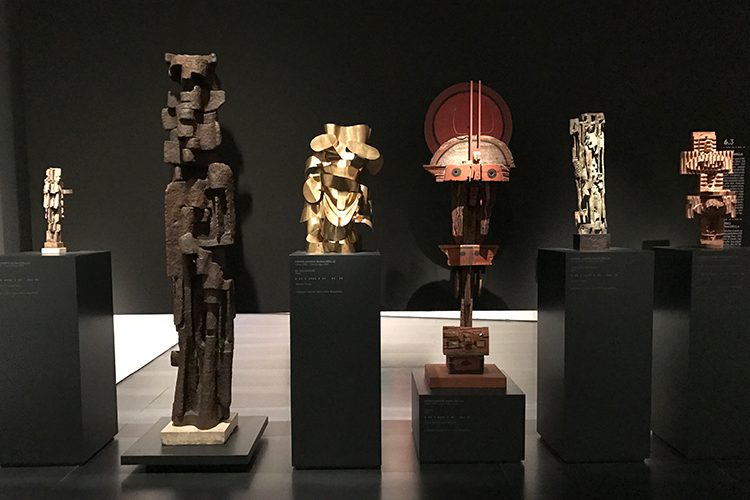
With these tips in mind, my friends and I were able to visit Palazzo Vecchio, Museo Novecento, Santa Maria Novella and Cappella Brancacci all in one afternoon. Even with a student discount, we saved over 100 euros between the five of us on one free museum day. Hopefully these tips can help you get the most out of free museum days in Italy, too!

See more of Florence and Italy at FUA’s FB, Instagram, and Twitter.
Florence: The Best of Both Worlds

Photo by Author

By Michael Lovanne

A walk through the city of Florence in search of memory stones which have so much meaning to the past and present of this historical city.

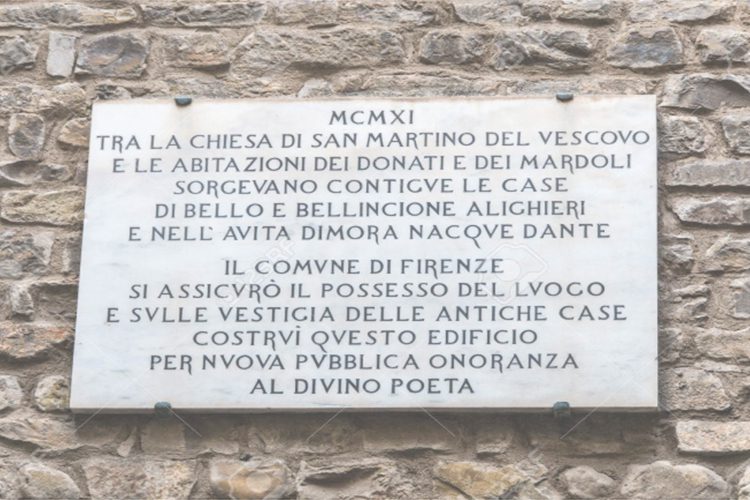
Florence is a thriving city, constantly moving and changing with the times. As a student with a passion for history and art, Florence was an easy choice when it came to picking a destination to study abroad. Defined by the renaissance, history and art is what built Florence and is absolutely inescapable: everywhere you turn is a different palazzo with historical significance, a different statue or fountain that is hundreds of years old, or a museum filled with priceless objects all telling the story of the city. I found this evident more than ever in my walk through the city in search of memory stones.

The beauty of these stones isn’t in their appearance, but in their message and purpose. Some stones are set on the outside of buildings where a Florentine of importance was born, passed, or had achieved something within the walls. Others share the history of the city through its culture such as quotes and excerpts by the famous Dante Alighieri.

What I found most interesting during this search was how the stones perfectly married the past with the future, by celebrating the continuous achievements of the city and its inhabitants. When another momentous achievement is made or event has taken place, it is immortalized in stone, and becomes engrained in Florence’s culture and celebration of the past and present.

As students living here, we are the future, and while there is much we can learn from Florence’s past, it is important to see that the city’s commitment to the past and present is what makes it truly unique.

See more of Florence and Italy at FUA’s FB, Instagram, and Twitter.
Spring 2018 ChatPal Update

Photo by Authors

By Virginia Pagan and Jalissa Sanchez

FUA Social Media students Virginia and Jalissa had the opportunity to cover firsthand the first meeting of FUA students and their local Chat Pal partners for the semester-long activity of language and cultural exchange.

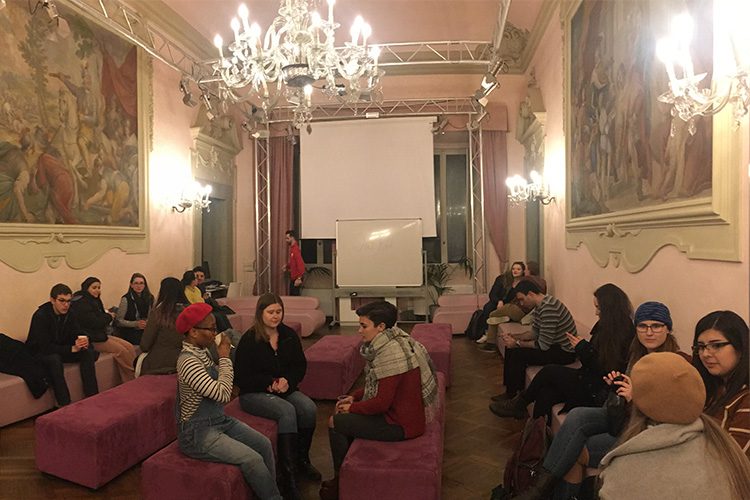
The latest ChatPal encounter that pairs students and locals took place on February 26 in Corso Tintori. The purpose of this event was for the FUA students to meet their Italian pal for the first time and have a place to get to know each other and have refreshments. To sweeten the encounter, the FUA hospitality department provided an abundance of snacks such as brownies, cakes, tarts, and savory items as well. Upon arriving everyone took a seat and SLD advisor Mattia Delle Piane announced the partner assignments, and one by one students were united with their local chat pal partner. We then took pictures of each pair in the cardboard cutout of the ChatPal Instagram. This meet & greet was a great introduction for both the students and the Italians involved. Participants will spend the rest of semester sharing and practicing the respective languages of the partners, meeting once a week for a minimum length of an hour to speak 30 minutes in one language and switch to the other for the remaining time. The Italian population this semester features individuals from diverse backgrounds and ages ranging from the 20s to early 40s. We were fortunate enough to meet and interview a local participant, Andrés Rosales, a Spanish transplant in Florence who works as a professional tour guide.

Where are you originally from?
AR: Madrid Spain but I have lived in Florence for 12 years now.

How long have you been a participant in this program?
AR: 3 years

How did u hear about ChatPal?
AR: One of my acquaintances participated the year before I started. He told me about the university, the language exchange program with the students, and I contacted FUA to meet and talk about it.

How many “Pals” do you usually get paired up with?
AR: Sometimes 1 sometimes 2 or 3, depends on the students and how often they can meet up.

Why ChatPal?
AR: To practice and improve my English.

Has your English improved?
AR: Yes, thanks to the practice and the opportunity to chat about different topics.

What do you usually talk about?
AR: General topics such as the city, life in the students’ home countries, and life here in Italy.

See more of Florence and Italy at FUA’s FB, Instagram, and Twitter.
Ciao Italia!

By Michael Lovanne

A study abroad student reflects on overcoming challenges when facing a new culture such as the Italian one and what he has learned so far.

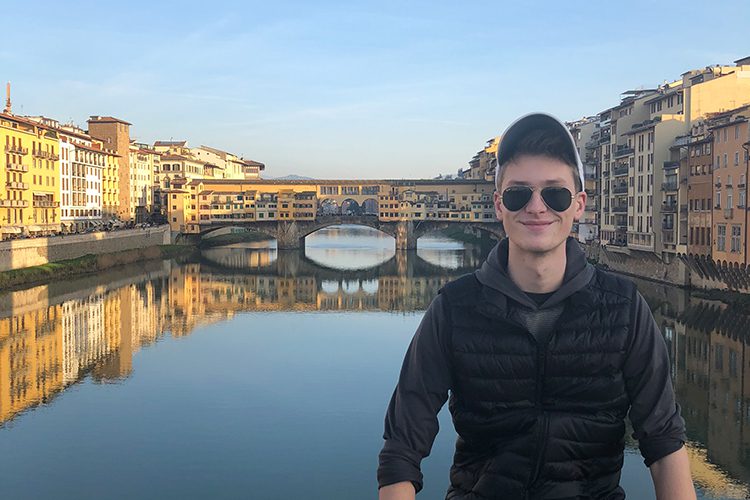
You’ve done it. You said arrivederci to friends and family, left the comforts of your university behind, and have settled into your new life in a different country. Now what? No matter what your expectations of this experience were, you are probably finding yourself a bit overwhelmed with the new sights, sounds, and of course the language of your new Italian environment. I found it a lot to take in myself; I’ve never visited, let alone lived in a place where I didn’t speak the native language, nor have I felt so personally attacked by pigeons or shared an alley with speeding cars and motorcyclists every day. I almost felt reduced to a child again, constantly confused and unsure of what to do and how to do it right. However, over this last week I’ve come to the realization that if this is where I chose to live for the next 3 months of my life, I might as well live it properly. I’ll admit my accent is terrible and I am nowhere near fluent, but it’s important to focus on small steps, i.e. making an effort to learn courtesy phrases like ciao, grazie, prego and buonasera. Thanks to these efforts, I have already felt more at home and comfortable with my surroundings. I’ve explored, purposefully gotten lost, tried new foods, and have fallen more in love with Florence and Italy after every passing day. So, my advice to you in your new home is to take your time, avoid tourist spots in favor of exploring the city for yourself, and most importantly, live how the locals do!

See more of Florence and Italy at FUA’s FB, Instagram, and Twitter.
The Porta San Frediano and its close-knit community

Photo by Author

By Gregg Casazza

Walls are built to keep people apart, but in the small borgo of San Frediano it seems that this wall actually brings the community together.

Between 1332 and 1334 the Porta San Frediano was constructed. This gate acted as an important route between Pisa and Florence, allowing travellers to access the city through the gate in the sixth city wall, and enter the Oltrarno quarter. Nearly 500 years later, this gate is still a functioning access point to the city, however, unlike many of the standing gates, much of the connected wall remains. More remarkable than this is the veneration the community around the wall has for the historic culture of this gate.

In a city like Florence, the birthplace of the Renaissance, it should come as no surprise that those who walk its cobblestoned streets appreciate and respect the history of the city. Perhaps nowhere in the city is this as true as in the hidden treasure of Florence, the Oltrarno quarter.

The “other side of the river” (the Arno) as it is sometimes called, is home to many artisan shops, and is too often overlooked by the casual tourist. The borgo (borough) of San Frediano is especially connected to its historical roots, and to the roots of the Porta San Frediano. It seems in many ways that the gate which watched over the borgo for centuries now acts like a friend or a family member within the close knit community.

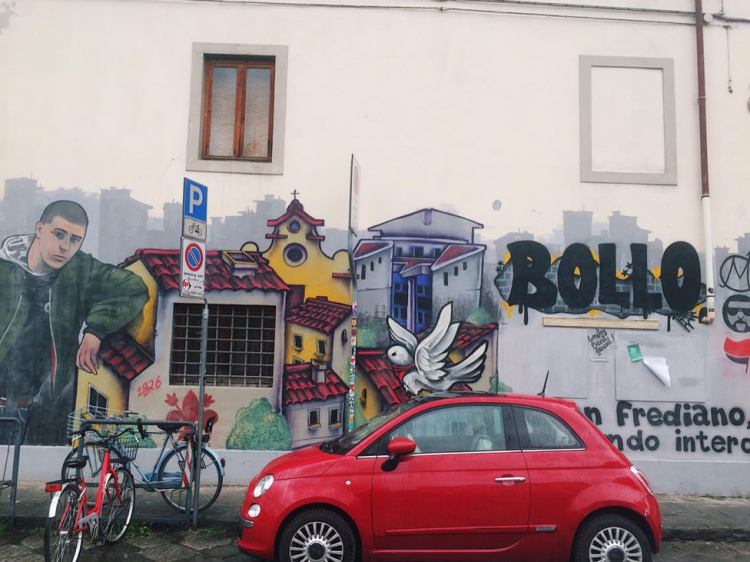
Locals can be seen hanging out by the wall. They leave flowers at its base, and in the alcoves of its stone exterior. Bright orange carnations pepper the ground, and stand out on even the dreariest of February days. A likeness of the gate is painted in stylistic purple on the outside walls of Da Simone la buticche del lampredotto, and a massive multicolored mural depicts the wall, the borgo, and states “San Frediano, il mondo intero” (San Frediano, the whole world) to all who enter the small borgo.

The wall acts as a sort of keystone for the community, holding the community together. Whether you sit in any of the small cafes nearby, or try some traditional cuisine at Trattoria Sabatino, the Porta San Frediano can be seen, watching over and protecting the community all these years later. During Notte Bianca, one of the famous festivals held in June in San Frediano, the community gathers for a long night of fun and music. During which, the focal point for many is the Porta San Frediano, which has lights and designs projected on it while locals partake in festivities from 9pm to 2am.

When something is part of a culture for so long it is easy to forget its importance. This is how history is lost, and how stories are forgotten. Thankfully, the people of San Frediano are keeping this part of their history in the forefronts of their minds, and still see an importance in this ancient wall.

See more of Florence and Italy at FUA’s FB, Instagram, and Twitter.
Hidden Florence: Costa San Giorgio

Photo by Author

By Alyssa Schultz

One student’s perspective on the neighborhood of Costa San Giorgio.

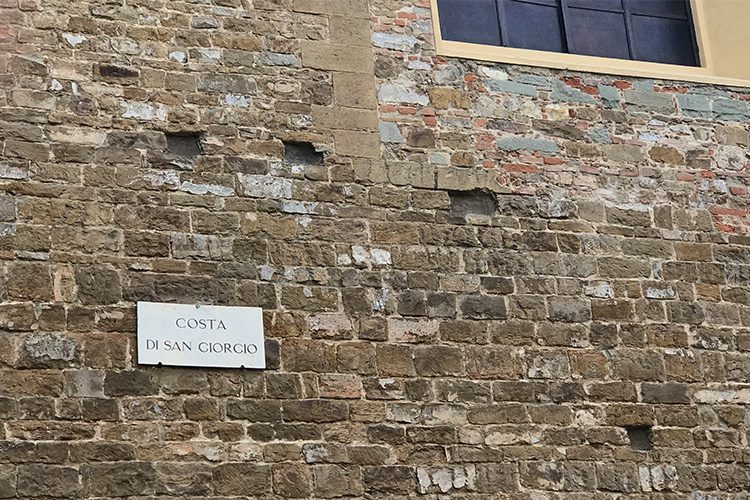
When I first arrived in Florence, I was in a shuttle from the airport, dropping off other students from my program. I was becoming intrigued about where my home would be for the next few weeks. Until, I was the last student on the shuttle. We were suddenly driving over the Arno River, away from everything, or so I thought. We were driving through the winding roads, going higher up into the hills, surrounded by trees. At the time, I had no idea the amount of art and culture that lived in my backyard. That was until multiple Florentines told me how lucky I was to be living on Costa San Giorgio; how it was one of their favorite neighborhoods in the city. But all I could think about was the hill I had to climb daily to get to my apartment. After Costa San Giorgio came up multiple times, I decided to go find out why locals loved it so much.

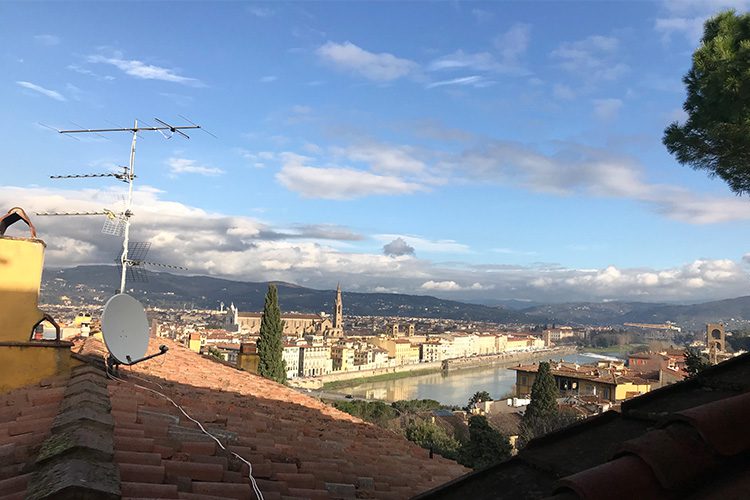
I did a little research and the things I found were incredible. To start there was Palazzo Pitti, which contains works by Michelangelo, Titian, Raphael, Rubens, and so many more. Attached to Palazzo Pitti are the Boboli Gardens which consist of 11 acres. It is one of the largest public parks in Florence and I had no idea that it was there, hidden behind the walls that surround it. Another short walk from my apartment brings you to the Piazzale Michelangelo. This is where I believe the best views in Florence are. You can see it all; the Duomo, the Ponte Vecchio, and even the mountains in the distance.

These places are just a small preview of the art and history that is in this neighborhood. I cannot even begin to describe the amount of food, wine, and shopping that is available. After seeing all my neighborhood has to offer, I am grateful to be living on Costa San Giorgio for the weeks that I am here. I can now appreciate the beauty, art, culture, and especially the people. It is not just some hill I have to climb!

Photo by Author

See more of Florence and Italy at FUA’s FB, Instagram, and Twitter.
 

Beauty from the Deep

Photo by Author

By Emily LaLuna

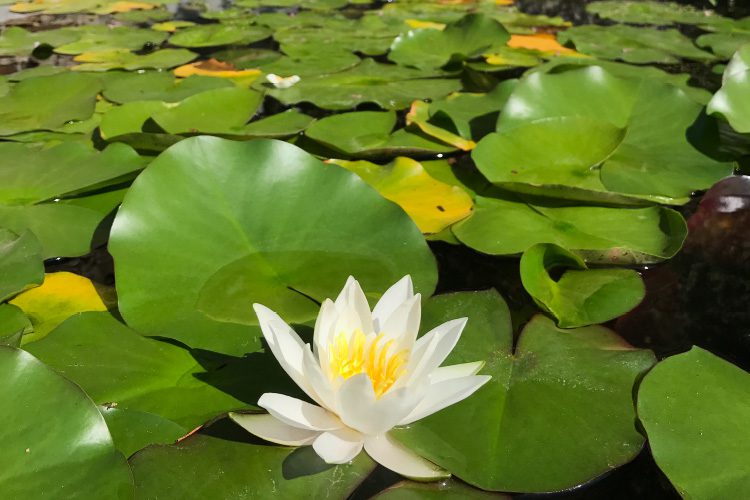
A story about a moment of positive solitude in a local garden in Florence, Giardino Delle Rose.

Normally, the word solitude is associated with a negative connotation. After four months of living in Florence and dealing with the transition of being far from home, many have discovered that it has a much deeper meaning and doesn’t always need to be an unenthusiastic concept. Solitude is good for the soul; it allows a deeper connection with yourself where you can truly discover the underlying beauty within. There are many positive moments of solitude in everyday life, here’s a short story about one.

A solitary lotus flower sits on top of a small pond in Giardino Delle Rose. With its roots planted firmly in the mud, it blooms into a beautiful site every day. Since the time the seed was planted in Florence, it has broken through the layer of mud it was placed beneath and blossomed into a fascinating part of life. It has grown in a positive manner, despite the murky place where it comes from. Upon arrival in the pond, the seed was afraid of what was to come, yet determined to face it. The goal was to break through and radiate light into the world, spiritually and physically. Not just for self-love but to help the people.

Humans admire beauty and the flower wanted to share what was inside. Its strengths have truly been shown and it has overcome the obstacles that have been thrown at it all its life. Having to navigate through the dark and around many other things in its path, it has become a flower who no longer hides in the depths of the pond or even just beneath the surface. It has emerged from the water and unfolded day after day, exposing itself to this big city and sharing everything it has to offer. Being alone in the bottom of the pond has allowed the growth and ability to flourish into the exquisite flower it has always wanted to be.

See more of Florence and Italy at FUA’s FB, Instagram, and Twitter.
Life in Florence: Festival of Lanterns

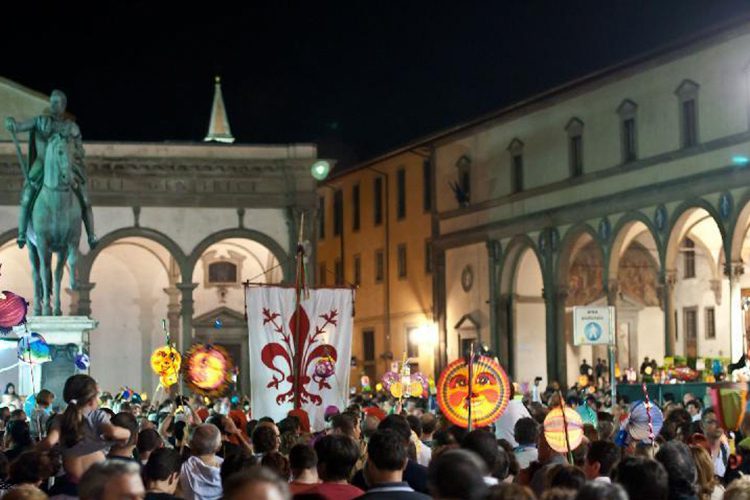
Locals gather in Pz. Santissima Annunziata for the Rificolona festivity. Photo by the author.

By Mikey Dombrowiecki

When it comes to studying abroad, sometimes it’s not as easy as it seems. For most of us, we tend to experience one common struggle: culture shock. This blog post describes my way of becoming more connected with the Italian culture through a local Florentine event.

It has now been about two weeks since I have arrived to Florence, Italy to complete my semester abroad. When coming abroad, I knew the lifestyle and culture here would be different than what I am used to in my charming little beach town in Ocean Grove, New Jersey. Little did I know this adjustment would be bigger than I could have ever imagined – one can infer that I was experiencing severe “culture shock.” So, I figured I would take matters into my own hands to find a way to break away from my homegrown routine begin to act like a Florence native. While browsing around for things to do, an FUA professor introduced me to the idea of attending the “The Lantern Festival,” called “Rificolona.” Unsure of what exactly it was, I figured I should have an open mind and attend as it was located only a few blocks away from my apartment.

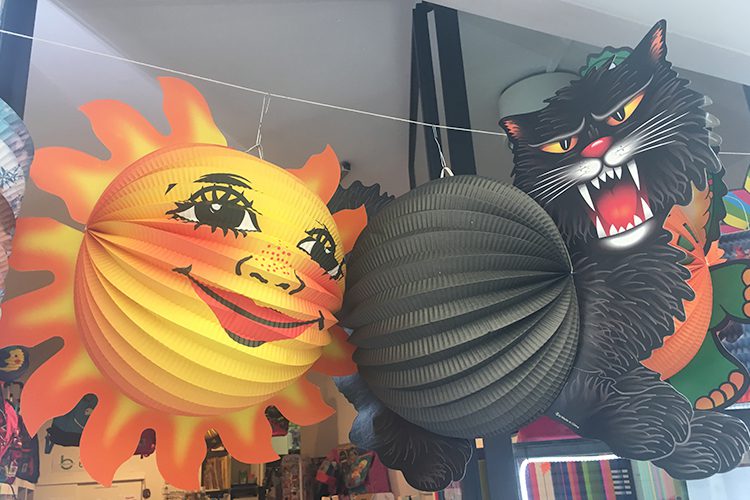
Modern-day Rificolona lanterns. Photo by Carmen Collins.

I ventured off on my own to attend the festival, and found myself piled in with hundreds of locals who were also gathering to participate in the festival. Aimlessly wandering around, I later ran into some of my classmates and together we walked around and explored. We also quickly grabbed some of the lanterns to avoid being just tourists. Halfway through the evening, I spotted my boyfriend Kyle, his roommate, Brenden, and their Italian host dad, Marco. Marco was kind enough to invite the boys to the festival so they authentically experience Italian culture. As the festival went on, I found myself engaging in conversations with Marco. Never missing a beat, he explained to me every ounce of the background and importance behind the festival, including the vivid memories from his childhood and how he came to the festival every year. He now brings his own kids, who are ages eight and ten.

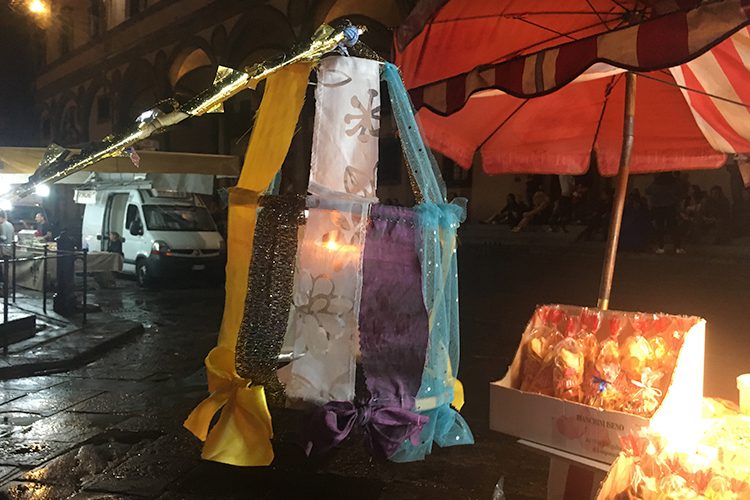
A homemade lantern at the Rificolona festivity. Photo by Carmen Collins.

Simply explained, the Festival of Lights is in honor of the Virgin Mary – the celebration of her life. The event originated in the 17th century, when farmers would make a pilgrimage into the city to pay tribute to the Virgin Mary’s birthday at the basilica of Santissima Annunziata. Centuries later, this still remains the location for a Florentine tradition that gathers the city’s residents for an illuminated evening.

See more of Florence and Italy at FUA’s FB, Instagram, and Twitter.