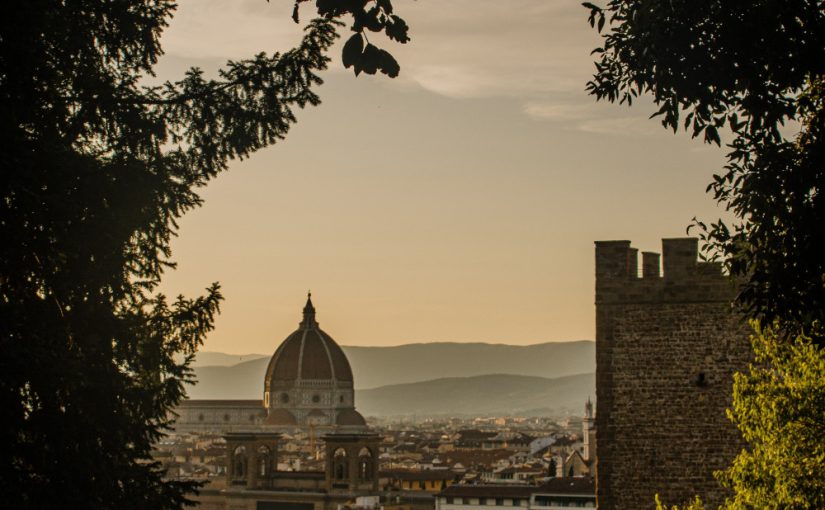
Florence’s Urban Art Display: Street Levels Gallery

written by Sarah Minemier

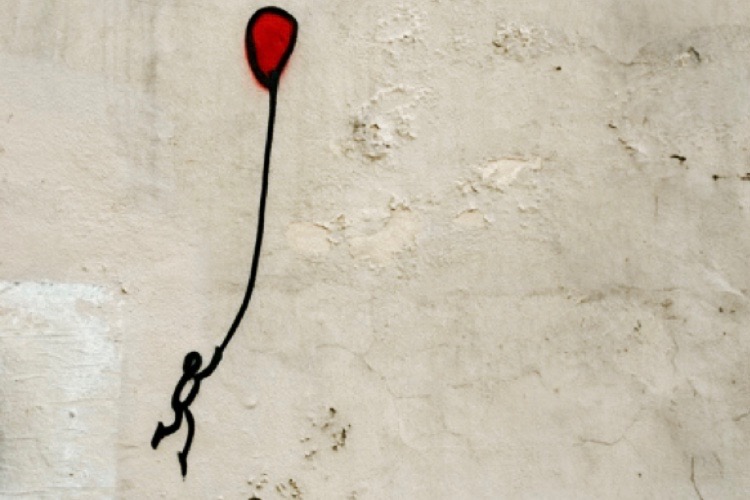
Funky, colorful graffiti art fills the streets of Florence. As you weave through historical buildings, you may notice cartoon elves, strangely proportioned animals, or just typical graffiti tags. Even if you’re not an artist, you’ll soon recognize that Florence’s graffiti art is part of the city’s beauty, and a popular way its residents artistically express themselves. Yet, in Italy, graffiti remains illegal, and is still ultimately seen as vandalism of public spaces.

The Street Levels Gallery provides a safe space for urban artists to come together, share their artwork, and send important messages without any fear of legal repercussions. The name and backstory are straightforward – Street Levels Gallery remains on the street level, hence the name, accessible to all, and intended to create an environment most similar to that of genuine street art. “You can’t take art off the street,” said Sophia Bonacchi, co-founder of the gallery. “If you take it off the street, it’s something else. It’s not urban art anymore.” Bonacchi mentioned other art galleries in Florence feature public urban art, but some are underground, or feature a more enclosed layout.

Inside the gallery, like any other gallery, artists form exhibitions. 

“We have three to four proper exhibitions per year, but in-between, we do our own setups with artworks from our deposit,” noted Bonacchi. Luckily, for current Florence residents and non-residents alike, there is an exhibition on display right now.

“Di Mondi Lontanissimi” is a collection by Italian street art group Guerrilla Spam, featuring mostly paintings inspired by the bold colors and expressive style of Renaissance artist Pontormo. These factors are evident in Guerrilla Spam’s work. Upon entering Street Levels Gallery, you’ll be greeted with colorful pastel paintings, an iron installation, and shiny plexiglass creations, each of which contains culturally significant symbolism and geometric designs.

The Street Levels Gallery draws its artists from an established pool of mostly Italian urban artists. Solo art exhibitions aren’t necessarily the norm; another recent exhibition featured the contributions of nineteen artists total. Bonacchi tells us that artists within the realm of urban art are well-connected, and finding artists to display is rarely an issue. “The urban art movement is very limited to a few kinds of artists, because you have to have certain features. We know the artists of these movements, and select artists we have known for a long time,” explained Bonacchi. To scout out potential new artists, members of the Street Levels Gallery also regularly attend urban art fairs, and read graffiti art magazines.

Even if you are not a habitual gallery enjoyer, I urge you to visit if you get the chance. As someone who is not particularly artistically inclined, I was immediately drawn in simply by the aesthetically pleasing use of color. Exhibitions typically last three weeks, yet the current exhibition has been extended past its initial end date, and is now scheduled to end on June 22nd. If you’re in or planning to be in Florence this weekend, I highly recommend stopping by the gallery located at Via Palazzuolo, 74AR, 50123 Firenze FI.

Piazza D’Azeglio: The Heartbeat of Florence’s Underground Past

written by Emily Gibson

This blog feature is an exclusive bonus installment to our Spring issue of Blending Magazine. After you finish reading, be sure to explore the rest of the magazine online—just follow this link to download the full Spring 2025 edition:
https://jschoolfua.com/images/BM/BM_151.pdf

An Unexpected Encounter 

How did I end up here, and what do I do now that I am? Surely, this is not that enchanted city where nearly 11 million visit annually, I reasoned. Where are the crowds or the music often needed to drown out the noise of the through traffic? “Michelangelo!” called a woman’s voice. I turned to see what art she could be referring to and was met by a young child with blonde hair and blue eyes running joyfully toward a playset. In a place where tourists spend an average of three billion dollars every year, an experience here, inconspicuous within the Florentine jungle, cost me only time. 

“It’s hallowed ground,” said former Stanford professor and self-made historian Albert Gidari. “You may not know the history in detail or who died and what they did, but you just know, and that feeling conveys the place, so if you want someplace to just reflect for a few minutes on what life was like and why it was important, that’s what spirit is within that park.” 

A Quiet Corner of Buried Defiance 

Piazza Massimo D’Azeglio is a quaint 165-year-old square nestled in the corner of Florence’s city center between Campo Di Marte station and Sant’Ambrogio and, at first glance, a seemingly unusual site for a place where mass tourism has taken a toll. The neighborhood is still inhabited by residents where children play, dogs run, friends converse, and the elderly rest, but when I looked around at the beautiful, historical buildings, some embodying the prestigious liberty style, it was hard for me to imagine war was once present for which cause many lives ended there. 

I shifted my gaze to the heart of the square where water spurted from the beak of a bronze crane — a symbol of good luck — and I wondered whether luck was enough for those brave men and women who once held anti-fascist meetings right here under the nose of the proponents themselves. I tried to imagine myself where I was, only at a time when deafening uncertainty filled the air. 

“Anyone hiding material of any kind useful to the German Armed Forces or the German Nation is liable to be sentenced to death,” stated the Commander General (qtd. in Supporting Radio CORA: ‘resistant’ Arcetri in the memoirs of Michele Della Corte, 17).  

Echoes of Joy Amid Whispers of Loss – WW2 

Initially, I did not perceive the tangible references to a WW2 history still pulsing beneath the surface, but when I saw the children chasing one another up and down the paved piazza, I could not help but reflect on the childish games I once played, such as hide and seek, wherein I knew too well the feeling of rushed adrenaline coupled with fear when my hiding places were eventually found out. In the end, though, it was just a game, and my enemies were still my friends.

Hence, I struggled to picture the square before the 1940s, when there were large iron gates filling the space where the sidewalks now reside, making the park an impossible hideout for 80 years. When the square finally experienced newfound freedom, it came at the expense of Florence’s citizens. The gates were donated and melted to make the weapons forging the real gates around the freedoms of the people as uniformed soldiers of the Nazi Regime filled the city, stripping away what I have often taken for granted: safety, basic rights, and life itself. Many, I learned, would surrender to their cause, but others would stand in opposition, risking it all for hope. 

A Final Transmission of Hope 

A wise man once proved there is no greater love than for a man to lay down his life for a friend. Thus, what Resistance leaders Enrico Bocci, Italo Piccagli, and Luigi Morandi, among others, did on behalf of their friends and beloved city was nothing short of great love. On the fateful day of June 7, 1944, Nazi soldiers raided the top floor of Piazza D’Azeglio 12 — the final hiding place of Radio CORA. Therein, resistance men and women endangered their lives to transmit secret messages and hope to the Italian population. The three partisans were captured, tortured, and killed. 

I walked to the northeastern side of Piazza D’Azeglio to see for myself what remained of those heroes, and I was met by their bronze memorial. I paused for a moment of silence and reflection. 

An Invitation 

My money is useless in D’Azeglio because the peace, joy, and freedom the square offers came at an invaluable investment I may never fully understand. Its rich history whispers through the grounds and nearby corners, where the Jewish synagogue still miraculously illuminates the skyline. Nonetheless, individuals visit D’Azeglio for various reasons, such as convenience and fond pastimes like Florentines Tobias Zerella, Anne Whittaker, and Tommaso Tempesti. Others like Gidari, who dedicated years to uncovering the stories of the resistance movement, visit because the historical site still speaks to them today. In any case, D’Azeglio serves as an invitation to enjoy the present and an opportunity to reflect on the past. Amid all Florence has to offer, I have discovered that if one has the time, Piazza D’Azeglio, the heartbeat of Florence’s underground past, offers an experience that mere money cannot afford. 

“If you’re there for a week or more and want to breathe in Florence, it’s just such a pleasure to go and sit on a bench for an hour or two with a coffee… and watch the real people that live there enjoying their city, and just imagine what the city was like,” said Gidari.

Tearing Up the Checklist: How Studying Abroad in Florence Redefined My Dreams

A student’s journey from rigid plans to spontaneous gratitude reveals the unexpected beauty of slowing down, connecting deeply, and truly living abroad.

written by Connor McHugh for SPEL Journalism

I left O’Hare Airport in Chicago on a flight to Florence, where I made lists of everything I wanted to see and do while abroad. It included trips, events, restaurants, and everything in between. The longer I was in the air, the higher the anticipation of arriving in Italy grew. For my whole life, I have dreamed of traveling the world and seeing every corner the earth has to offer. Studying abroad was my chance to start those dreams.

I had a very specific idea of the type of experience I thought I would have while abroad. I saw myself being out of Florence 5–6 days a week, traveling to a different country each time with brand-new experiences to show for it. After the first three weeks of the semester and not a single new country visited, I realized I may have been overzealous. However, those first three weeks allowed me to fully immerse myself in the city and community of Florence and begin making connections that would end up lasting.

After that came my first time traveling outside Italy for spring break. From Portugal to France and Switzerland, it was an experience I will never forget. As I traveled from country to country, in awe of the breathtaking landscapes and monuments at each place, I couldn’t help but think about the eight-year-old boy who once dreamed of what I was now doing. At the end of the break, I stood on top of the Swiss Alps with ski poles in hand and thought to myself: How did I ever get so lucky? The air felt like invisible gold on my skin as I relished a moment I had long waited for. It began my mission to make sure I lived every day abroad to the absolute best of my ability. I felt I owed it to everyone in my life who had helped me get to this point. I also owed it to the people who would give anything to be in my position.

Recognizing how fortunate I am to live this way gave me a newfound sense of purpose and direction.

Coming off the best week of my life during spring break came the final 11 weeks of the semester. This is when I began to feel more like an expat living in Florence rather than just a tourist. I became familiar with certain spots in town, getting to know workers and owners of all different kinds. It quickly became apparent that the level of hospitality in Florence is unmatched. Anyone would be glad to strike up a conversation with you and give advice on what it means to live in the city and country.

It was about halfway through the semester when I found myself in an actual routine. I had class and work, different places I would eat on certain days, and I would pick up my bags and travel somewhere for the weekend. That routine became a cornerstone of my time in Florence and made me realize that it’s very easy to make anywhere you live feel like home if you try hard enough. People often talk about being homesick and missing that sense of comfort and belonging. To me, home is a place where I know what I’m doing every day of the week. I find comfort in thinking about the next day and knowing what I’m going to be doing—with new experiences sprinkled in here and there.

Paradoxically, it only feels like home once you start trying new things. That way, you can fully understand what it is you want to continue doing. It’s important to try as many things as you can at least once. Of course, the weekends are when routines should be thrown out the window and used as opportunities to travel and go on new adventures.

As I wrap up my semester abroad, I look back on the things I will remember most about my time and what I’ve learned from it. I learned that the things that will have a lasting impact on me are the moments that made me feel an immense sense of gratitude for the life I’m living. In France, I won’t remember the Eiffel Tower as much as I’ll remember playing soccer with local kids on the street. In Switzerland, I won’t remember any specific tricks I did on my skis, but I’ll remember the feeling of spraying my friend with fresh snow. Across every country and city, the moments that leave a lasting impression are the ones you least expect.

That is the beautiful thing about studying abroad—and life in general. People think that in order to make amazing memories, they have to visit the most luxurious destinations and live lavishly. In reality, the more you connect with the local environment and live in the moment, the more you realize how amazing this experience is.

If I had the chance to meet my former self on that plane five months ago, I would have grabbed that sheet of paper and torn it up in front of him. I would have told him not to be so constrained by expectations and plans—and to live every single moment like it matters.

The CPA’s Role in Florence Subculture

written by Katherine Seiler and Isabella McCarthy

This CPA deep dive is an exclusive bonus installment in our Spring issue of Blending Magazine. After you finish reading, be sure to explore the rest of the magazine online—just follow this link to download the full Spring 2025 edition:
https://jschoolfua.com/images/BM/BM_151.pdf

Origins

The Centro Popolare Autogestito (CPA) is a self-managed, community-driven space that offers a platform for political activism, art, and social movement, contrasting the city’s historical and tourist-centric culture. Founded in the 1980s, it began as an escape from heroin, social isolation, and marginalizations that were often present during these times. The group initially occupied a nursery school in early 1989 and transformed it into a community space where people could gather to address social and political issues. They had to move to a mechanical workshop later in the year, and finally moved into their current building in 2001 after the old school was closed down years prior. Nicolo, a member of the CPA, described the space as “squatters that take over abandoned places”, but this practice can be regarded as a way of the CPA reclaiming unused properties and transforming them into usable, community-driven spaces. 

Hub of Creativity and Activity

Over the years, the CPA has evolved, but its core ideals in anti-fascism, community, and artistic expression remain intact and are present throughout its facility. Today, the CPA is a vibrant cultural hub hosting a variety of facilities, including a gym, library, art studio, cinema, and computer spaces. Classes in karate, ceramics, art, and more give people a chance to develop both personally and creatively. These spaces provide members the opportunity to connect, create, and grow. 

Through a visit to the ceramics studio, managed by Roberto, we learned that the studio was established six years ago, and it has become a place of creativity and connection for many. The process is simple: pay a small fee, make two pieces to learn the basics, and then create whatever you want. There are no formal teachers; everyone helps one another, and the focus is on learning together. Through regulars like Ciara, Irene, and Vitoria, it became clear how much they valued the sense of community the studio provides. They worked together on each other’s pieces, sharing tips and experiences, fostering a sense of belonging.

Current Day

Visits to the CPA reveal the diversity of its community. Nicolo noted how younger generations would turn to the CPA to utilize study spaces and as an opportunity to socialize. It was mentioned that some children would skip school, hop the fence, and hang out at the CPA instead of being at school. This seems to be a tradition that has continued over time, as many members laughed and remarked, “just like we used to do!”. Though one member said, “The Italian population is not young, so there are a lot fewer young people here,” when talking about the age of people involved with the CPA. 

The CPA’s finance model is that almost all activities are free of charge, except for concerts and the initial ceramics fee. The money needed to cover rent and utilities comes from the concert revenue. The CPA ensures that anyone, regardless of financial situation, can access the resources available. 

The CPA is also focused on helping the community, as they were instrumental in organizing large-scale food and resource drives during the pandemic. Despite their history of tensions with law enforcement, members of the CPA shared that during the pandemic, the police would give out the CPA’s number to individuals who needed food but could not afford it. At this time, law enforcement recognized the value and importance of some of the work that the CPA does. 

Expanding on the relationship with law enforcement, the center has a longstanding reputation for being anti-authoritarian and believing that the police represent an oppressive force. The CPA does not tolerate drugs and believes in alcohol moderation. People do smoke weed within the CPA, and though it is not legal, the cops do not bother people who smoke it on the CPA property.

For many, the CPA provides a space where people can escape, create, and express themselves freely. Despite facing numerous challenges, the CPA continues to thrive, staying true to its core values. It’s a place for the marginalized, the artists, and the activists and a space that has evolved but remains firmly rooted in its commitment to community. 

The “Made in Italy” Tag: A Legacy of Quality and The Loss of its Reputation

written by Alison Abbruzzese, Tyler Kirwan, Carla Lewinsky, Kendall Kreidel, Madeline Jacaruso, Justin Turner & Sophia Fitzpatrick

This “Made in Italy” deep dive is an exclusive bonus installment in our Spring issue of Blending Magazine. After you finish reading, be sure to explore the rest of the magazine online—just follow this link to download the full Spring 2025 edition:
https://jschoolfua.com/images/BM/BM_151.pdf

The ‘Made in Italy’ label has long been synonymous with elegance, craftsmanship, and luxury. Originating in the mid-20th century, this designation became a hallmark of superior quality and refined style, positioning Italy as a global leader in fashion. However, while the label continues to hold significant prestige, it faces new challenges in an era dominated by globalization and fast fashion. Today, this well-known label can often be misleading and not representative of authentic Italian products. Misleadingly claiming ‘Made in Italy’ does not just deceive consumers but creates a false narrative of Italian culture, heritage, and values. As a country known for being a leader in fashion and skilled craftsmanship, this deceptive tactic utilized by global mass producers can be incredibly harmful to local artisans and Italian small businesses.

The Birth of ‘Made in Italy’

The ‘Made in Italy’ tag emerged in the 1950s, coinciding with several important reforms in Italian history. In the aftermath of World War II, Italy sought to reform its economy and national identity. Fashion played a crucial role in this transformation as Italian designers began showcasing their collections on international runways. These fashion shows, which gained traction in cities like Florence and Milan, introduced the world to Italian tailoring, detailed fabrics, and exceptional craftsmanship.

During this period, designers such as Emilio Pucci, Salvatore Feragamo, and Giorgio Armani began to shape Italy’s reputation as a hub for high fashion, with its strong attention to detail and innovative designs. By the late 1950s and early 1960s, ‘Made in Italy’ had become a mark of prominence, attracting consumers who sought a premium quality and exclusivity in their clothing.

The ‘Made in Italy’ Campaign of the 1980s

Building on its growing fashion reputation, Italy launched the ‘Made in Italy’ campaign in the 1980s. This initiative was designed to capitalize on the country’s flourishing luxury industry and further establish Italian products as the pinnacle of style and refinement. The campaign was highly successful, positioning Italian brands like Gucci, Prada, Versace, and Dolce & Gabbana as leaders in the global fashion scene. At the heart of the campaign was the idea of selling not just clothing but a sophisticated and exclusive lifestyle. Consumers embraced this concept, driving an increased demand for Italian-made goods and reinforcing the country’s dominance in high fashion. The ‘Made in Italy’ label became a coveted symbol.

The Modern Perception of ‘Made in Italy’

The perception of ‘Made in Italy’ remains highly esteemed, with many consumers willing to pay a premium for products bearing the label. This reputation is built on a legacy of high-quality craftsmanship, exceptional tailoring, and timeless style—qualities that continue to be powerful selling points for Italian brands. Beyond its cultural significance, the label also plays a vital role in Italy’s economy. According to the Clean Clothes Campaign, “In 2021, the textile-clothing-footwear sector contributed approximately €24 billion to Italy’s trade balance, accounting for around 11% of the country’s total export earnings.”

However, the integrity of the ‘Made in Italy’ label has come under increasing scrutiny due to shifts in the global fashion industry. One of the most pressing concerns is the rise of fast fashion, which has fundamentally altered both consumer behavior and industry dynamics. As demand for affordable, trend-driven clothing reaches new heights, many brands have been forced to adapt—sometimes at the expense of quality. In an effort to remain competitive, some companies have begun mass-producing garments with lower-quality materials while still capitalizing on the status associated with the ‘Made in Italy’ name. This growing tension raises important questions about authenticity, sustainability, and the future of Italy’s fashion identity.

Challenges Facing ‘Made in Italy’ Today

While the ‘Made in Italy’ label continues to carry weight, several factors have led to its dilution. Some brands exploit legal loopholes to use the ‘Made in Italy’ tag without following traditional standards. In some cases, only the final touches of a product are completed in Italy, allowing companies to label them as Italian-made despite most of the production occurring elsewhere. With these issues occurring, the fashion industry began a significant shift from custom tailoring to ready-to-wear clothing. While Italy once dominated the luxury tailoring market, the increasing preference for off-the-rack fashion has reduced the exclusivity of Italian craftsmanship.

Preserving the Prestige of ‘Made in Italy’

To maintain the integrity of the ‘Made in Italy’ label, industry leaders and policymakers must take steps to protect its authenticity. Stricter regulations on the use of the label could help prevent its exploitation and ensure that only genuinely Italian-made products have the mark.

Additionally, supporting traditional craftsmanship through government incentives and industry collaboration can help keep Italy’s reputation for excellence in fashion. Moreover, embracing sustainable and ethical production practices could bring back the appeal of ‘Made in Italy’ in today’s fashion landscape. As consumers become more conscious of quality and sustainability, Italian brands that emphasize authentic craftsmanship and responsible sourcing may regain their competitive edge.

The ‘Made in Italy’ tag represents a legacy of fashion excellence. While it continues to carry prominence, it faces significant challenges in a rapidly evolving fashion industry. Mass production and fast fashion may dilute its authenticity and undermine its value; however, with the right measures, Italy can safeguard and even bolster the prestige of its most celebrated label.

The Only Guide You’ll Ever Need to Study Spots in Florence

written by Charlotte Cicero for SPEL: Journalism

Whether you’re studying, reading, or grabbing a quick pick me up, this guide will cover everything from ambiance to music, to table sizes, food options, opening and closing hours, book selections, places to meet people, and of course, an honest personal opinion. 

Rivarno – Meals, bright, happy, peaceful 

If you’re looking for a spot off the river to do some homework while enjoying some delicious sandwiches and tarts, Rivarno is your spot. Get there early as this place gets crowded and bring your noise cancelling headphones. 

Fedora – Lively, indoor/outdoor, pastries and sandwiches

Of course, I’m partially biased being a student of FUA, but Fedora is one of my favorite spots on this list. Located on Via Ricasoli just 5 minutes from the Duomo, Fedora offers pastries made by students, for students. Locals will also come to dine for dinner and lunch. When the weather’s nice, you can take a seat outside on comfortable couches or desks. Coffee is delicious and pastries are consistently fresh and yummy.

Bar Grano – Indoor, bar/coffee/pastries/meals, lively 

If you’re looking for a spot to grab a glass of wine and people watch, with some great music, Bar Grano is your place. I sat by the window on a small desk and enjoyed a glass of Pinot while studying, it’s not too loud but enough ambiance to where you can focus. Would recommend to anyone looking for a place to focus while enjoying yourself. 

La Menagere – Brunch, fun, decorative 

Although expensive, Menagere has many cute spots to sit in, with every room representing different colors and flowers. Well-lit and lively with great service. I’ve heard that the dinner here is sub-par, but the pastries are lovely and the coffee is great. I recommend an early morning breakfast or mid-day aperitivo. 

Cat Cafe – Activity-based, coffee/pastries/sandwiches

As long as you’re not allergic to cats, Cat Cafe is a great option to study and read, while snuggling with some cute cats. I did get scratched within my first few moments there but had a great time. The cats are friendly and will crawl onto your laptops (or into your bag), I had a delicious Cafe Orzo and Americano.

Move On – Bar/restaurant, nighttime 

Opening later in the day, Move On is the kind of place that knows exactly what it wants to be, and clearly had a very specific vision. A record store, restaurant, and bar, Move On has a usual quiet ambiance (when there isn’t a football game on) with different rooms upstairs and downstairs. You can enjoy a glass of wine, dinner, or snacks while overlooking the Duomo and listening to some great music.

Todo Modo – Bookstore, coffee/bar/restaurant

Not far off the Ponte Vecchio, this is the hidden ‘coffee shop’ gem of Florence. Todo Modo has the most interesting and cool design, with an ascending staircase full of books that harbors study seats with hanging tables amidst hundreds of books in English and Italian. When you first walk in it’ll look just like a bookstore, but the further you walk, it becomes a restaurant and study spot. If you want to stay for lunch, make a reservation. Get there earlier, preferably on weekdays, as this place is completely packed on Sunday afternoons.

La Cite – Bookstore, live music, pastries/food/coffee, indoor/outdoor

Another hidden gem across the bridge from the Duomo, my friends and I stumbled across La Cite on our way to dinner. Inside we found 3 upstairs and downstairs study areas, a group of friends playing piano, and everyone enjoying food, wine, and coffee. There are couches, desks, board games, books in Italian, and sometimes live musicians. I recommend the Cafe Orzo or any of the creative cakes they have on display.

25Hours Hotel – Restaurant/bar, coffee/pastries, bright 

Less than 10 minutes from the train station, 25Hours is an eclectically decorated hotel with a coffee shop and restaurant. The clear ceiling provides beautiful natural light to anyone trying to relax, and the decor of the hotel lobby provides a great ambiance for meetings – perfect place to meet up with a friend for aperitivo. I enjoy their selection of hot teas, Italian cookies, and of course, Cafe Orzo. 

Being a Tour Guide in a Country Unfamiliar to You

My family’s visit to me in Florence, and some differences they encountered

written by Tyler Kirwan for SPEL Journalism

Recently, my family visited me in Florence for my sister’s spring break. My parents, aunt, and sister landed in Florence on a Thursday afternoon, so I raced to their hotel, which was near the airport. Normally, I would have used the lovely Florence tram system, but the urgency to see my family was real, so I took a taxi instead. Once they had settled into their hotel, it was up to me to make their travels worth it.

A quick Google search revealed a restaurant within walking distance that seemed adequate, and it was an amazing decision on my part. This restaurant was a traditional Italian osteria with a menu featuring appetizer, first plate, second plate, and dessert. The ordering-style was a little unfamiliar to my parents, however. As soon as the waiter approached us they were expecting to just order drinks and appetizers, and then a second round of order-placing for main courses. I am not quite sure if this style of service is an Italian thing, but they like to take the order for all your food at once. We had to ask for a second to decide on what we wanted to eat. When the server delivered a bowl of bread to the table, my dad was a little confused as to why there was no butter. Luckily for him, the staff was very accommodating to our American ways and brought out some butter, just for him. My parents were also a little apprehensive when it came to the lack of ice in our drinks. Coming from a coffee-loving family, they did enjoy the post dinner espresso, but are more used to a big American coffee, rather than a small sip. Once dinner had wrapped up, they were waiting for the bill, then I had to explain to them that Italians sit after dinner and talk for a while, and that we would probably have to get their attention if we would like to pay. 

Besides just the dinner culture being different, the mealtimes and portions themselves have dissimilarities to America. My family is used to a moderate breakfast, a moderate lunch and a large dinner. Italy does not operate in this way.

Italy is geared towards a much smaller breakfast than what we are used to. The next day, about an hour after eating their croissants and drinking their coffees, everyone was already hungry. They had a moderate lunch a little later, but by the time they were ready for dinner at around 5:00 p.m., few restaurants were open. I introduced them to the idea of aperitivo, which I assured would come with some snacks. Some other small things throughout the week I had to help guide them through were; validating their tickets at a train station or understanding that a coffee in a ceramic mug leaning against a counter offers its own experience.

My family and I come from rural America where there is limited public transport. The only trains we take are for when we visit big cities. All these meal related differences and transportation situations were nothing but exciting for me, as I was able to show my family how to experience Italy in the way that I have learned. They enjoyed the beautiful architecture, the parks and greenery, and stared at the sun-kissed walls of the city in the afternoon. I led them to Piazza Della Signoria and as we walked around, I regurgitated all the facts about the Medici family I had learned just weeks prior in a class. My family mentioned a difference in the fashion in Florence and commented on everyone being quite dressed up and appreciated the availability of recycling and waste bins on every corner, recognizing the cleanliness of the city.  Throughout the week there was also an air of hospitality that my family had been receiving during their time, and were taken aback by the friendliness they encountered as tourists. 

I was handed the reins of tour guide, and I was able to share a more intimate experience of Florence with them. We walked through Piazza Massimo D’Azeglio, a park near my apartment and breathed in the fresh air and watched people carrying out their day. Italy offered them a chance to step back, sit around, and enjoy their surroundings. To spend time in such a walkable city has its own pleasure and is something we don’t experience everyday where we are from. One evening, my aunt, sister, and I took a picnic up to Piazzale Michelangelo to watch the sunset. My family in-turn, helped to show me some new experiences of Florence that I wouldn’t have tried myself. We went and tried a gelateria that my aunt had found after doing some research, and found some nice stores in the more tourist-heavy area that I hadn’t spent much time in. These all seem like inconsequential anecdotes, but I never realized how much I had gotten used to in my time being here. 

When you are with people who are not used to your circumstances, you notice certain things that are different from your own culture. The week offered little views into differences between American and Italian/European culture that I had up until this point only subconsciously considered. I was able to step back and not only enjoy their moment with them but realize how lucky I am to be here every day with the people, nature, and culture of this city.

My Italian Roots

written by Guido Togliatti for SPEL: Journalism

My name is Guido Togliatti and I am studying abroad in Florence for the Spring, 2025 semester. Originally, I am from California, but I have Italian ancestry through my Grandfather.

Palmiro Togliatti himself was born in 1893 into a comfortable middle-class household and displayed academic promise from an early age. He earned a law degree at the University of Turin and then served on the front lines during World War I, where he sustained injuries that deepened his commitment to social justice. After the war, he channeled his convictions into journalism—founding the weekly newspaper Il Partito Comunista—and helped organize Italy’s first cohesive communist movement. When Mussolini outlawed the party in 1926, most leaders were arrested, but Togliatti escaped to France and later the Soviet Union, where he navigated the dangerous politics of Stalin’s purges to keep the movement alive.

During the Spanish Civil War, Togliatti helped coordinate aid and volunteers for the Republican side—a chapter of his life that underscored both his political skill and his willingness to risk everything for his beliefs. He returned to Italy in 1944, joining Marshal Badoglio’s transitional government and working to legalize the Communist Party once more. His life nearly ended in 1948, when a young fascist assailant wounded him—an event that triggered mass demonstrations across the country and solidified his status as a symbol of resistance. After his death in 1964, the Soviet city of Stavropol-on-Volga was renamed Tolyatti in his honor, a rare acknowledgment of an Italian figure abroad.

Ultimately, learning this history has deepened my desire to connect with Genoa and to cherish every moment I spend here in Italy. Learning about this made being in Italy even more special for me.

Dario Cecchini: The Butcher Who Honors the Beast

Inside the Tuscan Butcher Shop Where Tradition, Ethics, and Culinary Art Collide

written by Connor McHugh for SPEL Journalism

In the heart of Tuscany lies the small town of Panzano, where there is a butcher shop with a man dubbed “The Greatest Butcher Who Ever Lived.” Dario Cecchini has taken the occupation of being a butcher and turned it into an art form. Armed with a brass instrument that signals the opening of the shop each morning, Cecchini has become an icon in the world of food and animal rights.

While born into an eighth-generation family, Cecchini was originally never interested in the life of a butcher. He grew so attached to the cattle they raised that he moved to Pisa to become a veterinarian. After the early death of his father, Cecchini was forced to return to Panzano to take over the family business. Cecchini saw this as an opportunity to change the butcher world and its treatment of animals. He instituted non-negotiable rules for every cow that he used. These included the cattle living a full and happy life, only using free-range cattle, and requiring the use of every part of the animal. This ensured the best possible life for every animal used and that no death was in vain.

This unique and innovative approach to his craft has led him to collaborate with the likes of Anthony Bourdain, Jamie Oliver, and Gordon Ramsay. He has appeared on shows such as Chef’s Table on Netflix, where he uses his platform to advocate for the lives of animals that are used in cooking. Cecchini gained international attention when, in 2001, he held a televised mock funeral for cows after the EU banned the sale of beef on the bone, which caused meat producers to waste large amounts of beef. The funeral made waves around the culinary world and caused many butchers to follow in his footsteps by using the “head to tail” approach. The “head to tail” approach is a method that uses every single part of the cow, all they way from the head to the tail. 

I had the opportunity to visit Antica Macelleria Cecchini during a wine tour to see for myself the amazing food that the best butcher alive can make. When I first arrived, the shop was surrounded by people waiting for the store to open. A few minutes later, Cecchini came out with his signature small trumpet and played a tune along with his famous “Carne Diem” chants to welcome the guests and signal the official opening of the macelleria.

As guests ushered into the macelleria, they were greeted with bread topped with solidified beef tallow, which comes from the fat of the cow. From the moment you walk in, Cecchini stays true to his goal of using every part of an animal to honor it. As most producers would throw away this part of the animal completely, Cecchini turns it into a savory starter that leaves the customer wanting more.

Heading down to the reserved table for our tour group, the table was set for a family-style dinner with a pre-made menu. The restaurant employs mainly special needs workers, as Cecchini wants to provide opportunities for work to a highly marginalized community in Italy. A message on the placemat informs guests that this is a special type of butcher shop, so you won’t find only traditional cuts of meat but rather any part of the cow that you could want. The restaurant also intentionally seats you at the same table with people not from your party to create a community around the food. My table had people from Texas, Minnesota, England, and Hong Kong. It was a new experience but one that truly did elevate the meal because of the chance to eat with people from all over the world.

Next came the meat. A lot of meat. The meat was flying around the table so fast it was hard to keep up. They brought out multiple dishes, family style, for people to take a little from each plate and pass it around. The objective was to taste the dish and try to guess what part of the cow it came from. Typically, the most common cuts of meat are taken from the loin and the rib. All of the beef that we were served was taken from the typically unused parts in traditional restaurants. There were parts from the neck, round, shank, and brain. These parts usually are not as fatty and more muscular, so they don’t inherently contain as much flavor.

I had high expectations because of the reputation the place… and Cecchini delivered. My expectations were shattered. If you told me that I was eating a $300 steak, I would have believed you. The craftsmanship required to turn “useless” parts of a cow into a high-end delicacy cannot go understated. It is a testament to decades of learning and loving an animal so much that you want to honor it, even in death.

As I left Antica Macelleria Cecchini, I couldn’t help but reflect on the experience—not just the meal, but the philosophy behind it. Dario Cecchini is more than a butcher; he is a storyteller, a craftsman, and a guardian of tradition. His passion for honoring animals, his commitment to ethical butchery, and his ability to turn forgotten cuts into culinary masterpieces make him a true icon in the food world. In a time when mass production often overshadows quality and care, Cecchini’s work is a reminder that food should be respected, shared, and, above all, celebrated.

Where Past Meets Present: A Morning at Piazza Santissima Annunziata

Observations on Culture, Tourism, and Community Dynamics in Florence

written by Emerson Farrow

While visiting Piazza Santissima Annunziata, I went early on a Monday around eight in the morning and sat outside on the steps of Museo Archeologico Nazional di Firenzi. Within the square there are three statues in an open concrete “field” with no natural aspects within proximity. The plaza is surrounded by buildings, two sides being a museum and one side a church. The other side contains two apartment houses with streets in between them. The placements of the church felt out of place to me because of the tourist attractions swallowing its presence and taking away the importance of the value of a church, especially in Italy.

Within about 20 minutes of my observation I saw a group of people come into the middle of the plaza, with the center of the circle being a tour guide standing in the middle and talking about the history of the plaza. The tourists listened and looked around the center admiring the buildings and the streets. I noticed all of them taking pictures of this certain street, so immediately I was curious; what was so special about that street? I noticed outside of that group, there were other people walking around the group that were minding their own business trying to get to their destination. These people, I assume, were locals or people that have been in Florence for a while since they are so used to the appeal of the plaza that they don’t take the time anymore to stop and look around. When the tour left, I decided to get up and look at the street, revealing that it faced directly at the Duomo di Firenze. It was an alluring sight, with the sun reflecting off the Duomo and shining down the street off the buildings. It was perfectly in view of the plaza. I now knew why everyone was looking down that street, and of course I had to take out my phone and take a picture. This made me realize that this street itself is a big tourist attraction because of the beauty looking into the direction of the Duomo. This was the first observation I made on how people use the plaza; tours and taking pictures, while other people use the plaza simply as a shortcut towards their destination. 

After I sat back down and over time, I noticed people going into the church that is located in the plaza; Church Alexander ET Robertvs Pvcii Fratres Dei Genitrici. Having a church there seems to bring the beauty of a community whether it’s with locals or tourists who want to visit the church to see the beauty or practice their religion. When some people were going into the church, they were holding hands, showing religion bringing people together no matter what their ethnicity is. Along with the attendees of the church, a group of kids that looked almost like a school trip went inside the building with an adult which I would assume was their teacher. The church brought both locals and tourists together within a building. This sense of community felt the square to be welcoming especially since there was a mix of locals and tourists. There is also a bus stop that is in front of the church dropping off people that attend the church, so it is also accessible for people that live far away. 

At one point while I was there, there was a group of students hanging out on the other end of the stairs who were sitting down and talking amongst each other. They were all speaking Italian so I assumed they were students waiting for class to start and they were meeting up before so they could talk. As a person who isn’t fluent in Italian, sometimes I will feel isolated within a local spot. However, there was a mix of English speakers and Italian speakers so I didn’t feel left out, and because of all the communication happening around me, it didn’t make me feel isolated within the square which was an enjoyable feeling. Everyone felt included in the square because there were a lot of tours happening and then friends were with each other. Since there was a mix of English speakers and locals, it didn’t feel marginalized or that there was an exclusion of certain groups. 

With the time I was sitting there, two tours happened in total. This made me wonder if the tours ever get annoying for the people who live in the apartments or even the people in the church. One of the tours went inside the church, and it made me think if the tourists were interfering with locals inside the church trying to worship and practice, especially since the locals had cameras out. I didn’t notice any locals using the church as an exhibit, which felt better because it is a church which can sometimes be seen as disrespectful, especially seen from a local’s point of view. Since living here in Florence, I’ve noticed the importance of religion here, and how it’s such a sacred part of Italy’s culture that is proudly incorporated into daily life. I wouldn’t assume the locals were going into the church to use it as an “exhibit” or even a “museum” because of this. 

Other cultures aren’t surrounded by religion so they might not think much of looking inside the church. Religion is such a big practice in Italy that it gives disrespect to the locals that tours were disrupting a religious place of worship. The different interactions with the church shows the indecency of tours interacting differently between the locals and themselves.

I believe the biggest thing that attracted the tourists to Piazza Santissma Annuziata was the street that looked directly at the Duomo and the museum that I was sitting in front of. I later learned that the exact street is famous for the view and of course, the Duomo being a big tourist attraction being a historical beautiful church, it lured many people in to take photos. There were no businesses around besides the museum but I noticed no one went into the museum, I do think the only reason for this however was because it was closed for the day. The museum is a perfect example of gentrification because it’s asking money to enter, and with museums, the biggest community is attracting tourists. 

The biggest gentrification example however, were the apartments surrounding the plaza. The apartments were located on the street that people were taking pictures of and the apartments itself overlooked the Duomo. Those apartments would be a prime location for Airbnbs because of the location and view; it checks all the points tourists want to see when they stay here so it would attract them. The owner of the apartment room would buy the apartments just to rent it out so they can obtain money from tourists who seek a perfect view of the Duomo for the time they were staying in Florence. Having the owners of the apartment within the building just to rent it out for tourists disrupts housing for actual locals searching for housing, decreasing the housing availability in Florence. Locals can actually make use of the apartments and use them year-round and not just for money use. Situations like this lead to housing problems for locals. It can increase the rent money and then the locals within that building can be kicked out of that building because of money problems and the rise of rent. Airbnbs take up opportunities for people looking for housing which can cause a rise of homelessness. Over time, the more the Airbnbs, the more the population decreases and the city turns into only a tourist attraction.

This is what I took out from sitting on the steps observing the environment. There was a great mixture of use of the plaza for locals and tourists. Tourists being so popular just in that spot may become a nuisance for the people that live around there because of the noise they make or the constant photos around their apartment, making it feel like they are never alone or in peace. The Airbnb opportunities around are the biggest example of gentrification I noticed. Not many people think of the long term effects of tourism but it’s a constant problem especially in Italy, causing disputation across the country. Overall, the plaza was a beautiful place that invited everyone and a place everyone can use but there was a big notice of tourist interactions.