In a Galaxy Far, Far Away: My First Two Weeks Abroad

written by Charlotte Cicero for SPEL: Journalism

Ciao a tutti, my name is Charlotte Cicero. I’m a junior at the University of Missouri in Columbia, Missouri, and am studying abroad at Florence University of the Arts (FUA) this semester. I’m a Broadcast Journalism major with a minor in Hospitality Management, and this semester, I’ll be writing for this website you’re currently reading, as well as the Blending Magazine. 

I’ve lived in Florence for a little over two weeks now. The adjustment has not been easy, and I think I’m still shocked that I’m finally living this dream that has just felt like some faraway plan for many, many years. 

When I was only 16 years old, I set a plan in motion to study abroad during the spring semester of my junior year. I was sitting in 10th grade English class with my friend Zoe, who said she wanted to go to Spain. We’re 21 now, and I’m going to visit her in Spain in a few weeks. I said I wasn’t sure where I wanted to go yet. After all, I had 4 years… 4 years that flew by incredibly fast.

When I was applying to colleges, I wanted an experience that was going to feel brand new. Living in California my whole life, Missouri was nothing short of new. I didn’t totally notice it at first, but people live differently in Missouri than in California. Life moves at a different pace, driven by different forces and values.

This transition to Florence, however, feels nothing like my transition to college. I’m still trying to decide if that’s a good thing, and I’m hoping it is. I feel these changes in a much different way from how everything felt when I got to Missouri. This transition feels almost unreal, like I am still in the process of, well, processing. 

I walk the same streets every day. I can get to the store, the city center, and all my classes without Google Maps. I feel lucky that these streets feel so safe and familiar, but sadly, not like home. Not yet, at least. 

I get this sense that many people see studying abroad as this competition – to see as many places as possible, take as many weekend trips as you can, and always be going somewhere other than your host city. Yes, realistically speaking, you are spending the majority of your time in your host city during the week, so it makes sense to book that weekend getaway. How can you say no when RyanAir is going viral on TikTok and SMARTTRIP EUROPE has a 10% off code for every trip they offer? 

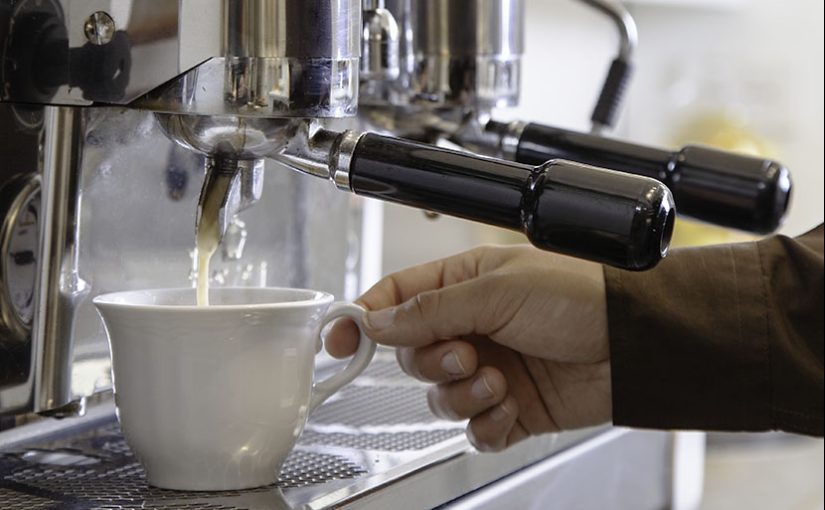
For me, I want to get to know Florence. Of course, I want to see as much of Europe as my schedule (and wallet) will allow. But there’s something special about talking to the same employee at the coffee shop on your street every morning, sipping your espresso (that you’re still getting used to) as you muster up the courage to practice the new word you learned on Duolingo the previous night. Going to see all the museums that Florence has to offer. Spend as many days as you can in the Boboli Gardens and watch all the sunsets you can watch from Piazzalle Michelangelo. Watching old couples walk down the streets of Florence together, hand-in-hand. Telling random people not to buy from the heaping mounds of gelato because it’s a tourist trap. Helping a family take their Christmas card photo in front of the Duomo. Sitting in a crowded coffee shop full of study-abroad kids who are trying to navigate this crazy adventure. Study abroad kids are going through all the same emotions as you, who need a hug from their mom, who are trying to juggle finding normalcy, independence, and friendship in a place they’ve probably never been. 

I think what we all need to remember is to stop moving for a second. Breathe. Look at the Duomo and just breathe. Look at the dark green window panes on the top floor of every street and breathe. Before going out with your friends on ‘Space Wednesday,’ breathe. Staying present is the only way to appreciate what a gift this moment is, right? Because we don’t even have any idea just how good this is all going to get. 

I’ll see you at the end of the semester.

An Accelerated Introduction to Europe: Thanksgiving Edition

Over the course of this semester, I’ve learned how to navigate Italy on my own. But over the course of a week in November, my family, friends, and I learned how to do the same as a lively group of six.

written by Savvy Sleevar for SPEL: Journalism

Everyone, Meet Europe

When your mom, grandfather, and three best friends visit you in Florence at the tail end of your semester abroad, your resumè expands in an instant. You become a tour guide, a concierge, an amateur Italian historian, a (mediocre) translator, and a transportation liaison all at once.

Navigating Italy for the first time as an American college student is pretty daunting, but when I hosted six guests in my new home away from home for American Thanksgiving, I knew I had to bring my A-game — whatever that looked like.

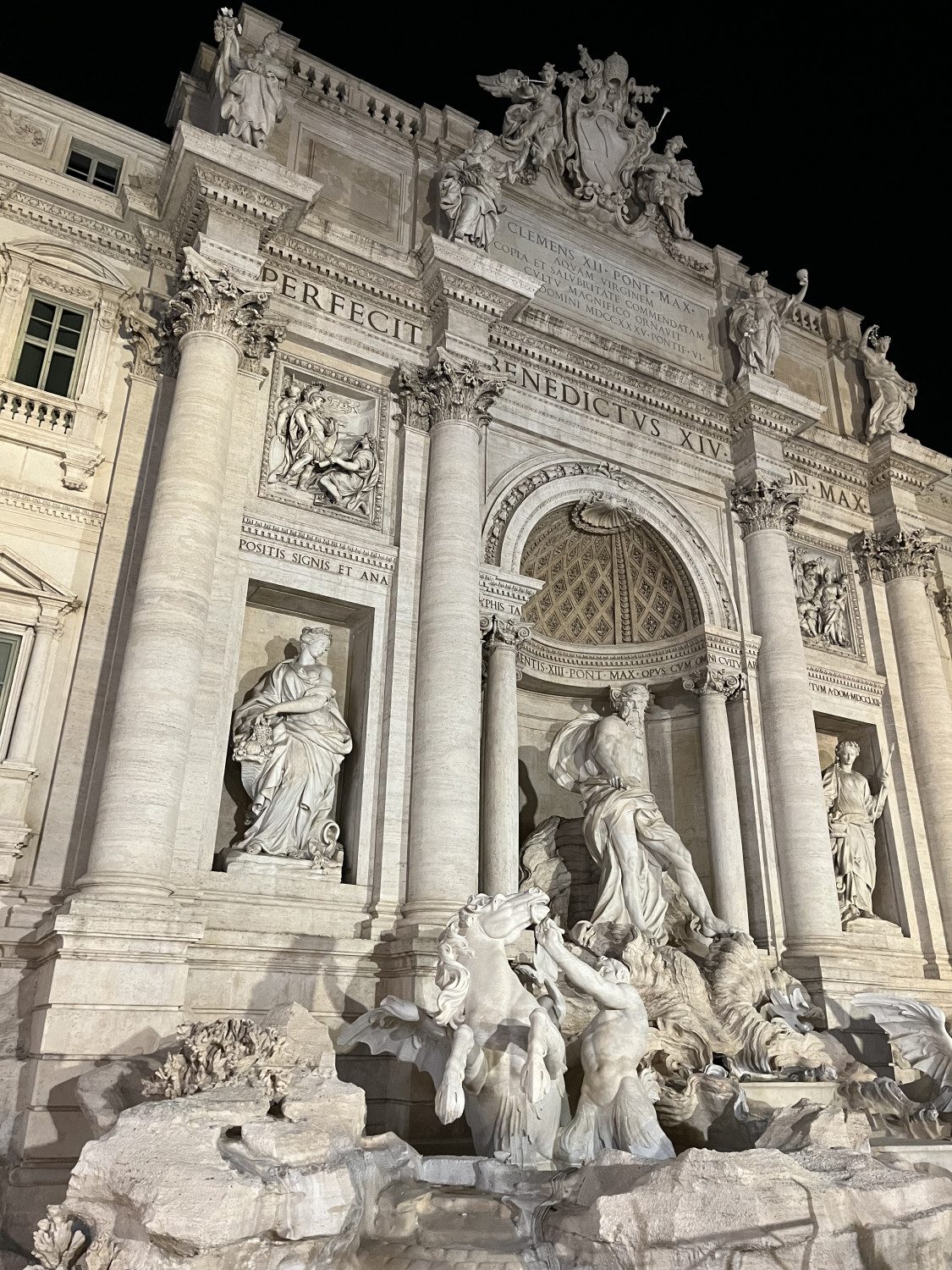
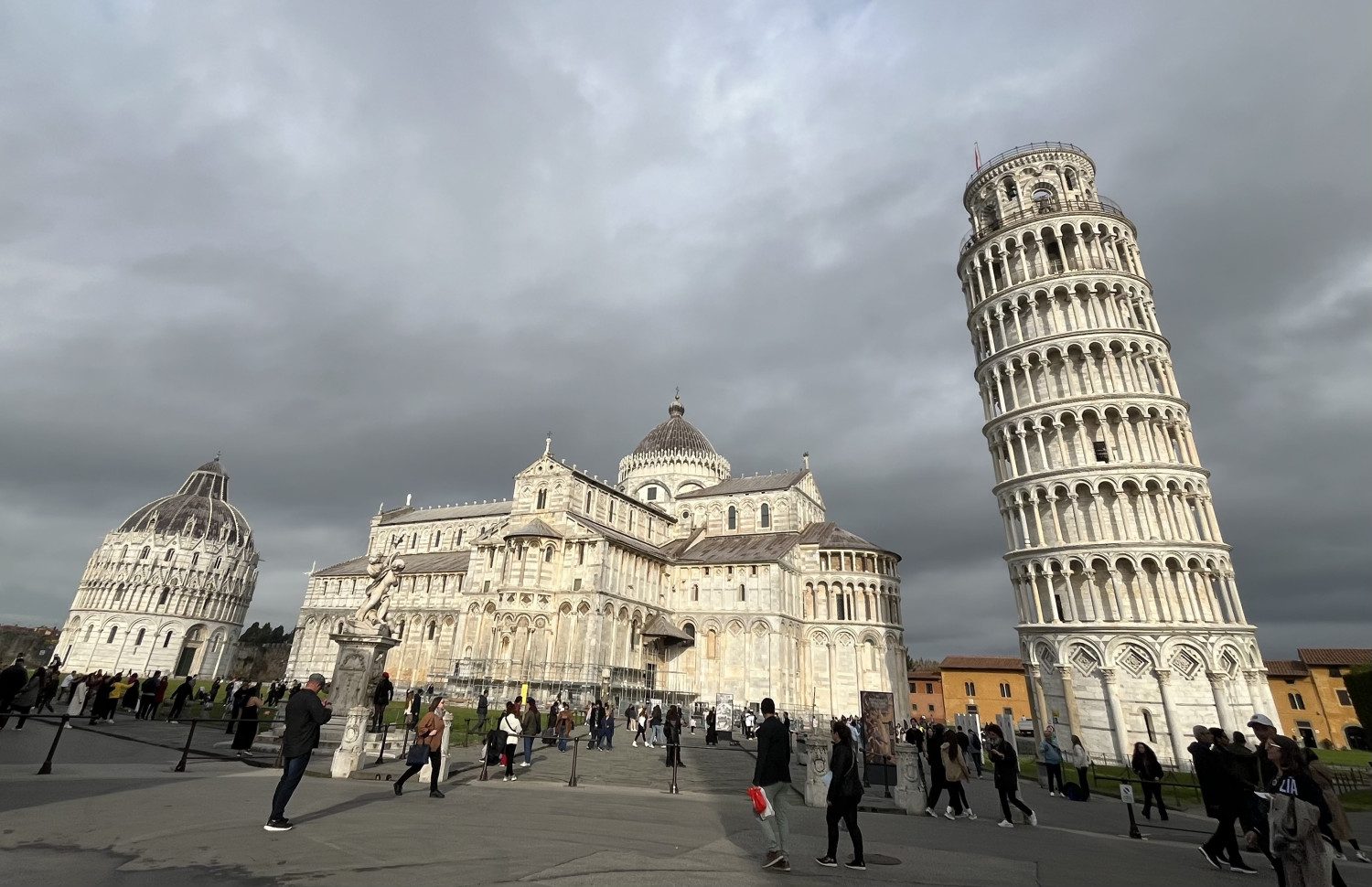
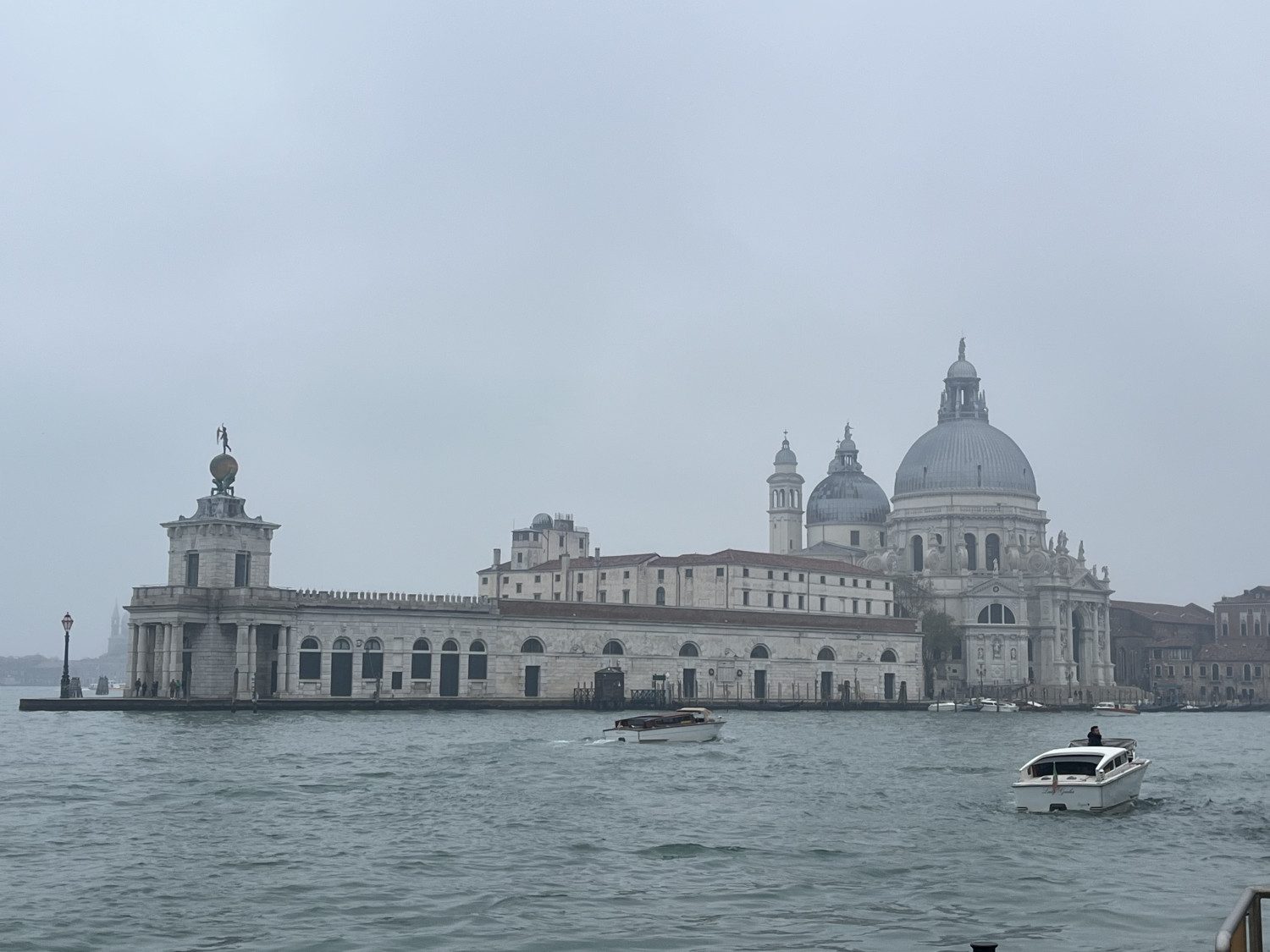
Over the course of a week, we checked off the boxes on one of the most extensive travel itineraries that I’ve ever seen. I’m talking Rome, Florence, Pisa, Venice, and Athens, all in a matter of days. (Sleep-deprived is an understatement.)

Jam-packed with chaos, mistakes, unforgettable views, and incredible company, I can’t say we enjoyed every second of it, but I know we wouldn’t trade our European adventure for anything. 

A few highlights:

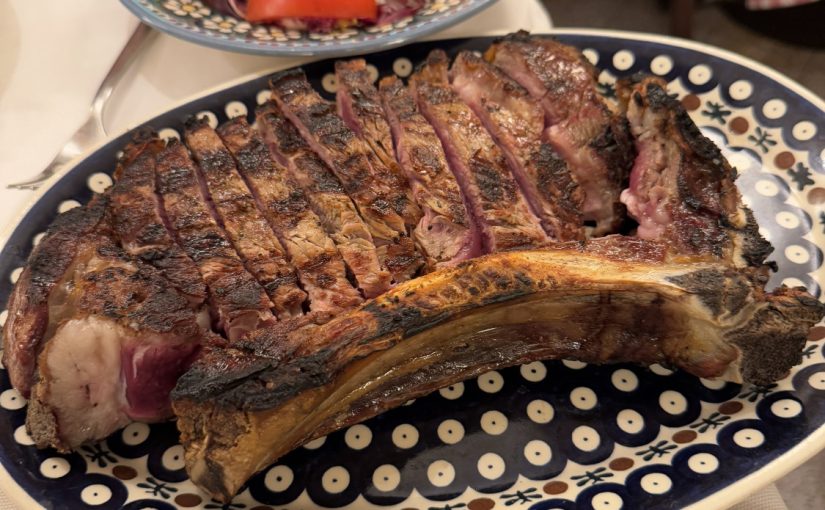
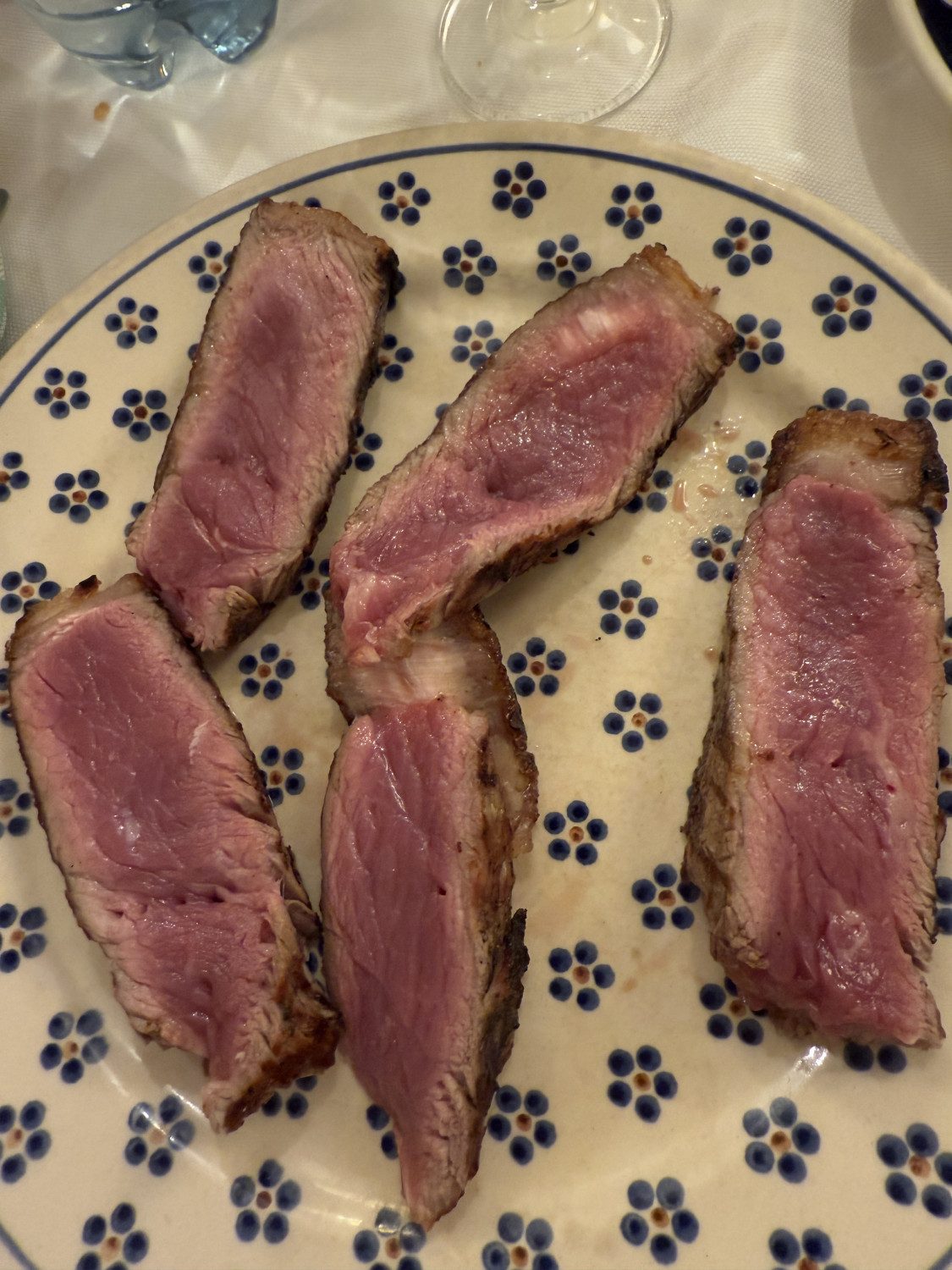
1. Tried Florentine steak with Chianti Classico at dinner with my family. Fell in love. My grandpa was particularly amused by the wine’s signature rooster label, pointing it out on future bottles of the stuff. 

2. Spent Thanksgiving in Athens with my friends. Got lost downtown. Saw the sea. Made a valiant attempt at using the tram. 10/10 experience.

3. Went to see the Sistine Chapel in Vatican City. All that neck craning was so worth it.

4. Woke up at 3:30 a.m. to fly from Venice to Athens. If I ever book myself a flight like that again, someone, anyone, please stop me. 

5. Received a detailed review of the Italian McDonald’s menu from my friends on their first night in Florence, complete with ratings. Glad their experience was just as eye-opening as my first taste of European Mickey D’s a few months prior. 

6. Led a (marginally) successful pro-walking campaign, encouraging everyone to ditch the expensive American instinct to call a city cab, and instead, stroll down Italy’s cobblestone streets whenever we could. I felt like a tyrant, but our daily step counts were incredible. 

Fresh Eyes

Even if you’ve passed by a piazza, a bridge, or a historic building countless times before, showing visitors these pieces of Italy feels like you’re seeing them again for the first time.

As I took my guests to get a glimpse of Piazza della Signoria, the Arno River, the Duomo, and the Galleria dell’Accademia, I was wide-eyed right along with them. My urge to take pictures in these now-familiar locations was renewed, and soon, my camera roll was full of group selfies — a visual collision of my American life and my Italian one.

Despite my best efforts to make sure things went off without a hitch, my family and friends’ visit to Europe definitely exposed how green I still am when it comes to some aspects of living abroad. There were times when I couldn’t fully answer all my mom’s queries about the city, and it seems my fluency in navigating the high-speed train system doesn’t translate very well when I need to answer my friends’ specific ticket questions via Snapchat.

Even so, this visit also showed me how much I do know about life here, which felt incredible to share with the people closest to me.

For instance, when my friends first arrived in Florence, I knew treating them to aperitivo at my favorite Oltrarno literary café would be the perfect introduction to Italy. Three months ago, I didn’t know what “aperitivo” or “Oltrarno” even meant. But there we were, sipping and crunching and talking in a space I’d fallen in love with over the course of three months.

Similarly, I was able to make restaurant recommendations with ease as we took a gastronomic tour of Florence, and despite my shaky language skills, I found myself having much fuller conversations with locals in Italian that I didn’t know I had in me.

If we had the opportunity to do everything over again, I can probably think of at least half a dozen things we’d change. But I’ve taken enough European side trips to know that imperfection is an integral part of the experience.

Today’s mistakes will become tomorrow’s funny stories, and even with such a wild travel schedule, I know this trip will become a cherished memory for all of us — and a motivator to, one day, do it all again.

15 Weeks in Italy: A Photojournal

written by Jack Wardynski for SPEL: Journalism

To commemorate my study abroad journey, I decided to use this final blog as a photo journal of some of my favorite spots and sights that I encountered during my 15 weeks here. Some are well-known, others are niche and minor, but they all left an impact on me and helped paint the picture of the country in my head that I will carry with me back to the States.

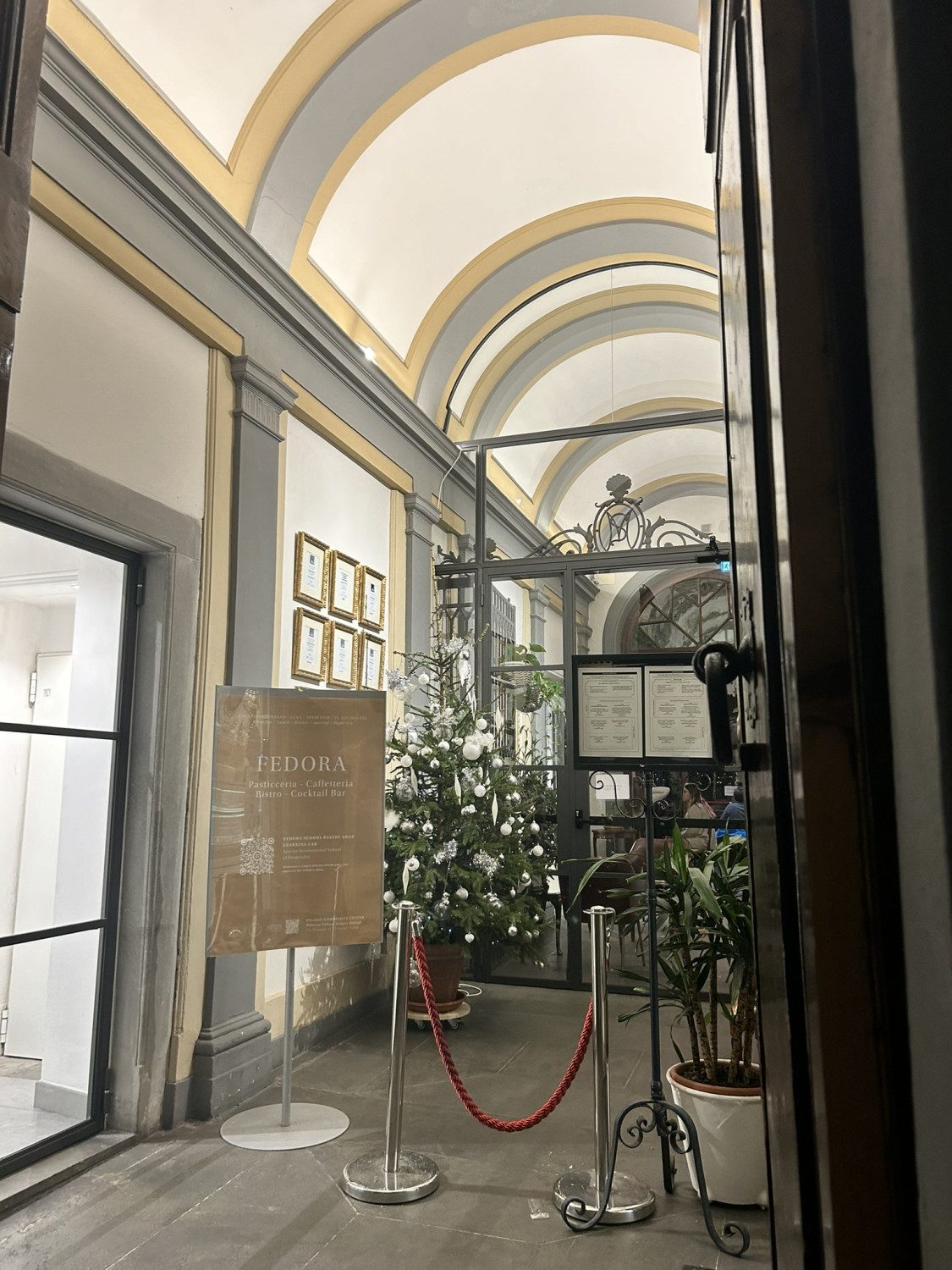
Fedora Pastry Shop (located at FUA & AUF’s Palazzi Community Center)

One of AUF & FUA’s own locations, Fedora Pastry Shop, located on Via Ricasoli, 21 became the staging ground of a daily ritual for me. The café was just a ten minute walk from my apartment, and most days I would make the short trek to grab myself a light breakfast. I tried to embrace the coffee culture while I was in Italy, and I came to enjoy starting my day with a pastry and a cappuccino. Also, it being a school meant that I would often see familiar faces from classes and events, solidifying itself as one of my most appreciated spots in the city.

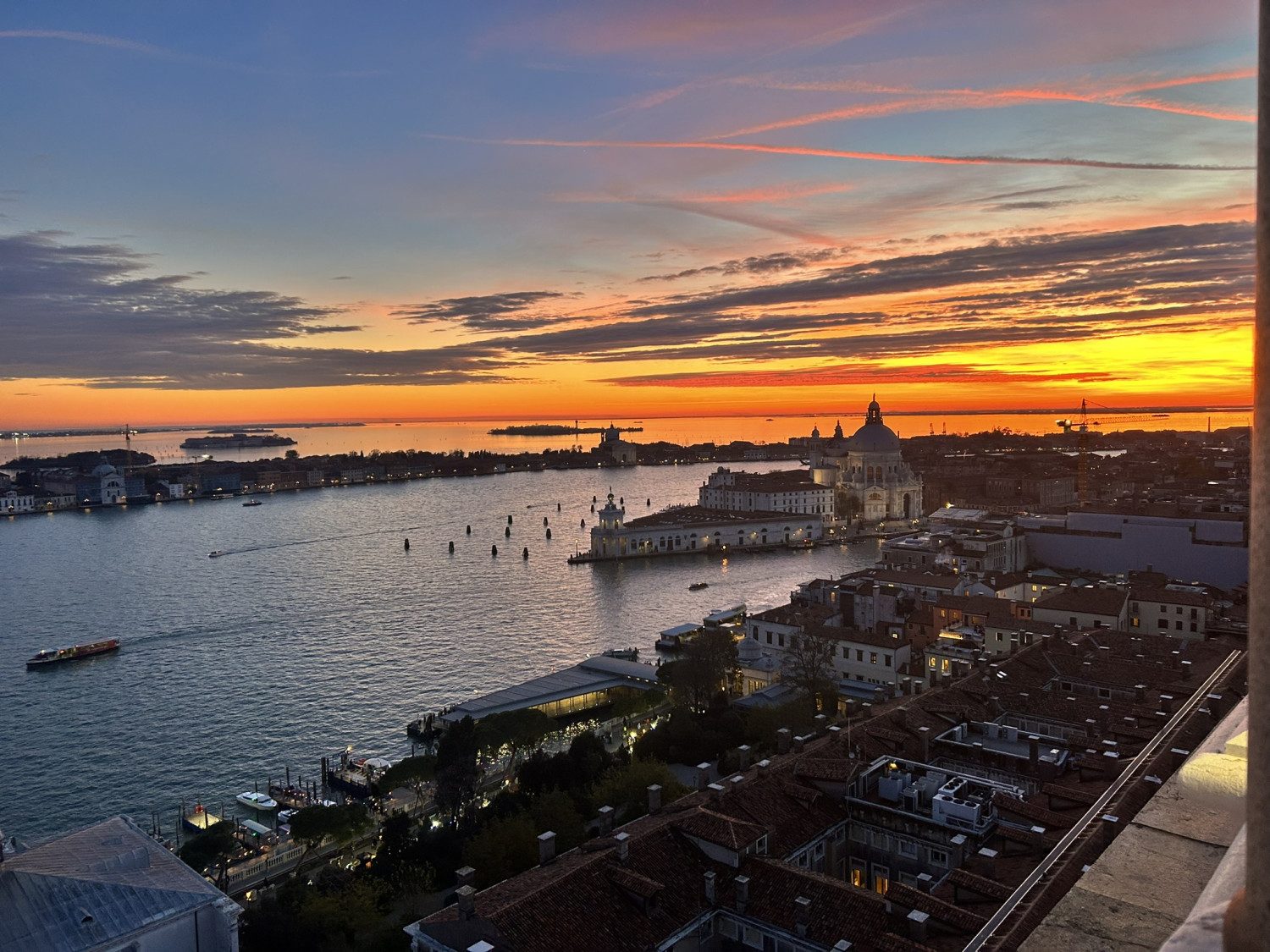
Piazza San Marco, Venice

Piazza San Marco in Venice is one of the more popular attractions in the floating city, and it was a common meeting place for my family while we were exploring. This shot is from the top of the Campanile di San Marco is one of the most beautiful I captured during my semester. The crisp autumn air blew into the top of the tower as we looked out across the city beneath us, and we spent time identifying landmarks on the skyline that stood out to us. Much of the joy of Venice is exploring the undercurrent of canals that snake through the city, but getting this bird’s eye view was incredible as well.

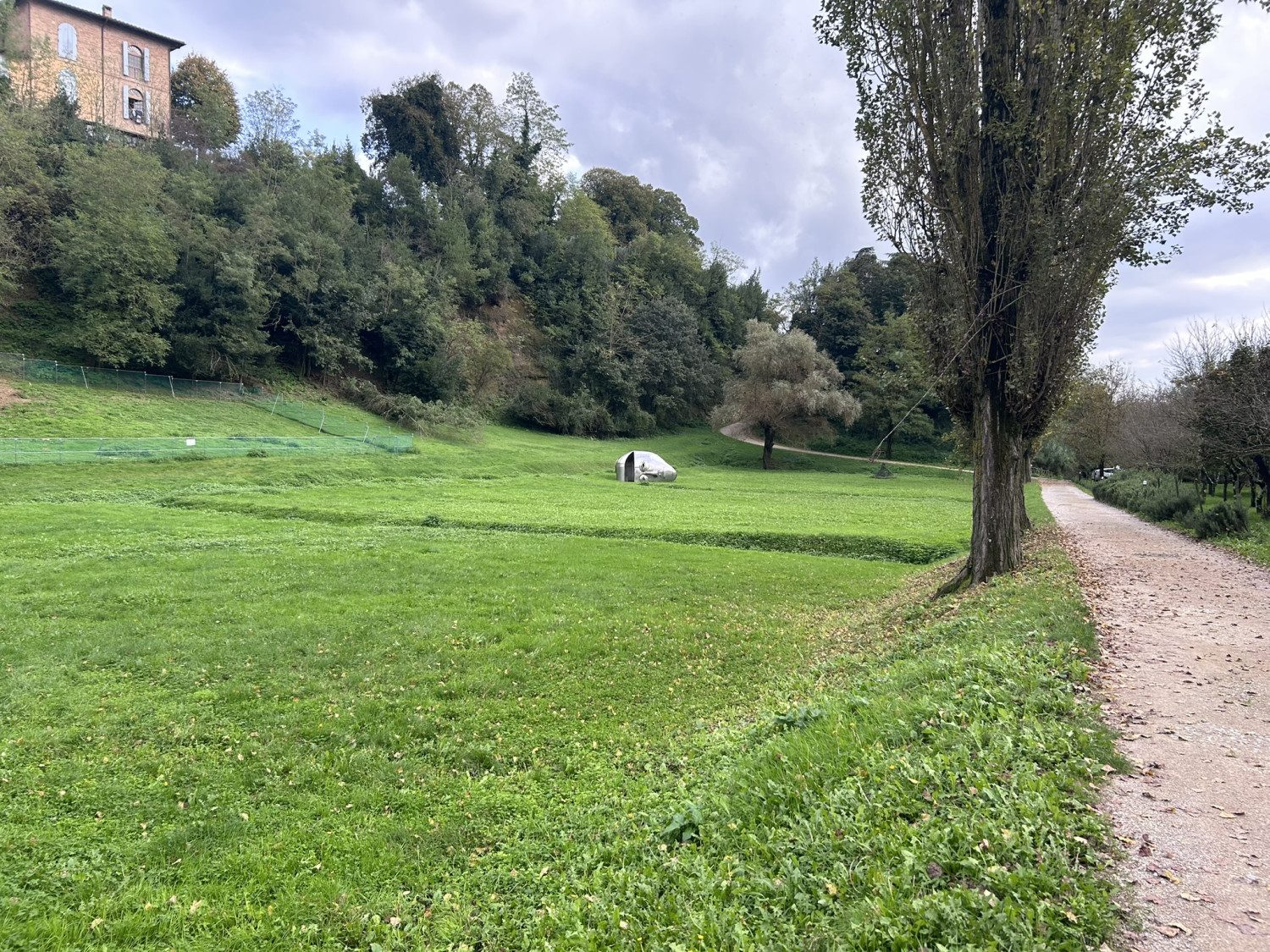
Siena, Italy

Siena was one of the most memorable places that I visited during this trip, and Orto dei Pecci was the piece of it that has stuck with me the most. This community garden near the outskirts of town featured an eclectic assortment of landmarks, from a herd of free-range goats wandering the treeline to this odd sculpture that was placed in the middle of an open field. Something about exiting the hustle and bustle of the town and entering into this strange green haven offered a welcome respite to a long day of traveling.

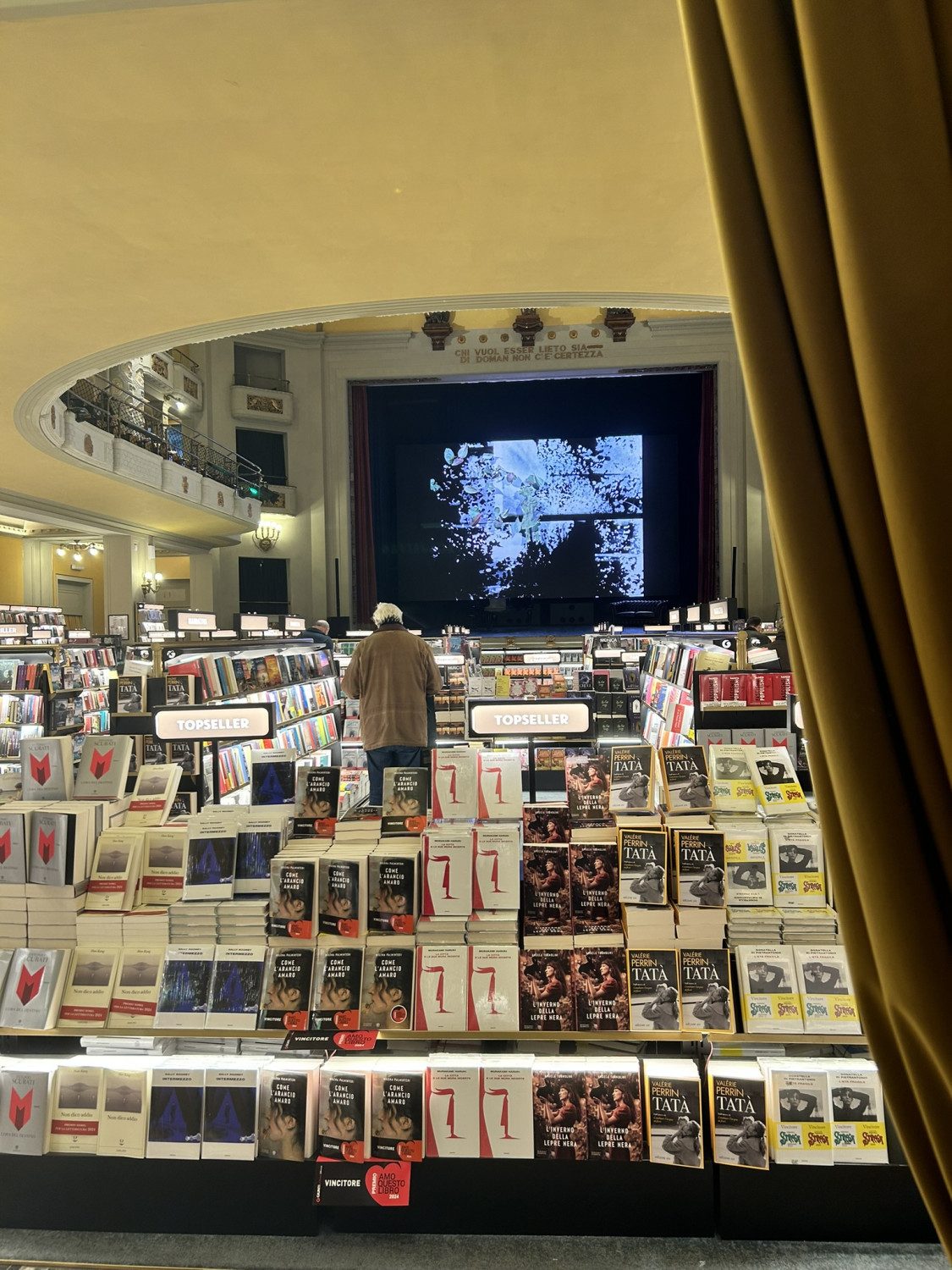
The Giunti Odeon Cinema, located in Florence, Italy

The Giunti Odeon Cinema became an unexpected, but welcome frequent hangout spot for me. After first hearing about it online, I checked it out during my first week in Florence and was drawn in by the unique atmosphere. By day, the place is a bookstore and study center that plays muted films in the background, and at night the store is closed so a movie can be screened like in a proper theater. Getting work done here was a common occurrence for me, and while it was often crowded, the free Wifi and general relaxed vibe made it one of my favorite destinations in the city.

Viareggio, Italy

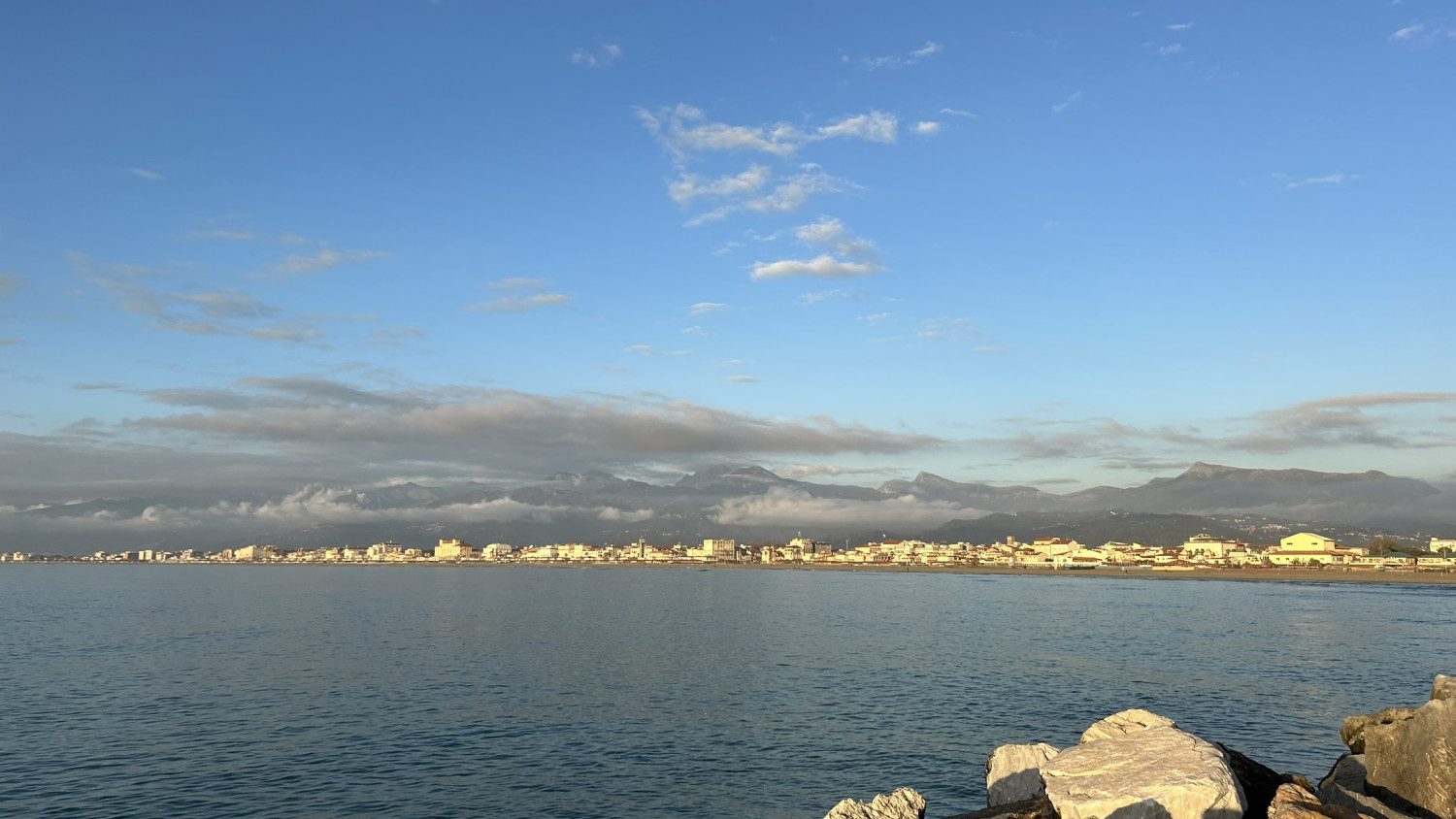
This shot of the seaside town, Viareggio is a particularly stunning one to my eye. This was another place that I visited when my family came to see me, and I initially wasn’t sure what the town had to offer. We ended up renting some bikes from a very kind old woman in the park and rode down the coastline, eventually arriving at the end of a pier. From there, you could see the whole town laid out in front of you, and the view with the cloudline and the mountains in the background was incredible. I will never forget this moment, and I am grateful I got to share it with my family who were experiencing Italy for the first time.

Gatto

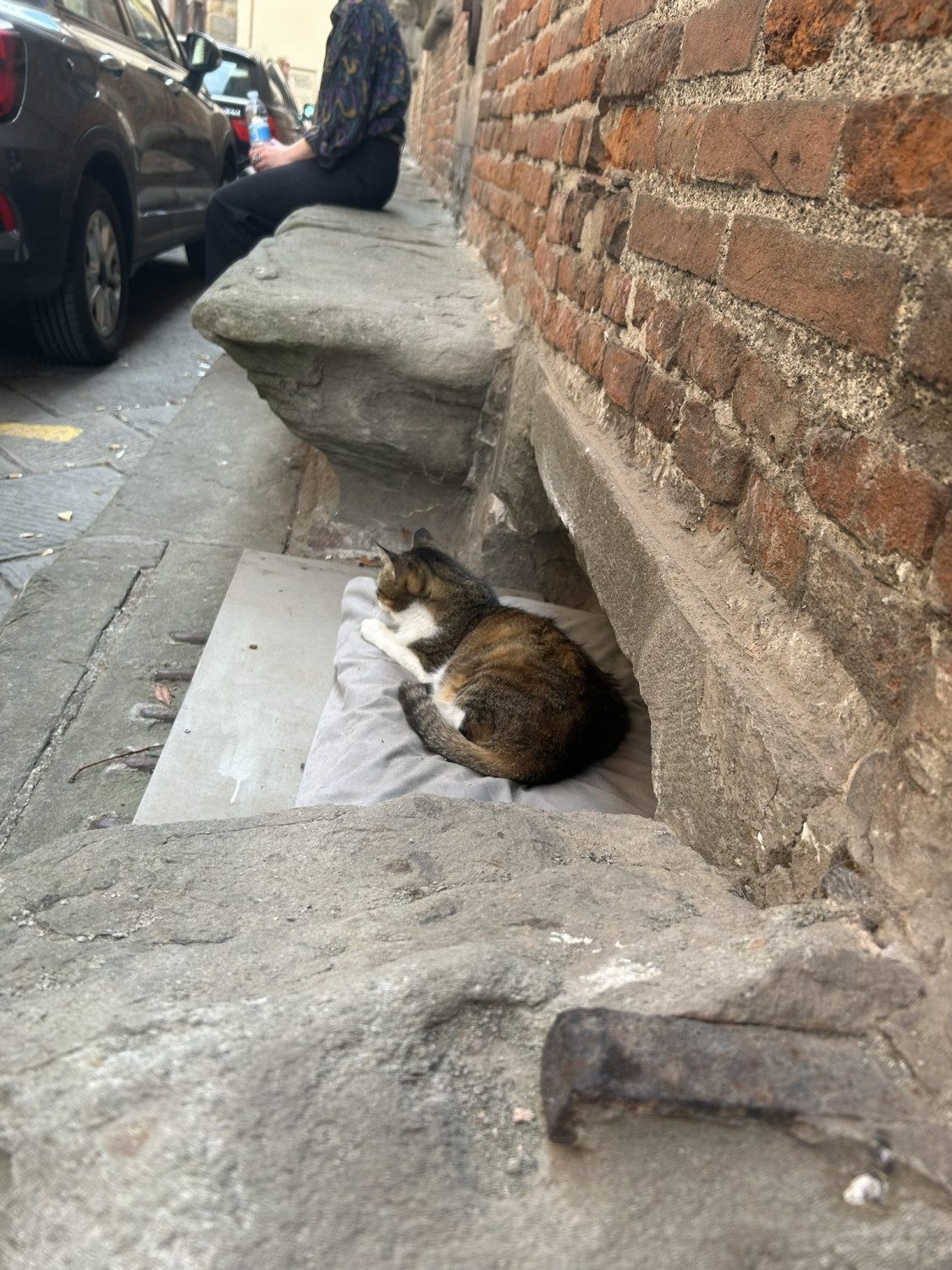
This cat was one of my favorite Italian denizens that I encountered during my stay. I ran into him on the streets of Lucca, the fascinating walled city just to the west of Florence. Lucca was the first place that I visited after arriving in Florence, and spending the day exploring really gave me the opportunity to slow down and relax for the first time since leaving the US. The journey over and the days leading up to it were so hectic, I often neglected the opportunity to take in the excitement of what I was doing. This cat, who seemed so comfortable in his environment, resting on pillows that lined the street like he owned the place, was a role model for me: take a second, chill out, and breathe.

Riomaggiore, Cinque Terre, Italy

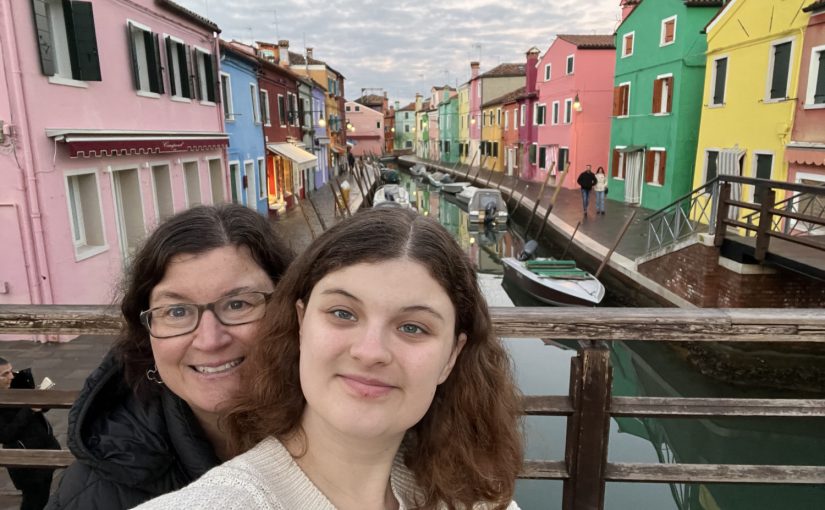
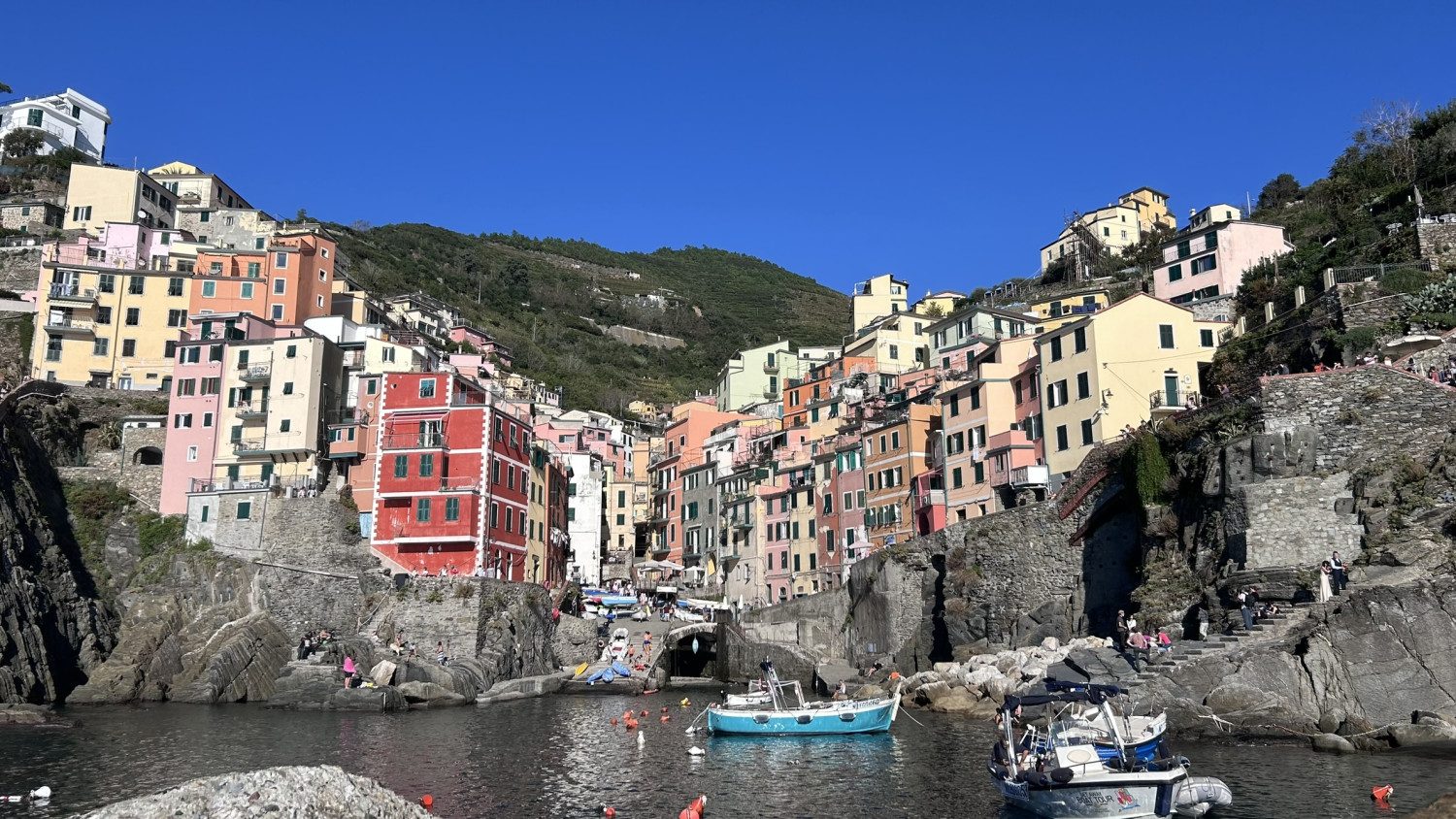
It goes without saying that Riomaggiore, and Cinque Terre as a whole, is one of the most distinctive places in the country. The vibrant, multi-colored houses were totally new to me, and the only other place that mimicked this style that I saw was the island of Burano in Venice. I had some delicious seafood in Riomaggiore, and then spent the rest of the afternoon exploring all of its little nooks and crannies. More than anything, I wanted to witness things while studying abroad that I may never see again, and that was certainly the case here, as no town back home can really mimic this.

Trastevere, Italy

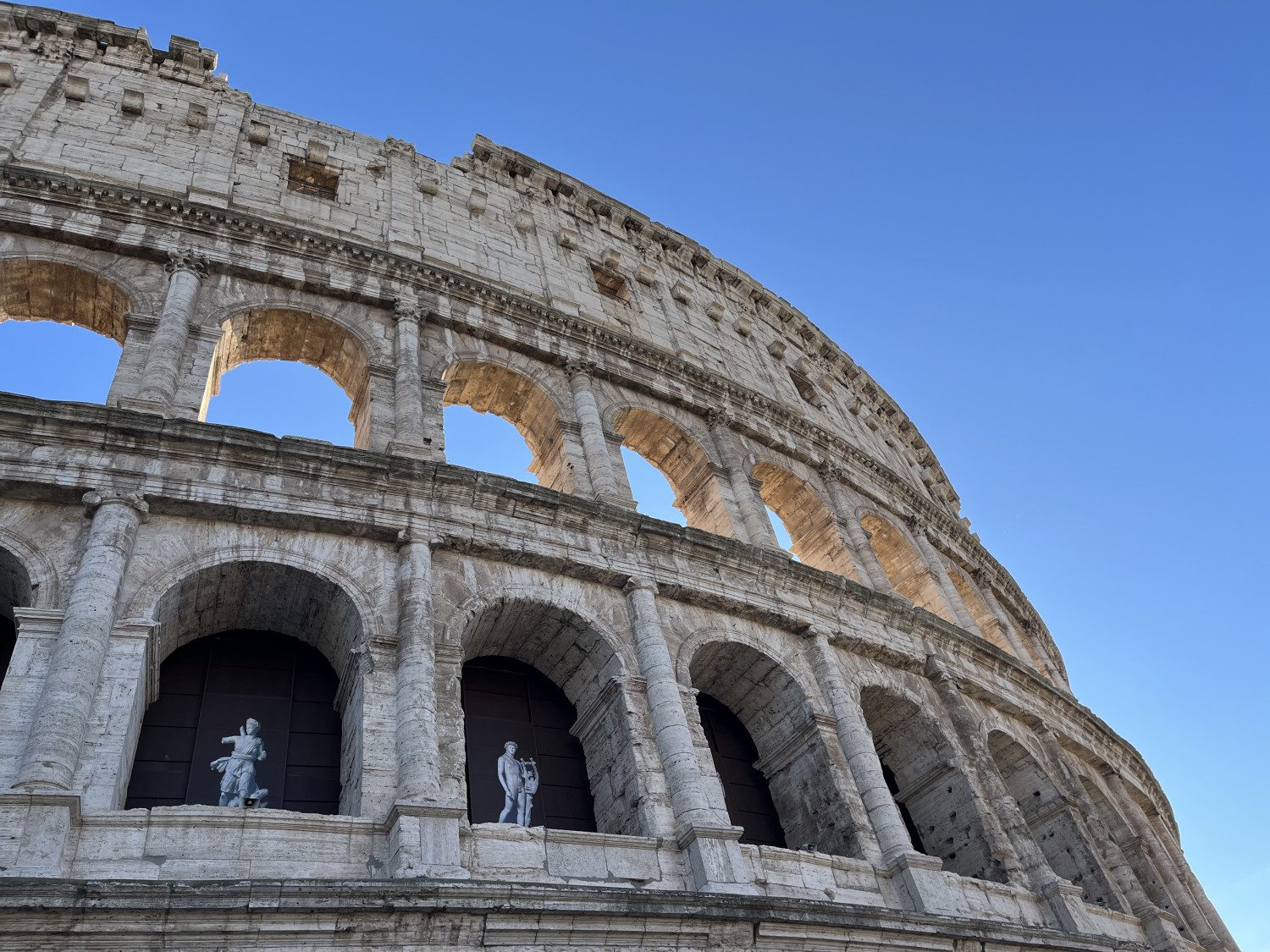
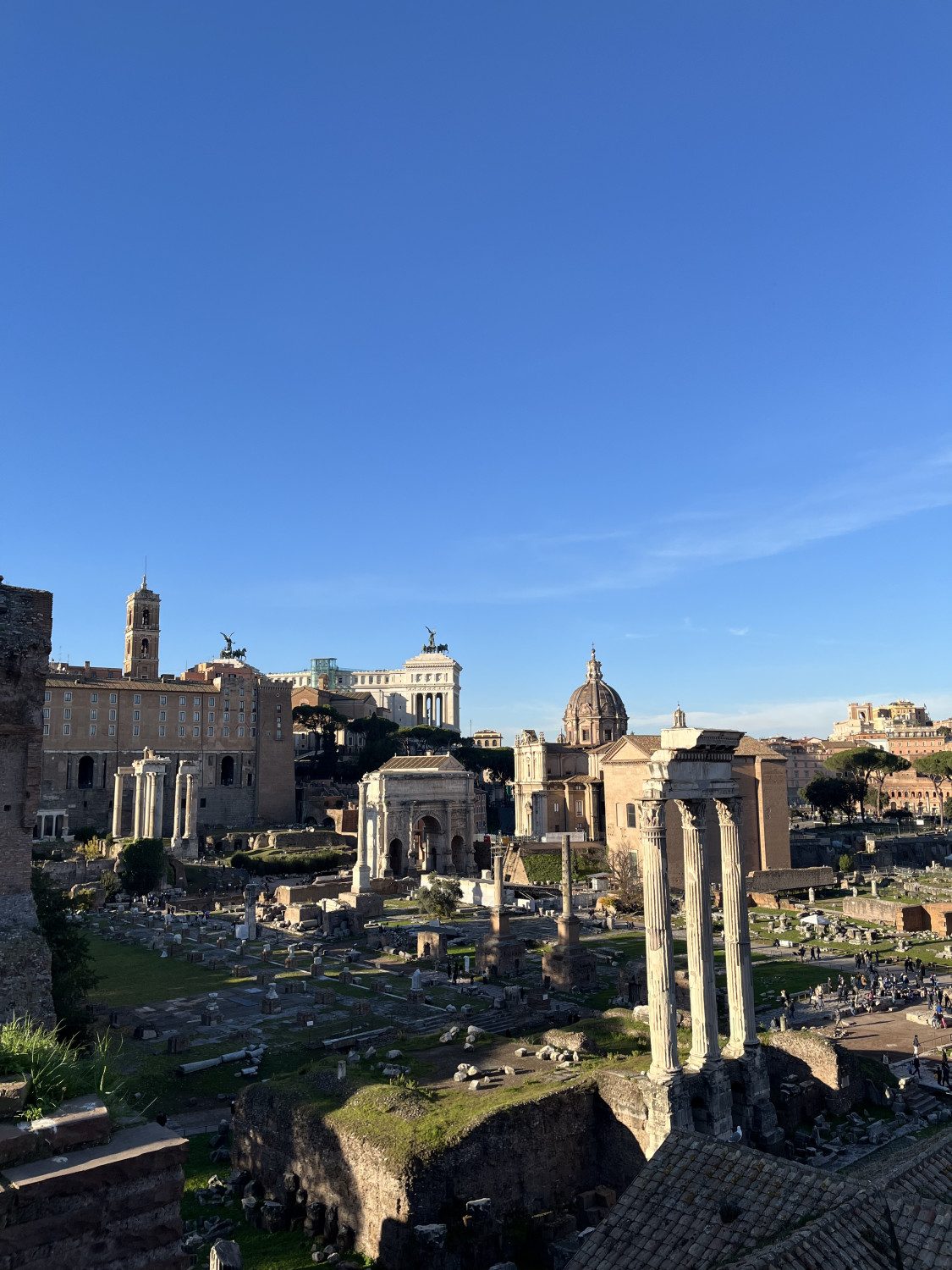
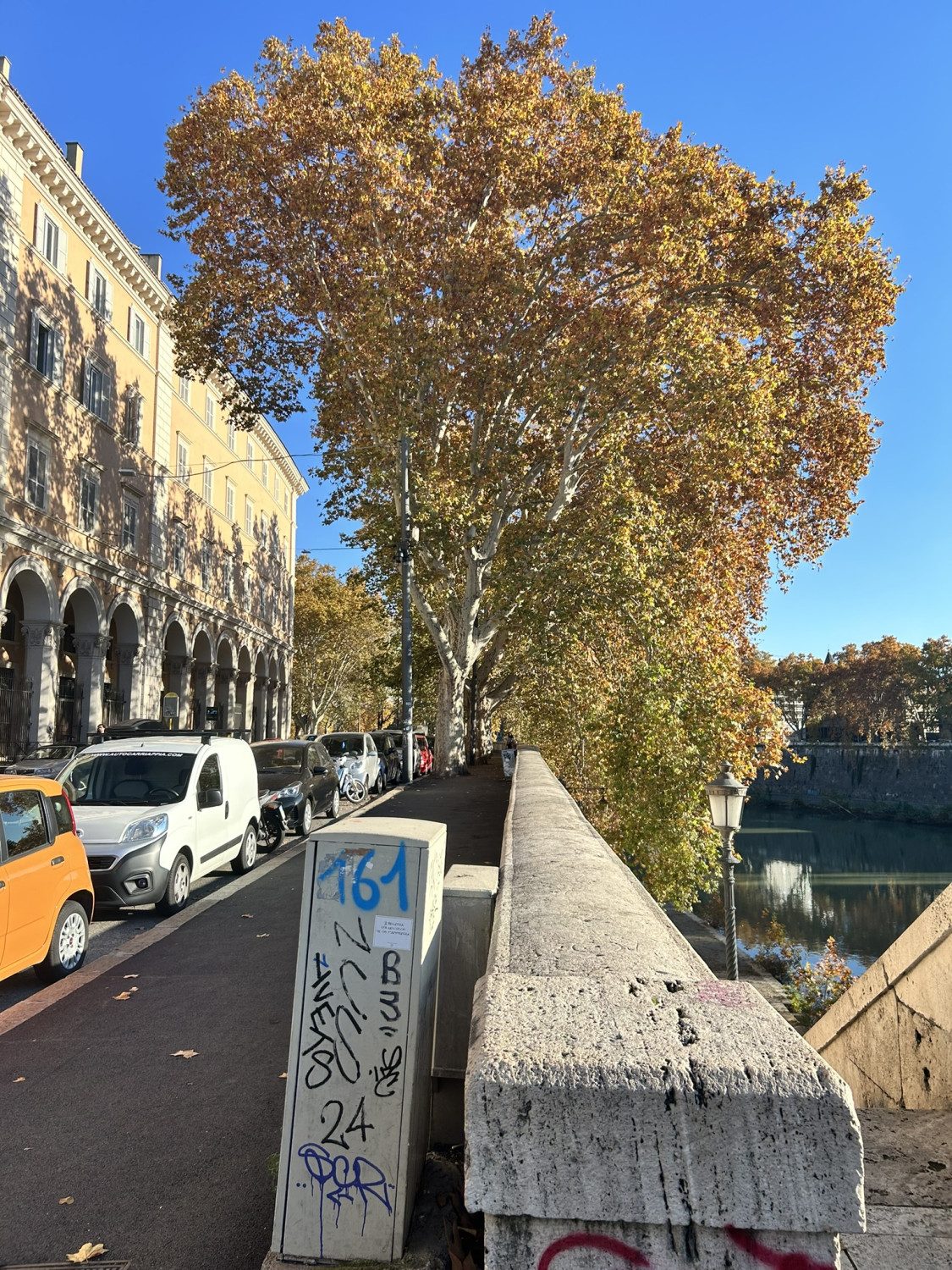
The days I spent in Rome were fascinating to me. It had such a different feel to it than anywhere else I went in Italy, and the mixture of ancient architecture with modern infrastructure and culture made for an irreplicable blend. For me, however, I was most pulled in by Trastevere, a generally low-energy neighborhood just outside the city center on the west side of the Tiber River. This was where I found the best restaurants in the city, and in general the more relaxed mood offered a soothing refresher from the hectic sights and sounds of the Eternal City. It lacked the iconic landmarks one typically associates with Rome, but I would recommend anyone traveling to the city to check it out.

Basilica di San Miniato

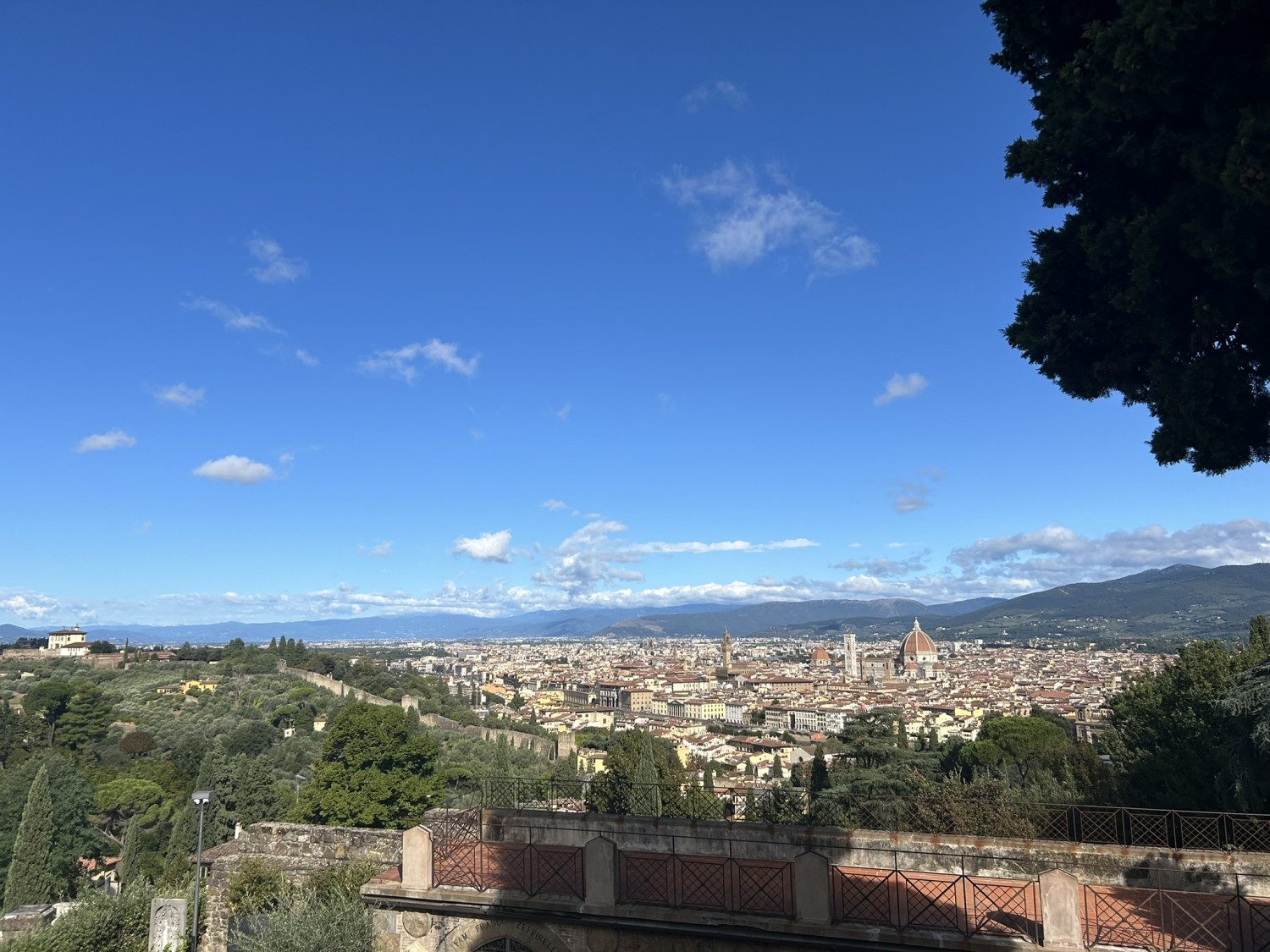
For my money, the best view of Florence can be found here at the Basilica di San Miniato. I discovered this spot during a walking class conducted by an FUA professor, and it instantly clicked in my mind as a place that I will remember for the rest of my life. Located just a short hike from the crowded Piazzale Michelangelo, the Basilica gives you such an incredible perspective on the city, and for me, going up there during my first month here was so valuable. When I think back on my time spent in Italy, the sights from outside this tranquil abbey will be one of the first things I picture in my mind’s eye.

Uniendo Culturas

The Beauty of Finding Home in Another Country

written by Paula Simon Borja for SPEL: Journalism

Han pasado cuatro meses desde que llegué a Florencia, una ciudad que parece suspendida entre el arte de su pasado y el desorden vibrante de su presente. Vivir aquí era un sueño que me había acompañado desde hace años, un anhelo casi romántico que por fin se hizo realidad. Nunca antes había vivido fuera de México, y mi llegada estuvo llena de asombro y pequeños descubrimientos: las cúpulas imponentes que recortan el cielo, los aromas embriagadores de la comida que escapan de las trattorias y la música de la calle que parece marcar el pulso de la ciudad. Desde el primer momento, algo en Florencia resonó en mi interior. La calidez de la gente, el ritmo intenso de las conversaciones y la devoción por la comida me resultan extrañamente familiares, como si en este rincón de Italia estuviera redescubriendo pedazos de mi propio país.

It has been four months since I arrived in Florence, a city that seems suspended between the grandeur of its artistic past and the vibrant chaos of its present. Living here was a dream that had accompanied me for years, an almost romantic longing that finally came true. I had never lived outside of Mexico before, and my arrival was filled with wonder and small discoveries: the imposing domes cutting across the sky, the intoxicating aromas wafting from trattorias, and the street music that seems to set the city’s rhythm. From the very first moment, something about Florence resonated within me. The warmth of its people, the lively cadence of conversations, and the devotion to food felt strangely familiar, as if in this corner of Italy, I were rediscovering pieces of my own country.

Entre todas las similitudes, la conexión con la comida es quizá la más entrañable. En Florencia, cada comida es un ritual, un acto que trasciende lo cotidiano para convertirse en una celebración. Recuerdo una tarde en el mercado central, donde los colores y aromas de los ingredientes frescos parecían cobrar vida: quesos curados, panes recién horneados, frutas maduras y embutidos artesanales. Me transportó a los mercados en México, donde los puestos de chiles secos, especias y tortillas recién hechas vibran con la misma energía. Mientras saboreaba un panino relleno de porchetta, pensé en los vendedores y cocineras que, tanto en México como aquí, son los custodios de un saber ancestral, portadores de tradiciones que se comparten a través de sabores y texturas. Visitar el mercado, aquí y allá, es un acto casi mágico que conecta a las personas con sus raíces y da forma a la memoria colectiva.

Among all the similarities, the connection to food is perhaps the most heartwarming. In Florence, every meal is a ritual, an act that transcends the ordinary to become a celebration. I remember an afternoon at the central market, where the colors and aromas of fresh ingredients seemed to come alive: aged cheeses, freshly baked bread, ripe fruit, and artisanal cured meats. It transported me to the markets in Mexico, where stalls of dried chiles, spices, and freshly made tortillas hum with the same energy. As I savored a Schiacciata, I thought of the vendors and cooks who, both in Mexico and here, are the custodians of ancestral knowledge, carriers of traditions shared through flavors and textures. Visiting the market, here and there, is a near-magical act that connects people to their roots and shapes the collective memory.

Pero no todo son coincidencias agradables. En una de mis primeras semanas, fui a registrar mi residencia temporal. Llegué temprano, con todos mis documentos en orden, solo para descubrir que las filas eran interminables y los procesos, laberínticos. Fue una experiencia que me llevó de vuelta a las oficinas gubernamentales de Ciudad de México, donde la paciencia es indispensable para navegar la burocracia. En ambas culturas, la burocracia tiene ese peculiar talento para recordarte que, aunque todo avance, hay cosas que parecen resistirse al cambio.

But not everything is a pleasant coincidence. During my first few weeks, I went to register for my temporary residency. I arrived early, with all my documents in order, only to find endless lines and labyrinthine processes. It was an experience that took me back to government offices in Mexico City, where patience is neccesary for navigating bureaucracy. In both cultures, bureaucracy has that peculiar talent for reminding you that, while everything else moves forward, some things seem stubbornly resistant to change.

El caos también se manifiesta en las calles. Las motos y camionetas manejan con una audacia que raya en lo temerario, los peatones desafían las leyes del tráfico con una despreocupación admirable, y los autos parecen fluir más por instinto que por reglas. Este desorden me resulta, curiosamente, reconfortante. Me recuerda al bullicio de las calles mexicanas, al ir y venir caótico pero lleno de vida que define nuestras ciudades. Incluso la suciedad en las esquinas, los restos de una noche animada, tienen ese aire familiar que habla de la humanidad que late en cada rincón.

Chaos also manifests in the streets. Bikes and vans drive with an audacity that borders on recklessness, pedestrians defy traffic laws with admirable nonchalance, and cars seem to flow more by instinct than by rules. This disorder feels, oddly enough, comforting. It reminds me of the bustle of Mexican streets, the chaotic yet vibrant movement that defines our cities. Even the litter in the corners, remnants of a lively night, has that familiar air that speaks of humanity pulsing through every corner.

Hay, sin embargo, aspectos más oscuros que conectan a Italia y México. Al poco tiempo de estar aquí, comencé a notar cómo ciertas dinámicas de poder impregnan la vida cotidiana de manera sutil pero innegable, como un murmullo constante que todos escuchan pero pocos mencionan abiertamente. Pensé inevitablemente en las redes de crimen organizado en México, en cómo sus historias se entrelazan con la realidad diaria, moldeando una parte del carácter colectivo. En ambos países, estas sombras son reconocidas pero no permitidas a definir la identidad por completo. Hay una resistencia a ceder el alma de la cultura a estas fuerzas, un esfuerzo por preservar lo mejor de cada lugar.

There are, however, darker aspects that connect Italy and Mexico. Soon after arriving, I began to notice how certain power dynamics subtly but undeniably permeate daily life, like a constant murmur everyone hears but few openly acknowledge. I inevitably thought about Mexico’s organized crime and how their stories intertwine with daily reality, shaping part of the collective character. In both countries, these shadows are acknowledged but never allowed to fully define identity. There is a resistance to surrender the soul of the culture to these forces, a determination to preserve the best of each place.

El machismo es otro terreno común, aunque aquí se manifiesta de formas distintas. Las historias de las mujeres italianas que luchan por sus derechos me recordaron las marchas multitudinarias de México, los cantos y los gritos de justicia que llenan las calles cada 8 de marzo. En ambas culturas, la lucha por la igualdad y la dignidad es un movimiento imparable, un eco que atraviesa fronteras y conecta a quienes se niegan a aceptar la desigualdad como destino.

Patriarchy is another shared terrain, though it manifests differently here. The stories of Italian women fighting for their rights reminded me of the massive protests in Mexico, the chants and cries for justice that fill the streets every March 8. In both cultures, the fight for equality and dignity is an unstoppable movement, an echo that crosses borders and connects those who refuse to accept inequality as destiny.

Y luego está el nacionalismo, ese orgullo ferviente que tanto italianos como mexicanos llevan en la sangre. Aquí, como en México, hay una devoción por proteger la lengua, las tradiciones, la historia. Pero también hay una solidaridad implícita, una lealtad silenciosa que parece decir: “En las buenas y en las malas, los tuyos siempre serán los tuyos.” Es algo que siento en los pequeños gestos, en la manera en que se cuidan entre sí, en cómo defienden lo suyo con pasión y amor.

And then there is the undeniable nationalism, that fervent pride that both Italians and Mexicans carry in their veins. Here, as in Mexico, there is a devotion to protecting language, traditions, and history. But there is also an implicit solidarity, a quiet loyalty that seems to say: “Through thick and thin, your people will always be your people.” It’s something I sense in the small gestures, in the way they care for one another, in how they defend what is theirs with passion and love.

Ahora, mientras miro por la ventana de mi pequeño departamento florentino, las campanas de una iglesia cercana resuenan con una melodía que ya me resulta familiar. El aroma de una trattoria invade el aire, mezclados con el eco de pasos sobre los adoquines. Pienso en los sonidos vibrantes de México, en el calor del sol que abraza incluso en invierno, en los volcanes que custodian el horizonte de mi país. Las diferencias entre estas dos culturas son apenas un matiz. En el amor por la vida, la comida, la familia y la resistencia ante la adversidad, somos, al final, mucho más parecidos de lo que jamás imaginé.

Now, as I look out the window of my small Florentine apartment, the bells of a nearby church ring with a melody that has already become familiar. The aroma of a trattoria fills the air, mingling with the echo of footsteps on cobblestones. I think of the vibrant sounds of Mexico, the warmth of the sun that embraces even in winter, the volcanoes that guard the horizon of my homeland. The differences between these two cultures are few. In their love of life, food, family, and resilience in the face of adversity, we are, in the end, far more alike than I ever imagined.
Want to Make the Most of your Time in Florence? 5 Tips to Avoid FOMO!

written by Jaye Conn for SPEL: Public Relations

Curious about how to make the most out of your time during a study abroad experience? Here are five suggestions to help with time management

The moment I landed in Florence, my gut sank as I felt a countdown start in my head. I had only eleven weeks for this once-in-a-lifetime semester abroad. How could I have a fulfilling and satisfying experience in such a short time span, when my friends, who spent nearly five months abroad, said even that wasn’t enough?

I had spent the last few months anxiously anticipating the trip. The Florence Bucket List I had written in my notes app was full of foods to try, cities to visit, and attractions to see. But the ticking clock weighed on me. I had ten weeks, really, as I had to travel home for a week to take the Law School Admissions Test. Nine weeks, if I considered the time commitment of studying for the test and working through the law school application process. On top of that, I would have to balance my academic workload with my free time. I couldn’t imagine that this was enough time to do the things I wanted or settle in, let alone feel like a local.

Although nervous at first, I learned to balance my time and how to make the most of every precious moment. While there are some items on my bucket list that I will have to save for another time, I have had a much more rewarding experience than I ever imagined I could have had.

If you are considering a semester in Florence and are worried about squeezing it all in, here are five tips to help you avoid FOMO and make the most of your time abroad.

1) Don’t Make Escapism a Habit

It’s tempting to retreat into the comfort of TikTok or Netflix, especially when you are adjusting to your new city or just feeling tired. But you didn’t come to Florence to sit on the couch. Push yourself to get up and go to check out that cool market you heard about, even when it’s easier to stay inside.

2) Set (Reasonable) Goals for Your Days

It’s overwhelming to balance academics, social life, and exploring Florence. Set easy goals that will enrich your days without adding too much stress to your life. Go write your essay at a new cafe or go on a walk in a new part of town while you call your friends back home! It is easier than you may think to incorporate new experiences into your daily life.

3) Make Local Spots Feel Like Home

Create routines that will connect you to the city. Find your favorite cafe, make friends with the barista, or frequent a local butcher for your meat. These habits will help you feel integrated into your community, and even start to feel like a local.

4) Be Selectively Spontaneous

Have fun! Say yes to a last minute day trip or a post-dinner gelato run. But also learn when to say no. You can always have a late night at the club with your friends back at home, but you can’t always visit the Leaning Tower of Pisa. Learn how to have fun without jeopardizing the experiences unique to your time in Florence.

5) Actively Reflect on your Experiences

Okay, I know it sounds cheesy, but taking time to reflect on each day will help you feel more accomplished! Whether it’s through journaling, calling home, or looking back through your pictures of the day, take the time to cherish the memories you have made each day.

A Love Letter to Piazza della Passera

Thousands of miles from the comfort of my American neighborhood, this small Oltrarno piazza reminds me of home.

written by Savvy Sleevar for SPEL: Journalism

First Flower

Every summer back home, my dad transforms our backyard into a jungle of flowers. Fueled by a stash of seeds that’s been growing in size and variety for years now, zinnias of every color emerge from the ground and run wild along our fenceline. The colorful horde of blooms dominates the yard for months, and bunches of them often make their way to vases on our kitchen windowsill. No matter where I find one, a zinnia always takes me back home.

The first zinnia I encountered in Italy was in a planter box, right in the middle of Florence’s Piazza della Passera. Raspberry pink and thick with itty-bitty petals, it would be a star in my Illinois garden. I texted a photo of it to my dad, and it received its due enthusiasm.

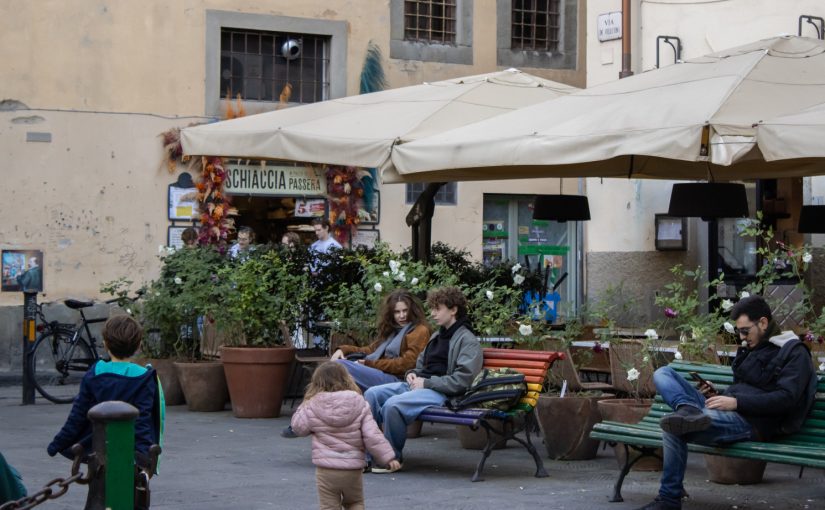
Turns out, I’d become well-acquainted with Piazza della Passera, botanicals and all. This little square, full of fantastic places to eat, grab a drink, and hang out, is just a minute away from my apartment. I walk through it at least twice a day, and through my conversations with Florence residents (plus a helpful glance at The Florentine), I’ve started to piece together the piazza’s history.

Blossoming

Back in the day, I’ve been told, the piazza used to be home to a brothel. Not only does this explain the name “passera,” which has a pretty risqué slang meaning, it also makes the mildly suggestive names of the sandwiches at the nearby Schiaccia Passera even funnier. “Only The Top” is a prime, albeit awkwardly translated example, not to mention my favorite item on the menu.

There is another origin story for how Piazza della Passera got its name, though. It involves a sparrow (“sparrow” is the more direct, PG-rated translation of “passera”) dying in the middle of the piazza hundreds of years ago, instigating the Black Death in Florence — though I personally prefer the raunchier tale.

But no matter how the piazza got its name, its prominence in my neighborhood is undeniable. On weekends, the square is full of Florentines young and old, sampling artisan gelato from Gelateria della Passera, eating a plate of pasta at one of Trattoria 4 Leoni’s outdoor tables, or simply enjoying the night air on the rainbow-colored benches. 

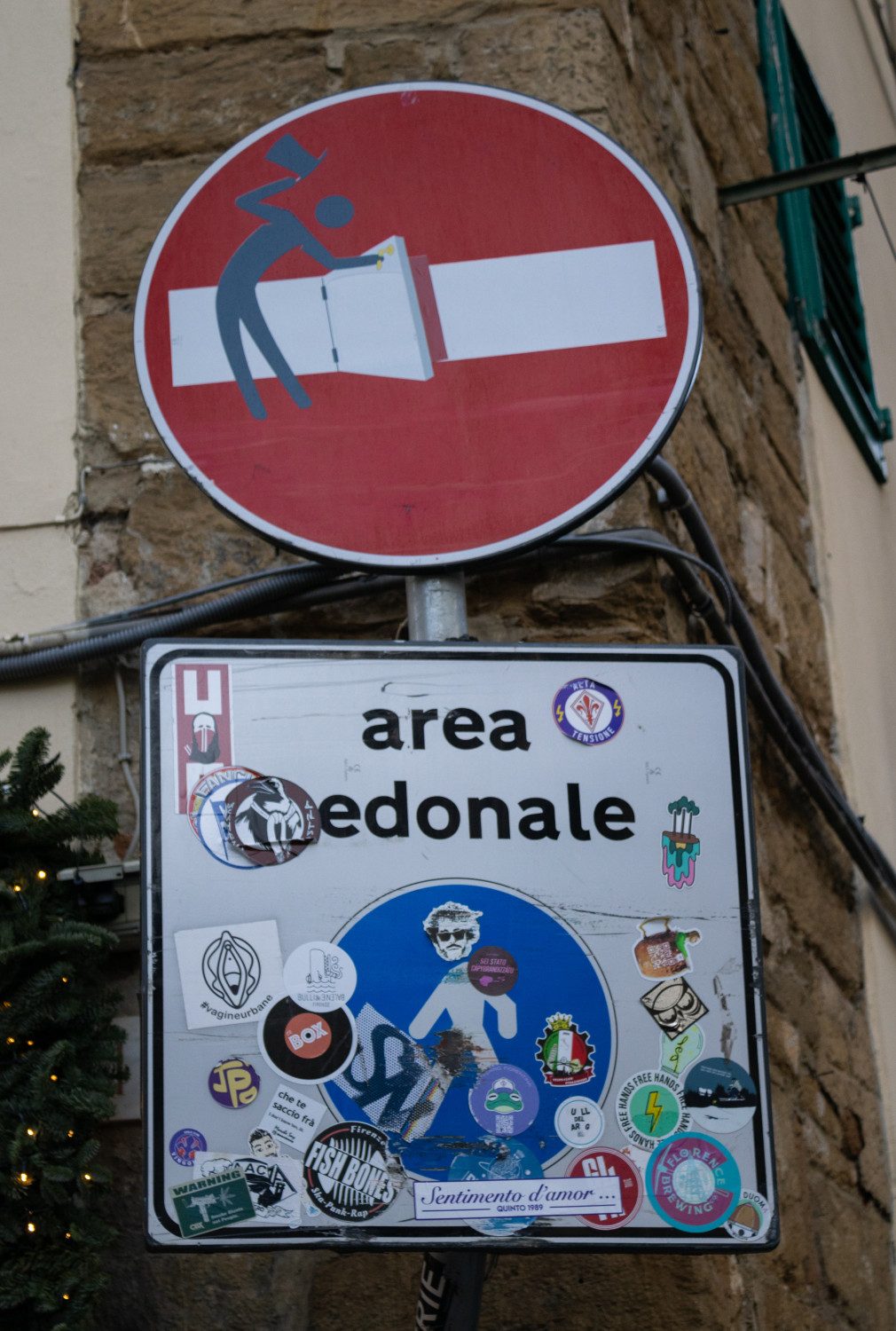
Even beyond the piazza, the eclectic vibe of the main square bleeds into the surrounding streets. Graffiti illustrations decorate almost every building, almost like a trail of breadcrumbs that leads back to my place. Even street signs are canvases for street art, often plastered with layers of stickers and cartoons. And if there’s ever any music in the piazza, the sound of it follows me down the cobblestone street all the way to my apartment.

Still In Bloom

It probably sounds sappy and sentimental, but out of all the sights I’ve seen, and out of all the kind people I’ve met in Italy, the places and faces of the tiny piazza by my apartment have been some of my all-time favorites. The square isn’t grand like Piazza della Signoria, and it may not have the constant stream of foot traffic and street performers that Piazza della Repubblica does, but what it does have is a quintessential Florentine charm that’s hard to put into words.

Through culture shock, travel mishaps, and long days of classes, Piazza della Passera is always there to greet me at the end of my journey home. It’s a familiar landmark that gives me the solace I’m missing. Alternatively, on my particularly good days, when I’ve found a cool new study spot, initiated a successful conversation in Italian, or had an especially fun day in the city, the piazza senses my joy. No matter how I’m feeling, the sight of the square right before I arrive at my front door is something I can rely on.

As for the pink zinnia sprouting in the piazza’s planter box, I was surprised to see the flower remain in its place well into the fall. Thanks to the relatively kind Mediterranean climate, deadheads didn’t appear on the plant until it was almost time for me to start thinking about my upcoming flight home.

When I leave Florence in December after my semester abroad, I have no idea when I’ll be able to return. Until I find the time and funds to travel across the Atlantic again, I’ll only have this image of the city I’ve created for myself, composed of the photos in my camera roll and all the details my faulty memory can hold. I get the feeling, though, that when I see the new batch of zinnias growing in my backyard next summer, I won’t just think of my permanent address, I’ll also think of Piazza della Passera and the home I made for myself in Florence.

A Foreigner’s Unqualified Guide to Gelato

written by Jack Wardynski for SPEL: Journalism

Gelato. I love it, you love it. If you don’t, yes you do. Despite early onset lactose intolerance, I will continue to eat gelato until I can no longer. The dairy-based treat is so good, it seems almost bestowed upon humanity by some higher power, like God extending his outstretched hand to Adam. If you ask me, though, gelato slots above Michelangelo’s Sistine Chapel frescoes on the ranking of greatest human achievements – it probably lands somewhere between the printing press and the motorized carriage.

Who invented this frozen delicacy? Some say the ancient Chinese, some say the Persians, I say some very enlightened individuals. As far as Italy is concerned, it is believed that Florentine architect Bernardo Buontalenti may have invented a version of modern ice cream in the 16th century. We know that the Sicilians got their hands on some sorbet around the 17th century, and from there it spread to the rest of the mainland peninsula.

Like many modern creations, gelato has a vague and fragmented history that will probably never be neatly defined and sorted out. All that matters for us here in the 21st century is that it was made by someone, somewhere, at some point. But what are the best gelato flavors? What are the best flavor combinations? Should it be consumed in a cone, or in a cup? Where should one go to consume such a dessert? After two months of living in Florence, I can confidently say there is no one more qualified to answer these questions than me, a man with zero culinary experience whatsoever.

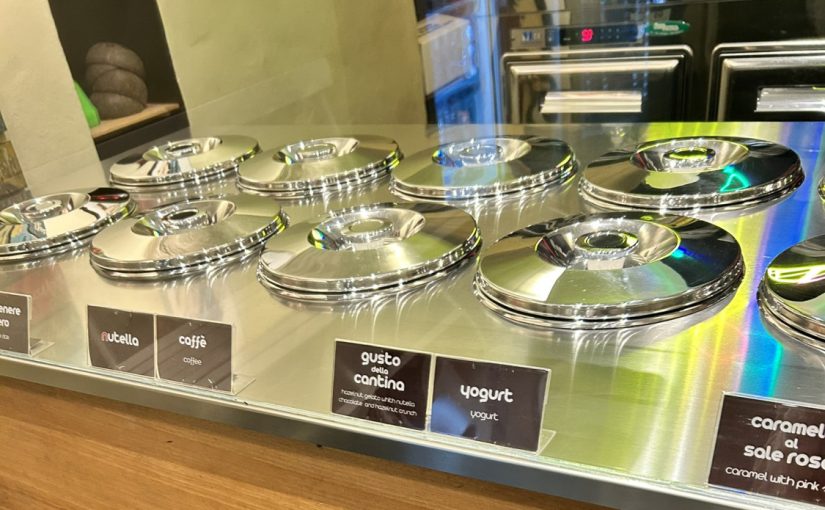
First off, it should be common knowledge at this point to avoid the gelato piled high in the storefront displays, usually with some bits and bobs of fruit or baked goods added for good measure. The best gelato I have found is the kind that you can’t see, hidden underneath the lids of steel containers. While not as visually exciting as the mountains of frozen, multi-colored dessert, the concealed nature of this more authentic gelato makes it perhaps more enticing. The reveal of your treat only upon its placement into your container of choice builds anticipation within your very being for the next ten minutes you will spend consuming it.

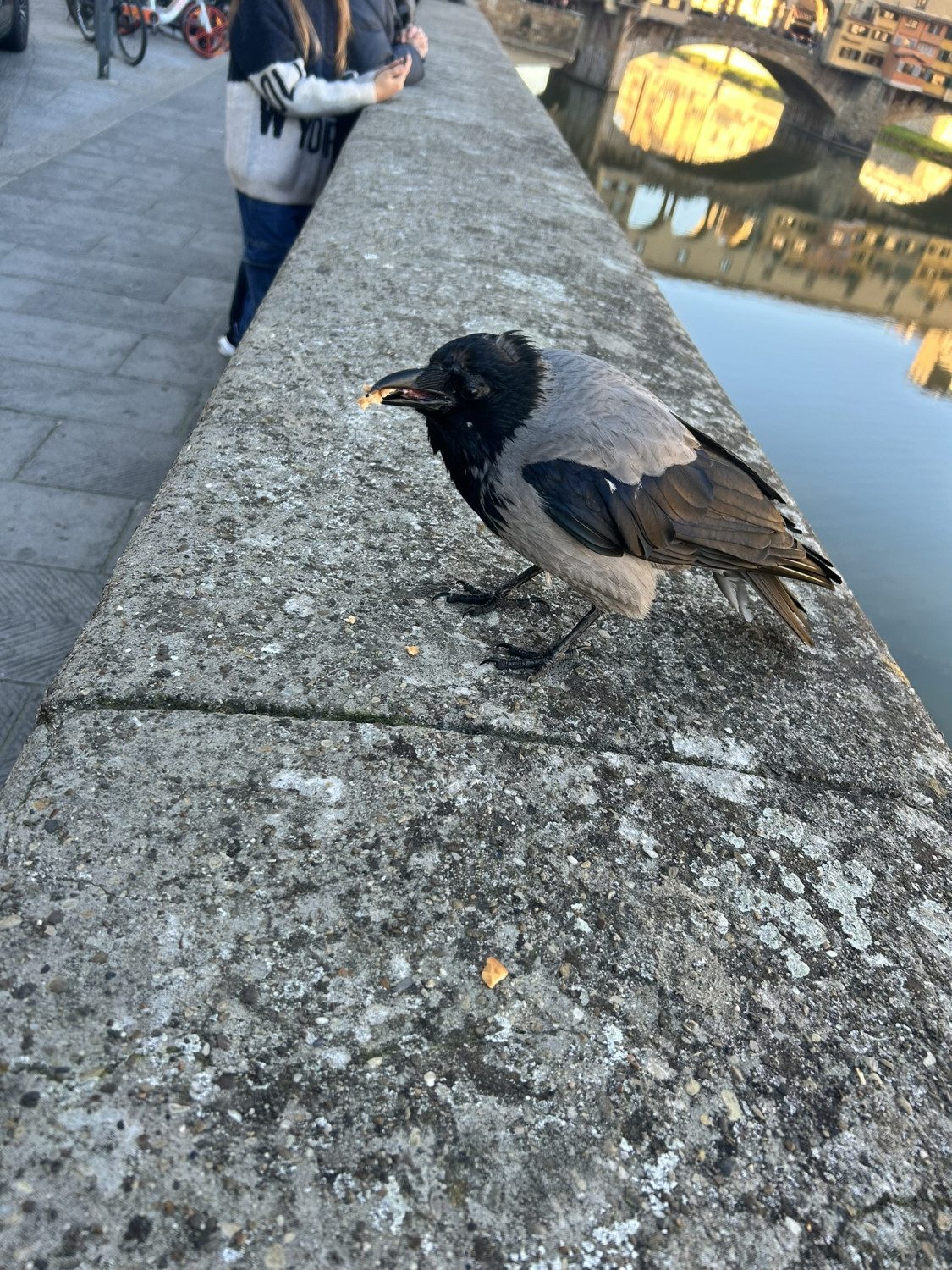
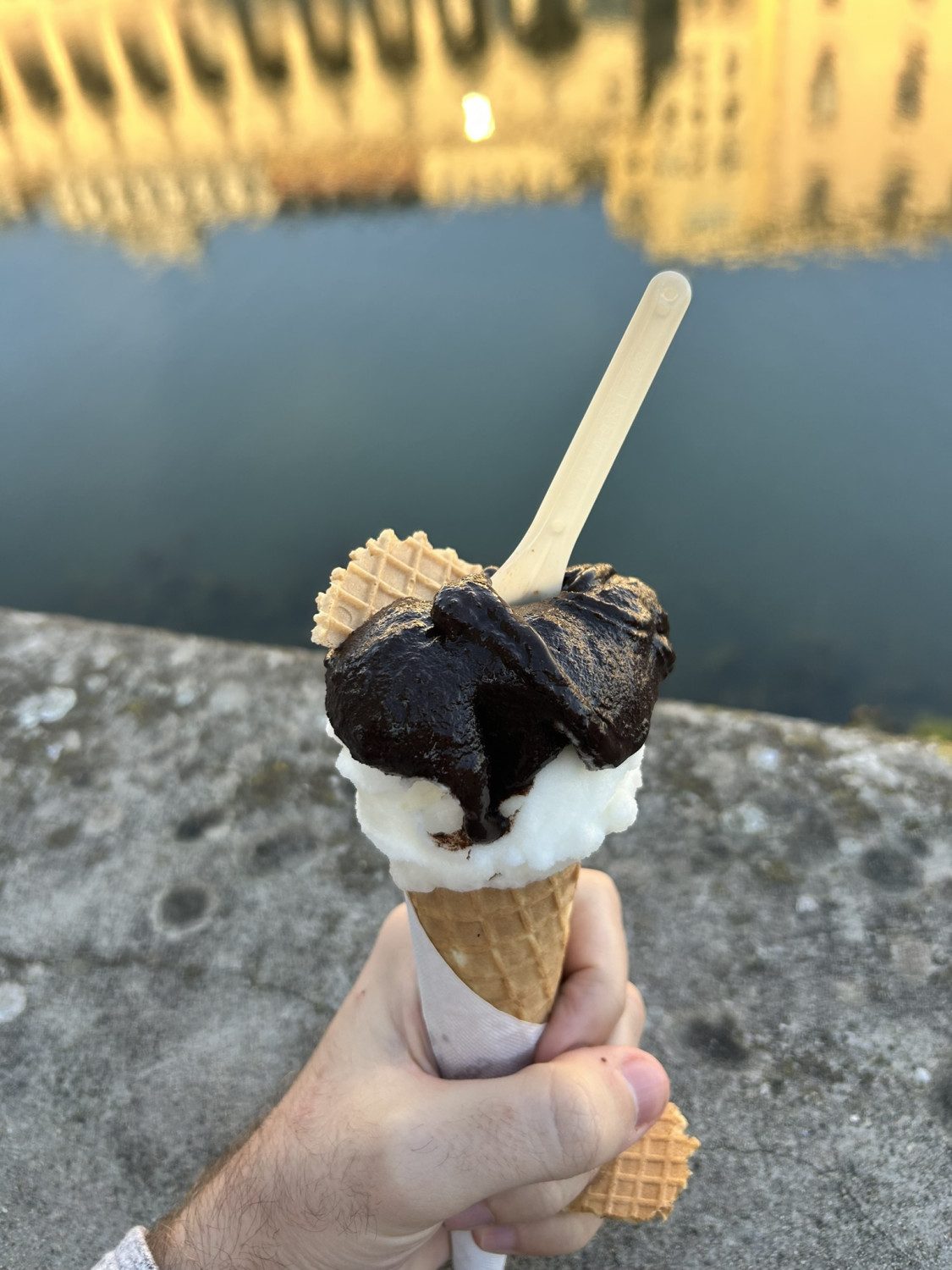
The cone vs. cup debate is one stretching back generations, and I am here to settle it once and for all. For clarity’s sake, I come from the U.S., and in the States, when you get an ice cream cone, you are rarely, if ever, provided with a spoon; licking up the ice cream is your only option. As one can imagine, in the summertime, this results in frequent, tragic messes. The ice cream spilled in the car strikes fear in the hearts of all American parents, and the weak, thin napkins ice cream shops provide are of no help. So my mind was blown the first time I ordered a cone of gelato and was given a complementary spoon. Needless to say, this changes the game completely, as you combine the convenience of the cup with the playfulness of the cone. It’s for that reason that the cone is definitely superior; the toastiness of the cone combines exquisitely with the sweetness of your gelato. Plus, you can break off a piece of your cone and offer it to a nearby bird, and now you have a companion with your gelato as well.

The phrase “less is more” does not apply to American ice cream; for us, more is more. Here, I will invoke my beloved Portillo’s, a chain restaurant native to the Chicagoland area that has been providing my people with beef, hot dogs, and french fries for generations. The beautiful folks at Portillo’s serve an item called the chocolate cake shake, which, of course, is a chocolate ice cream shake with an entire slice of cake mixed in. My personal preference is actually the strawberry lemon cake shake, which is the same thing but with strawberry ice cream and lemon cake. The Midwestern specialty is “food that will put you into a coma.” Suffice it to say, the no-frills, toppings-less style of ice cream here in Italy was a distinct change of pace in my frozen dessert palette. I haven’t seen a single sprinkle since I left home!

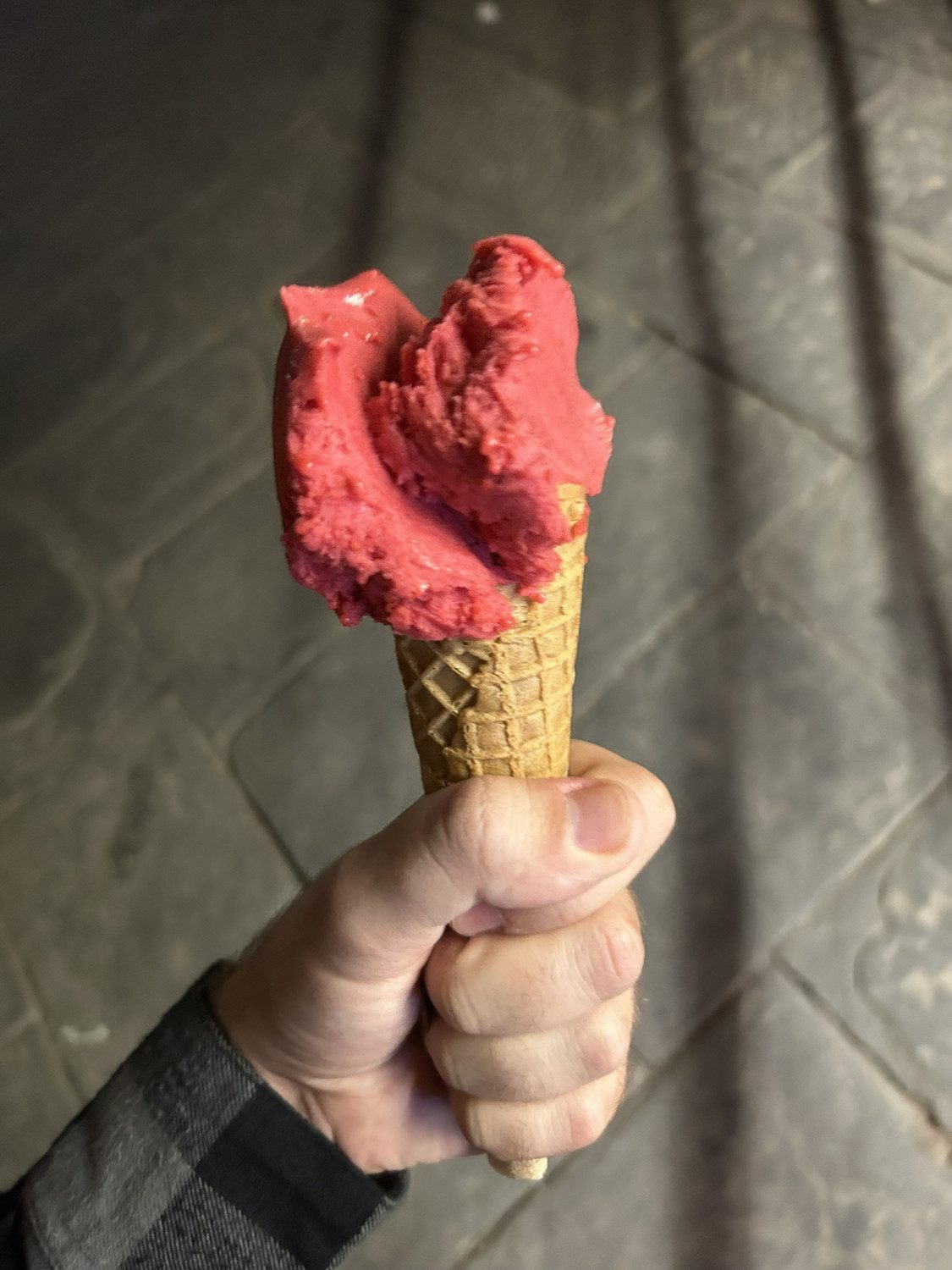
If you’re talking gelato flavors, I find that contrast is really the way to go when looking for the perfect combination. Personally, I am a dark chocolate champion. The bitterness of dark chocolate mixes best with the bright, sweet flavors found in most other gelato. Dark chocolate plus a fruit flavor is the strongest base for your gelato. I fear I may never again have quite as transcendent an experience as the first bite of dark chocolate and raspberry gelato. Strawberry would be a close runner-up with the raspberry, but you could of course sub in mango, orange, lemon, passionfruit, pomegranate, or even pear, which I did find at one spot. For sour and sweet, lemon and raspberry is the clear combination to go with. 

There are a number of quality gelato spots across Florence, many with their own unique flavors and styles. Unfortunately, in just 10 weeks of being here, I have not had the opportunity to sample all of them, but here are some of the best that I have found. La Strega Nocciola, just south of Ponte Vecchio, has a white chocolate and cinnamon flavor that so closely imitates the taste of Cinnamon Toast Crunch it is eerie. I am not even sure if they have Cinnamon Toast Crunch available in Italy, but it is one of the premiere cereals, so having it codified into gelato form is truly a marvel of modern technology. In Piazza Della Passera, you can find the aptly named Gelateria Della Passera. They have a number of unique flavors, including the aforementioned pear, but the Monna Lisa, which somehow works in apple sauce, walnuts, and fleur d’oranger, is the clear standout. Grom’s Crema di Grom is a great toasty flavor that almost tastes like a s’more (do they make s’mores in Italy?).

Some other standout locations: there are two places named Cantina di Gelato, one south of the river on Via dei Bardi and one on Borgo la Croce. North of the Duomo are two spots, another La Strega Nocciola and Carabè on via Ricasoli. There are two shops adjacent to each other in Piazza di San Pier Maggiore, David La Gelateria and Rivareno. La Sorbettiera next to Piazza Torquato Tasso for people further away from the city center. As bonus shoutouts, outside of Florence, I loved the Gelati e Granit in Lucca and La Sorbetteria Castiglione in Bologna.

That’s everything I have absorbed about the intricate world of gelato in just over two months in Florence. I have certainly gained a newfound respect and admiration for the Italian renditions on the dairy treat, though I had no doubt that I would when I arrived here. Though, I cannot say that I fully have converted to the Italian mindset; I still find myself craving a chocolate cake shake from time to time.

A Traveler’s Guide to Enjoying (and Escaping) Bologna

What do you get when you mix a dead phone, a missed train, and a first-time solo traveler stuck in Bologna? A recipe for disaster — and resilience.

written by Savvy Sleevar for SPEL: Journalism

Flying Solo

Before I embarked on my semester-long journey to study abroad in Florence, I had never stepped foot outside the United States. Earlier this year, I had no passport, no overnight flights to speak of, and almost no solo travel experience. Before Italy, my most notable independent excursion was a quick trip to Chicago, which definitely involved a frantic sprint to my platform to catch the Amtrak train home. So, when I finally had a free day to travel during fall break, I figured I should start small.

Bologna, Italy was my natural first choice. It’s just over 100 kilometers from Florence, and a round-trip Regionale train ticket only put me back about 20 euros. Not only was Bologna a safe bet for Baby’s First Italian Day Trip, the city itself is stunning. After I spent the afternoon perusing the local markets, wandering through the miles of colonnades in the city center, and standing awestruck inside Basilica di San Petronio, I wanted to get a glimpse of Bologna from above. But with the famous Asinelli Tower closed for maintenance, Torre dell’Orologio was the only way to get the bird’s-eye view of the city that I was after.

To get to the top of Torre dell’Orologio, the historic clock tower in Bologna’s main square, you need to sign a waiver. The staircase that takes you to the rooftop looks ancient, and it’s steeper than a heavy-duty step ladder. Put simply, you can’t afford to fall. So very, very carefully, I climbed up the steps, putting all my faith in the wooden railing and any remaining traction on my threadbare, 4-year-old HOKAs.

Once I reached the top, though, my precarious journey up the stairs was quickly forgotten. Immediately, I was enraptured by the view.

New Heights

Hey, I say to a low-resolution image of Mom on my phone screen.

Hi, Savvy, she replies. How’s Bologna?

I flip my camera around, replacing the image of my face with the view in front of me.

Oh, WOW! she says.

I spin my phone around to show her the city from every angle, and nearly 8,000 kilometers apart, Mom and I take in the scenery together. We look out at the tiled rooftops on Bologna’s countless amber buildings, the distant green hills speckled with homes and churches, and the statuesque towers and domes beyond the main square. I could have stayed up there all evening, taking endless pictures of the panoramic view, but I knew I had more to see at ground level. After hanging up with Mom and taking one last look at the breathtaking Bolognese skyline, I made my descent.

For the rest of the day, I soaked up as much of the city as I could. I people-watched in the square, craned my neck to see the frescoed ceilings in the extensive municipal art gallery, sipped a spritz at Serre dei Giardini Margherita, and savored incredible food. Earlier in the day, I ate lunch at Ahimè, sampling duck and porcini mushroom filled ravioli  — and a single oyster just for fun. For dinner, I treated myself to Trattoria Da Me; I tried a regional specialty, tortellini in brodo, and I absolutely devoured a plate of lamb chops, beetroot, and chicory.

My adventures in the world of Bolognese cuisine were exceptionally rewarding. However, they were also doing quite a number on my bank account, so I begrudgingly declined dessert after dinner. Besides, I didn’t have much time left now that night had fallen, knowing I had a train to catch, and soon.

So, with a full belly and the haze of sleepiness starting to creep in, I hopped on a bike and set off for the station, determined to get there on time. My train was the last one bound for Florence’s Santa Maria Novella station that night, so when I reached Platform 1 with some time to spare, I felt a wave of relief.

The feeling wouldn’t last.

A Daring Escape

During one of my three-week intensive courses at Florence University of the Arts – The American University of Florence, we briefly went over the Italian words for cardinal directions. Nord is north, sud is south, est is east, and ovest is west. Pretty straightforward. Unfortunately for me, though, I didn’t recall this key Italian vocab until after my train disappeared from the Departures screen.

What was going on? I’m at Platform 1, but a train still hasn’t come and gone. Am I where I’m supposed to be right now?

Spoiler alert: I wasn’t. Like, not even close.

Turns out, my train had arrived at Platform 1 Est, leaving without me as I waited with false confidence on the opposite end of the station. Once I realized I definitely wasn’t in the right place, I finally saw the sign behind me on a pillar near my platform. Ovest, it read. Ovest? Oh NO.

Thus began my scramble to find any other conceivable way back home. As much as I enjoyed my day there, I was not sleeping in Bologna — but my phone sure wanted to. During my feverish stress walk around the station, my phone decided that this was the perfect time to die. I had already maxed out the juice on my portable charger, and I didn’t think it would be necessary to bring a charging brick. Surely I’d be on my train home by the time my phone is in danger of dying anyway, I thought. No need to bring it.

Yeah, right.

I probably looked like a lost puppy, wandering around outside the station, seeing if any of the employees at nearby hotels would lend me a charger, even if I couldn’t produce a room key. I quickly realized this was a waste of time and decided to shift gears after choking up in front of a concierge. Even though I knew full well that there weren’t any more trains bound for Florence until the next morning, I tried the station’s customer service desk. They didn’t have a charger to spare, but the men behind the desk did give me a little bit of hope. There was a bus station nearby, and from what they recalled, there should be some late-night trips to Florence. Thank goodness.

The trouble was, the directions to the station that they gave me were either too vague or simply didn’t process through my frantic brain correctly. Regardless, my search for a bus home wasn’t going well at all. And this time, I couldn’t quite choke back the tears as I paced down the street. I flagged down a police officer, hoping he could give me a sense of where on Earth I should be going before the waterworks really started. Luckily, his directions were much clearer, and I headed in the direction of the station as fast as my feet could carry me.

A quick note: The folks who work security at the Bologna Central Bus Station are not in charge of the bus schedule or ticket management; anything outside of protecting the area isn’t really part of their job description. However, they’ll evidently help you if you’re scared, alone, and in desperate need of a charger. Thanks to them, I was able to breathe just enough life back into my phone to book a FlixBus ticket to Florence. And because everything about me screamed American, I wound up in a very impassioned conversation about U.S. politics with Fabio, a security guy who made me feel way less alone in the midst of my chaotic night.

After what felt like forever, my bus arrived. I was on my way back to my host city at last, slated to arrive at Piazzale Montelungo. I felt the tension in my body slowly beginning to fade, and I fell asleep almost as soon as we reached the highway.

Crash Landing

When I woke up to the shuffling feet of disembarking passengers around 1 a.m., we were most certainly not at Piazzale Montelungo. Instead, the bus took us to Villa Costanza and made a quick getaway.

Villa Costanza, which felt just as desolate as a middle-of-nowhere rest stop in the Midwest, was a two-hour walk from my apartment. It was too late to catch a tram, there wasn’t a rentable bike in sight, and the nighttime chill was just intense enough to make me shiver in my short sleeves as I tried to troubleshoot. Oh, and did I mention my phone blew through its meager charge and died again? Fantastic.

With no other transportation options at my disposal, my next task was to procure an obscenely expensive late-night cab. Running on fumes, I awkwardly approached the other stragglers at the station one by one, squeaking out “inglese?” in the hope that I could explain my plight and ask to borrow someone’s phone. After a couple awkward attempts, I finally found someone who patiently watched me fumble around with their cell as I secured my ride.

The cab was there within minutes, and I could finally see the light at the end of the tunnel. As we sped down the nearly empty streets, I looked out the tinted windows, wondering how I would’ve ever managed to make this trip on foot, especially in the dead of night. Before I knew it, we arrived at the piazza by my apartment, but I couldn’t tell if I was more exhausted or elated. I used my final ounce of energy to walk to my building and trudge up the four flights of stairs, reaching my door at a cool 2 a.m. Needless to say, I was wiped, sleeping well into the afternoon the next day.

The way I see it, though, I can look at my trip to Bologna in one of two ways. On the one hand, I had to shell out a bunch of extra money to get back to Florence, I had my first real cry of the semester in Piazza delle Medaglie D’Oro, and I made more than enough travel mistakes to make myself question whether I’m even cut out for solo travel to begin with.

But on the other hand, the trip itself was fabulous, and it doesn’t deserve to be spoiled by a rocky trip home. And even though I was the one who got myself into this whole mess in the first place, I also proved that I was capable of getting myself out of it. I was overwhelmed and felt a little clueless, sure, but I promised myself that when I fell asleep that night, it would be back in Florence — and I kept that promise. I navigated the curveballs, I wasn’t too proud to ask for help, and someway, somehow, I managed to make it home.

It’s a little counterintuitive, but there’s something good about doing things wrong. It teaches you how to do things right, even if you have to learn the hard way. In that spirit, I’m confident my next trip to Bologna will be super smooth, especially after working through what felt like every possible worst case scenario the first time around. But even if things do go south in Bologna (or anywhere I visit, really) I know now that I have what it takes to persevere and get home in one piece, even if it means taking a route I didn’t expect. After all, where’s the fun in traveling if you don’t bring back a good story?

Football in Football Country

written by Jack Wardynski for SPEL: Journalism

While I may be spending four months abroad to immerse myself in new, foreign cultures, I find it difficult to keep myself from indulging in my home country’s most popular pastime. American football is an exciting, dramatic, slightly barbaric–definitely dangerous–sport, but it’s ours, darn it. My hometown Chicago Bears are 4-2 this season, a feat that on the surface may not seem wildly impressive, but for the Bears it feels like a small miracle. Lucky for me, their Week 6 game in London was just a short plane ride away.

As most fans back in the States were still fast asleep, I was riding the London Tube to Tottenham Hotspur Stadium. This arena is typically used for the classic English sport, but today it would house a bunch of Americans tossing the pigskin around. A funny thing about the NFL in London is how many expats attend who are not actually fans of either team playing. I made it my mission to find a jersey for each of the 32 teams before I entered the stadium. Bears jerseys were rampant across the city the whole weekend, and I noted Eagles, 49ers, Jets, and Seahawks before I stepped off the train.

There is a certain maximalist quality to American football that permeates into all aspects of the sport. Teams employ a roster of 53 players each, and those players are divided into three different teams within. Unlike most sports, where points are scored one at a time, football awards points in chunks of two, three, six, seven, or eight. Players wear bulky pads and helmets that make them appear more like post-apocalyptic gladiators than athletes. Every Sunday, fans in the stands don ridiculous costumes while cheering the entire game, many of them legends in their respective fanbase, then return to their normal lives the next day as if nothing happened.
Shad Khan’s superyacht, Kismet, parked in the River Thames struck me as an extension of the sport’s megalomaniacal streak. If you were the owner of the Jacksonville Jaguars and worth somewhere in the tens of billions, wouldn’t you also take your 400-foot pleasure barge across an entire ocean and park it in the heart of a metropolis to watch your 1-5 football team play?

Of course, English football (soccer as we “Yanks” would call it) has its own mania around it which surpasses that of its western counterpart. The Tottenham residents were largely unfazed as the seemingly endless procession of fans traveled north on High Road to the arena. For them, this must have been no different than any other Spurs game day, just with different jerseys. For me, the 30 minute walk was a brand new experience. I’m used to being stuck in cars, jamming up the highway into the city, then spending the better part of an hour hunting for a parking spot that won’t cost an arm and a leg. The chance to walk about and explore the area offered exciting new opportunities. I bought an overpriced sandwich from a street vendor, an even more overpriced commemorative Chicago Bears beanie, and listened to the tranquil tones of religious extremists on every corner warning about the rapture that would surely come if we don’t repent soon (this had something to do with football I suppose).

I joined in with a group of older English fellows who, like me, had taken on the challenge of spotting merchandise for each franchise. I soon narrowed it down to just two teams that I had yet to see: the Tennessee Titans and the Houston Texans. A #8 Will Levis jersey spotted off in the distance made Houston the big losers of my exercise. The Texans are only as old as I am, so I can’t blame them for having subpar international appeal.

At 12:30, the gates opened and the fans started pouring inside. I found my seat behind the south end zone and took in the sights. Despite the Jaguars having games in London every season, Bears fans handily outnumbered them, with the stands blanketed in navy and orange. Playing on the screens in the arena was a PSA-style video explaining the rules of football, and I chuckled to myself realizing how silly the particulars of the game really are when summarized in this manner. After settling in, I watched the players warm up and waited for the opening kickoff.

After a slow start, the Bears found their stride and bested Jacksonville 35-16. After a full week of anticipation, seeing your team score five touchdowns in person makes you believe you are untouchable, unassailable. I felt like I could walk right up to Buckingham Palace and claim it as my own. Luckily, I instead settled for a corner table at a pub down the road and a chicken sandwich. I struck up a conversation with an Englishman, his wife, and a couple of American tourists. The Englishman was recounting his origins with the team, how the famous Super Bowl-winning 1985 Bears captured his imagination as a kid and converted him into a diehard fan, despite never stepping foot in Chicago. I heard stories of other local fans who, pre-Internet, would make international calls to Chicago numbers on game days to ask what the score was.

There are many aspects of football that can do nothing but draw an individual’s ire. The sport itself is violent, with the potential to cause serious physical and mental harm. The draft system is fairly archaic and arguably exploitative of young players entering the league. The whole endeavour, ultimately, is a thinly-veiled cash grab, with major American universities functioning more like professional football franchises with education as a side gig. But on a baseline level, it is truly remarkable how much football, and sporting as a whole, can bring disparate individuals together. There are consistent trends across the world of crime rates dropping in cities when the local sports team is performing well. For me, I doubt I would have found my way to London were it not for my team coming to town. I certainly wouldn’t have ended up in a dingy bar at the end of the night, surrounded by locals from a country brand new to me. At that time, sitting next to a sleeping cat on a stack of speakers, and watching a broadcast of teams playing halfway across the world, I felt the most at-home as I’ve been during my study abroad journey.

In Florenzia: A Day In The Life

written by Makayla Sims

When I wake, the black-out curtains of my apartment that are cracked only let in a sliver of light to let me know a new day has come. I’ll lay in bed for a couple (see: 30) more minutes and then decide it’s time to go face what has come to greet me. Today is Tuesday, so it’s my slow morning. Normally, I will make myself breakfast, but Conad was busy last night with locals, tourists, and students alike shopping, so I figured I’ll go out for breakfast before my anatomy class later in the evening. 

I make my way to Le Vespe Cafe, a little American breakfast spot off of Via Ghibellina and where I find myself if I ever miss a taste of home. Currently, I’m studying abroad until mid-December, and I’ve been here since mid-September. Slight homesickness is a part of the gig, I fear. When I step outside of my apartment, I catch a glimpse of the Duomo, not even five minutes away from my front door. Despite my sentimentality, I will miss it greatly when I am gone. My ten minute walk to Le Vespe is accompanied by October rain, and the pumpkin latte I end up getting reminds me of how beautiful it is to have rain during the fall.

I still have a couple of hours before my next class, and there are a couple of things I want to do today before my three and a half hour lecture. 

The first place I want to go to is the Boboli Gardens. For my 8 am class, Grow, Cook, Heal, Therapy for Wellbeing, that I have on Wednesdays, we have an assignment where my group must tour four different gardens from different neighborhoods. Then, we must take and upload photos as well as a brief history and description of the grounds (as you can see, nothing too bad).

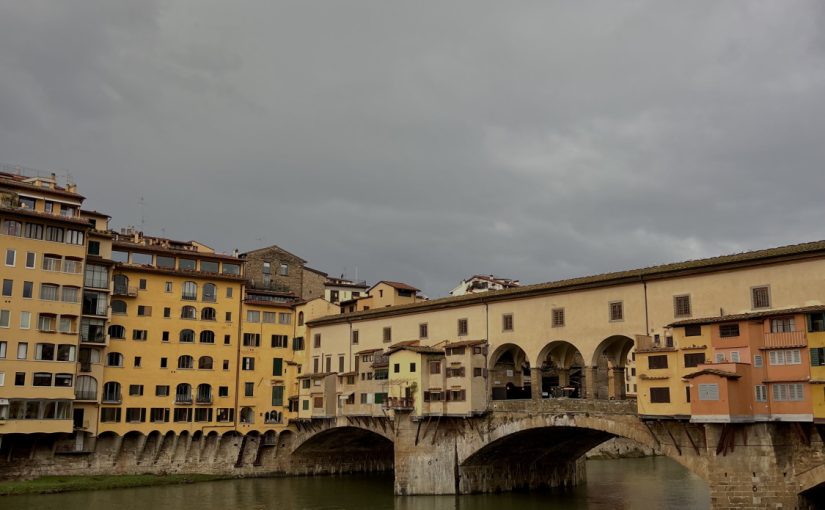
My twenty minute walk to the gardens features a major staple in Florence, as we (me and my friends) cross the Golden Bridge. It’s hectic and loud and crowded, and by far has one of the most beautiful views of the Arno River I have seen. Still, hold onto your phone and your friends- with these conditions losing one of these is not unlikely.

Boboli Gardens comes attached with a ten dollar entrance fee for the day. We enter through the Pitti Palace, but skip that tour because that isn’t what I’m here for. Instead, we climb the slanted, small, long stairs to the beginning of the garden’s grounds. It’s beautiful here, undeniably so, with a beautiful clearing for the main statues and ponds. To the left and right, the grounds spread out behind a wall of shrubs, with a maze to get into and out of those sections of the garden. If you continue straight all the way to the top, however, you see one of the best views in Florence (apart from the top of the Duomo). 

This picture does not do this view justice.

For a moment, I forget about the assignment and just stare. I’m in Italy, I’m in Florence. And the bustling cityscape, the rolling countryside behind it, that’s been my home. For the rest of my life I can know for myself that I, at one point in the distant past, lived there. The beauty of the art, the people (most of them), the food, my friends. It’s just-

Beautiful. 

I finish up taking notes of the different architecture and landscapes, then I make my way to my second destination before my anatomy class.

There’s this little record store called Contempo Records that I pass everyday on my way to FUA’s lecture halls. Everyday I pass it, I want to go inside. I don’t have a record player, but my sister does. I know she will appreciate a little memento. I walk inside and am greeted with spiraling ceilings and records stacked to the nines. I don’t end up getting anything, but it makes me feel at home.

After enduring my three hour lecture, I know that it’s time for me to get some homework done. FUA has a library in the same building, but it closes at 6pm and my class is done at 6:55. So I go to, quite genuinely, my favorite place in the city. 

The Giunti Odeon Libreria e Cinema is a bookstore/movie theater. Up in the rafters, there are old theater seats for visitors to read or work on homework while a movie plays in the background. Almost always it’s really, really warm inside and almost never can you hear the movie. I love it.

I sit there and work till about 8:30 pm, which is when I make my way back to my apartment. My friends and I have decided to cook ourselves dinner, with some gnocchi pasta, green beans, and focaccia. Before I head inside, I take one last look at the Duomo. How can anyone not be romantic about Florenzia? I wonder.