Being a Tour Guide in a Country Unfamiliar to You

My family’s visit to me in Florence, and some differences they encountered

written by Tyler Kirwan for SPEL Journalism

Recently, my family visited me in Florence for my sister’s spring break. My parents, aunt, and sister landed in Florence on a Thursday afternoon, so I raced to their hotel, which was near the airport. Normally, I would have used the lovely Florence tram system, but the urgency to see my family was real, so I took a taxi instead. Once they had settled into their hotel, it was up to me to make their travels worth it.

A quick Google search revealed a restaurant within walking distance that seemed adequate, and it was an amazing decision on my part. This restaurant was a traditional Italian osteria with a menu featuring appetizer, first plate, second plate, and dessert. The ordering-style was a little unfamiliar to my parents, however. As soon as the waiter approached us they were expecting to just order drinks and appetizers, and then a second round of order-placing for main courses. I am not quite sure if this style of service is an Italian thing, but they like to take the order for all your food at once. We had to ask for a second to decide on what we wanted to eat. When the server delivered a bowl of bread to the table, my dad was a little confused as to why there was no butter. Luckily for him, the staff was very accommodating to our American ways and brought out some butter, just for him. My parents were also a little apprehensive when it came to the lack of ice in our drinks. Coming from a coffee-loving family, they did enjoy the post dinner espresso, but are more used to a big American coffee, rather than a small sip. Once dinner had wrapped up, they were waiting for the bill, then I had to explain to them that Italians sit after dinner and talk for a while, and that we would probably have to get their attention if we would like to pay. 

Besides just the dinner culture being different, the mealtimes and portions themselves have dissimilarities to America. My family is used to a moderate breakfast, a moderate lunch and a large dinner. Italy does not operate in this way.

Italy is geared towards a much smaller breakfast than what we are used to. The next day, about an hour after eating their croissants and drinking their coffees, everyone was already hungry. They had a moderate lunch a little later, but by the time they were ready for dinner at around 5:00 p.m., few restaurants were open. I introduced them to the idea of aperitivo, which I assured would come with some snacks. Some other small things throughout the week I had to help guide them through were; validating their tickets at a train station or understanding that a coffee in a ceramic mug leaning against a counter offers its own experience.

My family and I come from rural America where there is limited public transport. The only trains we take are for when we visit big cities. All these meal related differences and transportation situations were nothing but exciting for me, as I was able to show my family how to experience Italy in the way that I have learned. They enjoyed the beautiful architecture, the parks and greenery, and stared at the sun-kissed walls of the city in the afternoon. I led them to Piazza Della Signoria and as we walked around, I regurgitated all the facts about the Medici family I had learned just weeks prior in a class. My family mentioned a difference in the fashion in Florence and commented on everyone being quite dressed up and appreciated the availability of recycling and waste bins on every corner, recognizing the cleanliness of the city.  Throughout the week there was also an air of hospitality that my family had been receiving during their time, and were taken aback by the friendliness they encountered as tourists. 

I was handed the reins of tour guide, and I was able to share a more intimate experience of Florence with them. We walked through Piazza Massimo D’Azeglio, a park near my apartment and breathed in the fresh air and watched people carrying out their day. Italy offered them a chance to step back, sit around, and enjoy their surroundings. To spend time in such a walkable city has its own pleasure and is something we don’t experience everyday where we are from. One evening, my aunt, sister, and I took a picnic up to Piazzale Michelangelo to watch the sunset. My family in-turn, helped to show me some new experiences of Florence that I wouldn’t have tried myself. We went and tried a gelateria that my aunt had found after doing some research, and found some nice stores in the more tourist-heavy area that I hadn’t spent much time in. These all seem like inconsequential anecdotes, but I never realized how much I had gotten used to in my time being here. 

When you are with people who are not used to your circumstances, you notice certain things that are different from your own culture. The week offered little views into differences between American and Italian/European culture that I had up until this point only subconsciously considered. I was able to step back and not only enjoy their moment with them but realize how lucky I am to be here every day with the people, nature, and culture of this city.

My Italian Roots

written by Guido Togliatti for SPEL: Journalism

My name is Guido Togliatti and I am studying abroad in Florence for the Spring, 2025 semester. Originally, I am from California, but I have Italian ancestry through my Grandfather.

Palmiro Togliatti himself was born in 1893 into a comfortable middle-class household and displayed academic promise from an early age. He earned a law degree at the University of Turin and then served on the front lines during World War I, where he sustained injuries that deepened his commitment to social justice. After the war, he channeled his convictions into journalism—founding the weekly newspaper Il Partito Comunista—and helped organize Italy’s first cohesive communist movement. When Mussolini outlawed the party in 1926, most leaders were arrested, but Togliatti escaped to France and later the Soviet Union, where he navigated the dangerous politics of Stalin’s purges to keep the movement alive.

During the Spanish Civil War, Togliatti helped coordinate aid and volunteers for the Republican side—a chapter of his life that underscored both his political skill and his willingness to risk everything for his beliefs. He returned to Italy in 1944, joining Marshal Badoglio’s transitional government and working to legalize the Communist Party once more. His life nearly ended in 1948, when a young fascist assailant wounded him—an event that triggered mass demonstrations across the country and solidified his status as a symbol of resistance. After his death in 1964, the Soviet city of Stavropol-on-Volga was renamed Tolyatti in his honor, a rare acknowledgment of an Italian figure abroad.

Ultimately, learning this history has deepened my desire to connect with Genoa and to cherish every moment I spend here in Italy. Learning about this made being in Italy even more special for me.

Where Past Meets Present: A Morning at Piazza Santissima Annunziata

Observations on Culture, Tourism, and Community Dynamics in Florence

written by Emerson Farrow

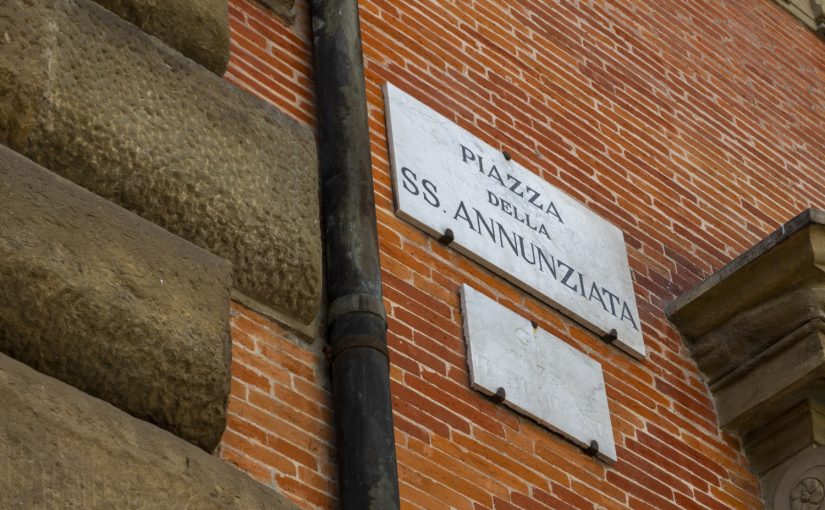
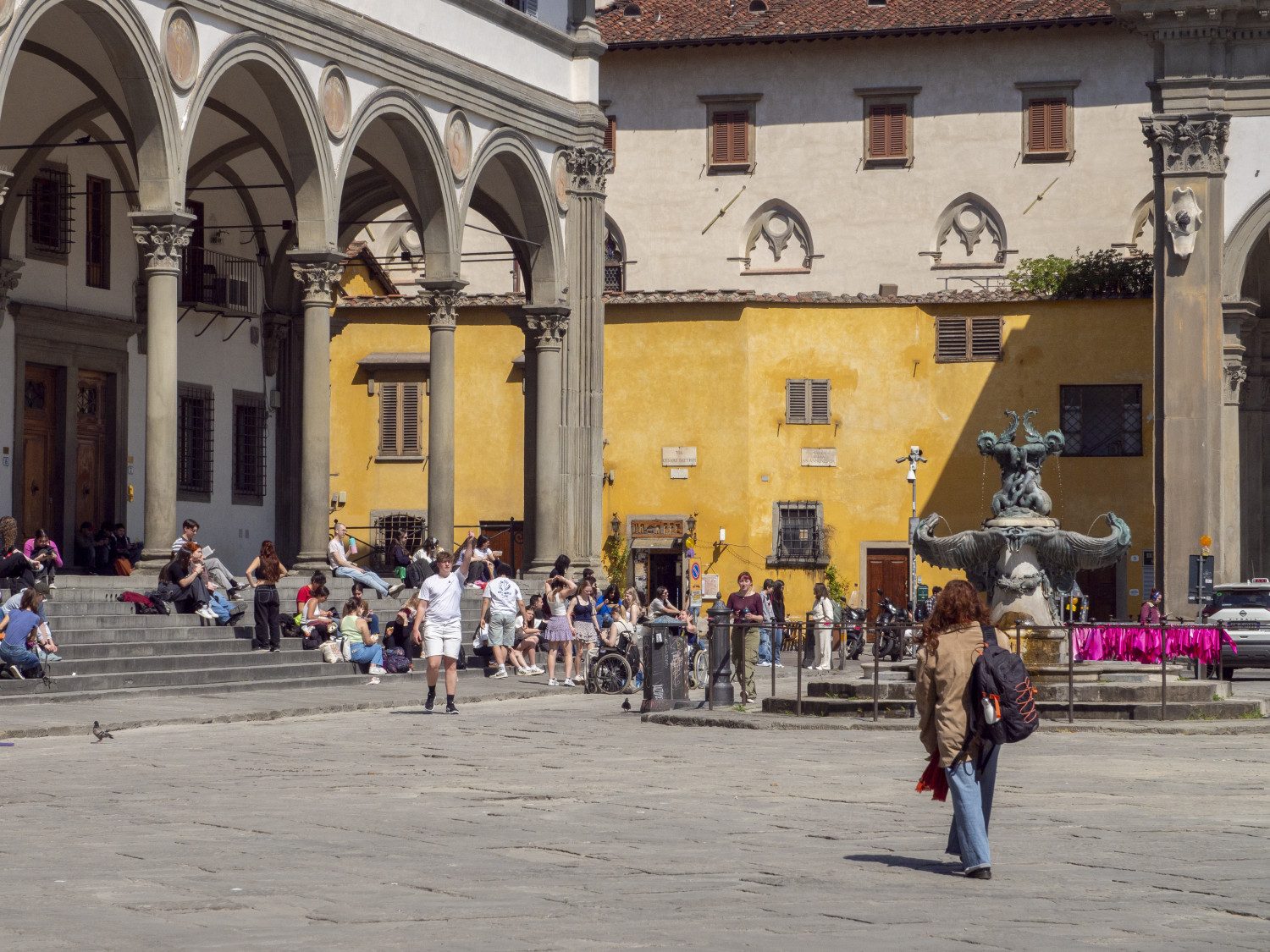
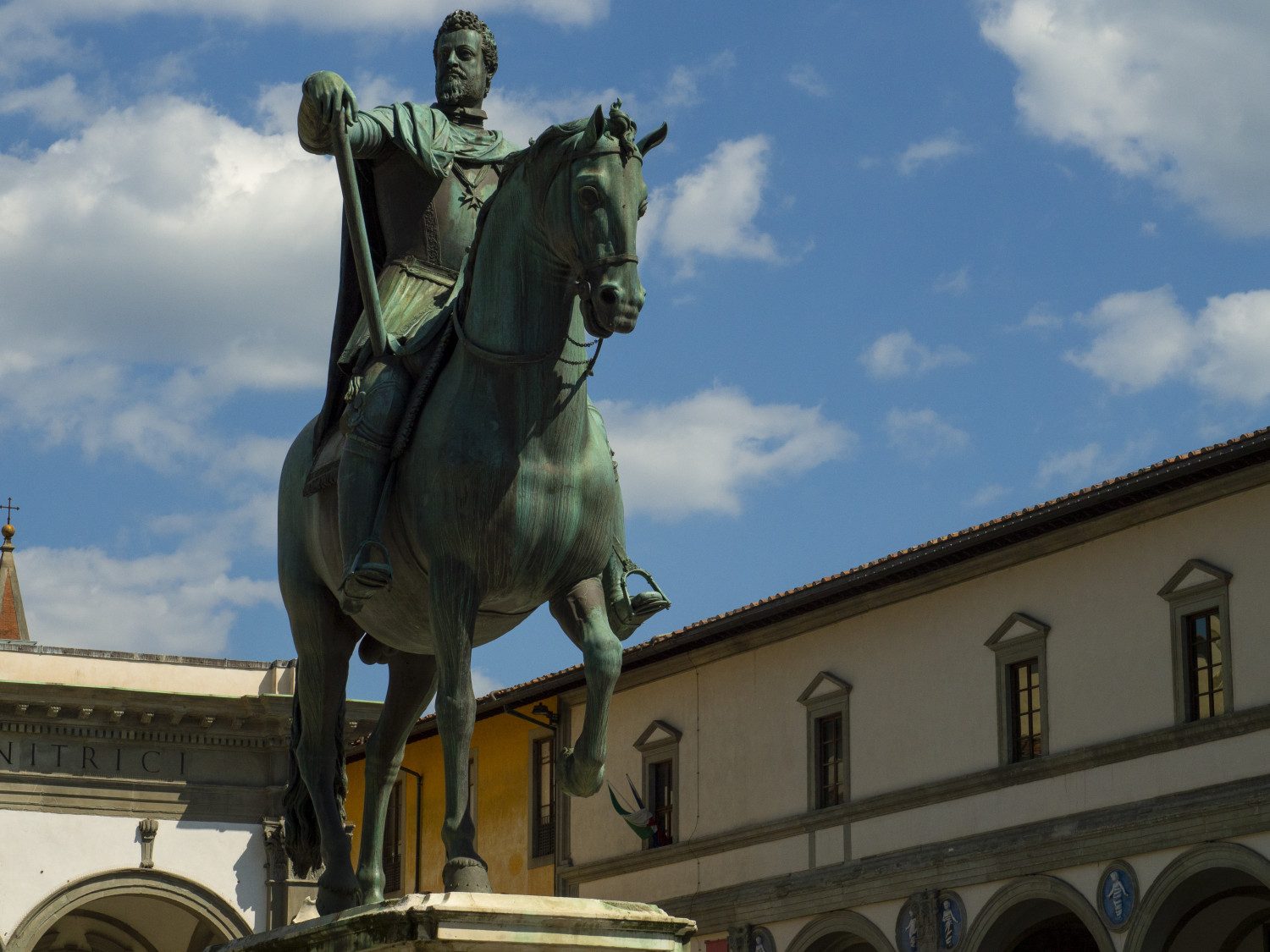
While visiting Piazza Santissima Annunziata, I went early on a Monday around eight in the morning and sat outside on the steps of Museo Archeologico Nazional di Firenzi. Within the square there are three statues in an open concrete “field” with no natural aspects within proximity. The plaza is surrounded by buildings, two sides being a museum and one side a church. The other side contains two apartment houses with streets in between them. The placements of the church felt out of place to me because of the tourist attractions swallowing its presence and taking away the importance of the value of a church, especially in Italy.

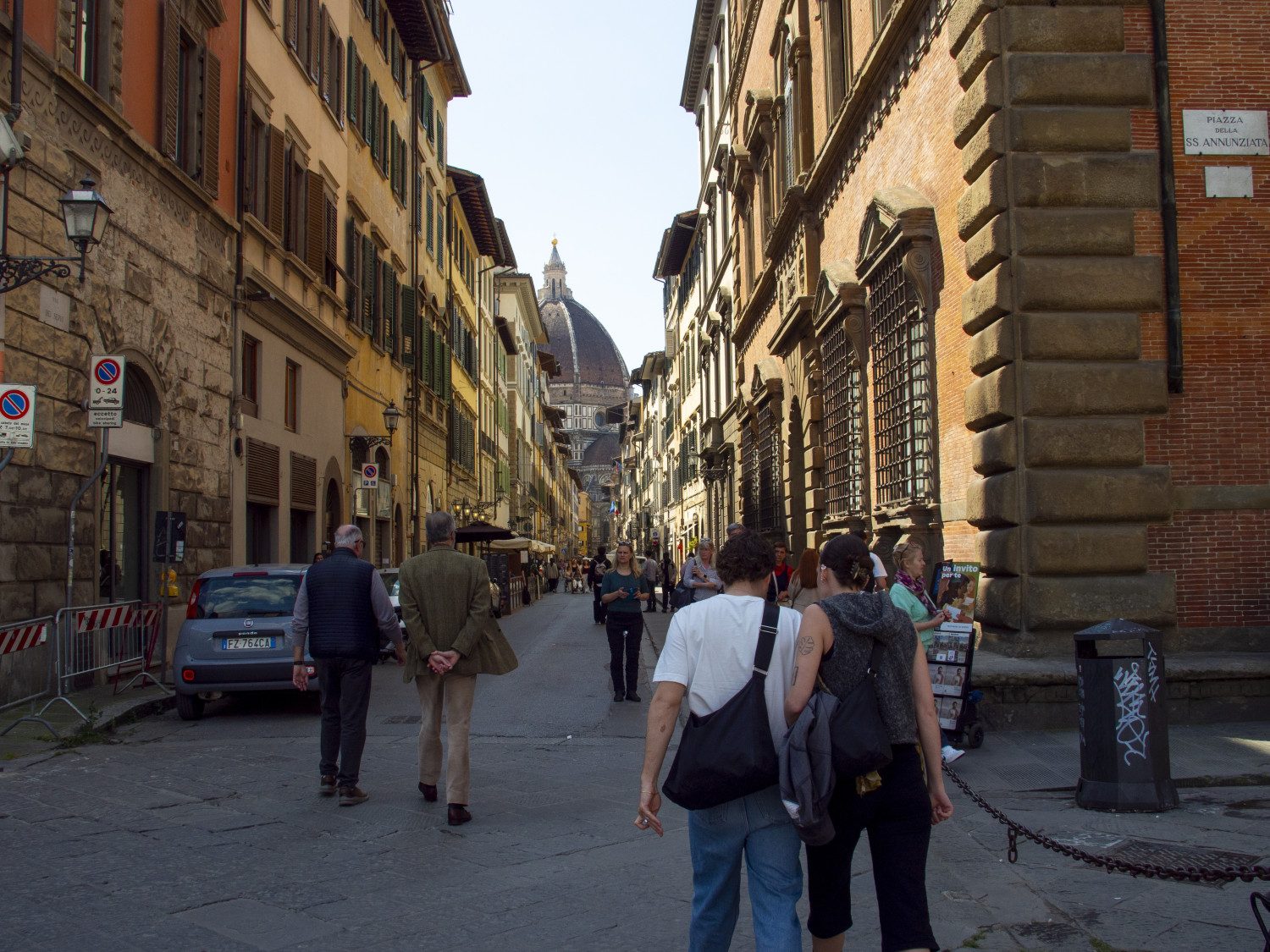
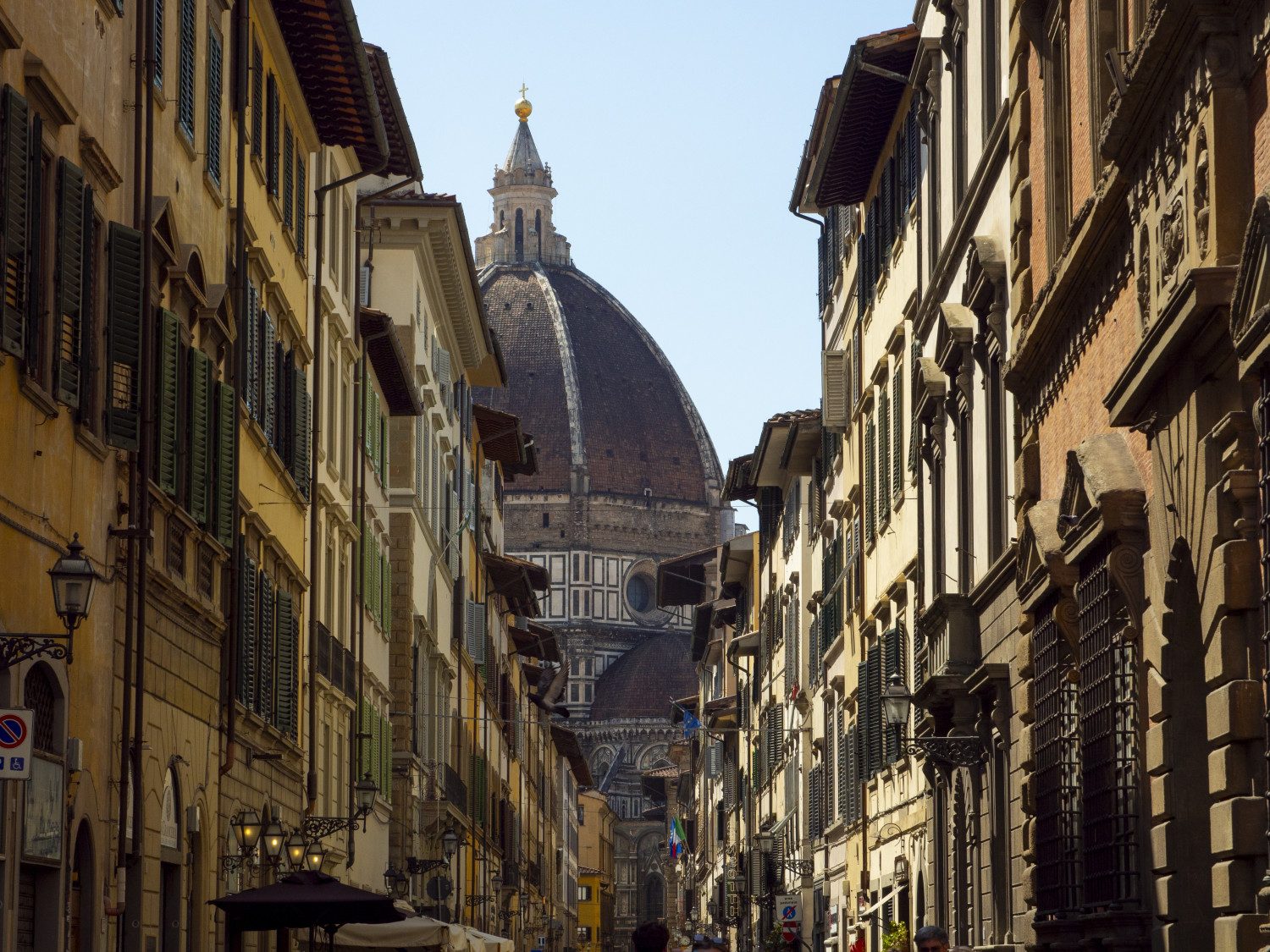
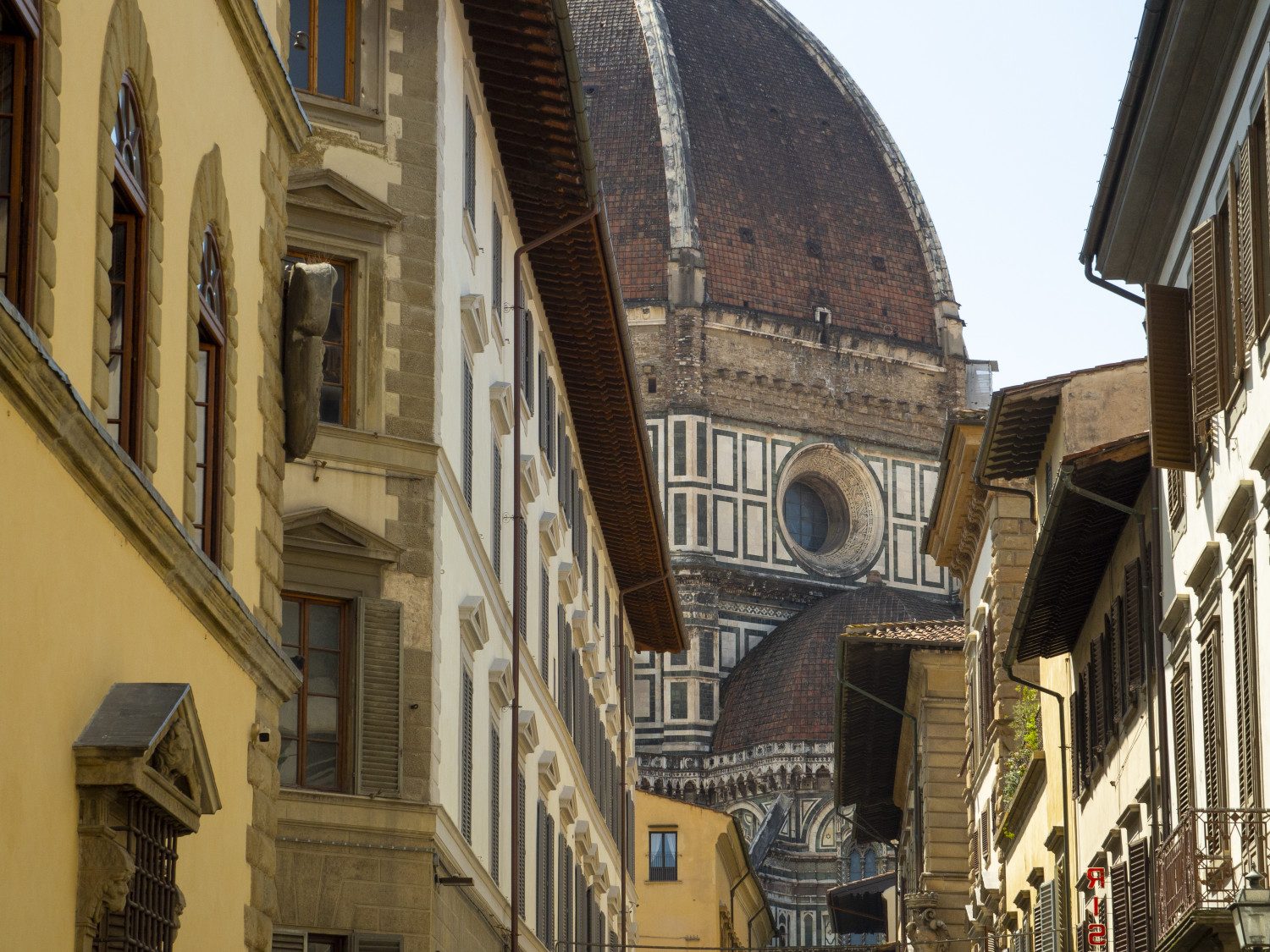
Within about 20 minutes of my observation I saw a group of people come into the middle of the plaza, with the center of the circle being a tour guide standing in the middle and talking about the history of the plaza. The tourists listened and looked around the center admiring the buildings and the streets. I noticed all of them taking pictures of this certain street, so immediately I was curious; what was so special about that street? I noticed outside of that group, there were other people walking around the group that were minding their own business trying to get to their destination. These people, I assume, were locals or people that have been in Florence for a while since they are so used to the appeal of the plaza that they don’t take the time anymore to stop and look around. When the tour left, I decided to get up and look at the street, revealing that it faced directly at the Duomo di Firenze. It was an alluring sight, with the sun reflecting off the Duomo and shining down the street off the buildings. It was perfectly in view of the plaza. I now knew why everyone was looking down that street, and of course I had to take out my phone and take a picture. This made me realize that this street itself is a big tourist attraction because of the beauty looking into the direction of the Duomo. This was the first observation I made on how people use the plaza; tours and taking pictures, while other people use the plaza simply as a shortcut towards their destination. 

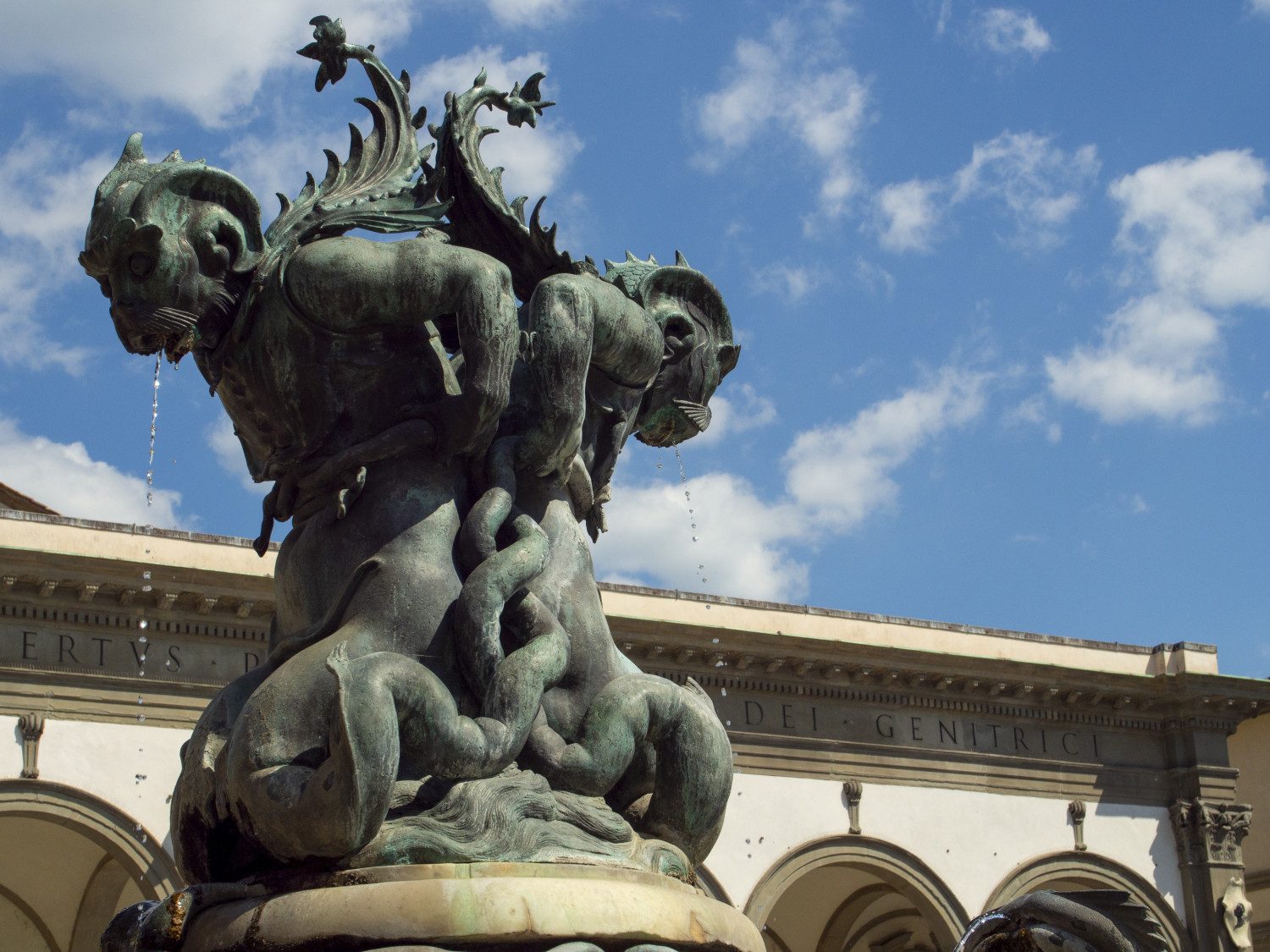
After I sat back down and over time, I noticed people going into the church that is located in the plaza; Church Alexander ET Robertvs Pvcii Fratres Dei Genitrici. Having a church there seems to bring the beauty of a community whether it’s with locals or tourists who want to visit the church to see the beauty or practice their religion. When some people were going into the church, they were holding hands, showing religion bringing people together no matter what their ethnicity is. Along with the attendees of the church, a group of kids that looked almost like a school trip went inside the building with an adult which I would assume was their teacher. The church brought both locals and tourists together within a building. This sense of community felt the square to be welcoming especially since there was a mix of locals and tourists. There is also a bus stop that is in front of the church dropping off people that attend the church, so it is also accessible for people that live far away. 

At one point while I was there, there was a group of students hanging out on the other end of the stairs who were sitting down and talking amongst each other. They were all speaking Italian so I assumed they were students waiting for class to start and they were meeting up before so they could talk. As a person who isn’t fluent in Italian, sometimes I will feel isolated within a local spot. However, there was a mix of English speakers and Italian speakers so I didn’t feel left out, and because of all the communication happening around me, it didn’t make me feel isolated within the square which was an enjoyable feeling. Everyone felt included in the square because there were a lot of tours happening and then friends were with each other. Since there was a mix of English speakers and locals, it didn’t feel marginalized or that there was an exclusion of certain groups. 

With the time I was sitting there, two tours happened in total. This made me wonder if the tours ever get annoying for the people who live in the apartments or even the people in the church. One of the tours went inside the church, and it made me think if the tourists were interfering with locals inside the church trying to worship and practice, especially since the locals had cameras out. I didn’t notice any locals using the church as an exhibit, which felt better because it is a church which can sometimes be seen as disrespectful, especially seen from a local’s point of view. Since living here in Florence, I’ve noticed the importance of religion here, and how it’s such a sacred part of Italy’s culture that is proudly incorporated into daily life. I wouldn’t assume the locals were going into the church to use it as an “exhibit” or even a “museum” because of this. 

Other cultures aren’t surrounded by religion so they might not think much of looking inside the church. Religion is such a big practice in Italy that it gives disrespect to the locals that tours were disrupting a religious place of worship. The different interactions with the church shows the indecency of tours interacting differently between the locals and themselves.

I believe the biggest thing that attracted the tourists to Piazza Santissma Annuziata was the street that looked directly at the Duomo and the museum that I was sitting in front of. I later learned that the exact street is famous for the view and of course, the Duomo being a big tourist attraction being a historical beautiful church, it lured many people in to take photos. There were no businesses around besides the museum but I noticed no one went into the museum, I do think the only reason for this however was because it was closed for the day. The museum is a perfect example of gentrification because it’s asking money to enter, and with museums, the biggest community is attracting tourists. 

The biggest gentrification example however, were the apartments surrounding the plaza. The apartments were located on the street that people were taking pictures of and the apartments itself overlooked the Duomo. Those apartments would be a prime location for Airbnbs because of the location and view; it checks all the points tourists want to see when they stay here so it would attract them. The owner of the apartment room would buy the apartments just to rent it out so they can obtain money from tourists who seek a perfect view of the Duomo for the time they were staying in Florence. Having the owners of the apartment within the building just to rent it out for tourists disrupts housing for actual locals searching for housing, decreasing the housing availability in Florence. Locals can actually make use of the apartments and use them year-round and not just for money use. Situations like this lead to housing problems for locals. It can increase the rent money and then the locals within that building can be kicked out of that building because of money problems and the rise of rent. Airbnbs take up opportunities for people looking for housing which can cause a rise of homelessness. Over time, the more the Airbnbs, the more the population decreases and the city turns into only a tourist attraction.

This is what I took out from sitting on the steps observing the environment. There was a great mixture of use of the plaza for locals and tourists. Tourists being so popular just in that spot may become a nuisance for the people that live around there because of the noise they make or the constant photos around their apartment, making it feel like they are never alone or in peace. The Airbnb opportunities around are the biggest example of gentrification I noticed. Not many people think of the long term effects of tourism but it’s a constant problem especially in Italy, causing disputation across the country. Overall, the plaza was a beautiful place that invited everyone and a place everyone can use but there was a big notice of tourist interactions.

Florentine Fashion: Americans vs. Italians

written by Kenna Hughes

Before I left to come abroad, my Google searches consisted of one thing and one thing only: What to pack for a semester abroad in Italy. Now, I knew all about taking adapters, portable chargers, medicine, and things of that nature. But what I really wanted to know was what clothes to wear in order to blend in with local Italians. 

After my research, I concluded that I needed to bring jeans, basic tees, black boots, a trench coat, and all-black skirts and tops for going out. Looking back, I wish I would have done things a little differently. After landing in Italy and observing the fashion here, I can tell an American from an Italian almost instantly. 

Although the clothes I was told to bring from strangers online were perfect staples, I felt as if something was missing. It wasn’t until my fashion walking class at FUA that I realized what it was. Authenticity. 

My three-week course, “Style and the City: Florentine Fashion Walks” taught me how to express myself through fashion. We observed people on the streets, went to authentic markets with vintage clothing, and visited Pitti Palace to see the exhibit on Italian fashion. On day one, I knew this class would inspire me to be more unique, and buy clothes that I like instead of following the seemingly endless cycle of fashion trends. 

Even walking the streets of Florence, you cannot pinpoint any particular trends–especially among local Florentines. No two people are wearing the same item of clothing, or anything remotely close to it. This does not happen with Americans. For example, a friend and I went shopping at Zara about a month ago in Florence. She bought a beautiful brown leather jacket–only to realize every other abroad student was wearing it on the streets, too. It’s interesting how Americans gravitate towards certain items of clothing at these stores–I’ve seen countless American students wearing the same sweaters and jackets from Zara, but no Italians.

Then, a few weeks ago, at the Santo Spirito Market, my friends and I were on the hunt for leather jackets. During our shopping, we passed an American who was wearing one. I made a comment saying, “That style is perfect, I wonder where she got that from.” Without any hesitation, both of my friends remarked that her jacket was actually from a popular shopping website called Princess Polly. Even funnier–both friends that I was with owned the jacket too.

Don’t get it twisted–this is not to say that I don’t indulge in some of the trends myself, or that they are basic or bad in any way. However, if you want to dress more like a true Italian, simply wander around the markets, or visit department stores that are not in the US. Italians also love to accessorize, and dress up an outfit with a neck scarf, sunglasses, fancy belt, or a unique purse.

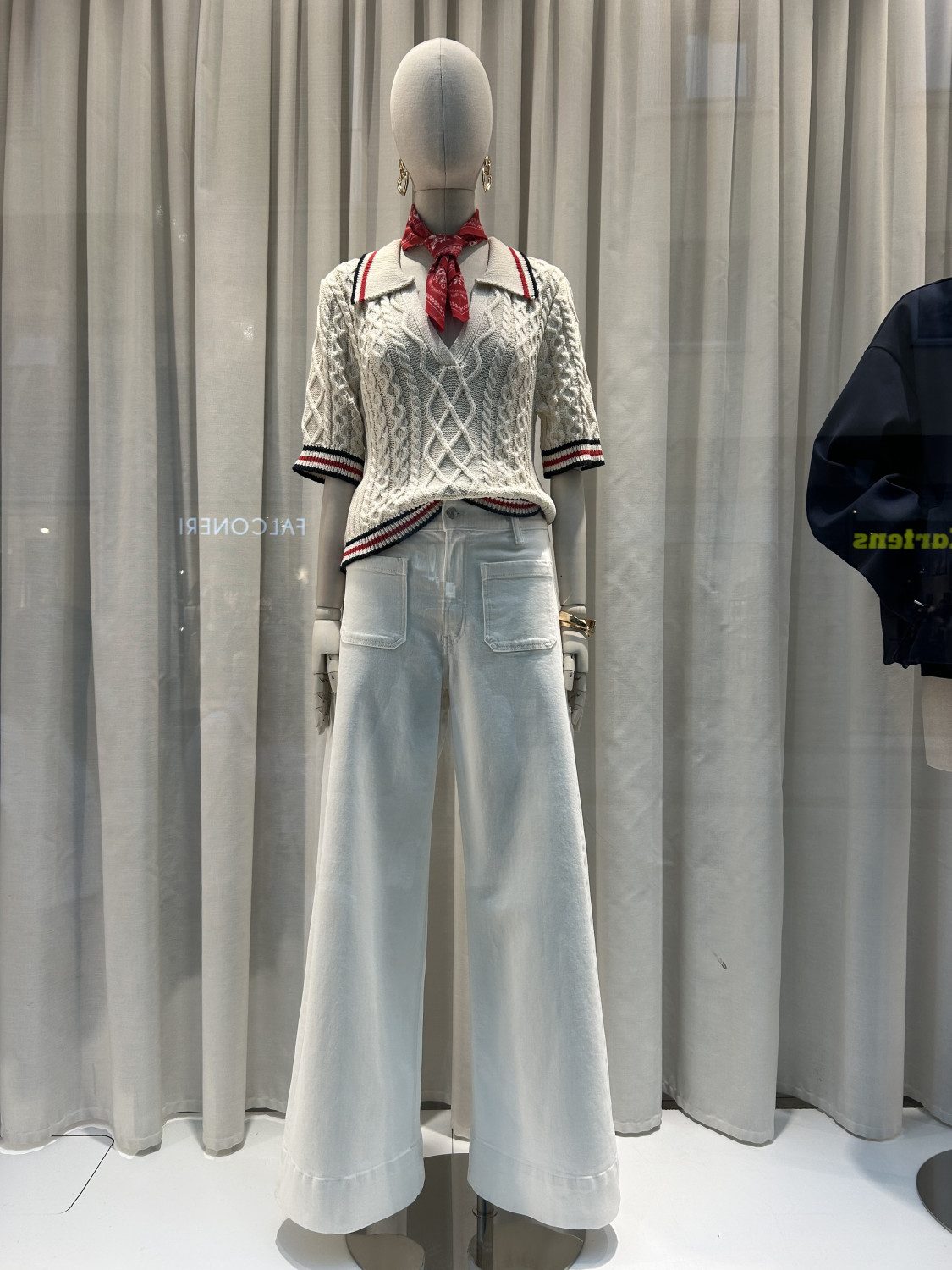
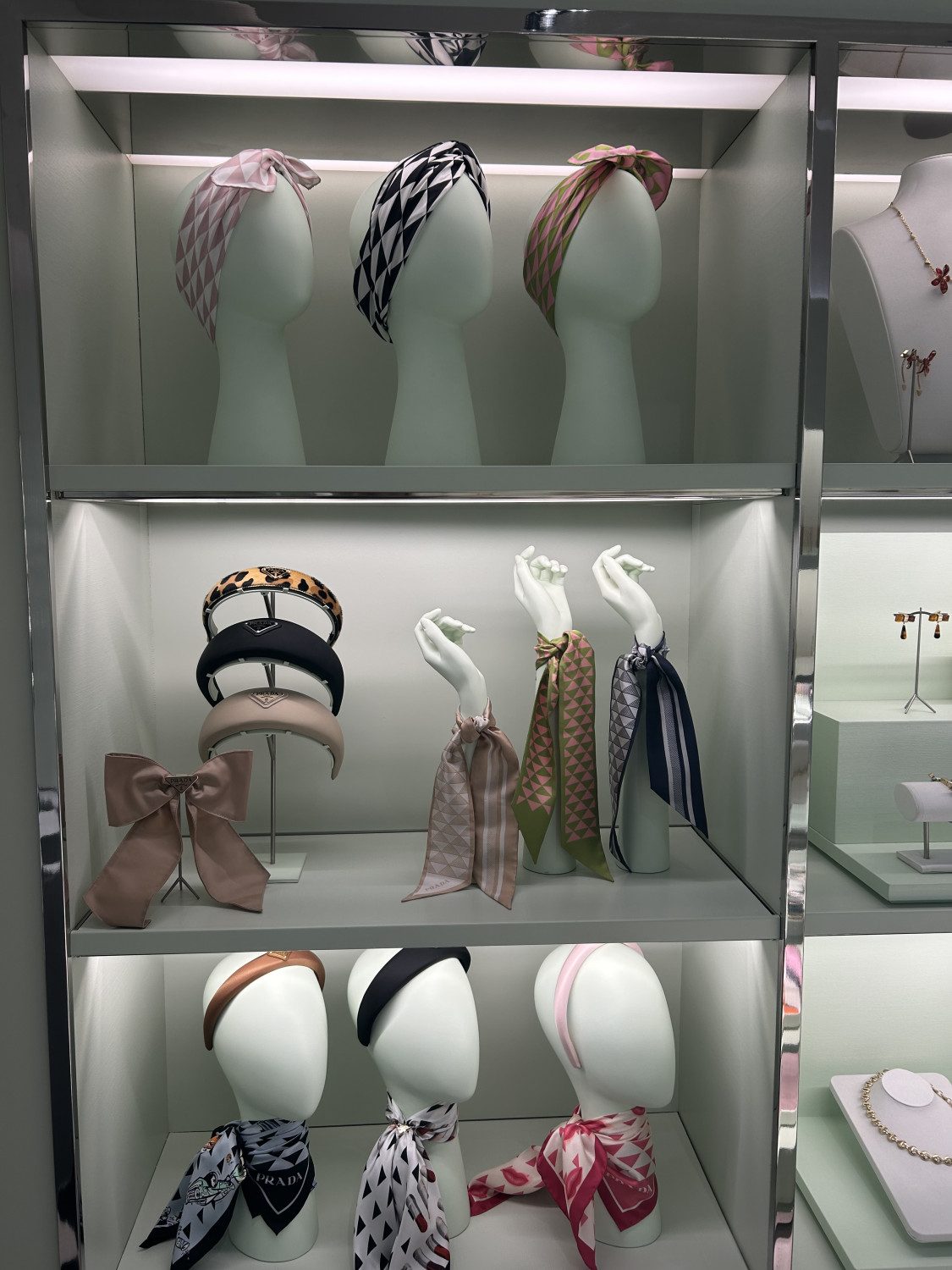
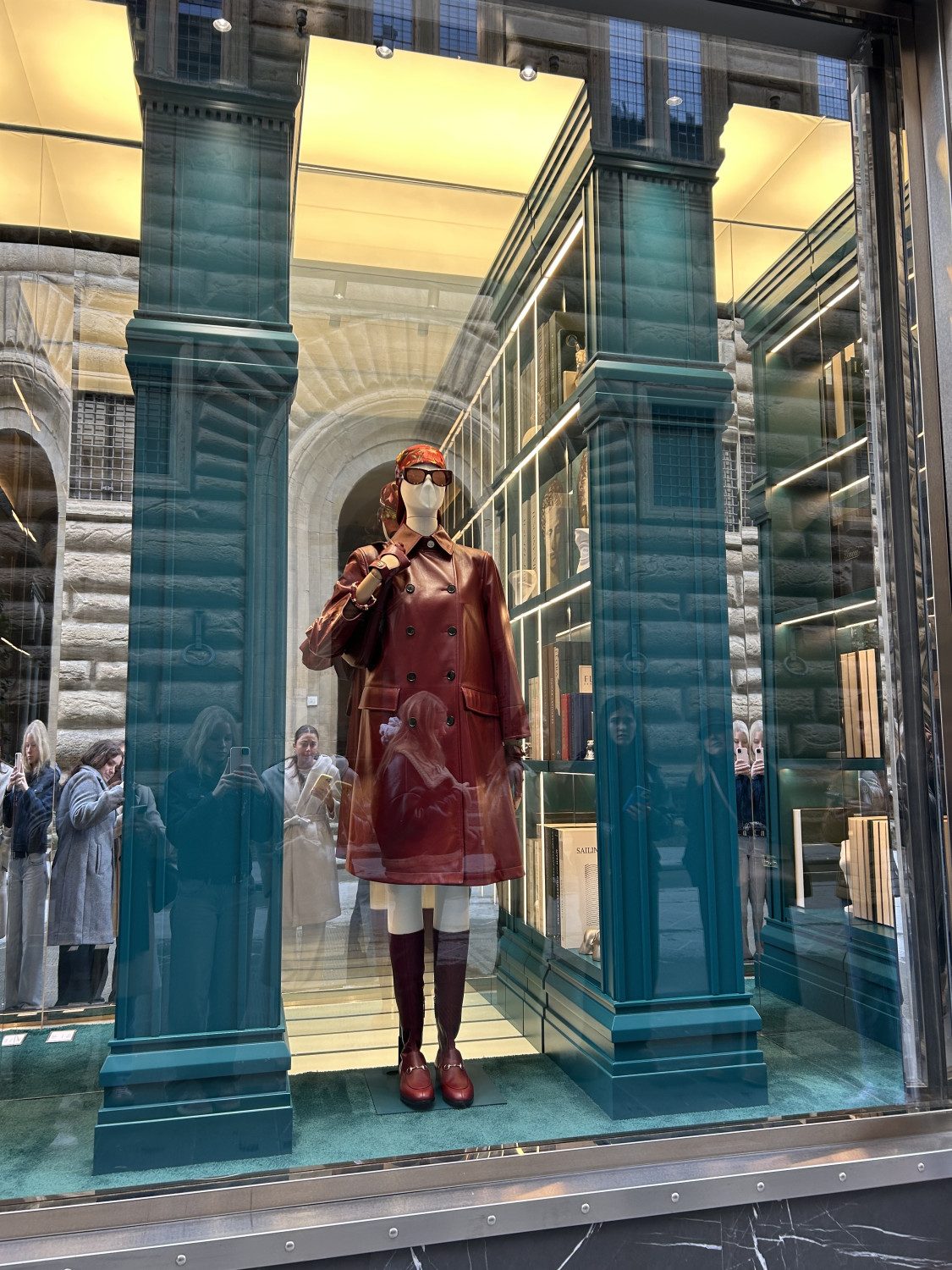
Another thing I like to do in order to gain some inspiration is to look at the mannequins in the stores. They are always dressed so intricately, showcasing many different items of clothing and ways to style it.

Here are a few of my favorites from my time here so far:

All in all, I’m glad I took with me the clothes I did. But I also know now that “blending in” with Italians basically means wearing whatever you feel most confident in. It’s ironic–the way to blend in here is to actually stand out. Every person I see on the streets is wearing something that suits them—and them only. Whether that be a pair of sparkly chunky boots, a purple fur coat, or a statement necklace, each individual person exudes their own aura.

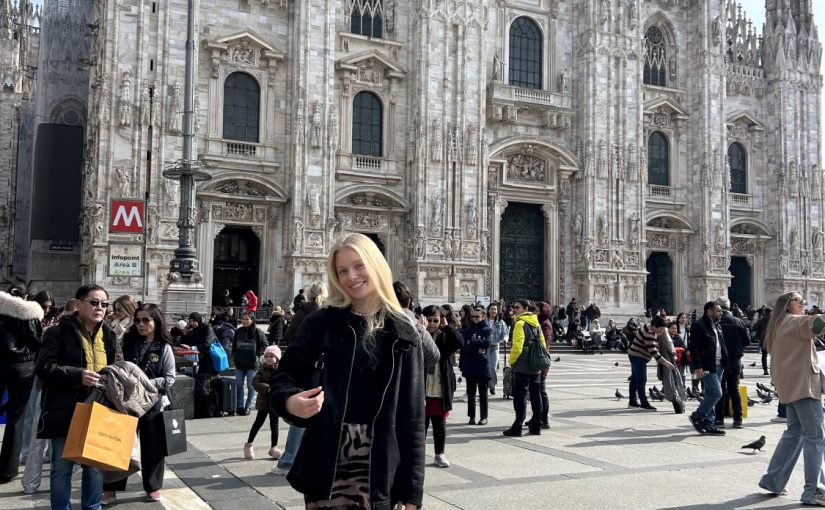
A great example is this woman in the photo below. This is one of my favorite outfits I have seen in Italy. Now you see what I mean about authenticity and having your own style. I just had to snap a picture!

So, the next time you are out on the streets or sitting at a coffee shop, take a look around at everyone who passes by. And when you are at a store contemplating buying something you like because you fear judgement from peers, I urge you to buy it. Be different, be authentic, and enjoy the confidence that fashion gives you.

Spilling the Beans: Comparing Café Culture Between Italy and America

Reflecting on the differences between the rushed attitude of coffee drinkers in America, to the relaxed nature of café culture in Italy.

written by Tyler Kirwan for SPEL: Journalism

Cafés in America are quite different to those in Italy on multiple different fronts. The reason why seems to stem from the difference in attitudes on leisure between the two countries.

In July 2023 I visited Italy for the first time. My trip was two weeks long and included four other countries in Europe. So many countries in such a short time that I normally forget to mention some when telling people of the trip. Still, it was amazing, and we spent the bulk of the trip traveling around Italy. We made Rome our home base while in the country, and traveled to Florence and Naples while we were here. Of the three cities, I would with 80% certainty say that Florence was my favorite of the places I visited. Luckily for me, I attended my school’s study abroad fair on a whim one day while walking through our Journalism building, and discovered they offered a semester in Florence with an Internship! How exciting I thought, and spoke with my advisor about the opportunity. Six months later I was applying for the abroad program, and four months after that I was packing my bags. 

Working in coffee for over seven years, I would consider myself a pretty O.K. source of all things encompassing. When you take into account the fact that I am only twenty years old, I feel as though I am allowed even more merit points. I have worked in the coffee scene since I was thirteen. I’ll avoid the long explanation, but basically when I was in eighth grade, I opened up a coffee shop at my local mall and have been pretty interested in coffee and its culture ever since. Following my coffee shop, I was hired as a barista in a small café in my hometown. Six years later and I am still working there, so I feel I know the demographics of ours and other American shops. The types of people who spend time inside sitting down are students, remote workers, families, and friends / dates. (I can never really tell which group people fall into.)

My coffee shop also definitely affiliates itself with the younger audience; a place for self-described indie and emo kids.

The coffee scene in Italy though, now that is an entirely different scene. A ‘Brave New World’, if you will. On my first trip to Italy, it was what obsessed me the most. I remember walking through the train station in Rome after leaving the airport, and an Illy Cafè caught my eye. I was previously familiar with Illy having worked in coffee, but this was an entire shop dedicated to it, and even weirder, everyone was huddled around the counter. I walked over with my bags to see what all the commotion could possibly be over this seemingly-ordinary coffee shop, and was physically taken aback by what has to be the biggest differences between coffee in the States and coffee in Italy. Everyone was standing at a flat bar a little lower than the register and drinking ceramic cups of espresso. Ceramic cups at a train station. This was mind boggling. Why are they all standing around when they could just take it away in a paper cup I wondered. Aren’t they in a hurry?

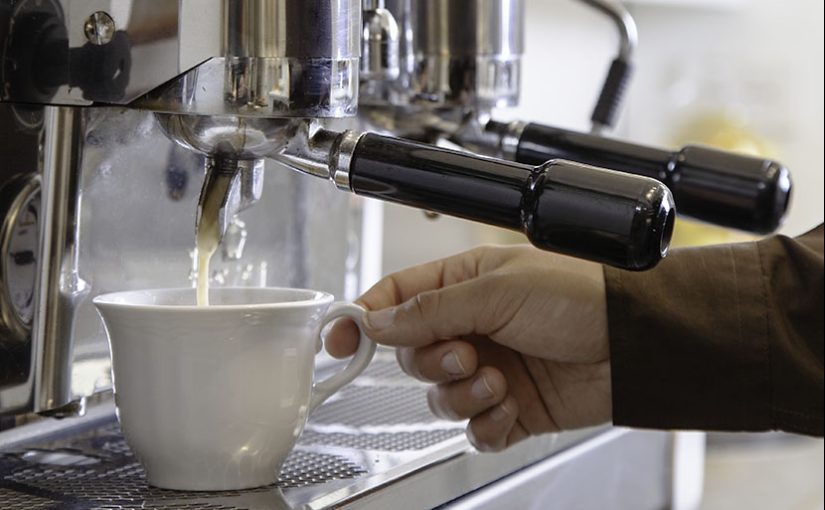
I have come to learn during my time here that Italians have a different relationship with coffee. All this is gathered simply by being an observer, however I believe the following to be true. Italians use a café as a place that is not work, nor home, but its own third thing. When I say cafes, I actually mean bars, as that’s where you can find an elegantly crafted Italian espresso machine sitting alongside a liquor cabinet. They also tend to have pastries and snacks at bars. Tabacchi shops also tend to have espresso machines. The word cafe for me has become an all-encompassing term for coffee shop, bar, tobacco shop – all places in Italy with an espresso machine. The point of all this is to say that Italians treat these third places as hangout spots. These are places to escape work and school, talk to their friends or family, or chat with someone they haven’t seen in a while. They grab a little glass mug of espresso and stand at the counter and catch up. If they know no one there, they lean against the counter and drink their espresso, macchiato, cappuccino, or whatever their preference. It’s not about getting a caffeine boost in a plastic cup, and running as fast as you can to work. The culture is about getting a morning coffee to enjoy and wake up with. A daily ritual, even if short, that can be savored, not rushed.

Now we get back to my previously mentioned demographics. From what I’ve noticed there isn’t much need for cafes with affiliations. Most places offer similar vibes, with the outliers being specialty shops such as bookstores or record store cafes. For my coffee shop at home, to be successful we need an affiliation, a reason for people to specifically come to us. A marketability. Cafes here don’t have much of that. They offer relatively the same menu at the same prices for anyone to come in and enjoy. There are some specific coffee shops whose goal seems to fit a certain market, and one of those Ditta. Ditta Artiginale allows people to sit at tables or bars with laptops or books, and a lot of their customers take that opportunity. To me, they are a very American-oriented shop, and a lot less like a traditional Italian café. Ditta isn’t the only shop like this, there are other places with an American audience, such as Melaleuca, which is an Australian-American brunch café. On Melaleuca’s website, they even ask people to respect their laptop-free days of Friday-Sunday. 

I hope that during the rest of my stay in Florence I can come to learn more of the cafe culture here and maybe a lot of my hypothesis will be disproven by nuances I have yet to uncover. I really do appreciate the way Italians separate life and work, and would love some of that relaxing energy when it comes to my morning coffee in the States.

A Culinary Tour of Florence: Beyond Traditional Italian Cuisine

Exploring the Diverse Food Scene of Florence, from Bistecca to Bao

written by Connor McHugh for SPEL: Journalism

Everyone knows that cultures are defined and characterized greatly by their food. When you think of any given country, your mind almost certainly first goes to the local cuisine of that region. Italy specifically is often considered to have some of the best cuisine on the planet.  However, it is important to understand that even in a country like Italy, the local food is incredibly diverse. We are going to take a look at the many different sides of Florence food and where its place in the overall society sits.

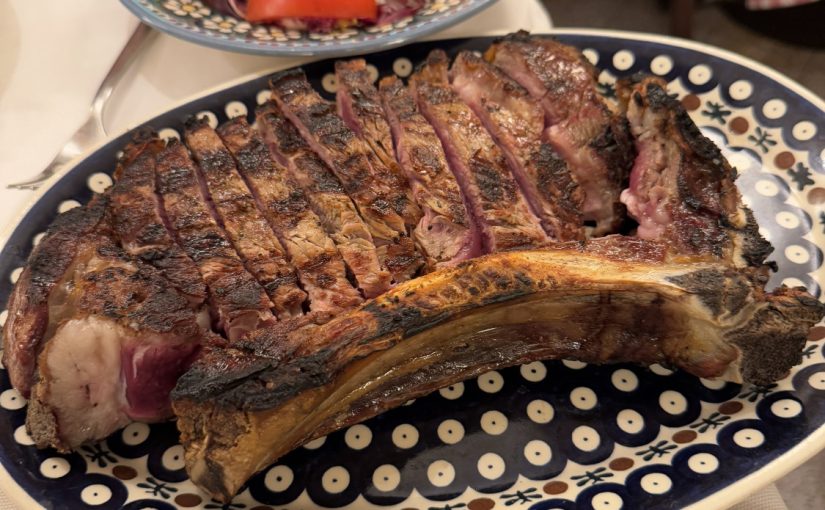
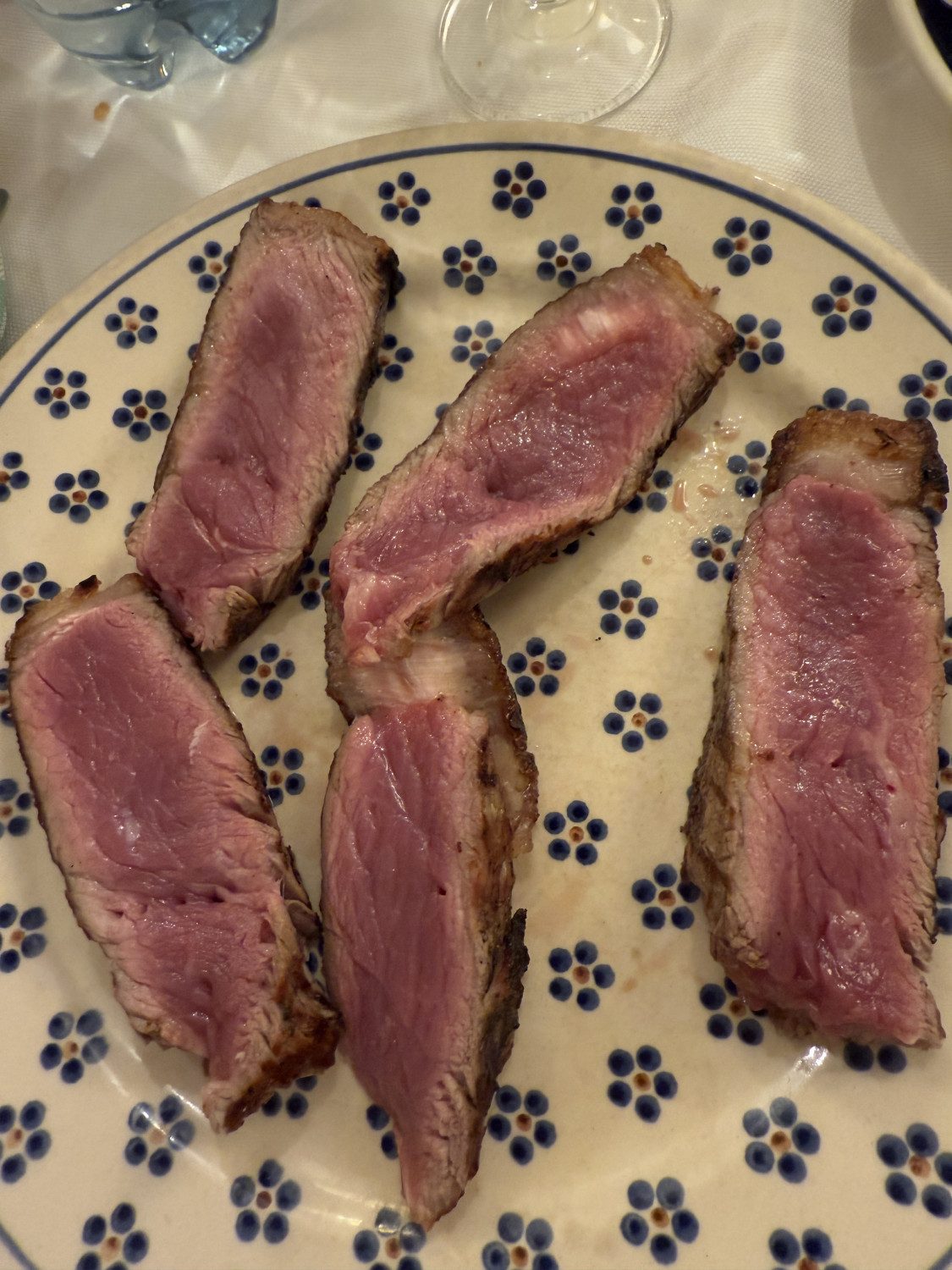
First, it would be blasphemous to not start this with Bistecca alla Fiorentina. The absolute staple and most popular dish of Florence is a sirloin cut of meat that is taken from a young steer or heifer. It is always served rare, as is the tradition and truly the only way to experience it. This steak was one of the best I have ever had, served with grilled potatoes and a salad. By keeping the beef rare, you are able to maintain all of the natural juices and flavors mixed with the loads of salt and seasoning on top. Due to its technical grilling requirements and need to be aged for over two weeks, patrons have to order at least 2 kilos of the meat. So next time you and your gym partner are looking for a good post workout meal, Bistecca alla Fiorentina is the best option.

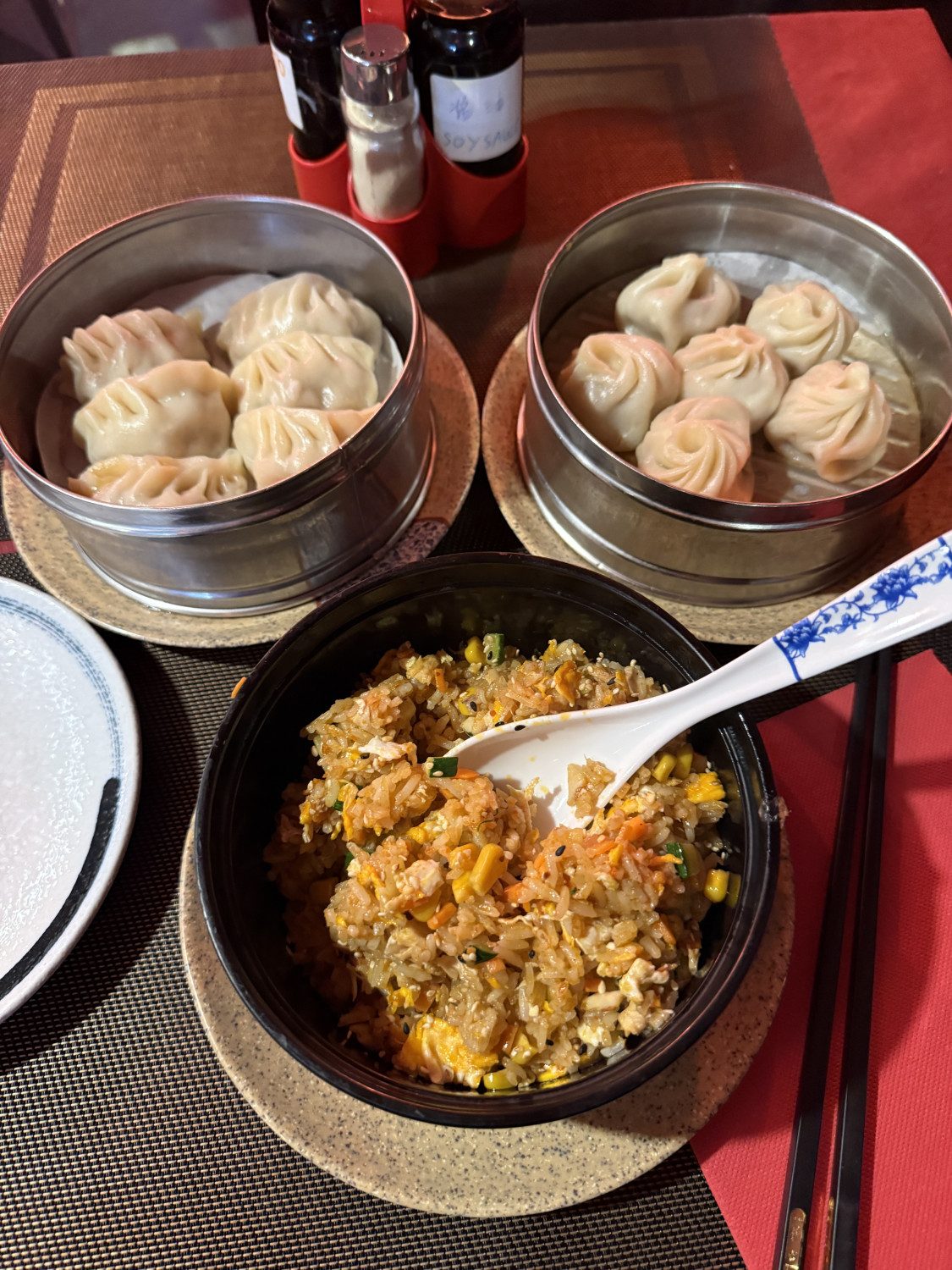
If you walk around Florence’s city centers, you will be met with endless pizzerias and trattorias which of course serve traditional Italian food. Venture a little farther out from the tourist areas, and you can be met with an entirely different world of amazing food options. For example, the thriving traditional Chinese cuisine of Florence. I was pleasantly surprised about the quality of the Chinese food and its authenticity. After a few orders of boazi and dumplings, I was extremely impressed. The outside was the perfect amount of savory and the texture was soft. The pork filling topped it off with its freshness and seasoning. What really sold the deal, however, was the duck rice. It is not often to see duck rice done correctly as many places don’t put much effort into their fried rice varieties. The rice was most definitely 24 hours old (the correct way to make fried rice) and the duck was cooked perfectly. It’s safe to say that I have eaten Chinese food in Florence more than pizza.

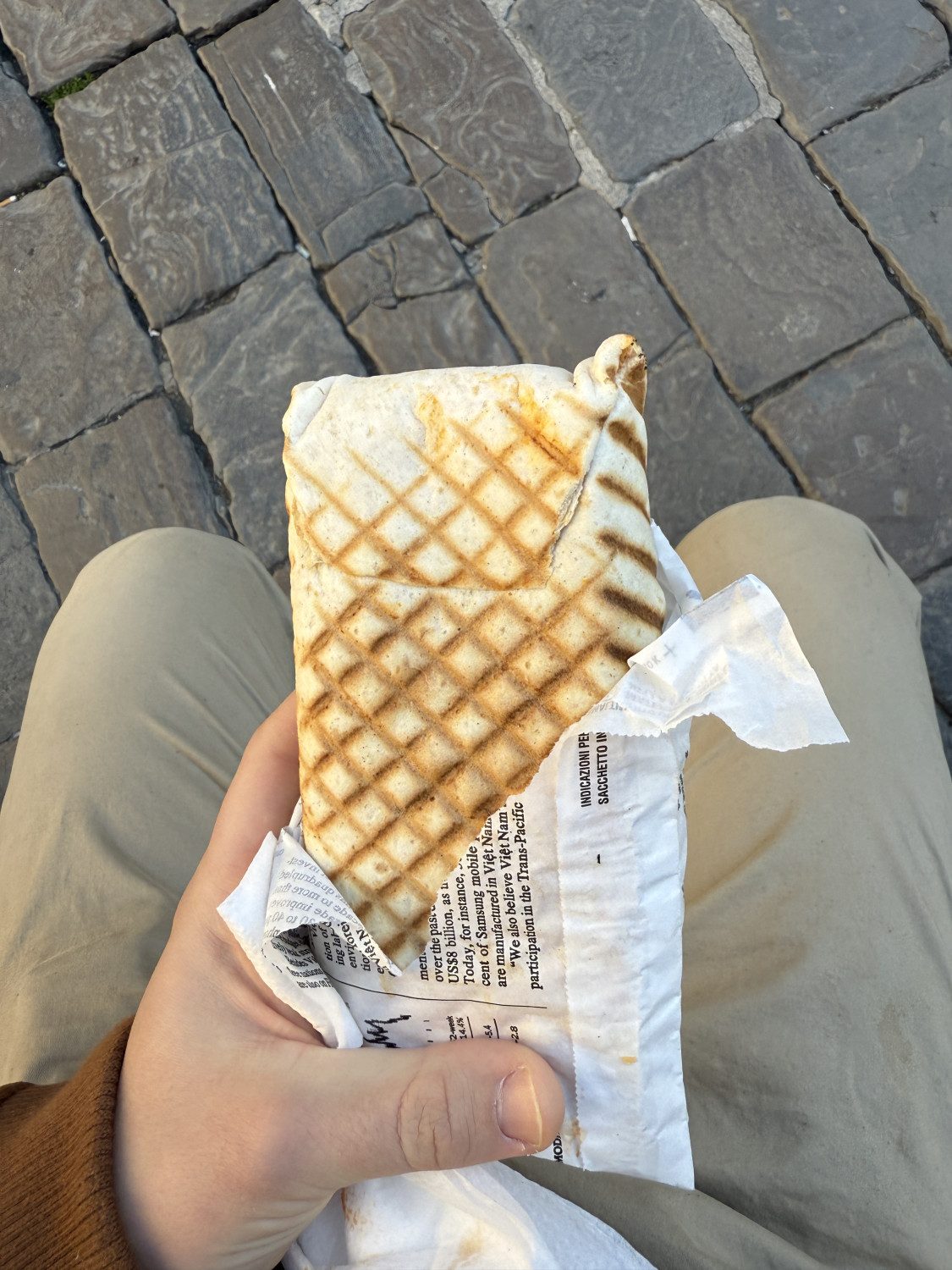
Of course, no European country would be complete without its local kebab spots. The kebab is a dish that can be seen all over the world but is uniquely different at each place. With roots originally in Turkey, the kebab is a simple dish that has an infinite amount of combinations. My kebab was a relatively traditional one, containing shawarma from a doner, and various fresh vegetables and sauces. The two new things that I especially enjoyed about this particular kebab were the jalapeños and fries in the wrap. Of all the different places I have gotten kebabs I have never seen jalapeños as an option. I always make sure to get every topping wherever I go to ensure that I am eating the food as it was truly intended. The jalapeños were a great touch as they added a certain level of acidity to the dish that sometimes kebabs are lacking. I was also surprised to take a bite and find that there were fries inside the wrap. It was an interesting yet welcome addition to the traditional kebab. Sometimes kebabs can be soggy and floppy due to the excess amount of sauce and wet ingredients, but the fries soaked a lot of that up making for an extremely firm and crisp kebab.

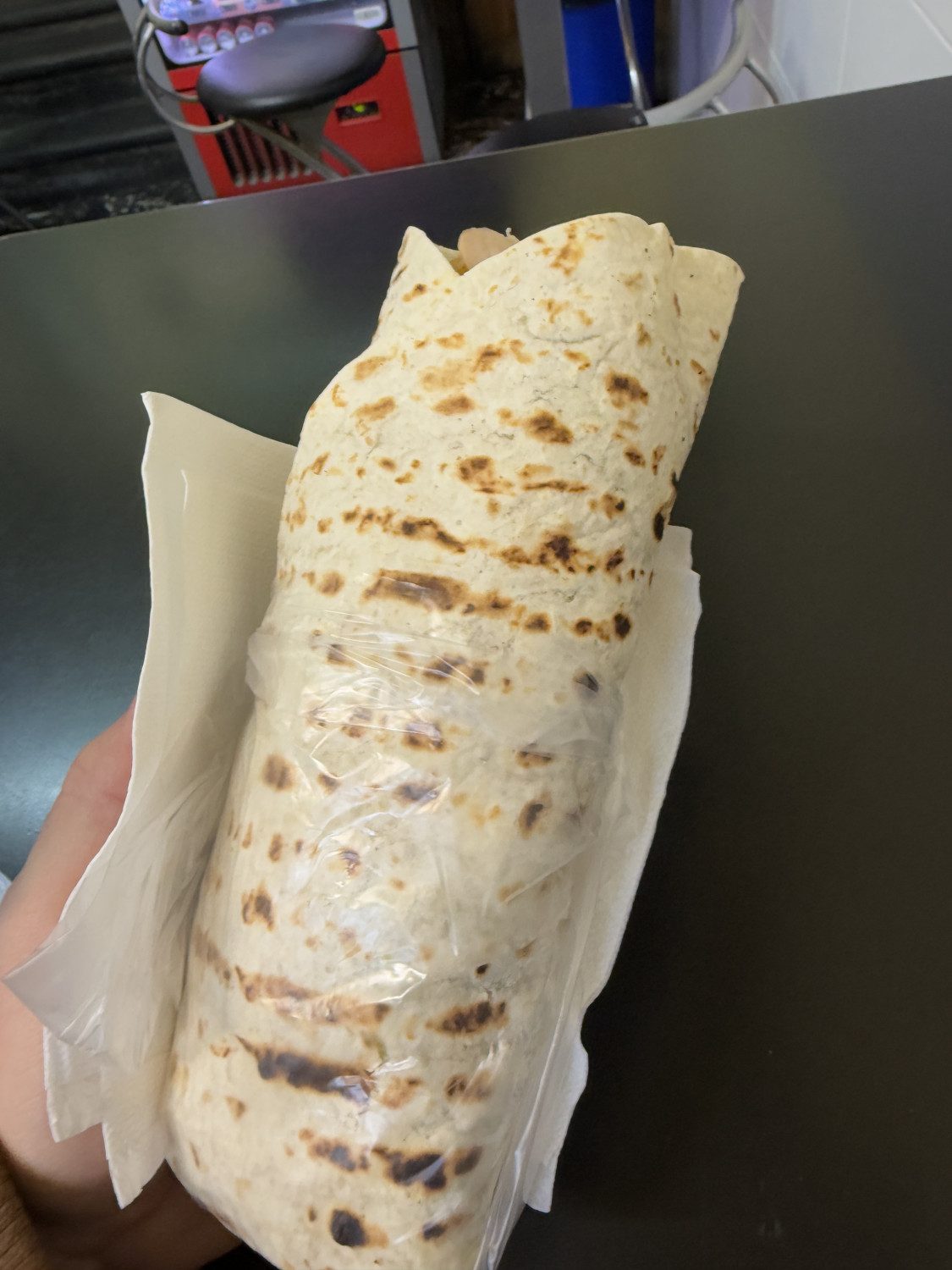
An underrated and often overlooked cuisine in European countries is Mexican. In The United States, you can’t go two blocks without seeing a hole in the wall family-owned Mexican restaurant (or at least a Chipotle). Mexican food in Florence needs to be sought out directly. So that’s what I did, because I cannot survive more than a week without a good burrito. I found a burrito stand and had to see what it was all about. I was both surprised and unsurprised. My hopes were not extremely high, but I was not very impressed with the finished product. My spicy chicken burrito was not spicy at all, which surprised me. Also, I am not sure if this is what I should expect in all tortilla wrapped dishes but there were also fries in my burrito. While I am all for innovation, fries in my Mexican burrito is not something I need. The rice was underwhelming and slightly overcooked. The beans and the chicken were both cooked nicely and tasted pleasant enough. Most likely not something that I would order again unfortunately.

As my first three weeks in Florence conclude, I am proud to have tried a multitude of different cuisines and food options. I know that with the eleven weeks I have remaining, I will find the best of each food that Florence has to offer. All of these different cultures are able to spread and be appreciated through their food, and I feel it is a civic duty to be as diverse in my food choices as possible. My taste buds are especially glad about my goal of being a world citizen.

In a Galaxy Far, Far Away: My First Two Weeks Abroad

written by Charlotte Cicero for SPEL: Journalism

Ciao a tutti, my name is Charlotte Cicero. I’m a junior at the University of Missouri in Columbia, Missouri, and am studying abroad at Florence University of the Arts (FUA) this semester. I’m a Broadcast Journalism major with a minor in Hospitality Management, and this semester, I’ll be writing for this website you’re currently reading, as well as the Blending Magazine. 

I’ve lived in Florence for a little over two weeks now. The adjustment has not been easy, and I think I’m still shocked that I’m finally living this dream that has just felt like some faraway plan for many, many years. 

When I was only 16 years old, I set a plan in motion to study abroad during the spring semester of my junior year. I was sitting in 10th grade English class with my friend Zoe, who said she wanted to go to Spain. We’re 21 now, and I’m going to visit her in Spain in a few weeks. I said I wasn’t sure where I wanted to go yet. After all, I had 4 years… 4 years that flew by incredibly fast.

When I was applying to colleges, I wanted an experience that was going to feel brand new. Living in California my whole life, Missouri was nothing short of new. I didn’t totally notice it at first, but people live differently in Missouri than in California. Life moves at a different pace, driven by different forces and values.

This transition to Florence, however, feels nothing like my transition to college. I’m still trying to decide if that’s a good thing, and I’m hoping it is. I feel these changes in a much different way from how everything felt when I got to Missouri. This transition feels almost unreal, like I am still in the process of, well, processing. 

I walk the same streets every day. I can get to the store, the city center, and all my classes without Google Maps. I feel lucky that these streets feel so safe and familiar, but sadly, not like home. Not yet, at least. 

I get this sense that many people see studying abroad as this competition – to see as many places as possible, take as many weekend trips as you can, and always be going somewhere other than your host city. Yes, realistically speaking, you are spending the majority of your time in your host city during the week, so it makes sense to book that weekend getaway. How can you say no when RyanAir is going viral on TikTok and SMARTTRIP EUROPE has a 10% off code for every trip they offer? 

For me, I want to get to know Florence. Of course, I want to see as much of Europe as my schedule (and wallet) will allow. But there’s something special about talking to the same employee at the coffee shop on your street every morning, sipping your espresso (that you’re still getting used to) as you muster up the courage to practice the new word you learned on Duolingo the previous night. Going to see all the museums that Florence has to offer. Spend as many days as you can in the Boboli Gardens and watch all the sunsets you can watch from Piazzalle Michelangelo. Watching old couples walk down the streets of Florence together, hand-in-hand. Telling random people not to buy from the heaping mounds of gelato because it’s a tourist trap. Helping a family take their Christmas card photo in front of the Duomo. Sitting in a crowded coffee shop full of study-abroad kids who are trying to navigate this crazy adventure. Study abroad kids are going through all the same emotions as you, who need a hug from their mom, who are trying to juggle finding normalcy, independence, and friendship in a place they’ve probably never been. 

I think what we all need to remember is to stop moving for a second. Breathe. Look at the Duomo and just breathe. Look at the dark green window panes on the top floor of every street and breathe. Before going out with your friends on ‘Space Wednesday,’ breathe. Staying present is the only way to appreciate what a gift this moment is, right? Because we don’t even have any idea just how good this is all going to get. 

I’ll see you at the end of the semester.

An Accelerated Introduction to Europe: Thanksgiving Edition

Over the course of this semester, I’ve learned how to navigate Italy on my own. But over the course of a week in November, my family, friends, and I learned how to do the same as a lively group of six.

written by Savvy Sleevar for SPEL: Journalism

Everyone, Meet Europe

When your mom, grandfather, and three best friends visit you in Florence at the tail end of your semester abroad, your resumè expands in an instant. You become a tour guide, a concierge, an amateur Italian historian, a (mediocre) translator, and a transportation liaison all at once.

Navigating Italy for the first time as an American college student is pretty daunting, but when I hosted six guests in my new home away from home for American Thanksgiving, I knew I had to bring my A-game — whatever that looked like.

Over the course of a week, we checked off the boxes on one of the most extensive travel itineraries that I’ve ever seen. I’m talking Rome, Florence, Pisa, Venice, and Athens, all in a matter of days. (Sleep-deprived is an understatement.)

Jam-packed with chaos, mistakes, unforgettable views, and incredible company, I can’t say we enjoyed every second of it, but I know we wouldn’t trade our European adventure for anything. 

A few highlights:

1. Tried Florentine steak with Chianti Classico at dinner with my family. Fell in love. My grandpa was particularly amused by the wine’s signature rooster label, pointing it out on future bottles of the stuff. 

2. Spent Thanksgiving in Athens with my friends. Got lost downtown. Saw the sea. Made a valiant attempt at using the tram. 10/10 experience.

3. Went to see the Sistine Chapel in Vatican City. All that neck craning was so worth it.

4. Woke up at 3:30 a.m. to fly from Venice to Athens. If I ever book myself a flight like that again, someone, anyone, please stop me. 

5. Received a detailed review of the Italian McDonald’s menu from my friends on their first night in Florence, complete with ratings. Glad their experience was just as eye-opening as my first taste of European Mickey D’s a few months prior. 

6. Led a (marginally) successful pro-walking campaign, encouraging everyone to ditch the expensive American instinct to call a city cab, and instead, stroll down Italy’s cobblestone streets whenever we could. I felt like a tyrant, but our daily step counts were incredible. 

Fresh Eyes

Even if you’ve passed by a piazza, a bridge, or a historic building countless times before, showing visitors these pieces of Italy feels like you’re seeing them again for the first time.

As I took my guests to get a glimpse of Piazza della Signoria, the Arno River, the Duomo, and the Galleria dell’Accademia, I was wide-eyed right along with them. My urge to take pictures in these now-familiar locations was renewed, and soon, my camera roll was full of group selfies — a visual collision of my American life and my Italian one.

Despite my best efforts to make sure things went off without a hitch, my family and friends’ visit to Europe definitely exposed how green I still am when it comes to some aspects of living abroad. There were times when I couldn’t fully answer all my mom’s queries about the city, and it seems my fluency in navigating the high-speed train system doesn’t translate very well when I need to answer my friends’ specific ticket questions via Snapchat.

Even so, this visit also showed me how much I do know about life here, which felt incredible to share with the people closest to me.

For instance, when my friends first arrived in Florence, I knew treating them to aperitivo at my favorite Oltrarno literary café would be the perfect introduction to Italy. Three months ago, I didn’t know what “aperitivo” or “Oltrarno” even meant. But there we were, sipping and crunching and talking in a space I’d fallen in love with over the course of three months.

Similarly, I was able to make restaurant recommendations with ease as we took a gastronomic tour of Florence, and despite my shaky language skills, I found myself having much fuller conversations with locals in Italian that I didn’t know I had in me.

If we had the opportunity to do everything over again, I can probably think of at least half a dozen things we’d change. But I’ve taken enough European side trips to know that imperfection is an integral part of the experience.

Today’s mistakes will become tomorrow’s funny stories, and even with such a wild travel schedule, I know this trip will become a cherished memory for all of us — and a motivator to, one day, do it all again.

15 Weeks in Italy: A Photojournal

written by Jack Wardynski for SPEL: Journalism

To commemorate my study abroad journey, I decided to use this final blog as a photo journal of some of my favorite spots and sights that I encountered during my 15 weeks here. Some are well-known, others are niche and minor, but they all left an impact on me and helped paint the picture of the country in my head that I will carry with me back to the States.

Fedora Pastry Shop (located at FUA & AUF’s Palazzi Community Center)

One of AUF & FUA’s own locations, Fedora Pastry Shop, located on Via Ricasoli, 21 became the staging ground of a daily ritual for me. The café was just a ten minute walk from my apartment, and most days I would make the short trek to grab myself a light breakfast. I tried to embrace the coffee culture while I was in Italy, and I came to enjoy starting my day with a pastry and a cappuccino. Also, it being a school meant that I would often see familiar faces from classes and events, solidifying itself as one of my most appreciated spots in the city.

Piazza San Marco, Venice

Piazza San Marco in Venice is one of the more popular attractions in the floating city, and it was a common meeting place for my family while we were exploring. This shot is from the top of the Campanile di San Marco is one of the most beautiful I captured during my semester. The crisp autumn air blew into the top of the tower as we looked out across the city beneath us, and we spent time identifying landmarks on the skyline that stood out to us. Much of the joy of Venice is exploring the undercurrent of canals that snake through the city, but getting this bird’s eye view was incredible as well.

Siena, Italy

Siena was one of the most memorable places that I visited during this trip, and Orto dei Pecci was the piece of it that has stuck with me the most. This community garden near the outskirts of town featured an eclectic assortment of landmarks, from a herd of free-range goats wandering the treeline to this odd sculpture that was placed in the middle of an open field. Something about exiting the hustle and bustle of the town and entering into this strange green haven offered a welcome respite to a long day of traveling.

The Giunti Odeon Cinema, located in Florence, Italy

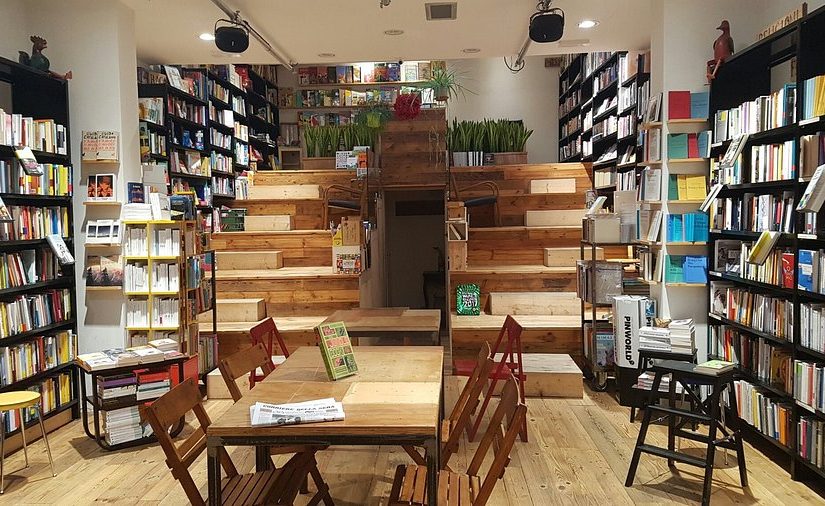
The Giunti Odeon Cinema became an unexpected, but welcome frequent hangout spot for me. After first hearing about it online, I checked it out during my first week in Florence and was drawn in by the unique atmosphere. By day, the place is a bookstore and study center that plays muted films in the background, and at night the store is closed so a movie can be screened like in a proper theater. Getting work done here was a common occurrence for me, and while it was often crowded, the free Wifi and general relaxed vibe made it one of my favorite destinations in the city.

Viareggio, Italy

This shot of the seaside town, Viareggio is a particularly stunning one to my eye. This was another place that I visited when my family came to see me, and I initially wasn’t sure what the town had to offer. We ended up renting some bikes from a very kind old woman in the park and rode down the coastline, eventually arriving at the end of a pier. From there, you could see the whole town laid out in front of you, and the view with the cloudline and the mountains in the background was incredible. I will never forget this moment, and I am grateful I got to share it with my family who were experiencing Italy for the first time.

Gatto

This cat was one of my favorite Italian denizens that I encountered during my stay. I ran into him on the streets of Lucca, the fascinating walled city just to the west of Florence. Lucca was the first place that I visited after arriving in Florence, and spending the day exploring really gave me the opportunity to slow down and relax for the first time since leaving the US. The journey over and the days leading up to it were so hectic, I often neglected the opportunity to take in the excitement of what I was doing. This cat, who seemed so comfortable in his environment, resting on pillows that lined the street like he owned the place, was a role model for me: take a second, chill out, and breathe.

Riomaggiore, Cinque Terre, Italy

It goes without saying that Riomaggiore, and Cinque Terre as a whole, is one of the most distinctive places in the country. The vibrant, multi-colored houses were totally new to me, and the only other place that mimicked this style that I saw was the island of Burano in Venice. I had some delicious seafood in Riomaggiore, and then spent the rest of the afternoon exploring all of its little nooks and crannies. More than anything, I wanted to witness things while studying abroad that I may never see again, and that was certainly the case here, as no town back home can really mimic this.

Trastevere, Italy

The days I spent in Rome were fascinating to me. It had such a different feel to it than anywhere else I went in Italy, and the mixture of ancient architecture with modern infrastructure and culture made for an irreplicable blend. For me, however, I was most pulled in by Trastevere, a generally low-energy neighborhood just outside the city center on the west side of the Tiber River. This was where I found the best restaurants in the city, and in general the more relaxed mood offered a soothing refresher from the hectic sights and sounds of the Eternal City. It lacked the iconic landmarks one typically associates with Rome, but I would recommend anyone traveling to the city to check it out.

Basilica di San Miniato

For my money, the best view of Florence can be found here at the Basilica di San Miniato. I discovered this spot during a walking class conducted by an FUA professor, and it instantly clicked in my mind as a place that I will remember for the rest of my life. Located just a short hike from the crowded Piazzale Michelangelo, the Basilica gives you such an incredible perspective on the city, and for me, going up there during my first month here was so valuable. When I think back on my time spent in Italy, the sights from outside this tranquil abbey will be one of the first things I picture in my mind’s eye.

Uniendo Culturas

The Beauty of Finding Home in Another Country

written by Paula Simon Borja for SPEL: Journalism

Han pasado cuatro meses desde que llegué a Florencia, una ciudad que parece suspendida entre el arte de su pasado y el desorden vibrante de su presente. Vivir aquí era un sueño que me había acompañado desde hace años, un anhelo casi romántico que por fin se hizo realidad. Nunca antes había vivido fuera de México, y mi llegada estuvo llena de asombro y pequeños descubrimientos: las cúpulas imponentes que recortan el cielo, los aromas embriagadores de la comida que escapan de las trattorias y la música de la calle que parece marcar el pulso de la ciudad. Desde el primer momento, algo en Florencia resonó en mi interior. La calidez de la gente, el ritmo intenso de las conversaciones y la devoción por la comida me resultan extrañamente familiares, como si en este rincón de Italia estuviera redescubriendo pedazos de mi propio país.

It has been four months since I arrived in Florence, a city that seems suspended between the grandeur of its artistic past and the vibrant chaos of its present. Living here was a dream that had accompanied me for years, an almost romantic longing that finally came true. I had never lived outside of Mexico before, and my arrival was filled with wonder and small discoveries: the imposing domes cutting across the sky, the intoxicating aromas wafting from trattorias, and the street music that seems to set the city’s rhythm. From the very first moment, something about Florence resonated within me. The warmth of its people, the lively cadence of conversations, and the devotion to food felt strangely familiar, as if in this corner of Italy, I were rediscovering pieces of my own country.

Entre todas las similitudes, la conexión con la comida es quizá la más entrañable. En Florencia, cada comida es un ritual, un acto que trasciende lo cotidiano para convertirse en una celebración. Recuerdo una tarde en el mercado central, donde los colores y aromas de los ingredientes frescos parecían cobrar vida: quesos curados, panes recién horneados, frutas maduras y embutidos artesanales. Me transportó a los mercados en México, donde los puestos de chiles secos, especias y tortillas recién hechas vibran con la misma energía. Mientras saboreaba un panino relleno de porchetta, pensé en los vendedores y cocineras que, tanto en México como aquí, son los custodios de un saber ancestral, portadores de tradiciones que se comparten a través de sabores y texturas. Visitar el mercado, aquí y allá, es un acto casi mágico que conecta a las personas con sus raíces y da forma a la memoria colectiva.

Among all the similarities, the connection to food is perhaps the most heartwarming. In Florence, every meal is a ritual, an act that transcends the ordinary to become a celebration. I remember an afternoon at the central market, where the colors and aromas of fresh ingredients seemed to come alive: aged cheeses, freshly baked bread, ripe fruit, and artisanal cured meats. It transported me to the markets in Mexico, where stalls of dried chiles, spices, and freshly made tortillas hum with the same energy. As I savored a Schiacciata, I thought of the vendors and cooks who, both in Mexico and here, are the custodians of ancestral knowledge, carriers of traditions shared through flavors and textures. Visiting the market, here and there, is a near-magical act that connects people to their roots and shapes the collective memory.

Pero no todo son coincidencias agradables. En una de mis primeras semanas, fui a registrar mi residencia temporal. Llegué temprano, con todos mis documentos en orden, solo para descubrir que las filas eran interminables y los procesos, laberínticos. Fue una experiencia que me llevó de vuelta a las oficinas gubernamentales de Ciudad de México, donde la paciencia es indispensable para navegar la burocracia. En ambas culturas, la burocracia tiene ese peculiar talento para recordarte que, aunque todo avance, hay cosas que parecen resistirse al cambio.

But not everything is a pleasant coincidence. During my first few weeks, I went to register for my temporary residency. I arrived early, with all my documents in order, only to find endless lines and labyrinthine processes. It was an experience that took me back to government offices in Mexico City, where patience is neccesary for navigating bureaucracy. In both cultures, bureaucracy has that peculiar talent for reminding you that, while everything else moves forward, some things seem stubbornly resistant to change.

El caos también se manifiesta en las calles. Las motos y camionetas manejan con una audacia que raya en lo temerario, los peatones desafían las leyes del tráfico con una despreocupación admirable, y los autos parecen fluir más por instinto que por reglas. Este desorden me resulta, curiosamente, reconfortante. Me recuerda al bullicio de las calles mexicanas, al ir y venir caótico pero lleno de vida que define nuestras ciudades. Incluso la suciedad en las esquinas, los restos de una noche animada, tienen ese aire familiar que habla de la humanidad que late en cada rincón.

Chaos also manifests in the streets. Bikes and vans drive with an audacity that borders on recklessness, pedestrians defy traffic laws with admirable nonchalance, and cars seem to flow more by instinct than by rules. This disorder feels, oddly enough, comforting. It reminds me of the bustle of Mexican streets, the chaotic yet vibrant movement that defines our cities. Even the litter in the corners, remnants of a lively night, has that familiar air that speaks of humanity pulsing through every corner.

Hay, sin embargo, aspectos más oscuros que conectan a Italia y México. Al poco tiempo de estar aquí, comencé a notar cómo ciertas dinámicas de poder impregnan la vida cotidiana de manera sutil pero innegable, como un murmullo constante que todos escuchan pero pocos mencionan abiertamente. Pensé inevitablemente en las redes de crimen organizado en México, en cómo sus historias se entrelazan con la realidad diaria, moldeando una parte del carácter colectivo. En ambos países, estas sombras son reconocidas pero no permitidas a definir la identidad por completo. Hay una resistencia a ceder el alma de la cultura a estas fuerzas, un esfuerzo por preservar lo mejor de cada lugar.

There are, however, darker aspects that connect Italy and Mexico. Soon after arriving, I began to notice how certain power dynamics subtly but undeniably permeate daily life, like a constant murmur everyone hears but few openly acknowledge. I inevitably thought about Mexico’s organized crime and how their stories intertwine with daily reality, shaping part of the collective character. In both countries, these shadows are acknowledged but never allowed to fully define identity. There is a resistance to surrender the soul of the culture to these forces, a determination to preserve the best of each place.

El machismo es otro terreno común, aunque aquí se manifiesta de formas distintas. Las historias de las mujeres italianas que luchan por sus derechos me recordaron las marchas multitudinarias de México, los cantos y los gritos de justicia que llenan las calles cada 8 de marzo. En ambas culturas, la lucha por la igualdad y la dignidad es un movimiento imparable, un eco que atraviesa fronteras y conecta a quienes se niegan a aceptar la desigualdad como destino.

Patriarchy is another shared terrain, though it manifests differently here. The stories of Italian women fighting for their rights reminded me of the massive protests in Mexico, the chants and cries for justice that fill the streets every March 8. In both cultures, the fight for equality and dignity is an unstoppable movement, an echo that crosses borders and connects those who refuse to accept inequality as destiny.

Y luego está el nacionalismo, ese orgullo ferviente que tanto italianos como mexicanos llevan en la sangre. Aquí, como en México, hay una devoción por proteger la lengua, las tradiciones, la historia. Pero también hay una solidaridad implícita, una lealtad silenciosa que parece decir: “En las buenas y en las malas, los tuyos siempre serán los tuyos.” Es algo que siento en los pequeños gestos, en la manera en que se cuidan entre sí, en cómo defienden lo suyo con pasión y amor.

And then there is the undeniable nationalism, that fervent pride that both Italians and Mexicans carry in their veins. Here, as in Mexico, there is a devotion to protecting language, traditions, and history. But there is also an implicit solidarity, a quiet loyalty that seems to say: “Through thick and thin, your people will always be your people.” It’s something I sense in the small gestures, in the way they care for one another, in how they defend what is theirs with passion and love.

Ahora, mientras miro por la ventana de mi pequeño departamento florentino, las campanas de una iglesia cercana resuenan con una melodía que ya me resulta familiar. El aroma de una trattoria invade el aire, mezclados con el eco de pasos sobre los adoquines. Pienso en los sonidos vibrantes de México, en el calor del sol que abraza incluso en invierno, en los volcanes que custodian el horizonte de mi país. Las diferencias entre estas dos culturas son apenas un matiz. En el amor por la vida, la comida, la familia y la resistencia ante la adversidad, somos, al final, mucho más parecidos de lo que jamás imaginé.

Now, as I look out the window of my small Florentine apartment, the bells of a nearby church ring with a melody that has already become familiar. The aroma of a trattoria fills the air, mingling with the echo of footsteps on cobblestones. I think of the vibrant sounds of Mexico, the warmth of the sun that embraces even in winter, the volcanoes that guard the horizon of my homeland. The differences between these two cultures are few. In their love of life, food, family, and resilience in the face of adversity, we are, in the end, far more alike than I ever imagined.