The Art of Busking: Florence’s Relationship with Street Performers

written by Ava Lees for SPEL: Public Relations

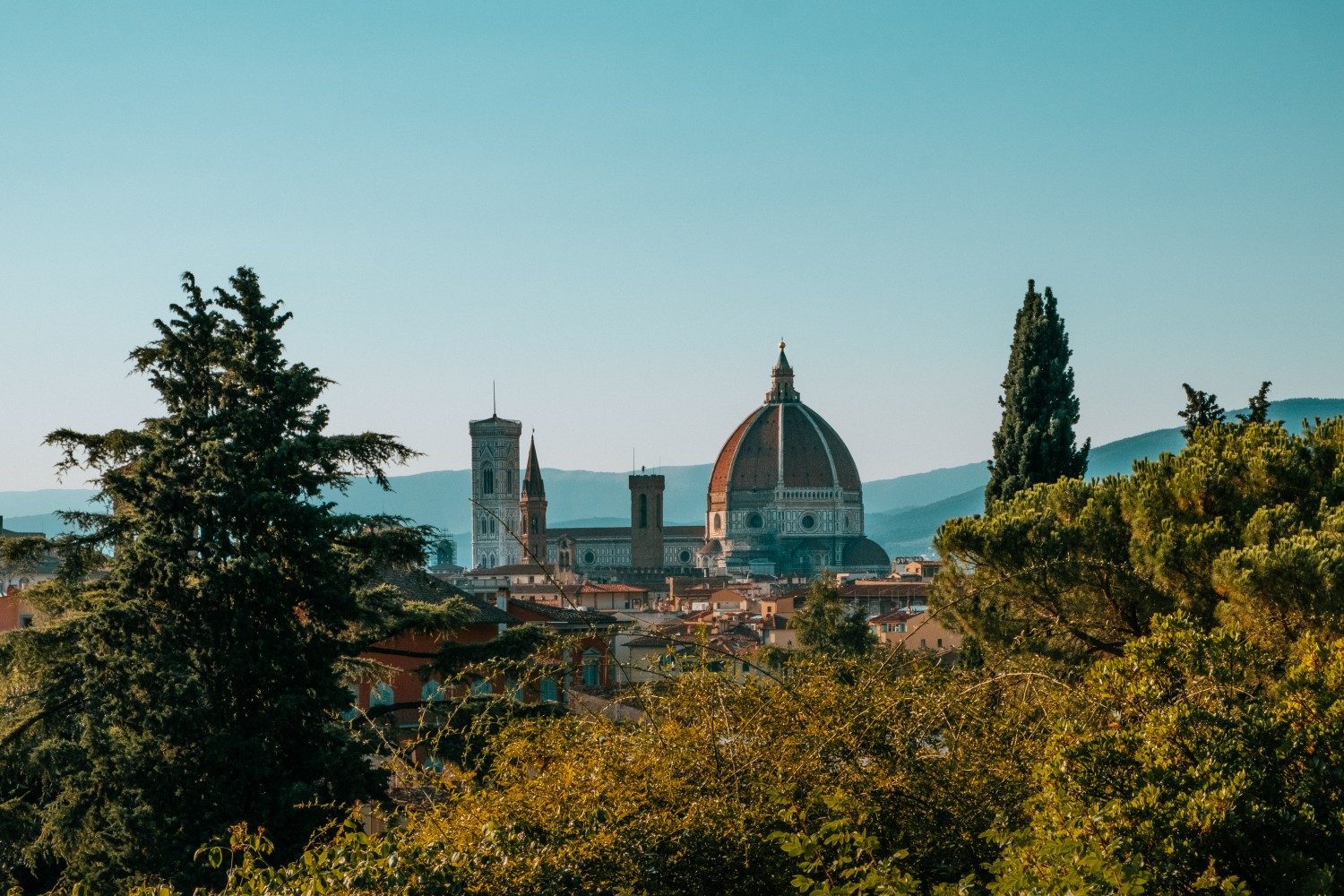
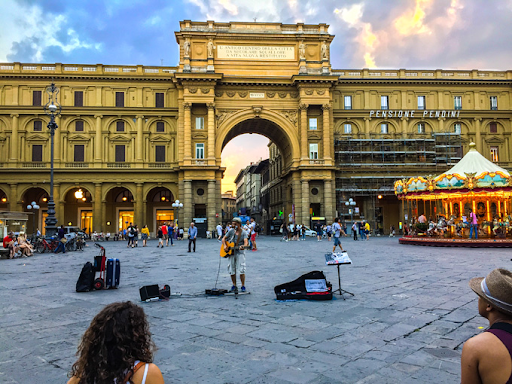
When walking around Florence, it’s difficult to miss the wide array of street performers who make their living displaying their talents in front of famous landmarks like the Duomo and Ponte Vecchio. All different types of performances from singing to puppeteering can be seen across the city, adding to the rich culture of art here. Florence’s streets often echo with the vibrant sound of guitars, violins, and even the occasional accordion, as artists fill the air with melodies that seamlessly compliment the city’s centuries-old architecture.

Street performing, or busking, has been around for centuries and has been present in Florence since the Renaissance era. During the Renaissance, Florence was not only the center of intellectual and artistic innovation but also a city where art and life intertwined in the most public ways. The streets were alive with performers entertaining and inspiring everyday citizens. These street artists brought art to the masses, making it accessible to people from all walks of life, and fostering a unique communal experience in public squares. This has carried into the culture of the city today, although there are a few more regulations around it. 

In my short time in Florence, I’ve seen dozens of different performances by buskers. I remember the first time I came across this was during sunset as I was taking a walk over Ponte Santa Trinita. Before I could see anyone, I could hear the music floating through the air and adding to the atmosphere of the gorgeous scenery of Florence. A crowd had gathered around a woman as she sat on the bridge playing the violin for a mix of both tourists and locals who were on the bridge to watch the sunset. It felt like a scene straight out of a movie and since that moment I have found the street performances in this city captivating. 

After witnessing dozens of talented buskers around the city, I started to wonder how these artists make their money. In recent years, Florence has implemented fairly strict laws when it comes to allowing people to busk, so it isn’t as simple as setting up and playing music. They’ve implemented a licensing system that performers can use so they can all display their talents without stepping on each other’s toes and causing chaos in the city. 

The license requires planning about a month in advance and costs fifty dollars a week for performers to be given a designated space for up to seven days in a row. Once performers do have a license, they are given guidelines to follow, such as having a two-meter square to perform in and reserving spaces at least ten days in advance. The regulations are so strict that even using a chair while performing incurs an additional 50-cent charge a day. 

Despite the regulations and logistical challenges, the spirit of busking in Florence continues to thrive, bringing life, music, and creativity to the city’s streets. These performers are not just providing entertainment, they are keeping alive a centuries-old tradition that has shaped the cultural fabric of Florence. The city’s unique blend of history, art, and strict modern regulations ensures that while Florence evolves, it remains a haven for street performers who enrich the daily lives of both locals and visitors.

Transportation Follies

written by Jack Wardynski for SPEL: Journalism

After a busy first full week of classes and internship work, I thought a weekend trip to the nearby town of Lucca would suit me well. I had heard from both my professor and a previous study abroad student how unique the famous walled city is, and I was eager to get a look at it for myself. A €25 round trip by train, plus the cost of a few meals, should make for an easy, cost-effective day.

“Should” was the critical word of that sentence. As my train pulled into the station in Pescia, just a few stops before Lucca, an announcement came over the speakers, and everyone started to pour off the train. Since my Italian is così così at best, I wasn’t sure what was going on, but I figured I should follow the pack. It became clear to me, based on people’s perturbed expressions and some highly agitated phone calls, that the train was not going to Lucca as originally planned. Instead, buses would be coming to take us the rest of the way. The issue: there were easily over a hundred of us waiting outside the station, much more than could fit on one or two buses. I settled in next to a friendly-looking group conversing in Italian and prepared for a long day.

Goodbye, Home

This latest public transportation folly sparked flashbacks to my initial journey from the U.S. to Florence just a few weeks prior. My flight out of O’Hare International Airport in Chicago was scheduled for 7 p.m. local time on August 27. Nature had other plans, however, as a massive storm with sideways rain and petulant lightning cut through the darkness outside. The plane took off two hours later than expected, which, considering my layover in Iceland was only meant to be one hour, presented an issue.

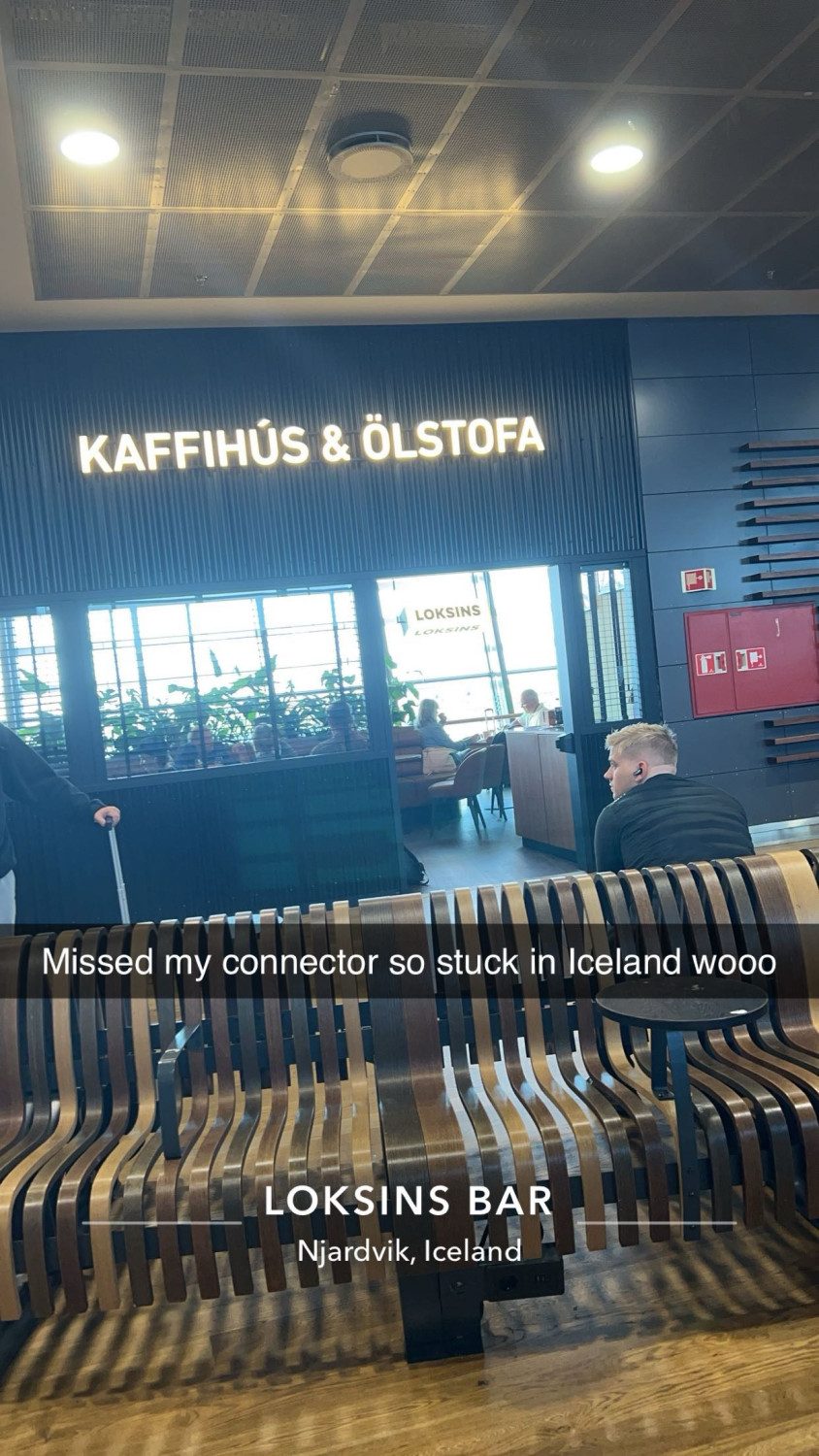
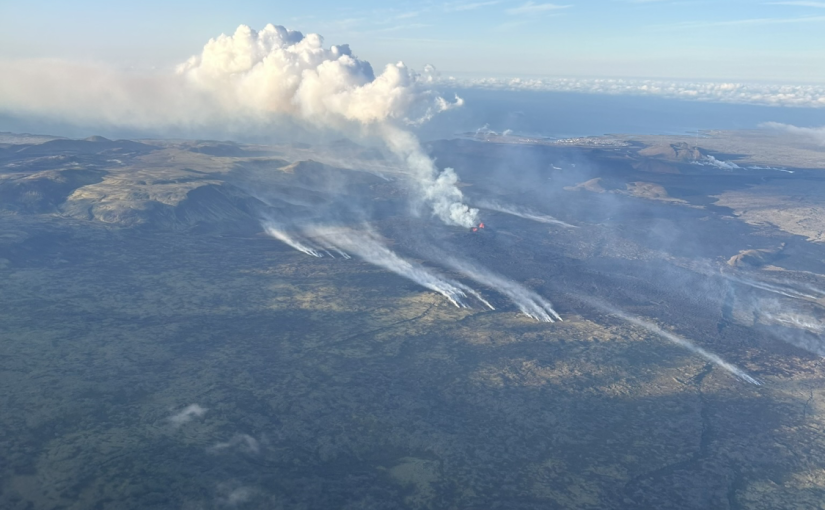
Five hours later (ten with the time zone change), we landed outside Reykjavik and I received the bad news: there were no more flights into Rome for the day, so I would have to stay the night in Iceland and depart the following morning. Thankfully, the good folks at Icelandair were kind enough to give me and the rest of the wayward travelers on Flight 852 free lodging and meals at a nearby hotel. After getting bused to our home for the night and receiving my room key, I promptly crawled into bed and crashed. I have never been able to sleep on planes, so I had been awake for around thirty hours straight at that point.

Icelandic Wake-Up Call

I awoke in the evening and decided to explore this new, exotic land. When one pictures themself visiting a foreign country for the first time, I don’t think many envision it being Keflavik, Iceland, but the universe works in mysterious ways. With all due respect to the people of Iceland, there wasn’t an extraordinary amount of things going on during a random Wednesday in late summer, though there were some beautiful sights. I ordered dinner at a small local joint called Kentucky Fried Chicken and returned to the hotel, only to learn that the bus to the airport would leave at 4 in the morning. Thankfully, my circadian rhythm was so out of sorts that getting up at 3 a.m. was no problem for me. For those keeping score, it is now the 29th. Upon returning to the airport, however, my problems only deepened.

Apparently, the airline had not booked me for a flight directly into Rome like I assumed, but instead a flight to Germany with a five hour layover before a connector into Rome. Panic started to settle in around now, as this meant I would miss the check-in time at FUA. Thankfully, one of my friends would grab my apartment keys for me, so that at least was taken care of. With no alternatives, I resigned myself to my imminent stay in Germany’s Frankfurt Airport. Fun fact: Iceland’s airport has no jet bridges, so you have to take a bus to and from the plane.

My brief excursion to Germany was largely uneventful; I ate an overpriced cheeseburger (Germans, why do you put cucumbers on burgers?), failed to locate a water fountain, and watched some anime. I did have a brief scare before boarding the flight that my luggage had been lost, but luckily this was sorted out eventually. If you thought this particular leg of the journey would go smoothly, I would question how closely you were paying attention to the rest of this blog. No, the flight was delayed an extra 90 minutes, because of course it was, and my eventual arrival in Florence was looking more and more dubious.

All Roads Lead to Rome, But Only Some to Florence

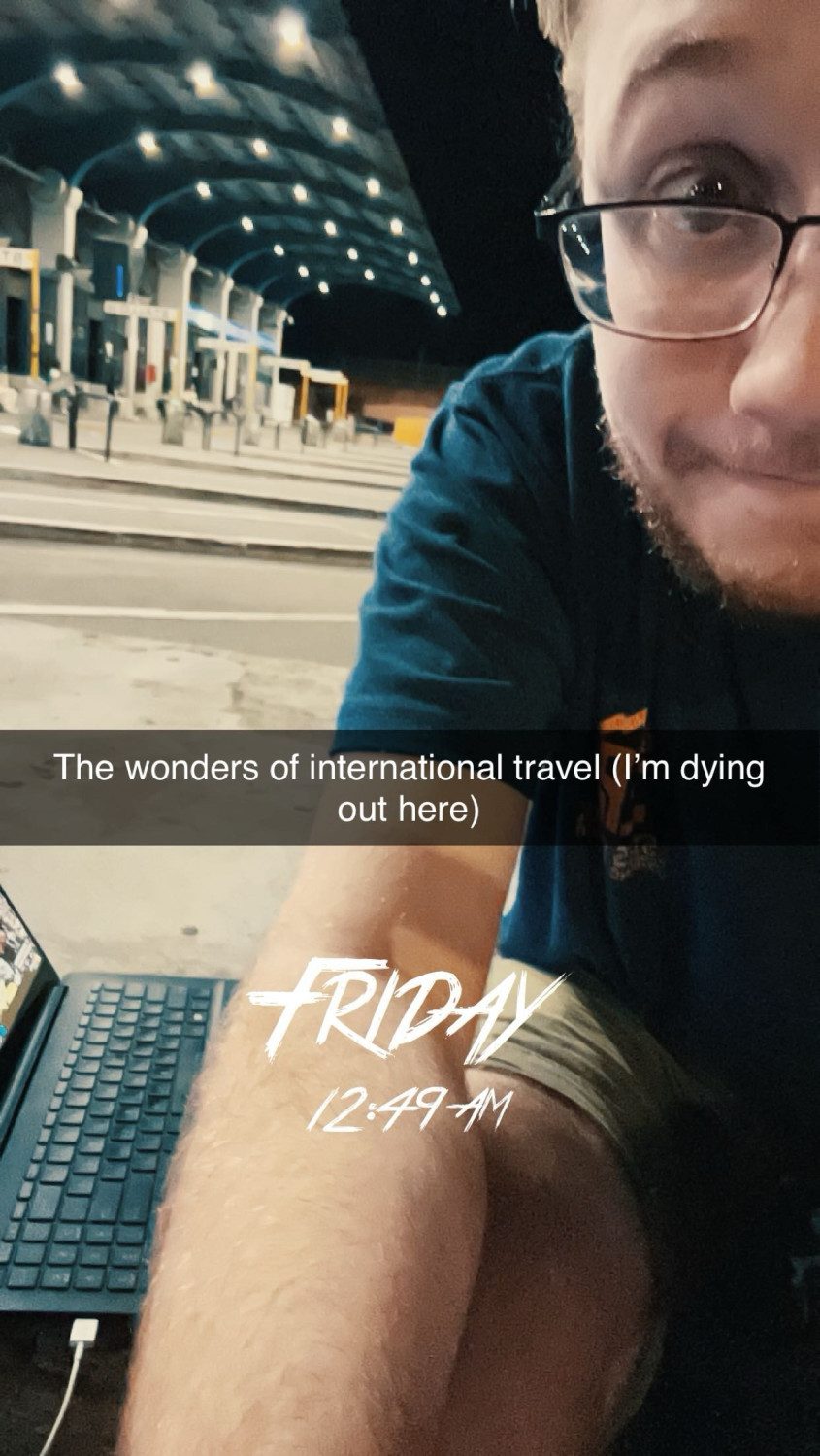
We touched down at Fiumicino Airport around 10:30 p.m. Finally, Italia! After a quick train ride to Roma Termini, all I needed to do was hop on a late train to Florence and… there were no more for the night. There were outgoing trains to seemingly every town in the entire country, but no Florence. It was around this point when my grip on reality started slipping. The prospect of roughing it in the station until the first train left at 6 a.m. began to break me. The idea of calling it quits and returning to the States a defeated man seemed almost more appealing. A phone call with my mother refocused me, however, and I settled for an overnight bus to Florence departing at 1:45 a.m. My Uber ride to the bus station with my trusted driver, Adam mimicked the great Roman emperors as they would parade through the city’s streets in their grand chariots pulled by mighty steeds.

After an hour waiting at the bus stop, the journey continued. Again, I have been cursed with an inability to doze off on moving vehicles, so I settled in for four hours of staring at the seat in front of me. It was on this bus that I realized that the date was August 30, which meant I was now 22 years old. I have never been one to enjoy the pageantry of a birthday celebration, but this particular milestone felt especially irreverent. As the sun rose on the Tuscan countryside and another year of my life, we pulled into Villa Costanza, a final destination further from the city center than I had anticipated. I grit my teeth and ordered a whopping €50 Uber to take me to Corso Tintori, where I would, at long last, acquire the key to my apartment, where sleep awaited me.

A Traveling Companion to Lucca

As I sat at the train station in Pescia, listening to the exasperated chatterings of the people around me in languages I mostly couldn’t understand, I realized the key mistake I made during my previous Sisyphysian travel extravaganza. Though I was going from country to country, city to city, airport to airport, I saw many familiar faces during those days on the move. A number of the people I sat alongside on that first plane out of Chicago were still with me on the final flight to Rome. Even still, I never made connections with them, after due to exhaustion, agitation, or plain indifference.


This time, I did not want to make the same error twice. So, I introduced myself to a man close to my age traveling with his mom. He spoke English and Italian and took the bus with me to Lucca. We talked the whole way about Italy, America, and what we each like (and dislike) about our home countries. Upon arriving in Lucca, we exchanged contact info, and he told me to reach out when I go to his home city of Venice. I had gone from a solo traveler to someone making valuable connections.

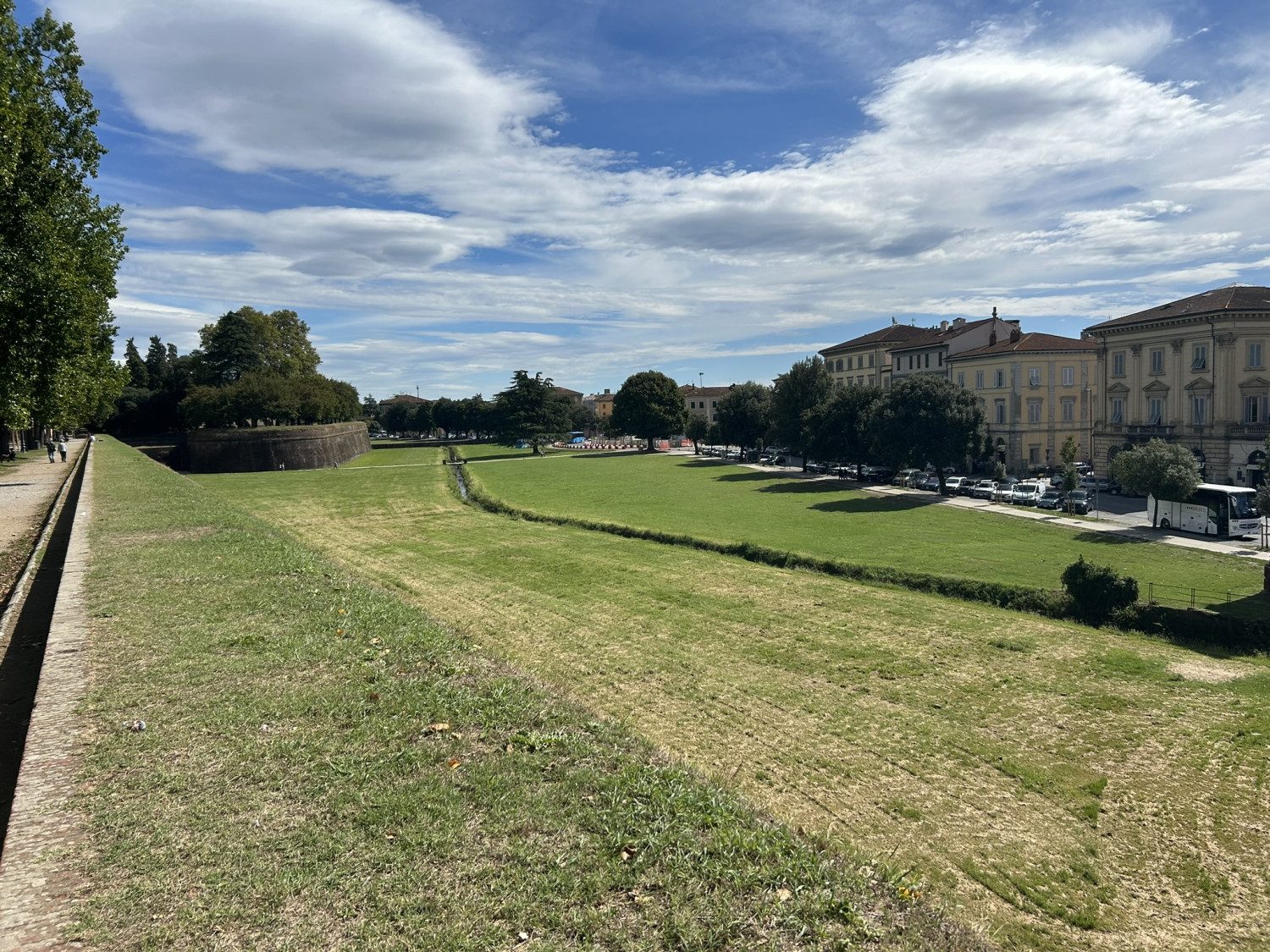
Lucca was beautiful, and a more than worthwhile place to spend a day. The walls were exactly as advertised; I walked the entire perimeter and then some. I climbed the Guinigi Tower and got a view of the whole town, then had the most delicious gelato I’ve ever tasted. Thankfully, my return trip to Florence went smoothly; the train actually went as far as it was supposed to this time. These lengthy transportation mishaps, while frustrating in the moment, demonstrated to me the real joy that can come from being a world traveler. Plus, they make for good stories, which is always nice.
Italy From the Lens of Media, and the View From Reality

written by Alex Daggett for SPEL: Journalism

Italy has become one of the most popular and sought after destinations for travelers in the past decade, and this tourism boom has been heavily contributed by depictions of Italy and Italian culture in American media. However, the way that this representation in popular movies, pop culture, and television shows has portrayed the country does not accurately reflect the current landscape and culture of Italy. After living and studying in Florence for the past 10 weeks, I have sought to examine the differences in expectations set by the media, and the reality of the country. 

One of the main reasons that I had such an affinity for Florence and Italy was the rich history, the art, and the culture that I have been studying and reading about for years. However, it is becoming more and more common for people to travel to Italy because of the images and ideas of the country that have been pushed out and popularized by American media. The issue of this is that these depictions are not accurate, and portray a romanticized version of the culture and country. Thus, leading to travelers who seek these unrealistic expectations being left with disappointment, and an unfair resentment for the true Italian culture. Some of the common tropes and ideas that I have seen being pushed come from very popular movies and television shows, such as the romanticized version of Northern Italy in the film, ‘Call Me by Your Name’. 

While many go to Italy expecting to see the same lush landscapes and sprawling villas that are portrayed in the feature film with Timothée Chalamet, they are confronted with the fact that Italy is not the perfect utopia that is depicted in the film, but rather a real living country, with a diverse and intricate community from all walks of life. This is not a bad thing at all, and part of what makes Italy so special to me, but to many who have watched this film, they are expecting reality to align with Hollywood. When they are inevitably confronted with the truth of the situation, they unfairly direct their anger at the country and the people who did nothing but get stereotyped by Hollywood. In my personal experiences, I have found some amazing small towns and beautiful surroundings, that are nothing like what is shown in movies, but are even more amazing than the cliche scenes in movies. Seeing actual vineyards, with real farmers, and to see real homes that you can tell people actually live in rather than just decorated like they are in magazines is so much more personally fulfilling to me, and I wish that was what was shown in these movies, rather than an idealized version of reality.  

The language barrier is also something that many tourists are not prepared for, as in films such as ‘Call Me by Your Name’ or the hit series ‘The Sopranos.’ In these forms of media, characters are portrayed as speaking mostly English with a vague ‘Italian’ accent, and that is the image that is seared into the brains of the viewers, setting them up for disappointment when they realize that most Italians speak their actual native tongue. That is part of the immersive experience, to try and learn someone else’s language, while you are in their country; it is selfish to expect the opposite. ‘The Sopranos’ also paints a scene of Italy where everyone is connected in some form to the Mafia, or organized crime, and this is also simply not the case. 

The problem also lies in expectations set by Italian-American culture, that many have internalized as just purely Italian. The most obvious example of this would be the differences in food, and dining culture. While many Americans think that the dishes of Spaghetti and Meatballs, thick and creamy Fettuccine Alfredo, and Chicken Parm, are dishes that they can find that are native and from Italian culture, they are actually creations from the blending of Italian immigrants and American culture, that only exist in the states, and are not actually from the country of Italy itself. This culture shock is often hard to adjust to for many travelers, and unfortunately many restaurants have started making these Italian-American dishes exclusively for travelers to eat because it is what they expect of Italy, causing many tourists to completely miss out on proper and authentic Italian cuisine. This is defeating the entire point of traveling. The failure to appreciate true Italian culture is heartbreaking to see, as I have found so many amazing dishes that I could never find in the United State. These dishes have actual history and roots from the country of origin, and are not portrayed nearly as often in American media. There is a large disconnect between what is portrayed in the media that is classified as ‘Italian’ and what you actually find in Italy, which is sad to see, because the real Italy is far more interesting than the version that is shown to Americans in the media. In order to appreciate the true beauty, one must set aside past baisers from media, and experience the culture authentically. 

Arcetri’s Ambiguity: A Hidden Escape

written by Amber Roldan for SPEL: Journalism

A 27-minute walk.

0.9 miles away from my apartment in the heart of the city center. 

Where would it lead?

Would the noise fade? Would tourists disappear?

I typed “Chiesa di San Leonardo in Arcetri” into my phone as I descended four flights of stairs.

I love living in Santa Croce, but existing in such excitement can become overstimulating.

The walk started similarly enough to routes I have taken dozens of times before. 

Past the basilica, over the river.

Usually, once I cross the river I turn left or right.

Left towards Piazzalle Michelangelo, or right towards Santo Spirito.

Today I went straight. Straight up a road I never noticed before. 

A road I have passed and neglected countless times.

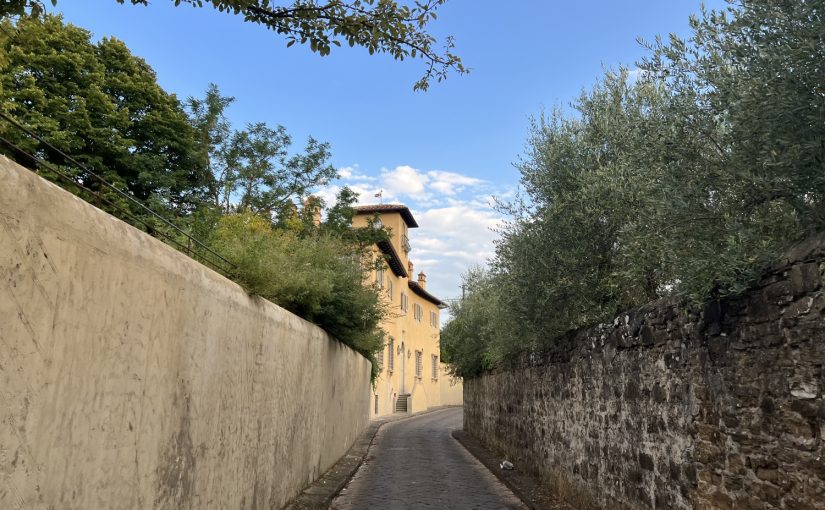
As I climbed up Via Di San Leonardo, the curved roads invited me to discover what they were hiding.

The further I climbed, the quieter it got.

Street noise was replaced by the sweet song of birds.

Do the birds not sing in the city center, or is it just too loud to hear?

As I continued my climb, my calves felt the impact of the increased elevation.

I passed a few locals: a couple holding hands. A woman walking her dog.

Should I be concerned that the further I get the more alone I am?

Why do I feel safer in the empty streets of a foreign country instead of crowded streets at home?

My lack of fear was both frightening and invigorating. 

I stopped to take in what was in front of and behind me. 

Unable to see the beginning or end of the street. 

Like my study abroad experience, I knew what was at the beginning but not what lay ahead.

An orange tree sat perched in front of Chiesa di San Leonardo in Arcetri.

Full of bright promising fruit, the tree appeared untouched.

Oranges littered the sidewalk after falling from above.

No one to taste, but animals living close.

How can such a scenic street remain so untouched?

Walking the empty streets felt like a privilege.

A privilege that came with a promise.

A promise to not exploit.

Arcetri’s ambiguity allowed me to reflect on the last 12 weeks I spent living in Florence.

I think I’ll always remember the streets and serenity of Arcetri. 

As I began my descent, I stopped in an alley with a gate overlooking the city. 

Viewing such a vibrant city in this intimate way, filled me with immense gratitude.

Arcetri. A 27-minute walk.

0.9 miles from my apartment in the heart of the city center. 

Over the river, past the basilica.

Where the noise fades and the tourists disappear.

A Viewing of Gris-Eye

By Shelby A. Winter

“Interpretation is the revenge of the intellectual upon art.” 
Susan Sontag

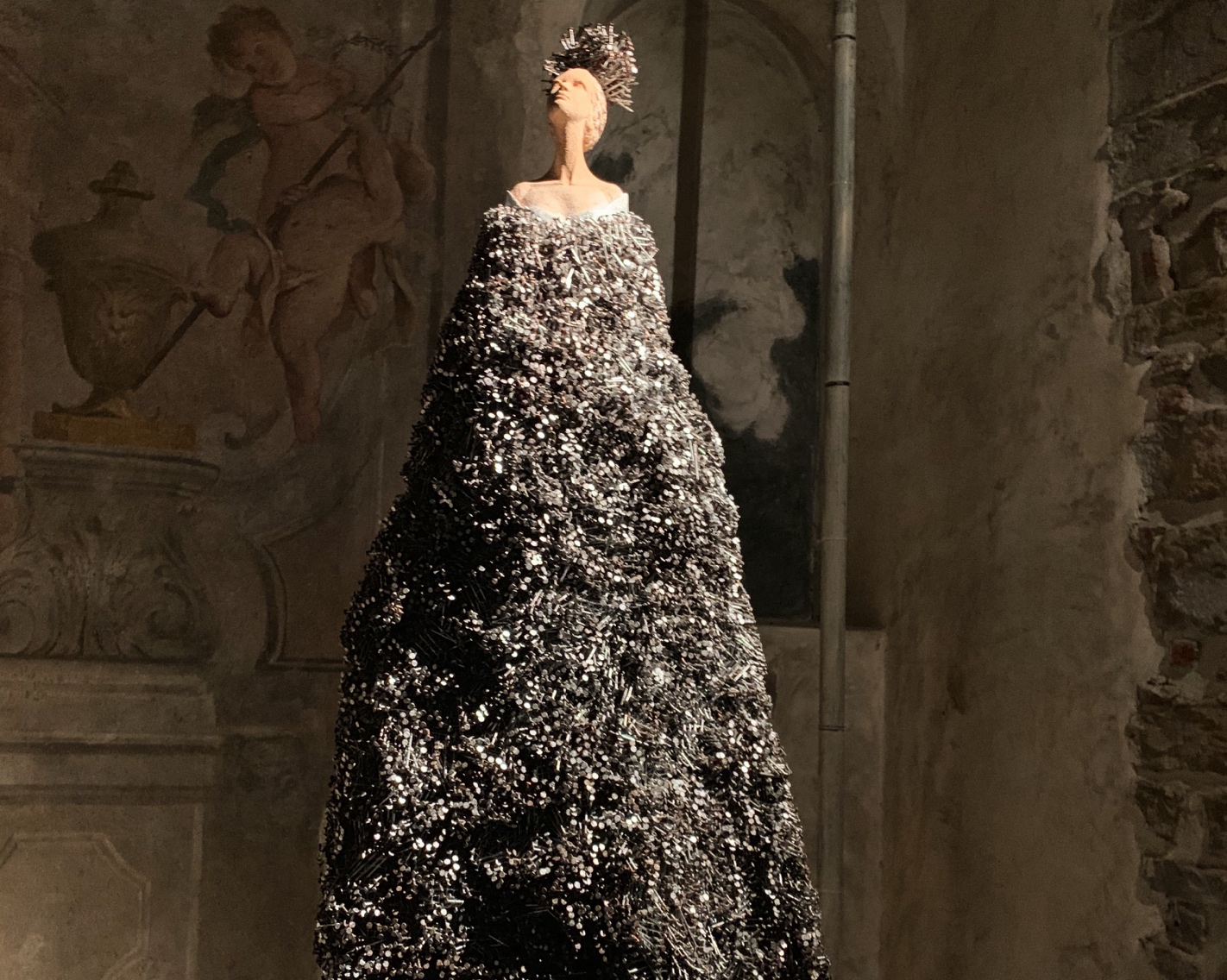
On November 6th, 2019, Antonia Comi displayed her artwork at Florence University of the Arts (FUA), an American University in Florence, Italy. As a novice art writer, I chose to attend this show blind, hoping to simply see the walls of paintings and drawings without being influenced by too much information on the artist and the intentions behind her artwork.

Continue reading A Viewing of Gris-Eye

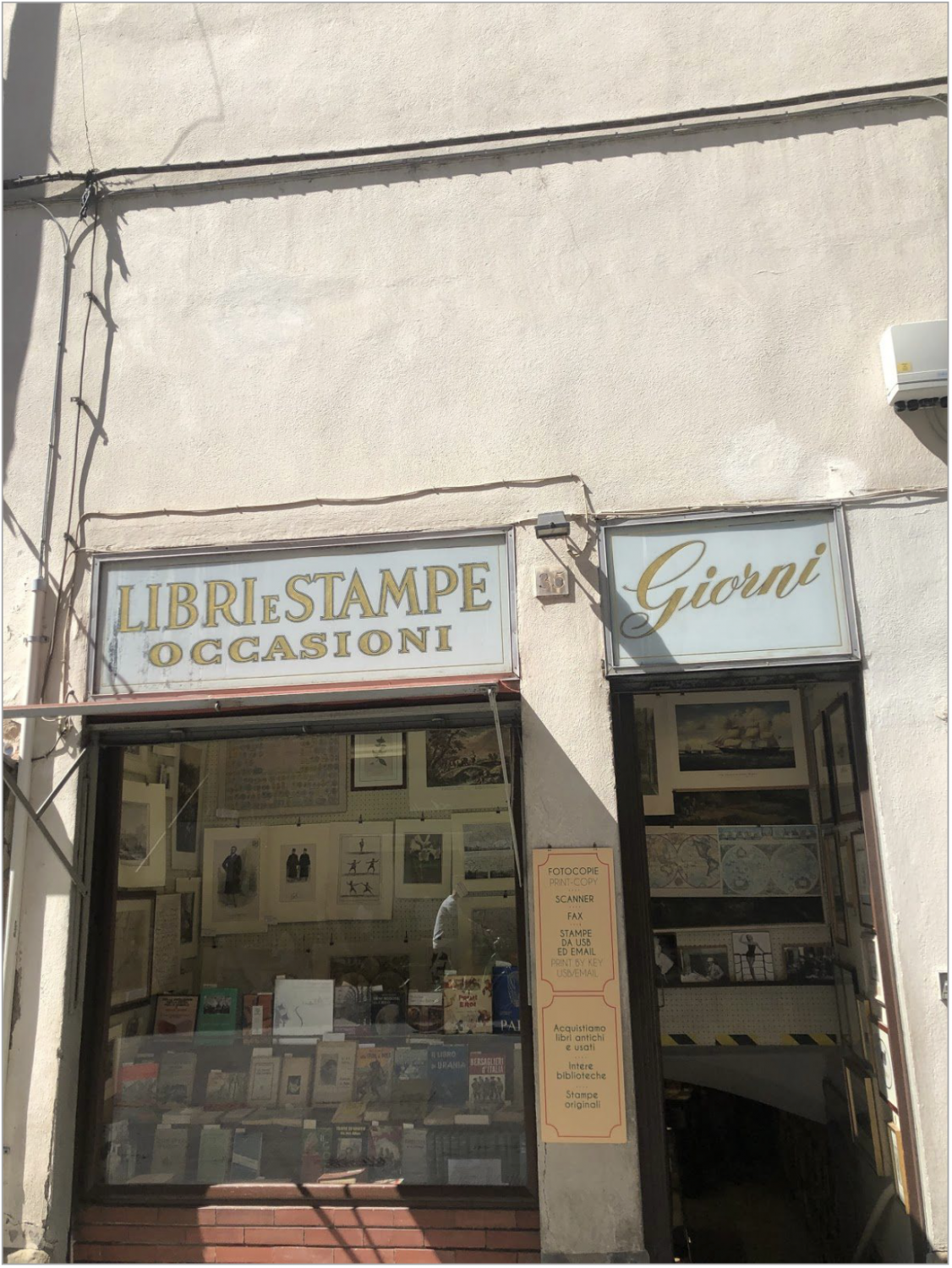
The Giorni Bookshop: a true Italian relic

By Joe Barmashi
Photos By The Author

Founded in 1936, The Giorni Bookshop is one of the most notable bookstores in Firenze. A man named Giulio Montelatici founded this influential store and named it after his wife, Maria Giorni, and has been a family run business ever since. The current manager is Francesco Piatolli, who is the great grandson of Giulio Montelatici.

Continue reading The Giorni Bookshop: a true Italian relic

Why Florence Makes Me Want to Ditch My Social Media

By Chelbie Smith
Photo from Unsplash

Social media is probably one of my favourite outlets for not only communication, but also to platform my thoughts and creativity. I mean how amazing is it that I can connect to family who are thousands of miles away just by a few clicks? They can stay updated on what I am doing in all of my posts appreciating the charming, Firenze. But now that I am living in a town during tourists’ peak, it has made me question my treasured social media.

Continue reading Why Florence Makes Me Want to Ditch My Social Media

The Quiet Artistry of Florentine Wig Making

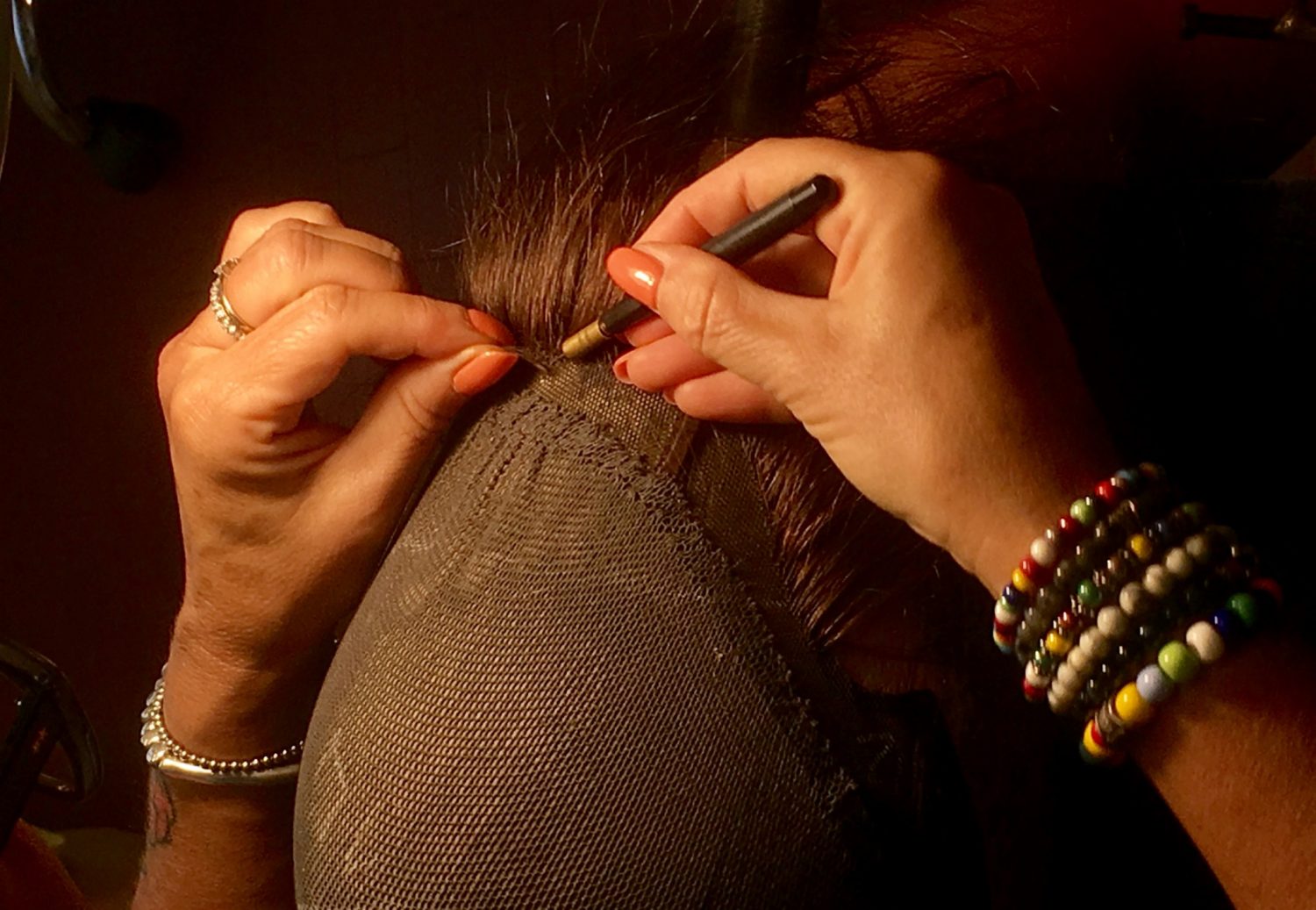
Artisan crafting a wig in the Filistrucchi workshop

By Quincey Caldwell
Photo by the Author

When picturing the historic sights and spots of Florence, it is often people’s first instinct to imagine the grand churches and monuments that adorn the streets. While these attractions are significant in defining the culture of the area, they are not the only means of taking in the richness of the city’s past. For a look into a unique strain of Florentine artistry, one need not look further than Filistrucchi.

Continue reading The Quiet Artistry of Florentine Wig Making