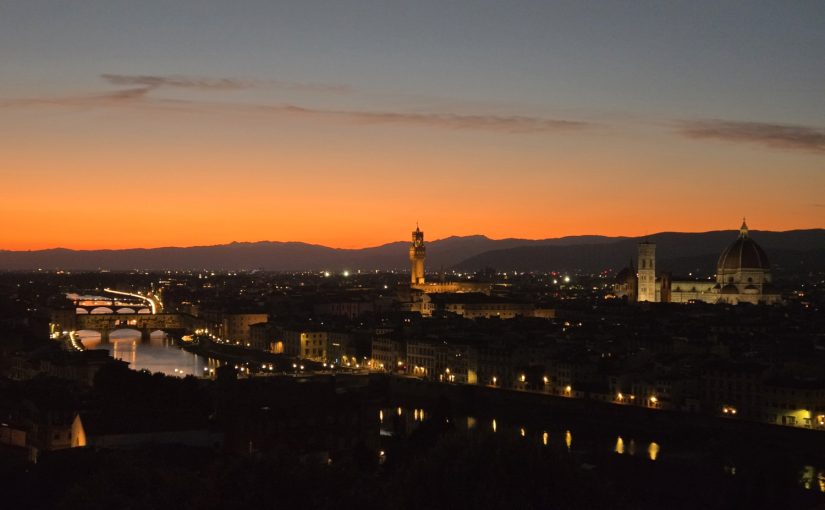
A “Carless” Chronicle: What I Learned Trading My Keys For a Passport

written by Logan Grigsby

At first, I was nervous about trading my sedentary, car-dependent life for the walkable streets of Florence. I was nervous about getting lost, accidentally walking into the “bad side of town,” or simply not being able to physically walk that far. However, walking in Florence led me on a journey of self-discovery, connection, and helped transform me physically, spiritually, and emotionally.

In my hometown of Kansas City, going just about anywhere meant getting in the car; heck, I couldn’t even take my own dog on a walk without driving somewhere! My lifestyle was very sedentary most days; I would only walk a couple of thousand steps. I felt unhealthy, and walking more than a few blocks felt foreign to me. However, I knew even before I arrived in Florence that I wanted to trade my car keys for a passport and a nice pair of shoes. I knew I wanted to explore the city, and I knew I wanted to be healthier and happier. I never could have imagined the transformation that was in store for me, physically, emotionally, and even spiritually, and the love I would gain for Florence. This is my journey on how simply walking has changed my perspective and my life.

As I mentioned before, I was in pretty rough shape. I didn’t exercise, I didn’t go to the gym, and I was considered by most to be a “couch potato” stuck in a constant loop of getting out of school, plopping on the couch, and doom scrolling TikTok or Instagram for hours, never seeing the beauty in front of me.

My journey started small. Let me tell you, the first week was a challenge. We had a heat wave, and my body was just not used to walking around. At first, my body screamed when I had to walk across town for class, and don’t even get me started on the hills… Although, as time went on, I started shedding off fat, and the steps got easier as every day went by. At first, I struggled to hit seven thousand steps. I soon found I was disappointed in myself if I got anything less than fifteen thousand.

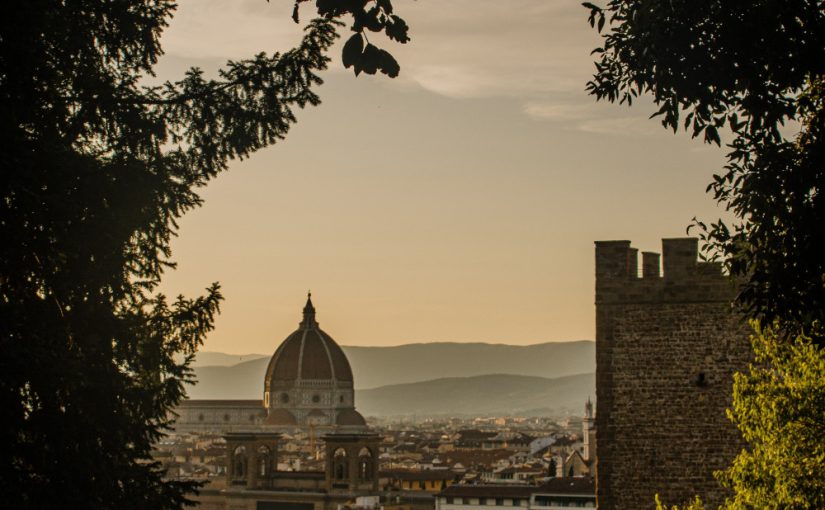
I remember my first week here attempting to make the trek up to Piazzale Michelangelo; A wonderful square with a beautiful look over the city. It was not the easiest hike. I remember having to stop and take breaks constantly. I drank nearly a gallon of water and I genuinely thought my body would give up on me. I decided to retake that journey during my final week in Florence, and not only did I not need any breaks, but I also found I was genuinely enjoying my journey up the hill!

A healthier lifestyle isn’t all that I found; the true magic of a walkable city isn’t the exercise, but it’s the hidden treasures you find along the way. Things you wouldn’t bat an eye at if you were driving in a car. Wandering aimlessly through the city quickly became a favorite pastime of mine. I didn’t know where I was going, but every day I would pick a new direction and set off. This led to some genuinely life-changing experiences.

During my first week, I found what I assumed was a small, unassuming bookstore. I honestly went in for the air conditioning; however, it turned out to be the legendary “Giunti Odeon,” a library and cinema, and what many locals have told me is one of their favorite places in the city. This quickly became one of my favorite spots to study, hang out, or just relax and watch a movie.

Then, one day while walking along the river, I stumbled upon “The Ultravox,” a truly unique outdoor event space that regularly hosts free concerts and offers a vast array of food options. I must admit, I fell in love.

One of my more memorable experiences was discovering “The Havana Club,” a small area on the river that the Cuban embassy officially recognizes for showcasing their culture in Florence. This is a place where I truly connected with the area and grew culturally. I remember walking up to the sand volleyball court quite nervous and sheepishly asking if I could join in, and before long, I had made a group of friends with local Florentines! They would eventually convince me to take to the dance floor, something I never considered, as I always thought that I had “two left feet.” I was so anxious, I thought I was going to throw up, but surrounded by people with positive attitudes and energy, I quickly found myself learning to Salsa dance. Who would have thought that I would learn to Salsa in Florence, of all places.

Of all the things I have done, if I hadn’t decided to just go on a walk, I would have never had these amazing experiences.

My walks have allowed me to truly appreciate the art and history of the city, which permeates it. My first time walking into Piazza della Signoria, I honestly was at a loss for words. Surrounded by breathtaking architecture, beyond lifelike statues, I have never experienced anything like that, and it will forever be a memory in my mind. Back home, I felt like I never took the time to “stop and smell the roses,” and appreciate the beauty surrounding me; however, in Florence, it is unavoidable.

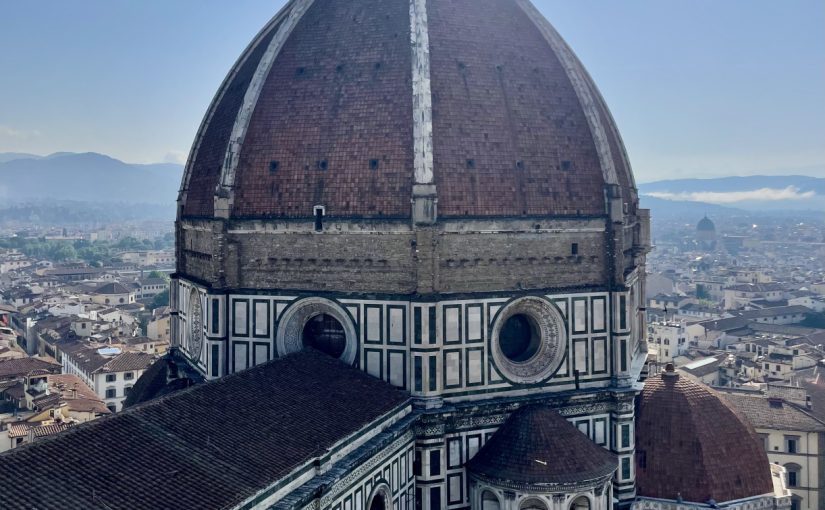
My appreciation for Florence extends beyond the architecture, though. What truly makes Florence so special is the people who make up the city. Every day I see something new and special, from seeing artists freehand the Mona Lisa on the street with chalk, to guitars and accordions filling the streets with sound, to my first experience with Opera music on the front steps of the Duomo, the melodies of this city have filled my heart and soul.

My most spiritual moment came from walking down the street and discovering a small church on the street corner where I saw locals walking in and out of. I don’t usually consider myself a religious person, but something drew me to it, and I decided I needed to walk in and see the building for myself. It was quiet, it felt holy, but it also felt warm and welcoming. Before coming to Florence, I attended the funeral of a friend near and dear to me and was still struggling a bit with the loss, so I decided to do something I haven’t done in a very long time: I sat and I prayed. I talked to my friend who left too early, I spoke to my family who left this earth too early, and I sat and I prayed. This was a tremendously difficult moment for me, but I honestly felt a weight off my shoulders, and I felt a connection I hadn’t felt in a long time. I honestly felt like a changed person.

My time in Florence has taught me so much. At first, I thought getting more steps in would at best help me lose some weight and breathe a little deeper, but that couldn’t be further from the truth. It builds a sense of community and connection. I love running into my flatmates or classroom friends that I have made here, who may also just be aimlessly walking around, an experience that never happens back home. Trading my keys for a passport was a nerve-wrecking experience at first, but I now know it’s one of the most rewarding experiences of my life. It forced me to slow down, to pay attention, and engage in my new home. I’m not just living in Florence, I am discovering it one step at a time. This experience has changed my body, my heart, my mind, and my soul in the best way possible. I will forever be grateful for my experience here.
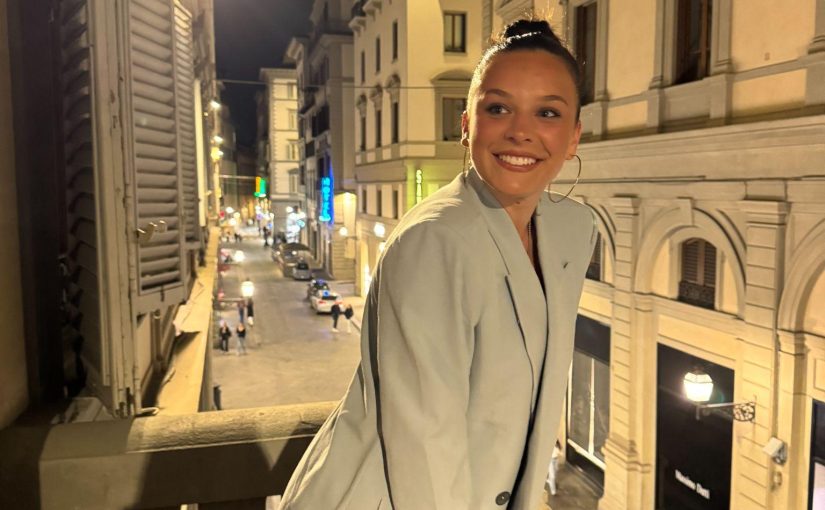
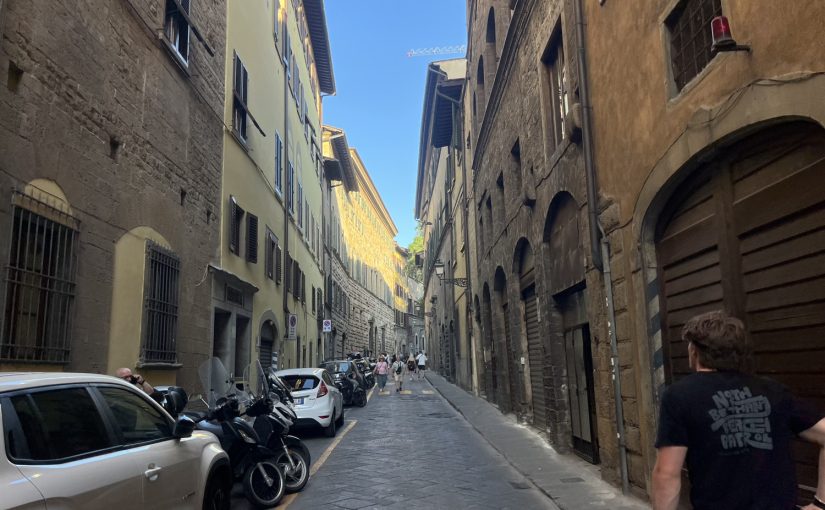
Finding A Home In Florence

written by Brooke Beste for SPEL: Public Relations

Living abroad isn’t always picture-perfect. Through culture shock, homesickness, and self-discovery, I’ve learned that finding “home” in Florence takes time, patience, and an open heart. This is my journey.

I have currently been away from home for 13 weeks… not that I’m counting. While being away and immersing myself in a new culture, I’ve discovered that I value energy and the overall ambiance of my environment. I love to observe and analyze culture, food, individual attitudes, and especially fashion. Over time, I’ve found my favorite places—and a few dislikes—within Florence. I’ve explored other countries and experienced different ways of life, but I’ve come to a solid conclusion: the way Italians live is unlike anywhere else I’ve visited. 

While Florence is often portrayed through the lens of grand cathedrals and iconic artwork, I’ve learned that the real soul of the city is found in its quiet corners, local rituals, and everyday encounters. As a student living and studying here, I’ve discovered that capturing these moments through photography offers a more intimate and authentic narrative of Florence—one that goes far beyond the postcard image. 

At first, the locals gave me a hard time. From graffiti that read “Yankee Go Home” to the frustration of not understanding the Italian language, I genuinely felt like an outsider during those first few weeks. However, that all began to change once I started school. I suddenly had a

community of individuals around me who wanted to grow and learn just as much as I did. I began to understand the way of life in Italy. 

I started feeling comfortable ordering at restaurants and learning the etiquette of being in Italian society. By week eight, I finally felt like I had a grip on the reality of Florence. I realized the importance of leaving the house looking presentable and enjoying my food inside the restaurant instead of ordering it to go. These small changes made me feel more connected, intentional, and at ease in my new environment. 

Still, being homesick has been a complicated emotion to process. Sometimes it makes me feel guilty. I’m the baby of my family and incredibly close to them—they truly are my best friends. I’ve never been away from them for this long. I miss the simple things: my favorite dark blue suede couch in the living room and Chipotle just down the street. 

But when I sit with these thoughts, I can’t help but smile. How lucky am I to live in the heart of Florence, surrounded by my friends? Within just a few miles, I can be at the train station with endless possibilities. This once-in-a-lifetime opportunity has taught me so much about gratitude—how to thoroughly soak up the Italian sun and appreciate the unique beauty of my life this semester. 

Florence doesn’t offer the same activities my home city of St. Louis once did, and that’s okay. I now walk everywhere, eat pasta shamelessly every day, and leave the house feeling confident in my ability to handle whatever problems the day brings. Florence has shown me how to slow down my overthinking mind. It’s helped me discover where I find happiness and what interests me. It’s allowed me to feel more mature and make decisions supporting my well-being. 

As I approach the end of this study abroad journey, I feel deep appreciation. The excellent professors and advisors I’ve met have shown me how much kindness and intellectual curiosity matter in helping students succeed and stay on the right path. The learning experience of being a twenty-something in Florence has shown me that finding a “home” is more than a physical place to sleep and eat—it’s about the culture, the time, and the personal growth you experience along the way.

Florence has become a part of me. And in its own way, it has become home.

Transportation in Florence: Trading Cars for Cobblestones

written by Ashlyn Roselle

Florence, Italy, widely regarded as the heart of the Renaissance, is a city where the past is not only preserved, but woven into everyday life. The tightly packed cobblestone streets, and historic buildings are unlike the sprawling cities many American students are used to. For those studying abroad, Florence allows cultural immersion, but not without some practical adjustments, especially when it comes to transportation.

Most American cities were designed around the car, Florence however was built centuries ago for pedestrian traffic, carts, and horses. Today, the city’s historic layout remains largely intact, protected by strict preservation laws. The timeless charm that remains in Florence today is beautiful, but creates an unexpected challenge for students abroad. There is a large question mark in everyday life: how do I move through a city that was designed for another era?

Florence’s current layout is rooted in its medieval and Renaissance past. The narrow, winding streets and densely packed buildings are from a city that was never intended for modern day cars. Due to this, much of central Florence is a limited traffic zone (ZTL), where only residents and permitted vehicles are permitted to drive. Public transportation consists of buses and trams, where they travel mostly the outer zones of the city. The inner city is primarily navigated on foot or by bicycle.

For students from the US, where cars are a central part of everyday life, this can be a major shift.

Maddie Oberly, a current FUA student from Connecticut says, “In Connecticut we rely greatly on cars to get us from place to place. However here it was solely on walking and the public transportation systems like the bus.”

The transition can be jarring, but it’s also one of the most rewarding aspects of studying abroad in Florence. Students are able to truly immerse themselves in the city and soak up their surroundings of Renaissance facades and hidden piazzas while strolling to class. The lack of reliance on cars encourages deeper exploration and a more intimate connection to a place.

Another current FUA student, Trace McCament reveals his experience with transportation in Florence thus far. “The amount of walking definitely surprised me, but it’s been super nice to walk around and explore. Before dinner, it’s easy to just stroll around, read menus, and people watch, which is fun.”

Students, like Trace, soon discover that Florence’s compact design works in their favor. Most major landmarks, cafes, apartments, and restaurants are within walkable distance. What initially seems like an inconvenience becomes an unexpected part of the adventure.

Bikes and scooters are immensely popular amongst residents of Florence. There are designated parking zones for both and they are always packed. There are also rentable electric scooters and bikes for tourists, providing modern solutions for longer distances.

The pedestrian-friendly architecture of Florence doesn’t just change how students move, but changes how they live. Walking everywhere promotes physical activity, lowers stress, and encourages spontaneous interactions within the city. The benefits of walking 10,000+ steps per day are incredible, which most individuals struggle to do while in the US if they are not creating intentional time for activity. Many students report feeling healthier, more independent, and more connected to their environment after just a few weeks.

The environmental impact is real. With limited access to cars and a focus on sustainable transport, Florence experiences less traffic, lower air pollution, and an overall more pleasant atmosphere. These conditions create a safer, more accessible environment for students to thrive while abroad.

Studying abroad in Florence offers more than academic credit, it offers a new perspective on urban living. Students gain firsthand insight into how city design influences lifestyle and community. Compared to the wide streets, long commutes, and car dependency of many American cities, Florence demonstrates an older, but highly effective model of urban planning.

That contrast often sparks reflection.

Maddie Oberly admits, “I have honestly loved the exercise aspect of walking and it has been weird to get used to the bus system… but with patience it’s really easy to figure out and utilize in ways that can benefit us as students.”

Adapting to Florence’s pedestrian-focused lifestyle is easier with a few tips:

  1. Plan Ahead – Walking and biking takes time, so build buffer time into your schedule.
  2. Comfort Matters – Invest in a good pair of walking shoes, those 20,000+ step days will sneak up on you!
  3. Learn the Local Routes – Familiarize yourself with your walk to class and apartment for easy navigation.
  4. Embrace the Pace – Allow yourself to slow down and experience the city instead of rushing through it.
  5. Try the Rental Bikes – It’s okay to have a little adventure every now and then, just don’t hit anyone!

Florence’s architecture has preserved history and now shapes modern life. For students abroad, that means adapting to a new way of getting around. It requires you to learn how design and environment influence everything, from mobility to mindset.

By stepping into Florence’s streets, students also step into a bigger conversation about sustainability, community, and how cities can be built around people instead of machines. This is a lesson that reaches far beyond the classroom and one they’ll carry with them long after the semester ends.

Preparing for Florence: A Student’s Guide to Study Abroad at FUA

written by Savannah Carley for SPEL: Public Relations

A student-written guide to studying abroad in Florence, offering practical tips on packing, planning, and adjusting to life at FUA through personal experience.

Before I left for my study abroad program, my search history was filled with “What to pack for Florence, Italy” and “Best tips for studying abroad.” Every video and article gave the same advice: bring a portable charger, pack basics, and buy toiletries once you arrive. While these tips were helpful, I still felt uncertain. How many clothes should I really bring for six weeks? What would it feel like to land in a brand-new country? 

I remember wishing I had someone who had just done this to walk me through every step. While a lot of studying abroad depends on personal preferences and unexpected moments, I hope this guide offers advice that goes beyond the usual checklist you’ll find on social media. 

Here are some of the most helpful things I learned while preparing for my own study abroad experience. 

Plan Ahead Early 

My biggest piece of advice may sound simple, but it’s essential: do not wait until the last minute. This includes everything from sorting out academics and booking flights to making sure you have the right chargers and adapters. 

Start with your academics. Make sure your courses align with your goals and will transfer properly. Research programs thoroughly and don’t hesitate to ask questions. There are so many unique and specialized opportunities out there. Sometimes, just talking to someone can lead you to a class that’s a perfect fit that you might have otherwise overlooked. 

Stay in close contact with your home university to confirm credit transfers and requirements. Once academics are settled, take care of travel documents. Make sure your passport is valid and check whether you’ll need a visa based on your program’s length. 

After that, book your flights. Having your plans finalized will make everything else smoother. One tip: research your connection airports. I didn’t and ended up with an impossible layover in Paris. Knowing what to expect can ease a lot of stress, especially if it’s your first time abroad. 

Research Florence and Italian Life

Before you start packing, take time to learn about Florence. This can include anything about the culture, neighborhoods, public transit, tipping, or even how grocery stores work. The more familiar you are with daily life, the easier the transition will be. It’ll also help you pack smarter and with more intention. 

Packing 

Packing can be stressful, especially for a country you’ve never visited. For clothes, think layers and neutrals you can mix and match. Italy in early summer starts off cool but heats up fast. I relied on linen pants, airy skirts, and flowy dresses. Here’s what worked for me for six weeks in the summer, though I tend to overpack: 

● 10 Tops: Tanks, basics, flowy shirts 

● 3 Shorts: Linen, denim, patterned 

● 4 Pants: Jeans, linen, lightweight trousers 

● 5 Skirts: 3 long, 2 short 

● 3 Outerwear pieces: Jean jacket, sweater, linen cover-up 

● 4 Dresses: 2 long, 2 short 

● Comfy wear: Leggings, sweatshirt, pajamas 

● Shoes: 1 pair of tennis shoes, 1 pair of sandals 

Beyond clothes, don’t forget the essentials. You’ll use your phone constantly for maps, photos, and travel info, so bring a portable charger. Also bring multiple European plug adapters and extra cords in case one breaks. A small first aid kit with basics like Advil, cold medicine, band-aids, and any personal prescriptions is also a lifesaver. If you plan to buy toiletries in Florence, pack enough to get you through the first few days. You’ll be adjusting and might not get to the store right away. 

I also recommend bringing something to document your experience. For me, that was my camera. For you, it might be a journal, a sketchbook, or even voice notes on your phone. Having a way to capture your thoughts and small moments will help you slow down and appreciate your time abroad even more. A little intention in your packing can go a long way. Focus on comfort, versatility, and what makes you feel at home abroad. 

Final Prep 

Before you travel, make copies of your important documents, like your passport. I also created a printed list of important contacts, both for my program and back home, as well as key addresses. I kept it in my carry-on in case my phone died while traveling. Having a physical backup gave me peace of mind and ensured I wouldn’t be completely lost without my phone.

As your departure approaches, take time to prepare your mindset. The first few days may feel overwhelming. That’s normal. You will adjust. Learning a few basic Italian phrases can boost your confidence and show respect. I also recommend making a short bucket list of what you want to accomplish while abroad. It helps you stay excited and intentional. But, also stay open to spontaneous experiences. Those are often the most memorable. Most importantly, stay present. This is a once-in-a-lifetime opportunity! 

Final Thoughts 

Studying abroad in Florence has been one of the best decisions I’ve ever made. It can feel overwhelming at first, but every step you take to prepare will make your time abroad smoother. No guide can prepare you for everything, but I hope this one helps you feel more grounded and excited. Be curious, stay open, and give yourself grace. You’re about to begin something unforgettable!

From Coffee to Espresso & a Few Other Changes

written by Charlotte Cicero for SPEL Journalism

Ciao, my name is Charlotte Cicero. I’m a junior at the University of Missouri, and I had the privilege of studying abroad at FUA this past spring semester. For the past 15 weeks, I’ve been writing for the website you’re currently reading, and for Blending Magazine.

When I wrote my first blog post in January, I threw a corny title on what was pretty much a journal entry. For this final piece, without a corny title and with more structure and a little more wisdom, I want to reflect on some parts of that original post. So here we go.

“I’ve lived in Florence for a little over two weeks now. The adjustment has not been easy, and I think I’m still shocked that I’m finally living this dream that has just felt like some faraway plan for many, many years.”

Now I’ve lived in Florence for nearly four months. I’m not ‘shocked’ anymore, but instead in a constant state of wonder, curiosity, and awe of how much beauty I’ve witnessed in such a short time.

“This transition to Florence feels nothing like my transition to college. I’m still trying to decide if that’s a good thing, and I’m hoping it is. This transition feels almost unreal like I am still in the process of, well, processing.”

It turned out to be a great thing – change is supposed to feel like change. I’ve learned that new and different things create new and different comfort zones. At first, I felt behind my friends, like I was late to have the moment of “I’m really doing it! I’m finding myself in my twenties in Europe!” moment. But instead, I got to experience a buildup of little moments that over time made me realize that I was in my twenties, I was in Europe, and I was on the journey of finding myself. 

“I walk the same streets every day. I can get to the store, the city center, and all my classes without Google Maps. I feel lucky that these streets feel so safe and familiar, but sadly, not like home. Not yet, at least.”

I still walk most of the same streets. But now I play around with different routes, knowing that if I make it to the city center, I’ll always find my way back.

The streets feel safe, and familiar, and they finally feel like home. I walk down my street and wave to Matteo and Alessio, who work at the Virgin Rock Pub. I wave at the owners of Cucina di Ghianda, the restaurant next to our apartment. I high-fived Muhammad, who owns the convenience store next door. They all say “Ciao, Charlotte!”. I don’t know them all that well, but seeing them every day reminds me of the quiet power of human connection and community.

“There’s something special about talking to the same employee at the coffee shop on your street every morning, sipping your espresso (that you’re still getting used to) as you muster up the courage to practice the new word you learned on Duolingo the previous night.”

That person became Sergio at Santa Croce Champagneria, right across from FUA. I introduced myself to Sergio before my first day of FUA orientation, poorly attempting to speak Italian and unaware that he’d remember my name. I’d get my homework done there and spend every in-class break grabbing another espresso (which I’m very used to by now). No comment on my Duolingo streak.

“I think what we all need to remember is to stop moving for a second. Breathe. Look at the Duomo and just breathe. Look at the dark green window panes on the top floor of every street and breathe. Before going out with your friends on ‘Space Wednesday,’ breathe. Staying present is the only way to appreciate what a gift this moment is, right? Because we don’t even have any idea just how good this is all going to get.”

Note to January Charlotte: this paragraph needed workshopping, but I’ll forgive it. Deep breaths are in fact important! I paused to breathe in moments I knew were becoming memories. Like the time I was in Orvieto, having a coffee and journaling, and the man I’d shared a train row with walked by. I wrote in my journal: “A sweet elderly man in a yellow raincoat just walked by with his little dog.” I smiled at him, but he didn’t see me. Every time I think of that memory, I tear up. Not because it was emotional, but because it was ordinary. 

“I’ll see you at the end of the semester.”

Well, it’s the end of the semester. I’ve seen so many beautiful places, things, and works of art. I’ve seen life shift and stretch and swell with beauty, and met so many beautiful people. 

I can’t wait to reread this in six months, just like I’m rereading that first blog post now, knowing I had no idea how good it was all going to get.

So, here’s my last reflection: Keep walking new streets, even if you’re scared to get lost. Keep saying “Ciao” to strangers, even if you’re not sure they’ll remember you. Someday, you’ll look back and realize it was never ordinary at all.

I’ll see you. Don’t stop traveling and live your life curiously. And never stop letting the world surprise you.

My Favorite Outdoor Florentine Spaces

A personal guide on where to be productive in Florence

written by Tyler Kirwan for SPEL Journalism

As of writing this I have less than 12 days left in Florence. While my dwindling time is upsetting, I have been lucky enough to discover some of the beautiful places the city has to offer. When I am not in class, or working for my internship, I enjoy reading, journaling, or just people watching outdoors in the sun-soaked city I have been able to call home for the past few months. I am someone who loses focus quite easily, and it is important for me to be able to be out of my home when I want to be productive. In the states, I spend most of my time when not in class, sitting in coffee shops. Italian culture is a little different when it comes to working in public, particularly coffee shops, and it is less common here to sit inside for a long while and work. The first few weeks I spent here I was overwhelmed with choices on where to spend my leisure time. Now that I have explored more of Florence, I have my version of a comprehensive list of my favorite places. Hopefully anyone reading this can take my advice and give these places a try, especially if they live in the same corner of Florence as I do.

While this list is in no particular order, I am currently writing this from the ‘Piazza Delle Murate,’ so I shall highlight it first. This Piazza contains a coffee shop/restaurant, and the entrance to the Murate Art District – a museum I would highly recommend. I discovered this space after being assigned to write about an exhibit opening at the museum. The coffee shop has Wi-Fi that extends out to the Piazza and I love getting a coffee and sitting outside and reading or writing. There are a lot of tables to sit at, and bringing a friend and having a conversation in the sun is wonderful.

Another one of my favorite locations is ‘Piazza Sant’Ambrogio.’ This Piazza is fun during the day but especially lively during the night. On any given day of the week all types of people are standing around with a drink and their friends chatting it up. This little area is a great place to meet new people, and I enjoy sitting on the church steps with my roommates. We live very close to this square and most nights, at some point we are spending time there. During the day the Piazza is nice as well and features a coffee shop on the corner that is a great place to study, with multiple restaurants very close.

Down the street is another great place called ‘Piazza dei Ciompi.’ The Piazza is surrounded by restaurants, places to drink and has free Wi-Fi. The centerpiece of the Piazza is a set of steps with columns and a roof. I sit on these steps all the time to read or eat a snack I bought nearby. There is a park behind the columns that also features a vintage market surrounding it on some occasions. My roommates have been able to find some nice stuff at the market, so for that reason alone this Piazza is definitely a great place to check out.

Switching from Piazzas, the next place on my list is my favorite park in Florence. ‘Parco Giochi,’ has beautiful trees surrounding it, and plenty of benches to soak up the sun and read a good book. The park also has a playground and a basketball court if either of those things suit your mood. There is even a merry go round in the center which I find quite sweet. If the benches are ever full there is some grass where I personally have napped during a warm day.

The ‘Giardino Lungarno del Tempio’ is a small park located on the riverbank of the Arno. This park is a great place to hang out with a book or with some friends, and at sunset the view of the Ponte Vecchio is phenomenal. One side note is that there is no Wi-Fi. So no laptop work, but definitely a great place to read a book and look at Florence from a unique viewpoint by the water.

The final location on my list of favorite places is actually on the opposite side of Florence than all the previous mentioned. ‘Orti del Parnaso,’ is a city park that looks over all of Florence. This park is easy to get to, as you can either walk there, or take the tram to the ‘Liberta-Parterre’ stop. This is my preferred method as I live a distance from the park, but the view is always worth the trek. Besides the view, the park itself is nice, and has some sculptures and plenty of benches to relax at.

Hopefully my recommendations are helpful to anyone reading and they can enjoy some of what makes these places so special to me. All I have left to say is, go outside, enjoy the beautiful city, and soak up some sun.

Tearing Up the Checklist: How Studying Abroad in Florence Redefined My Dreams

A student’s journey from rigid plans to spontaneous gratitude reveals the unexpected beauty of slowing down, connecting deeply, and truly living abroad.

written by Connor McHugh for SPEL Journalism

I left O’Hare Airport in Chicago on a flight to Florence, where I made lists of everything I wanted to see and do while abroad. It included trips, events, restaurants, and everything in between. The longer I was in the air, the higher the anticipation of arriving in Italy grew. For my whole life, I have dreamed of traveling the world and seeing every corner the earth has to offer. Studying abroad was my chance to start those dreams.

I had a very specific idea of the type of experience I thought I would have while abroad. I saw myself being out of Florence 5–6 days a week, traveling to a different country each time with brand-new experiences to show for it. After the first three weeks of the semester and not a single new country visited, I realized I may have been overzealous. However, those first three weeks allowed me to fully immerse myself in the city and community of Florence and begin making connections that would end up lasting.

After that came my first time traveling outside Italy for spring break. From Portugal to France and Switzerland, it was an experience I will never forget. As I traveled from country to country, in awe of the breathtaking landscapes and monuments at each place, I couldn’t help but think about the eight-year-old boy who once dreamed of what I was now doing. At the end of the break, I stood on top of the Swiss Alps with ski poles in hand and thought to myself: How did I ever get so lucky? The air felt like invisible gold on my skin as I relished a moment I had long waited for. It began my mission to make sure I lived every day abroad to the absolute best of my ability. I felt I owed it to everyone in my life who had helped me get to this point. I also owed it to the people who would give anything to be in my position.

Recognizing how fortunate I am to live this way gave me a newfound sense of purpose and direction.

Coming off the best week of my life during spring break came the final 11 weeks of the semester. This is when I began to feel more like an expat living in Florence rather than just a tourist. I became familiar with certain spots in town, getting to know workers and owners of all different kinds. It quickly became apparent that the level of hospitality in Florence is unmatched. Anyone would be glad to strike up a conversation with you and give advice on what it means to live in the city and country.

It was about halfway through the semester when I found myself in an actual routine. I had class and work, different places I would eat on certain days, and I would pick up my bags and travel somewhere for the weekend. That routine became a cornerstone of my time in Florence and made me realize that it’s very easy to make anywhere you live feel like home if you try hard enough. People often talk about being homesick and missing that sense of comfort and belonging. To me, home is a place where I know what I’m doing every day of the week. I find comfort in thinking about the next day and knowing what I’m going to be doing—with new experiences sprinkled in here and there.

Paradoxically, it only feels like home once you start trying new things. That way, you can fully understand what it is you want to continue doing. It’s important to try as many things as you can at least once. Of course, the weekends are when routines should be thrown out the window and used as opportunities to travel and go on new adventures.

As I wrap up my semester abroad, I look back on the things I will remember most about my time and what I’ve learned from it. I learned that the things that will have a lasting impact on me are the moments that made me feel an immense sense of gratitude for the life I’m living. In France, I won’t remember the Eiffel Tower as much as I’ll remember playing soccer with local kids on the street. In Switzerland, I won’t remember any specific tricks I did on my skis, but I’ll remember the feeling of spraying my friend with fresh snow. Across every country and city, the moments that leave a lasting impression are the ones you least expect.

That is the beautiful thing about studying abroad—and life in general. People think that in order to make amazing memories, they have to visit the most luxurious destinations and live lavishly. In reality, the more you connect with the local environment and live in the moment, the more you realize how amazing this experience is.

If I had the chance to meet my former self on that plane five months ago, I would have grabbed that sheet of paper and torn it up in front of him. I would have told him not to be so constrained by expectations and plans—and to live every single moment like it matters.

Being a Tour Guide in a Country Unfamiliar to You

My family’s visit to me in Florence, and some differences they encountered

written by Tyler Kirwan for SPEL Journalism

Recently, my family visited me in Florence for my sister’s spring break. My parents, aunt, and sister landed in Florence on a Thursday afternoon, so I raced to their hotel, which was near the airport. Normally, I would have used the lovely Florence tram system, but the urgency to see my family was real, so I took a taxi instead. Once they had settled into their hotel, it was up to me to make their travels worth it.

A quick Google search revealed a restaurant within walking distance that seemed adequate, and it was an amazing decision on my part. This restaurant was a traditional Italian osteria with a menu featuring appetizer, first plate, second plate, and dessert. The ordering-style was a little unfamiliar to my parents, however. As soon as the waiter approached us they were expecting to just order drinks and appetizers, and then a second round of order-placing for main courses. I am not quite sure if this style of service is an Italian thing, but they like to take the order for all your food at once. We had to ask for a second to decide on what we wanted to eat. When the server delivered a bowl of bread to the table, my dad was a little confused as to why there was no butter. Luckily for him, the staff was very accommodating to our American ways and brought out some butter, just for him. My parents were also a little apprehensive when it came to the lack of ice in our drinks. Coming from a coffee-loving family, they did enjoy the post dinner espresso, but are more used to a big American coffee, rather than a small sip. Once dinner had wrapped up, they were waiting for the bill, then I had to explain to them that Italians sit after dinner and talk for a while, and that we would probably have to get their attention if we would like to pay. 

Besides just the dinner culture being different, the mealtimes and portions themselves have dissimilarities to America. My family is used to a moderate breakfast, a moderate lunch and a large dinner. Italy does not operate in this way.

Italy is geared towards a much smaller breakfast than what we are used to. The next day, about an hour after eating their croissants and drinking their coffees, everyone was already hungry. They had a moderate lunch a little later, but by the time they were ready for dinner at around 5:00 p.m., few restaurants were open. I introduced them to the idea of aperitivo, which I assured would come with some snacks. Some other small things throughout the week I had to help guide them through were; validating their tickets at a train station or understanding that a coffee in a ceramic mug leaning against a counter offers its own experience.

My family and I come from rural America where there is limited public transport. The only trains we take are for when we visit big cities. All these meal related differences and transportation situations were nothing but exciting for me, as I was able to show my family how to experience Italy in the way that I have learned. They enjoyed the beautiful architecture, the parks and greenery, and stared at the sun-kissed walls of the city in the afternoon. I led them to Piazza Della Signoria and as we walked around, I regurgitated all the facts about the Medici family I had learned just weeks prior in a class. My family mentioned a difference in the fashion in Florence and commented on everyone being quite dressed up and appreciated the availability of recycling and waste bins on every corner, recognizing the cleanliness of the city.  Throughout the week there was also an air of hospitality that my family had been receiving during their time, and were taken aback by the friendliness they encountered as tourists. 

I was handed the reins of tour guide, and I was able to share a more intimate experience of Florence with them. We walked through Piazza Massimo D’Azeglio, a park near my apartment and breathed in the fresh air and watched people carrying out their day. Italy offered them a chance to step back, sit around, and enjoy their surroundings. To spend time in such a walkable city has its own pleasure and is something we don’t experience everyday where we are from. One evening, my aunt, sister, and I took a picnic up to Piazzale Michelangelo to watch the sunset. My family in-turn, helped to show me some new experiences of Florence that I wouldn’t have tried myself. We went and tried a gelateria that my aunt had found after doing some research, and found some nice stores in the more tourist-heavy area that I hadn’t spent much time in. These all seem like inconsequential anecdotes, but I never realized how much I had gotten used to in my time being here. 

When you are with people who are not used to your circumstances, you notice certain things that are different from your own culture. The week offered little views into differences between American and Italian/European culture that I had up until this point only subconsciously considered. I was able to step back and not only enjoy their moment with them but realize how lucky I am to be here every day with the people, nature, and culture of this city.

Spilling the Beans: Comparing Café Culture Between Italy and America

Reflecting on the differences between the rushed attitude of coffee drinkers in America, to the relaxed nature of café culture in Italy.

written by Tyler Kirwan for SPEL: Journalism

Cafés in America are quite different to those in Italy on multiple different fronts. The reason why seems to stem from the difference in attitudes on leisure between the two countries.

In July 2023 I visited Italy for the first time. My trip was two weeks long and included four other countries in Europe. So many countries in such a short time that I normally forget to mention some when telling people of the trip. Still, it was amazing, and we spent the bulk of the trip traveling around Italy. We made Rome our home base while in the country, and traveled to Florence and Naples while we were here. Of the three cities, I would with 80% certainty say that Florence was my favorite of the places I visited. Luckily for me, I attended my school’s study abroad fair on a whim one day while walking through our Journalism building, and discovered they offered a semester in Florence with an Internship! How exciting I thought, and spoke with my advisor about the opportunity. Six months later I was applying for the abroad program, and four months after that I was packing my bags. 

Working in coffee for over seven years, I would consider myself a pretty O.K. source of all things encompassing. When you take into account the fact that I am only twenty years old, I feel as though I am allowed even more merit points. I have worked in the coffee scene since I was thirteen. I’ll avoid the long explanation, but basically when I was in eighth grade, I opened up a coffee shop at my local mall and have been pretty interested in coffee and its culture ever since. Following my coffee shop, I was hired as a barista in a small café in my hometown. Six years later and I am still working there, so I feel I know the demographics of ours and other American shops. The types of people who spend time inside sitting down are students, remote workers, families, and friends / dates. (I can never really tell which group people fall into.)

My coffee shop also definitely affiliates itself with the younger audience; a place for self-described indie and emo kids.

The coffee scene in Italy though, now that is an entirely different scene. A ‘Brave New World’, if you will. On my first trip to Italy, it was what obsessed me the most. I remember walking through the train station in Rome after leaving the airport, and an Illy Cafè caught my eye. I was previously familiar with Illy having worked in coffee, but this was an entire shop dedicated to it, and even weirder, everyone was huddled around the counter. I walked over with my bags to see what all the commotion could possibly be over this seemingly-ordinary coffee shop, and was physically taken aback by what has to be the biggest differences between coffee in the States and coffee in Italy. Everyone was standing at a flat bar a little lower than the register and drinking ceramic cups of espresso. Ceramic cups at a train station. This was mind boggling. Why are they all standing around when they could just take it away in a paper cup I wondered. Aren’t they in a hurry?

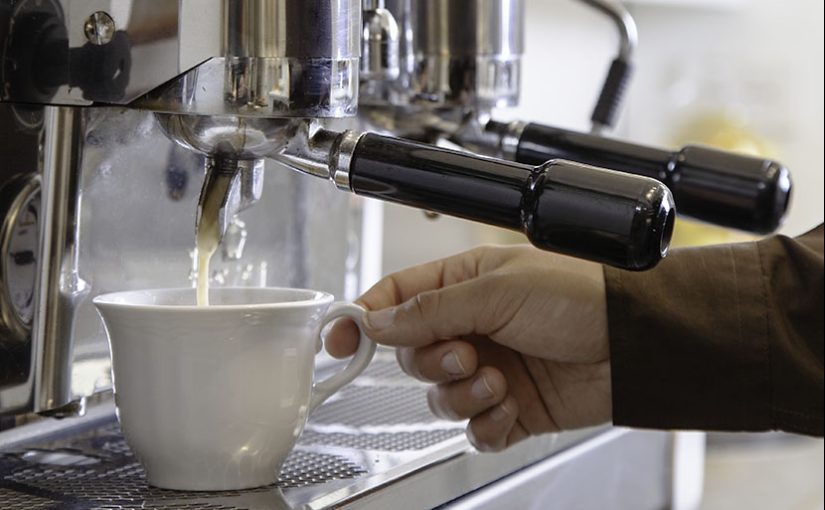
I have come to learn during my time here that Italians have a different relationship with coffee. All this is gathered simply by being an observer, however I believe the following to be true. Italians use a café as a place that is not work, nor home, but its own third thing. When I say cafes, I actually mean bars, as that’s where you can find an elegantly crafted Italian espresso machine sitting alongside a liquor cabinet. They also tend to have pastries and snacks at bars. Tabacchi shops also tend to have espresso machines. The word cafe for me has become an all-encompassing term for coffee shop, bar, tobacco shop – all places in Italy with an espresso machine. The point of all this is to say that Italians treat these third places as hangout spots. These are places to escape work and school, talk to their friends or family, or chat with someone they haven’t seen in a while. They grab a little glass mug of espresso and stand at the counter and catch up. If they know no one there, they lean against the counter and drink their espresso, macchiato, cappuccino, or whatever their preference. It’s not about getting a caffeine boost in a plastic cup, and running as fast as you can to work. The culture is about getting a morning coffee to enjoy and wake up with. A daily ritual, even if short, that can be savored, not rushed.

Now we get back to my previously mentioned demographics. From what I’ve noticed there isn’t much need for cafes with affiliations. Most places offer similar vibes, with the outliers being specialty shops such as bookstores or record store cafes. For my coffee shop at home, to be successful we need an affiliation, a reason for people to specifically come to us. A marketability. Cafes here don’t have much of that. They offer relatively the same menu at the same prices for anyone to come in and enjoy. There are some specific coffee shops whose goal seems to fit a certain market, and one of those Ditta. Ditta Artiginale allows people to sit at tables or bars with laptops or books, and a lot of their customers take that opportunity. To me, they are a very American-oriented shop, and a lot less like a traditional Italian café. Ditta isn’t the only shop like this, there are other places with an American audience, such as Melaleuca, which is an Australian-American brunch café. On Melaleuca’s website, they even ask people to respect their laptop-free days of Friday-Sunday. 

I hope that during the rest of my stay in Florence I can come to learn more of the cafe culture here and maybe a lot of my hypothesis will be disproven by nuances I have yet to uncover. I really do appreciate the way Italians separate life and work, and would love some of that relaxing energy when it comes to my morning coffee in the States.

An Accelerated Introduction to Europe: Thanksgiving Edition

Over the course of this semester, I’ve learned how to navigate Italy on my own. But over the course of a week in November, my family, friends, and I learned how to do the same as a lively group of six.

written by Savvy Sleevar for SPEL: Journalism

Everyone, Meet Europe

When your mom, grandfather, and three best friends visit you in Florence at the tail end of your semester abroad, your resumè expands in an instant. You become a tour guide, a concierge, an amateur Italian historian, a (mediocre) translator, and a transportation liaison all at once.

Navigating Italy for the first time as an American college student is pretty daunting, but when I hosted six guests in my new home away from home for American Thanksgiving, I knew I had to bring my A-game — whatever that looked like.

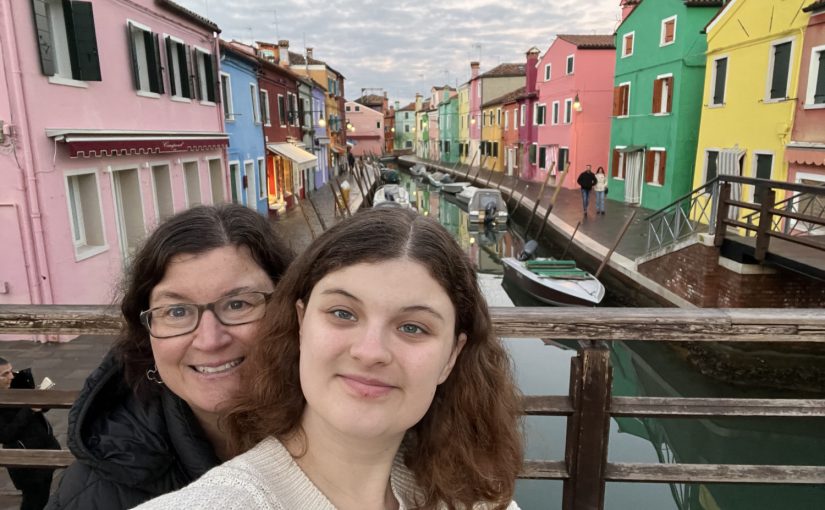
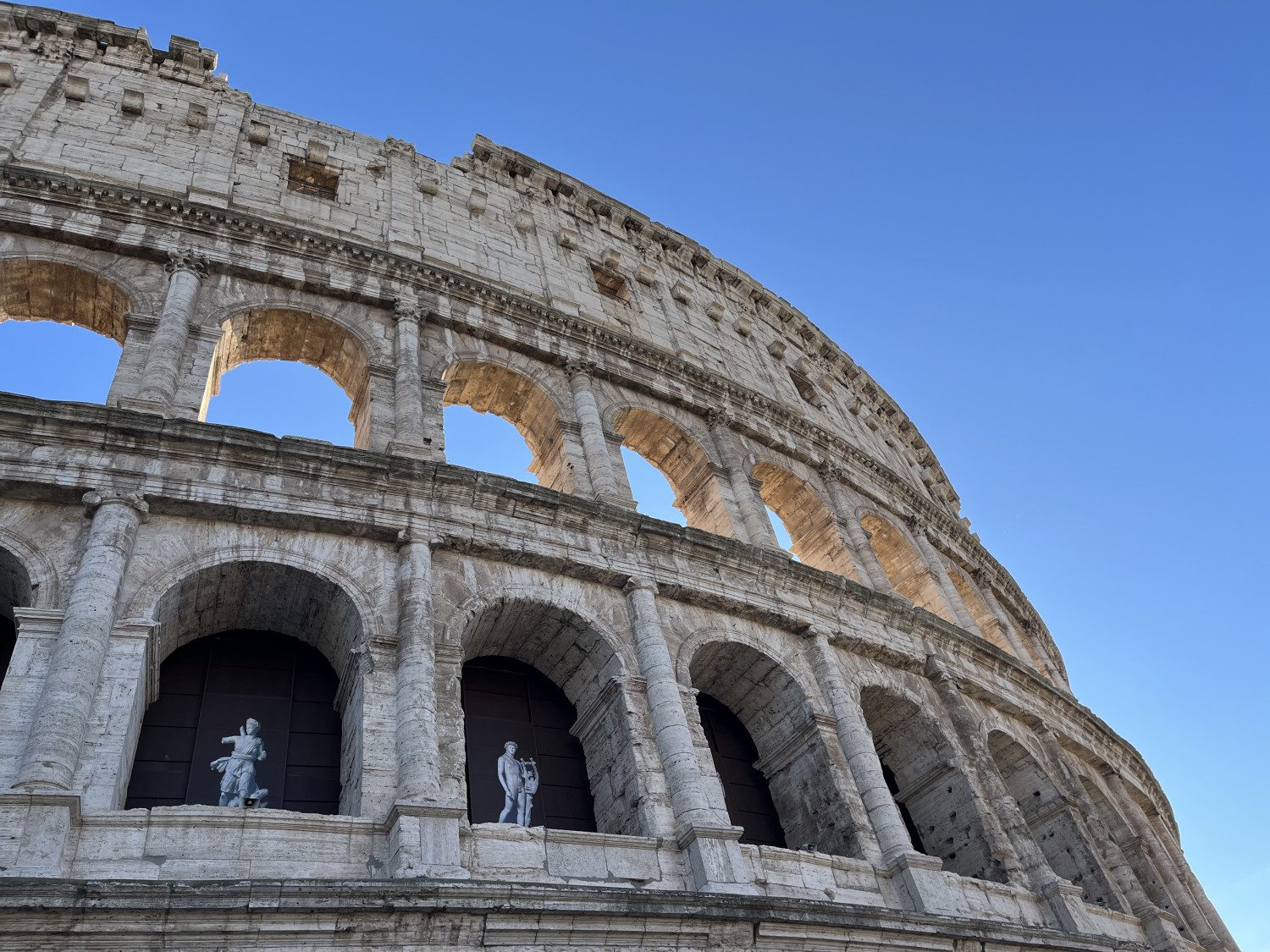
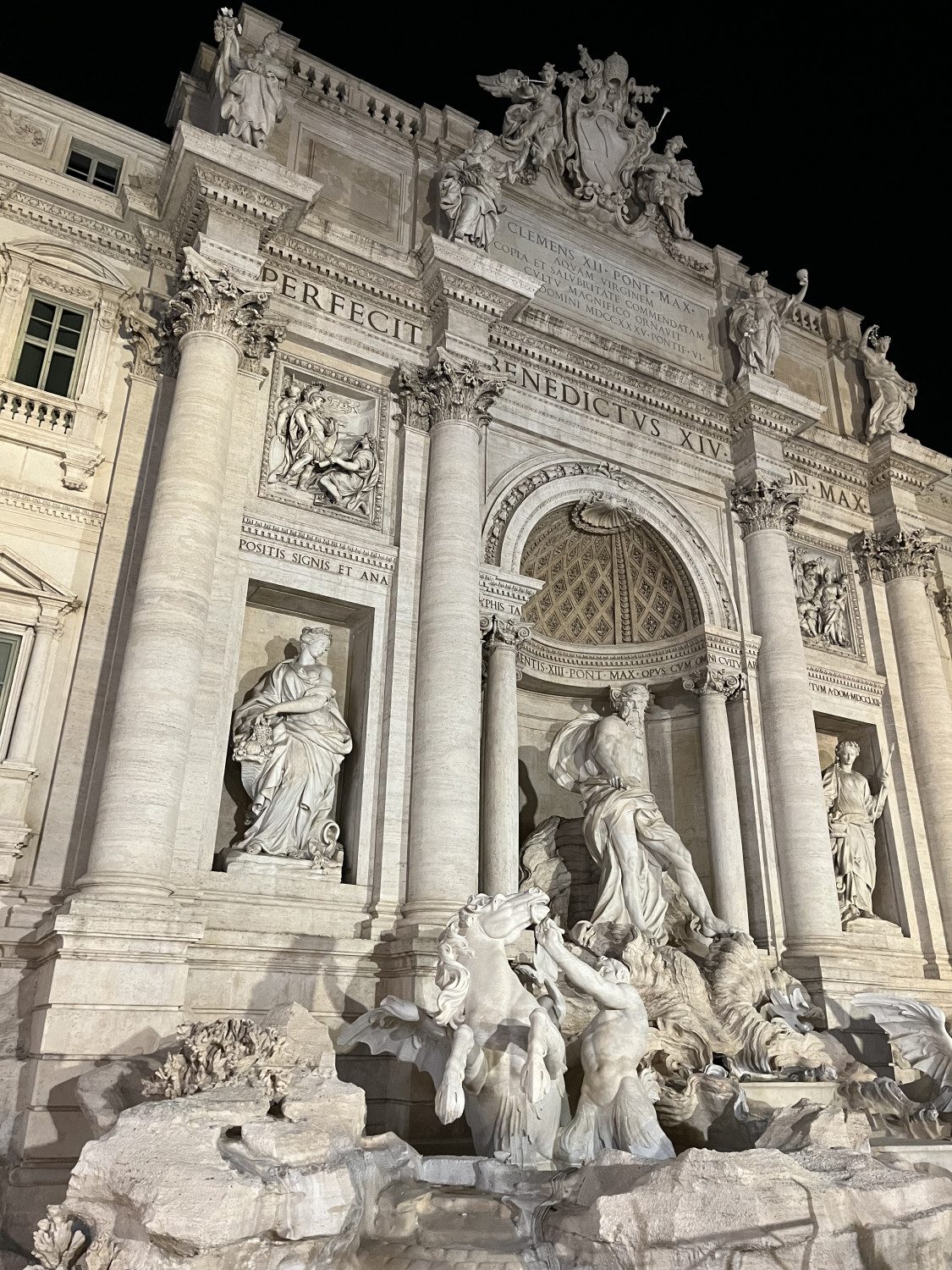
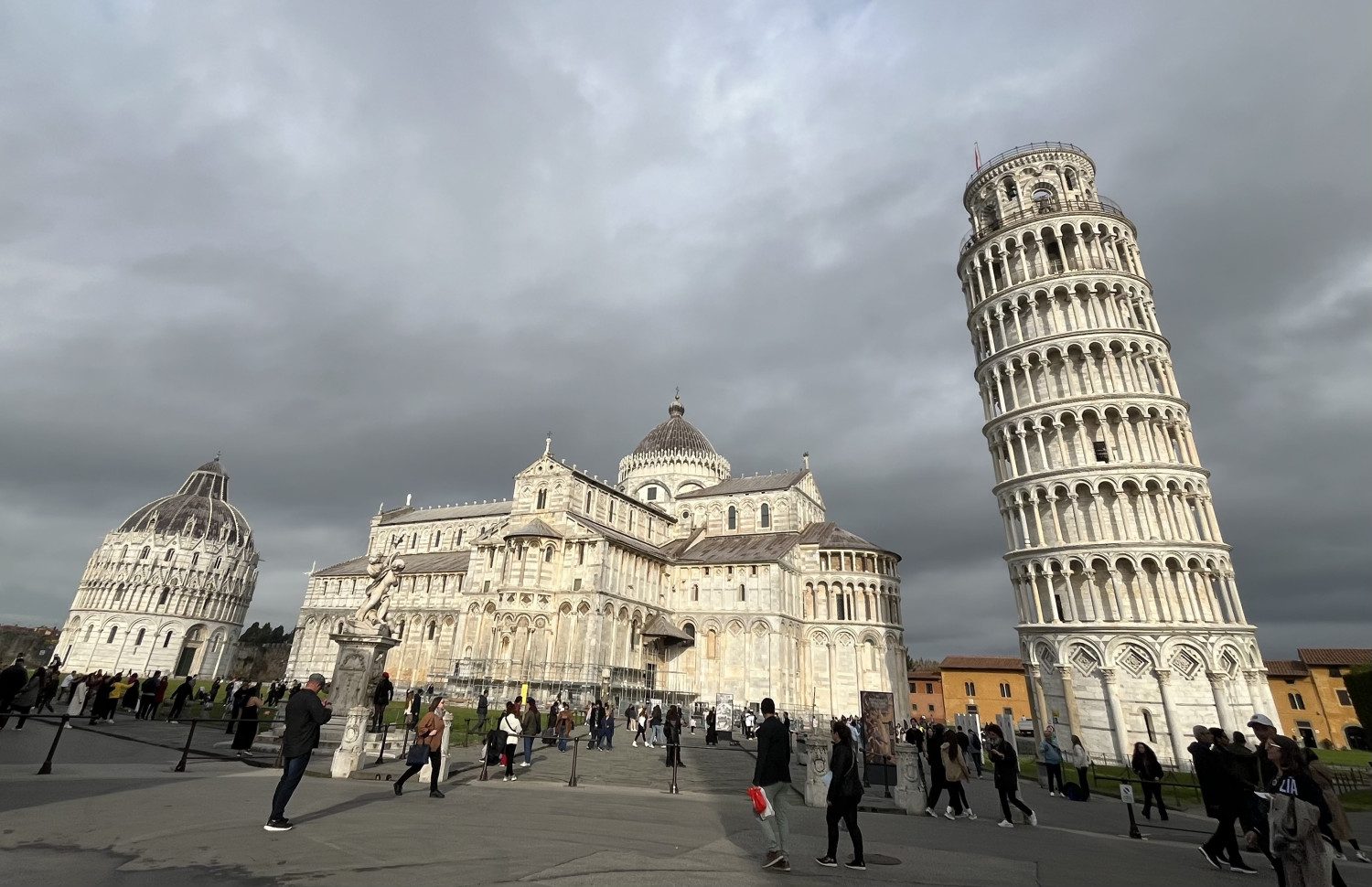
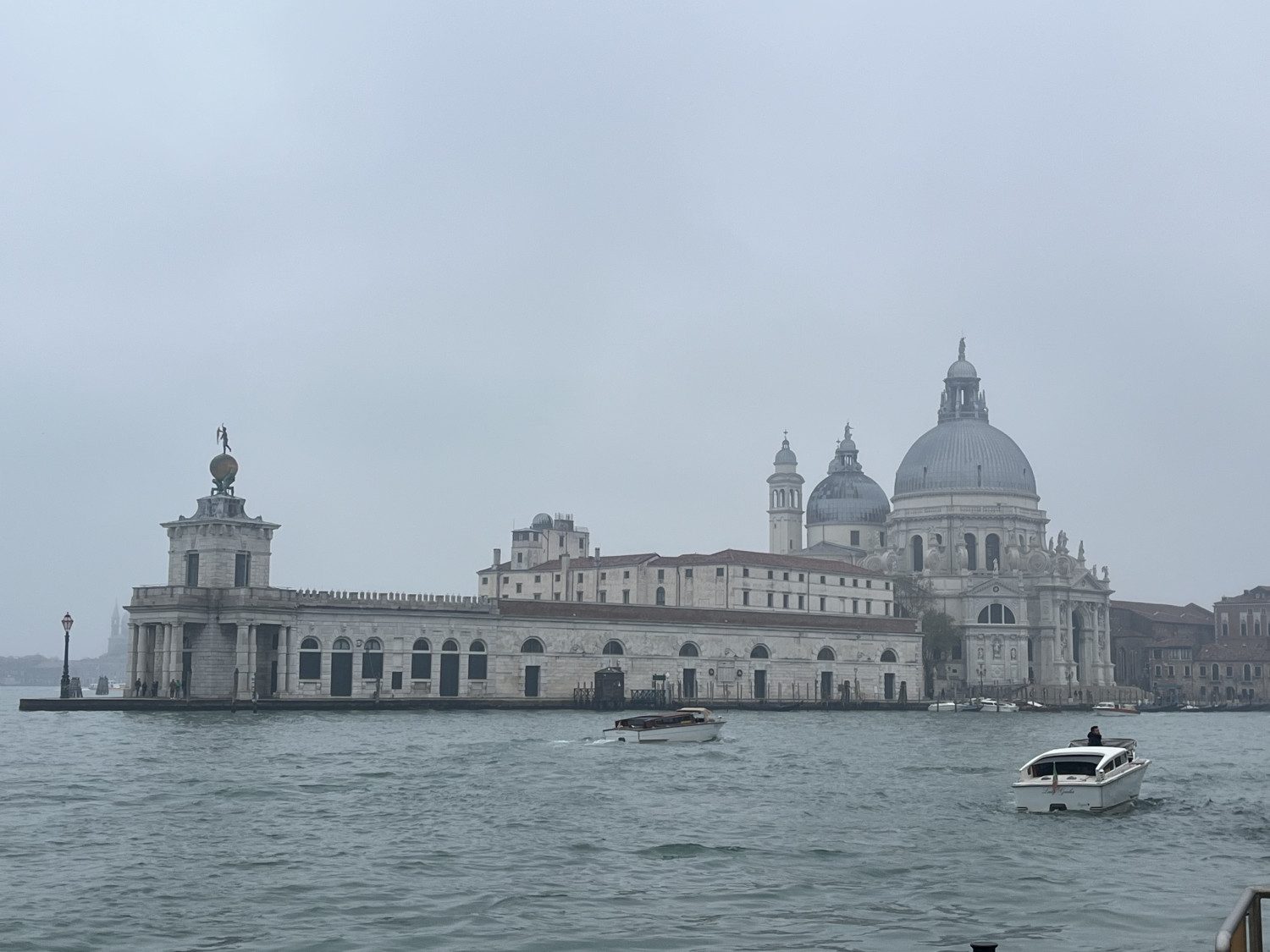
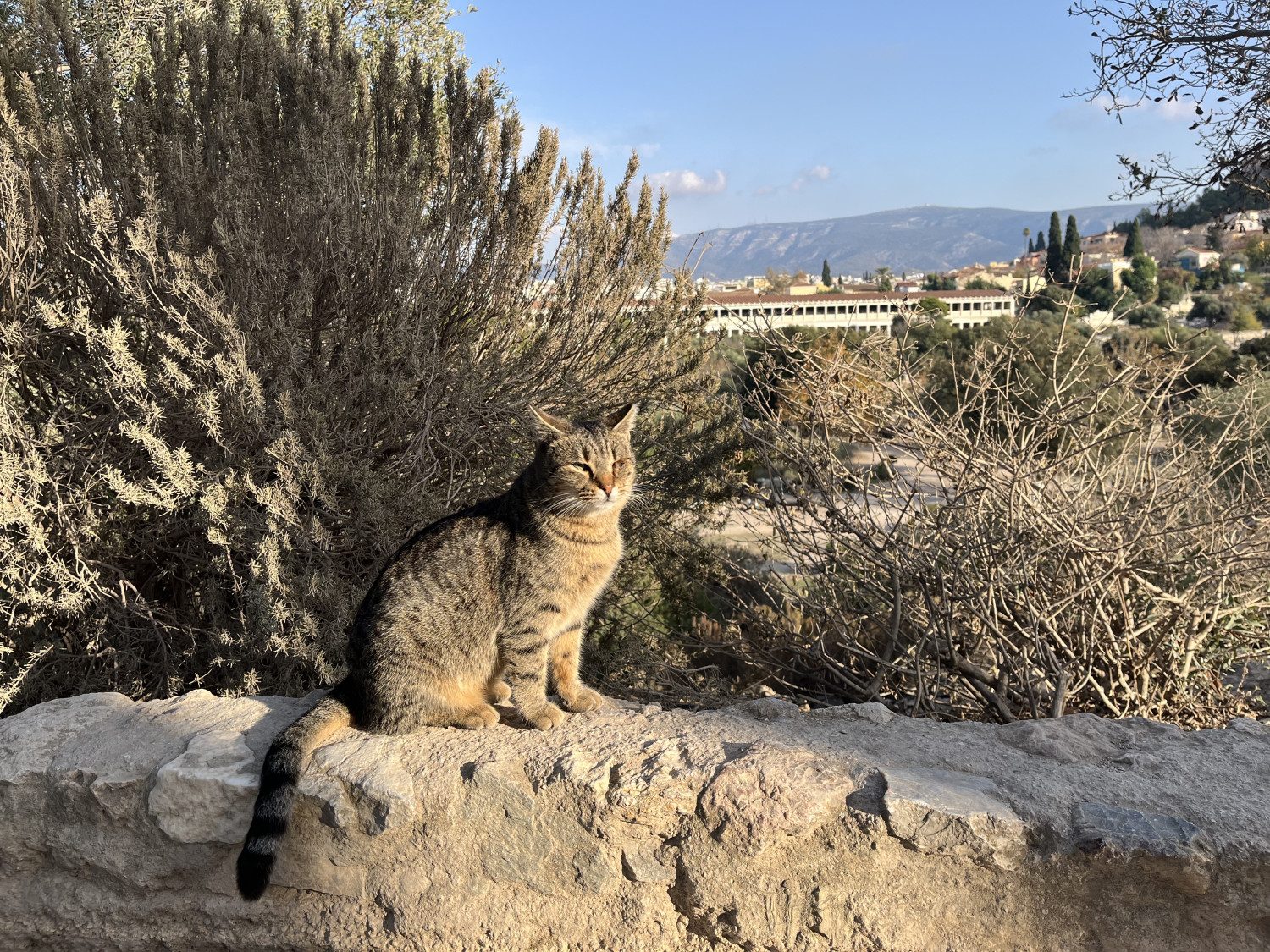
Over the course of a week, we checked off the boxes on one of the most extensive travel itineraries that I’ve ever seen. I’m talking Rome, Florence, Pisa, Venice, and Athens, all in a matter of days. (Sleep-deprived is an understatement.)

Jam-packed with chaos, mistakes, unforgettable views, and incredible company, I can’t say we enjoyed every second of it, but I know we wouldn’t trade our European adventure for anything. 

A few highlights:

1. Tried Florentine steak with Chianti Classico at dinner with my family. Fell in love. My grandpa was particularly amused by the wine’s signature rooster label, pointing it out on future bottles of the stuff. 

2. Spent Thanksgiving in Athens with my friends. Got lost downtown. Saw the sea. Made a valiant attempt at using the tram. 10/10 experience.

3. Went to see the Sistine Chapel in Vatican City. All that neck craning was so worth it.

4. Woke up at 3:30 a.m. to fly from Venice to Athens. If I ever book myself a flight like that again, someone, anyone, please stop me. 

5. Received a detailed review of the Italian McDonald’s menu from my friends on their first night in Florence, complete with ratings. Glad their experience was just as eye-opening as my first taste of European Mickey D’s a few months prior. 

6. Led a (marginally) successful pro-walking campaign, encouraging everyone to ditch the expensive American instinct to call a city cab, and instead, stroll down Italy’s cobblestone streets whenever we could. I felt like a tyrant, but our daily step counts were incredible. 

Fresh Eyes

Even if you’ve passed by a piazza, a bridge, or a historic building countless times before, showing visitors these pieces of Italy feels like you’re seeing them again for the first time.

As I took my guests to get a glimpse of Piazza della Signoria, the Arno River, the Duomo, and the Galleria dell’Accademia, I was wide-eyed right along with them. My urge to take pictures in these now-familiar locations was renewed, and soon, my camera roll was full of group selfies — a visual collision of my American life and my Italian one.

Despite my best efforts to make sure things went off without a hitch, my family and friends’ visit to Europe definitely exposed how green I still am when it comes to some aspects of living abroad. There were times when I couldn’t fully answer all my mom’s queries about the city, and it seems my fluency in navigating the high-speed train system doesn’t translate very well when I need to answer my friends’ specific ticket questions via Snapchat.

Even so, this visit also showed me how much I do know about life here, which felt incredible to share with the people closest to me.

For instance, when my friends first arrived in Florence, I knew treating them to aperitivo at my favorite Oltrarno literary café would be the perfect introduction to Italy. Three months ago, I didn’t know what “aperitivo” or “Oltrarno” even meant. But there we were, sipping and crunching and talking in a space I’d fallen in love with over the course of three months.

Similarly, I was able to make restaurant recommendations with ease as we took a gastronomic tour of Florence, and despite my shaky language skills, I found myself having much fuller conversations with locals in Italian that I didn’t know I had in me.

If we had the opportunity to do everything over again, I can probably think of at least half a dozen things we’d change. But I’ve taken enough European side trips to know that imperfection is an integral part of the experience.

Today’s mistakes will become tomorrow’s funny stories, and even with such a wild travel schedule, I know this trip will become a cherished memory for all of us — and a motivator to, one day, do it all again.