Una guía para principiantes
written by Paula Simon Borja for SPEL: Journalism
Ser un corredor requiere destreza mental. Los profesionales no me dejarán mentir: es un ejercicio que demanda rigor físico, disciplina y un enorme control sobre la cabeza. Al correr, la capacidad de mantener la concentración y gestionar el dolor es lo que marca la diferencia entre el éxito y el fracaso. Es cierto que para todos los deportes de alto rendimiento es importante entender el poder que tiene la mente sobre el cuerpo, pero, ¿qué es lo que tiene este de particular? Debo decir que no soy experta en el tema: Roma fue el primer acercamiento al mundo de las carreras.
Running requires mental skill. The pros won’t let me lie; it’s an exercise that demands physical toughness, discipline, and a ton of mental control. When you run, the ability to stay focused and manage the pain is what really separates success from failure. It’s true that in any high-performance sport, understanding the power of the mind over the body is crucial, but what makes running stand out? I’ll be honest—I’m no expert on this: Rome was my first real introduction to the world of running.
En agosto conocí a una mexicana en el centro de Florencia. Durante la conversación me platicó que recién había empezado a correr y que había iniciado un club para todos los interesados en el deporte. Dos días más tarde pagué la carrera de 15 kilómetros en Roma que se llevaría a cabo el domingo 10 de noviembre, lo cual me dejaba con menos de tres meses para entrenar. Septiembre fue de viajes y fiestas, y luego llegó octubre con algo peor: la postergación. Me amarraba a la cama en las mañanas, y en las noches cualquier excusa era lo suficientemente buena. Al parecer, correr era algo fuera de mi liga aún siendo una persona inclinada al deporte. Que curioso, ¿no? Parecería que podríamos colocar “correr” en una categoría separada de las demás, como si las demandas fueran sólo para unos cuantos valientes.
In August, I met a Mexican woman in downtown Florence. During our conversation, she told me she had just started running and had even started a running club for anyone interested in the sport. Two days later, I signed up for a 15-kilometer race in Rome that was set for Sunday, November 10, leaving me with less than three months to train. September was all about travel and partying, and then came October, bringing something worse: procrastination. I’d get stuck in bed in the mornings, and at night, any excuse seemed good enough. It felt like running was just out of my league, even though I’m someone who usually loves sports. Funny, right? It’s like we could put “running” in a category of its own, as if the demands were only for a select few brave souls.
Algunos dirán que lo más difícil son los entrenamientos, y no se equivocan. Cada kilómetro es una experiencia nueva: los primeros tres son fáciles, engaña la falsa sensación de que la energía durará para siempre; poco a poco las piernas se debilitan, el cuerpo se vuelve más pesado. Llegar al kilómetro cinco es un reto y después al seis, al siete, ocho… y así sucesivamente. Aunque es cierto que el cuerpo se acostumbra, la cabeza nunca para de gritar. El secreto es tener a alguien cerca, un compañero a quien seguir, alguien que empuje y motive, el vivo recordatorio de la importancia de seguir adelante cuando el cuerpo comienza a ceder a la presión de la cabeza. Establecer los días y el horario de entrenamiento ayudará con esa tan necesitada preparación mental. También el desayuno, por ejemplo, puede marcar la diferencia: uno lleno de azúcar y carbohidratos será el combustible perfecto.
Some people will say that the hardest part is the training, and they’re not wrong. Every mile is a whole new experience: the first three are easy, tricking you into thinking the energy will last forever. But little by little, your legs start to weaken, your body gets heavier. Reaching mile four is a challenge, and then comes six, eight, ten… and it just keeps going. While it’s true that the body adapts, the mind never stops screaming. The trick is having someone by your side, a buddy to follow, someone who pushes and motivates you—living proof of how important it is to keep going when your body starts to give in to the pressure from your head. Setting specific training days and times helps with the mental preparation you’ll need. Even breakfast, for example, can make a huge difference: one packed with sugar and carbs will give you the perfect fuel.
Cuando entrenas es imposible no conocer la marca por kilómetro, mucho menos si el camino es uno conocido, pero en un escenario nuevo las cosas son distintas: te abres a la posibilidad de ignorar la distancia. Aquí entra en juego el tiempo. Aquel que pasa siempre a la misma velocidad, ya sea que permitamos hundirnos en las afectaciones que provoca o no. Para un corredor, el tiempo es imposible de ignorar: conoce perfectamente cuántos minutos le toma recorrer cierta distancia. La marca del kilómetro ya no será medida por el recurrente camino sino por lo que tarda usualmente en completarlo. Dependerá de la particularidad dentro de cada corredor tomar esto como un regalo o como una tortura. Para mí, fue un regalo inesperado. La novedad de los paisajes me forzó a contar con el tiempo para medir la distancia, y cuando uno piensa en una hora y media la vida pasa más rápido que cuando piensa en 15 kilómetros.
When you train, it’s impossible not to keep track of your pace per mile, especially if the route is familiar. But in a new setting, things change: you open yourself up to the possibility of ignoring the distance. That’s where time comes into play. Time always moves at the same pace, whether we let ourselves get lost in the impact it has on us or not. For a runner, time is impossible to ignore: you know exactly how many minutes it takes to cover a certain distance. The mile marker is no longer measured by the same old route, but by how long it usually takes you to complete it. Whether you see this as a gift or a torture depends on the runner’s mindset. For me, it was an unexpected gift. The novelty of the scenery forced me to rely on time to measure the distance, and when you focus on an hour and a half, life passes by faster than when you’re thinking about 10 miles.
Nunca corras la misma cantidad de kilómetros que los que te tocarán en la carrera. Otra conocidísima instrucción de los profesionales. Yo la seguí a ciegas. No por ser fiel a las creencias restrictivas del deporte o por ser una persona compulsiva al seguir las reglas, sino porque el cuerpo lo pedía a gritos. La cabeza también, y con un poco más de intensidad. En una gran cantidad de entrenamientos me pidió parar y yo cedí sin cuestionarlo, como si de no hacerlo estuviera engañándome a mí misma. Como si una parte de mí se separará en dos, desatando una gran pelea entre el cuerpo y la mente, y que horrible traición darle la espalda a tu fiel compañera. Tu cabeza se deslinda de las acciones del cuerpo, hasta que en algún punto se convierten en algo tan ajeno que roza lo involuntario, lo automático. Si logras pasar el umbral de los gritos, las acciones involuntarias del cuerpo son otro gran regalo.
Never run the same number of miles in training as you’ll do in the race. Another piece of advice from the pros. I followed it blindly. Not because I was strictly adhering to the sport’s rules or because I’m compulsive about following instructions, but because my body was screaming for it. So was my mind, and with even more intensity. During many of my training sessions, my mind begged me to stop, and I gave in without questioning it—like I’d be fooling myself if I didn’t. It felt like a part of me was splitting in two, unleashing a huge battle between body and mind. And what a horrible betrayal it is to turn your back on your loyal companion. Your mind detaches from your body’s actions, until at some point, they become so foreign that it feels almost involuntary, automatic. If you manage to push past the threshold of the screaming, the body’s involuntary actions become another great gift.
La semana antes de la carrera es la más importante. Aquí deberás cuidar con más atención las comidas, las horas de sueño y el rigor de los entrenamientos: ¿cómo se siente el estómago por la mañana después de comer ciertos alimentos? ¿Ese gel energético es el correcto, lo necesito realmente? ¿Cuáles son los calentamientos que a mí me funcionan? ¿Cómo me siento corriendo junto a una compañera? ¿La música es lo suficientemente motivante o podré soportar el unísono de la respiración? Tomaré este momento para dar un consejo de principiante: la música es el mejor amigo de un corredor. La razón, supongo, recae en lo tedioso y repetitivo que son los movimientos. Correr es un deporte, me atreveré a decir, monótono. La música, con su ritmo y energía, no solo distrae, sino que también puede ayudar a mantener un paso constante y a darle a cada zancada un propósito, transformando el esfuerzo en algo más llevadero y, a veces, si realmente te lo propones, disfrutable.
The week before the race is the most important. This is when you need to pay extra attention to your meals, sleep schedule, and the intensity of your training: How does your stomach feel in the morning after eating certain foods? Is that energy gel the right one, and do I really need it? What warm-ups work best for me? How do I feel running alongside a training partner? Is the music motivating enough, or will I be able to handle the sound of my own breathing? Here’s a piece of advice from a beginner: music is a runner’s best friend. The reason, I suppose, lies in how tedious and repetitive the movements can be. Running, I dare say, is a monotonous sport. Music, with its rhythm and energy, doesn’t just distract you; it can also help you maintain a steady pace and give each stride a sense of purpose, making the effort more bearable and, sometimes, if you really commit to it, even enjoyable.
Llega el día y los nervios son incontrolables, o quizás, para algunos suertudos, ese sentimiento predominante es la emoción. De cualquier manera, será un impulso que deberás usar a tu favor. Llega prevenido ante cualquier circunstancia: la ropa cómoda y un clima favorable son algunos de los pequeños placeres que la vida te regala y uno solo aprecia cuando faltan. La repetitiva pero contundente recomendación es una buena lista de canciones. Aquellas te llevarán por el camino, pues tienen la capacidad de hacerte sentir invencible. En mi caso, cada canción fue meticulosamente seleccionada y acomodada en un orden que reconoceré como obsesivo: ¿cómo quiero empezar? ¿Qué emoción será la predominante en el minuto 30 y cuál será la canción correcta para representarla? ¿Cuál es la indicada para cerrar y cuál es la parte específica que deberá estar sonando mientras cruzo la meta?
The day arrives, and the nerves are out of control, or maybe, for some lucky ones, that dominant feeling is excitement. Either way, it’s an energy you’ll need to channel to your advantage. Be prepared for any circumstance: comfortable clothing and favorable weather are some of life’s small pleasures that you only truly appreciate when they’re missing. One piece of advice you’ll hear over and over is to have a solid playlist. Those songs will carry you through, because they have the power to make you feel invincible. For me, each song was carefully selected and arranged in an order I’ll admit was a bit obsessive: How do I want to start? What emotion will dominate at the 30-minute mark, and what’s the right song to match it? Which track should close out the race, and what specific part of the song should be playing when I cross the finish line?
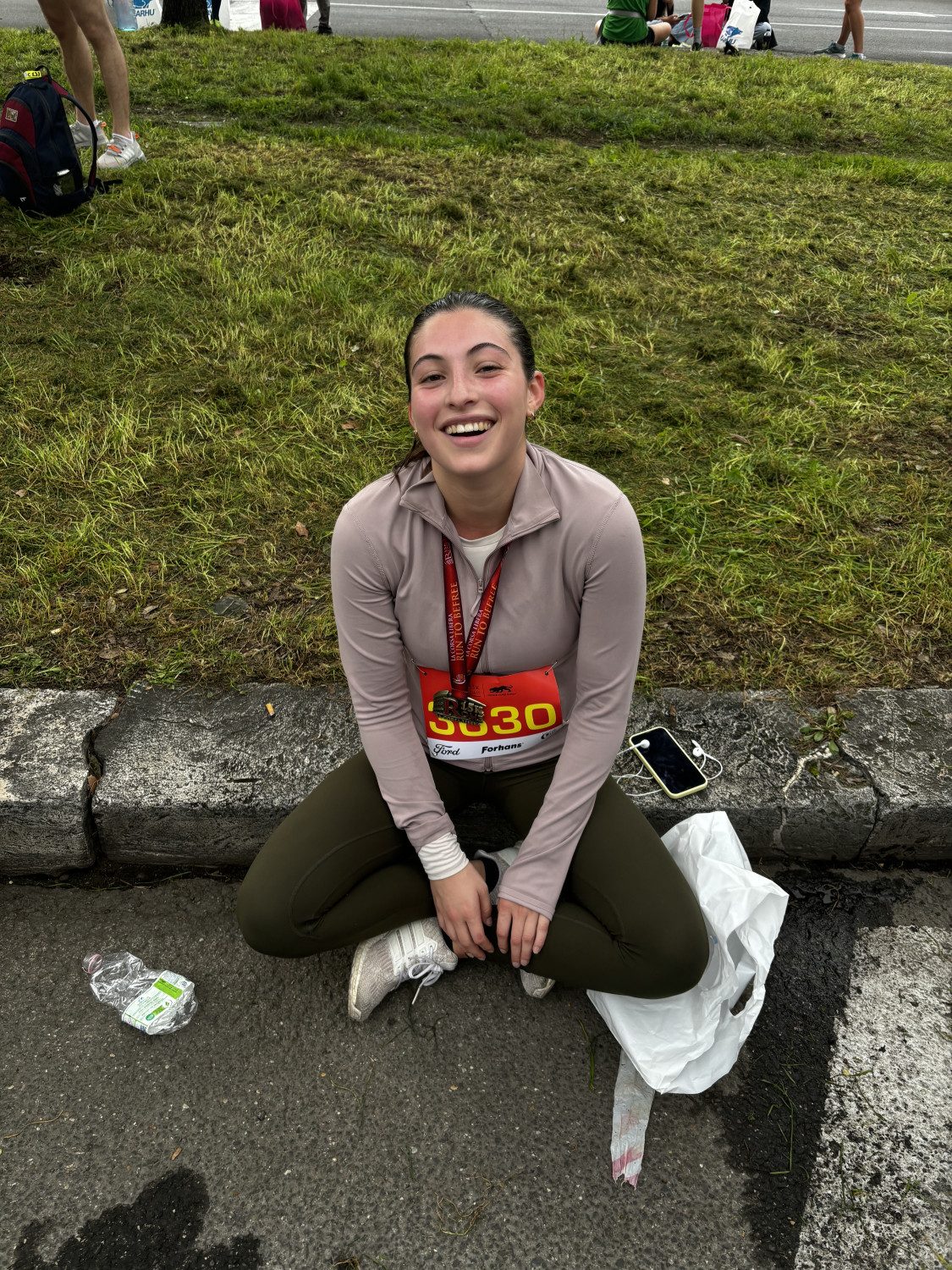
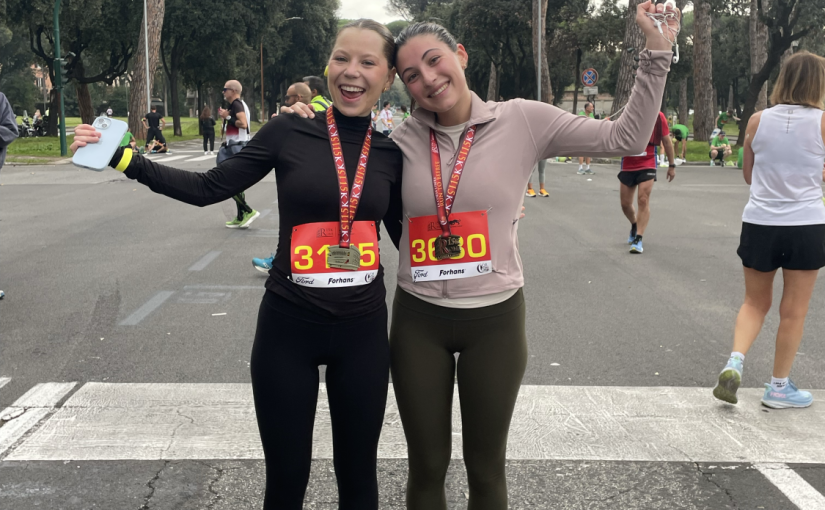
No importa cuanto intentes controlar el momento, las cosas saldrán diferentes a lo que imaginas. La mente tiene el poder inmensurable de dar lugar, sobre cualquier otra cosa, a emociones completamente abrumadoras. En mi caso, los sentimientos no esperan a nadie y no frenan por nada. Sale una canción que recuerda a una persona o a un momento en específico, y la mente se inunda de memorias incómodas, alegres, dolorosas, o incluso de una tremenda nostalgia, entonces pega el momento incontrolablemente correcto y se clava un nudo en la garganta, el dolor de las piernas es diminuto junto a la nube de emociones que se acomodan en el pecho, todo se siente infinito y el lugar te recuerda al enorme privilegio de estar, de vivir, de escuchar y de sentir, de la incomparable capacidad del cuerpo para mantener un movimiento demandante por tanto tiempo y lo amable que es la cabeza cuando uno más la necesita. Llegar a la meta te recubre en un sentimiento de satisfacción que hace que todo el recorrido haya valido la pena. Prometo que lo volverás a hacer. Volverás a sufrir, pero también volverás a sentir.
No matter how much you try to control the moment, things will always turn out differently than you imagine. The mind has this immeasurable power to give way, above all else, to emotions that can completely overwhelm you. In my case, feelings don’t wait for anyone and they don’t hold back for anything. A song comes on that reminds you of a person or a specific moment, and your mind floods with memories—awkward, joyful, painful, or even filled with a deep sense of nostalgia. Then, the perfect, uncontrollable moment hits, and a lump forms in your throat. The pain in your legs feels insignificant next to the storm of emotions settling in your chest. Everything feels infinite, and your surroundings remind you of the immense privilege of being alive, of living, of hearing, of feeling, and of the body’s incomparable ability to keep moving for so long. The mind, in those moments, is gentle with you when you need it most. Crossing the finish line wraps you in a feeling of satisfaction that makes the entire journey worth it. I promise, you’ll do it again. You’ll suffer again, but you’ll also feel it all again.