written by Alison Sweeney
This blog feature is an exclusive bonus installment to our Spring issue of Blending Magazine. After you finish reading, be sure to explore the rest of the magazine online—just follow this link to download the full Spring 2025 edition:
https://jschoolfua.com/images/BM/BM_151.pdf
From literary cafes to rebellious music movements, uncover the lesser-known artistic history behind some of Florence’s modern-day cultural hot spots.
Florence’s Underground Artistic and Creative Scene
Though Florence is known for its Renaissance art, grand architecture, and famous landmarks, the city has a hidden artistic scene that offers a different kind of cultural perspective and experience. While many of the venues that once hosted this creative underground scene have become more commercial over time, their roots tell hidden stories of rebellion, reinvention, and the key to discovering true Italian culture. This travel guide invites you to step into Florence’s underground, not just physically but historically, creatively, and culturally.
Caffé Giubbe Rosse: A Literary Revolution is Brewed
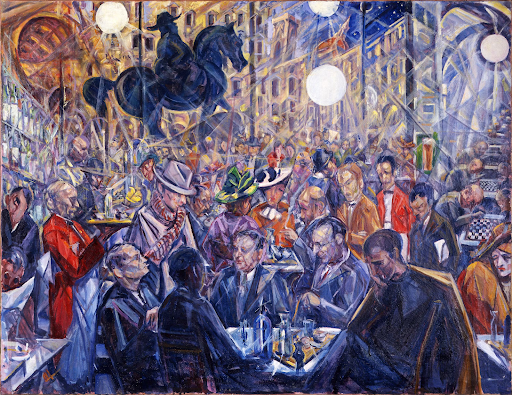
Start your journey at one of the most famous historic literary cafes in Florence, Caffé Giubbe Rosse, where famous poets and writers sat to scribe and exchange radical ideas. According to the article, “Grand Re-opening of Caffé Giubbe Rosse” by Accord Italy Smart Tours, Caffé Giubbe Rosse is located in the Piazza della Republica and was established in 1896 by two German brothers. The cafe earned its current name, meaning Red Jackets, because it was inspired by the red uniform worn by the waiters.
Caffé Guibbe Rosse grew to become a hub for intellectuals, artists, and writers. The cafe played a pivotal role in the Futurist movement and served as a gathering place for avant-garde thinkers like Baccio Maria Bacci, who looked to challenge traditional artistic roles.
Today, visitors can still visit the cafe and bar to experience the Italian cultural experience and legacy, where you can find some original Futurist writings still on display!
Teatro Verdi: Reinventing the Stage
Next, step into the dimly lit Teatro Verdi of the 1980s, where the stage is filled with redefined Italian performance and shortly became a prestigious turnpoint in the uprise of the futurist avant-garde movement. Teatro Verdi transformed into a space for the most sophisticated pop and rock music and for unconventional drama.
According to the Teatro Verdi website, the theater was inaugurated in 1854 and is the largest “Italian-style” theatre in Tuscany. Located in the historic Santa Croce district, it was built on the remnants of the 14th-century Carcere delle Stinche. In the early 20th century, the theater embraced the futurist avant-garde movement, which challenged traditional theatrical norms. These weren’t just performances but protests, celebrations of youth, and identity in a space of avant-garde reinvention.
Today, Teatro Verdi remains a diverse cultural venue, offering classical music, contemporary performances, and pop and rock concerts, reflecting the artistic landscape Florence has to offer.
Tenax: A Hub for Florence’s New Wave Movement
Last but not least, explore one of the music venues that fueled the cities’ New Wave movement in the 1980s, Tenax. Tenax quickly emerged as a hub for new artists and musicians by influential New Wave and post-punk bands and today remains a symbol of Florence’s alternative music history. Picture this: it’s September 1981, and amid Florence’s enthusiasm for new wave, dark, and punk sounds from the UK, Tenax emerges as a pioneering nightclub. According to the Tenax website, the club was founded by a group of young entrepreneurs and quickly became an innovative and alternative hub for emerging artists, fashion designers, and musicians. Tenax’s stage has hosted an impressive number of acts, including Spandau Ballet, Bauhaus, and New Order, becoming a cornerstone of Italy’s music scene. Bands like Litfibia and Neon, formed in Florence in 1979, found a platform at Tenax for their innovative sounds.
As the music landscape evolved, Tenax adapted and began to embrace other genres like house music. The club’s ability to reinvent itself while maintaining its core identity has ensured a lasting influence on Florence’s cultural aspect.
All of these examples of Florence’s underground cultural scene offer a rich and nuanced perspective of the city’s artistic evolution. These places, now more visible, carry with them the same legacy of those underground revolutions. So, next time you find yourself in this beautiful and magnificent city, look closer. Look beyond the espresso machines, beneath the stage lights, and in the echoes and flashing lights, and maybe you’ll find the story of a city whose past reflects a magnificent creative rebellion.
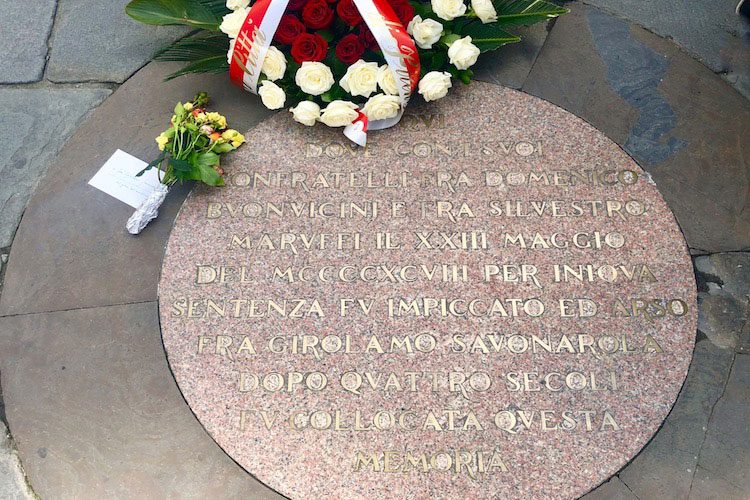 Photo by author