written by Alison Abbruzzese, Tyler Kirwan, Carla Lewinsky, Kendall Kreidel, Madeline Jacaruso, Justin Turner & Sophia Fitzpatrick
This “Made in Italy” deep dive is an exclusive bonus installment in our Spring issue of Blending Magazine. After you finish reading, be sure to explore the rest of the magazine online—just follow this link to download the full Spring 2025 edition:
https://jschoolfua.com/images/BM/BM_151.pdf
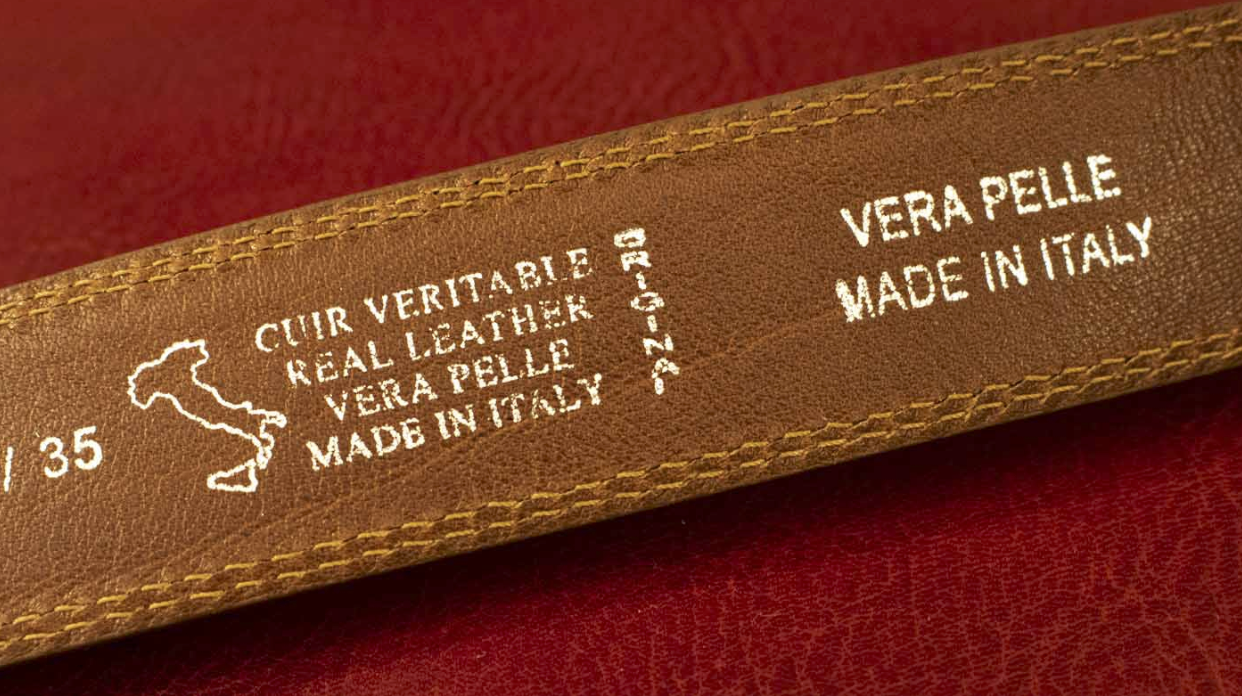
The ‘Made in Italy’ label has long been synonymous with elegance, craftsmanship, and luxury. Originating in the mid-20th century, this designation became a hallmark of superior quality and refined style, positioning Italy as a global leader in fashion. However, while the label continues to hold significant prestige, it faces new challenges in an era dominated by globalization and fast fashion. Today, this well-known label can often be misleading and not representative of authentic Italian products. Misleadingly claiming ‘Made in Italy’ does not just deceive consumers but creates a false narrative of Italian culture, heritage, and values. As a country known for being a leader in fashion and skilled craftsmanship, this deceptive tactic utilized by global mass producers can be incredibly harmful to local artisans and Italian small businesses.
The Birth of ‘Made in Italy’
The ‘Made in Italy’ tag emerged in the 1950s, coinciding with several important reforms in Italian history. In the aftermath of World War II, Italy sought to reform its economy and national identity. Fashion played a crucial role in this transformation as Italian designers began showcasing their collections on international runways. These fashion shows, which gained traction in cities like Florence and Milan, introduced the world to Italian tailoring, detailed fabrics, and exceptional craftsmanship.
During this period, designers such as Emilio Pucci, Salvatore Feragamo, and Giorgio Armani began to shape Italy’s reputation as a hub for high fashion, with its strong attention to detail and innovative designs. By the late 1950s and early 1960s, ‘Made in Italy’ had become a mark of prominence, attracting consumers who sought a premium quality and exclusivity in their clothing.
The ‘Made in Italy’ Campaign of the 1980s
Building on its growing fashion reputation, Italy launched the ‘Made in Italy’ campaign in the 1980s. This initiative was designed to capitalize on the country’s flourishing luxury industry and further establish Italian products as the pinnacle of style and refinement. The campaign was highly successful, positioning Italian brands like Gucci, Prada, Versace, and Dolce & Gabbana as leaders in the global fashion scene. At the heart of the campaign was the idea of selling not just clothing but a sophisticated and exclusive lifestyle. Consumers embraced this concept, driving an increased demand for Italian-made goods and reinforcing the country’s dominance in high fashion. The ‘Made in Italy’ label became a coveted symbol.
The Modern Perception of ‘Made in Italy’
The perception of ‘Made in Italy’ remains highly esteemed, with many consumers willing to pay a premium for products bearing the label. This reputation is built on a legacy of high-quality craftsmanship, exceptional tailoring, and timeless style—qualities that continue to be powerful selling points for Italian brands. Beyond its cultural significance, the label also plays a vital role in Italy’s economy. According to the Clean Clothes Campaign, “In 2021, the textile-clothing-footwear sector contributed approximately €24 billion to Italy’s trade balance, accounting for around 11% of the country’s total export earnings.”
However, the integrity of the ‘Made in Italy’ label has come under increasing scrutiny due to shifts in the global fashion industry. One of the most pressing concerns is the rise of fast fashion, which has fundamentally altered both consumer behavior and industry dynamics. As demand for affordable, trend-driven clothing reaches new heights, many brands have been forced to adapt—sometimes at the expense of quality. In an effort to remain competitive, some companies have begun mass-producing garments with lower-quality materials while still capitalizing on the status associated with the ‘Made in Italy’ name. This growing tension raises important questions about authenticity, sustainability, and the future of Italy’s fashion identity.
Challenges Facing ‘Made in Italy’ Today
While the ‘Made in Italy’ label continues to carry weight, several factors have led to its dilution. Some brands exploit legal loopholes to use the ‘Made in Italy’ tag without following traditional standards. In some cases, only the final touches of a product are completed in Italy, allowing companies to label them as Italian-made despite most of the production occurring elsewhere. With these issues occurring, the fashion industry began a significant shift from custom tailoring to ready-to-wear clothing. While Italy once dominated the luxury tailoring market, the increasing preference for off-the-rack fashion has reduced the exclusivity of Italian craftsmanship.
Preserving the Prestige of ‘Made in Italy’
To maintain the integrity of the ‘Made in Italy’ label, industry leaders and policymakers must take steps to protect its authenticity. Stricter regulations on the use of the label could help prevent its exploitation and ensure that only genuinely Italian-made products have the mark.
Additionally, supporting traditional craftsmanship through government incentives and industry collaboration can help keep Italy’s reputation for excellence in fashion. Moreover, embracing sustainable and ethical production practices could bring back the appeal of ‘Made in Italy’ in today’s fashion landscape. As consumers become more conscious of quality and sustainability, Italian brands that emphasize authentic craftsmanship and responsible sourcing may regain their competitive edge.
The ‘Made in Italy’ tag represents a legacy of fashion excellence. While it continues to carry prominence, it faces significant challenges in a rapidly evolving fashion industry. Mass production and fast fashion may dilute its authenticity and undermine its value; however, with the right measures, Italy can safeguard and even bolster the prestige of its most celebrated label.