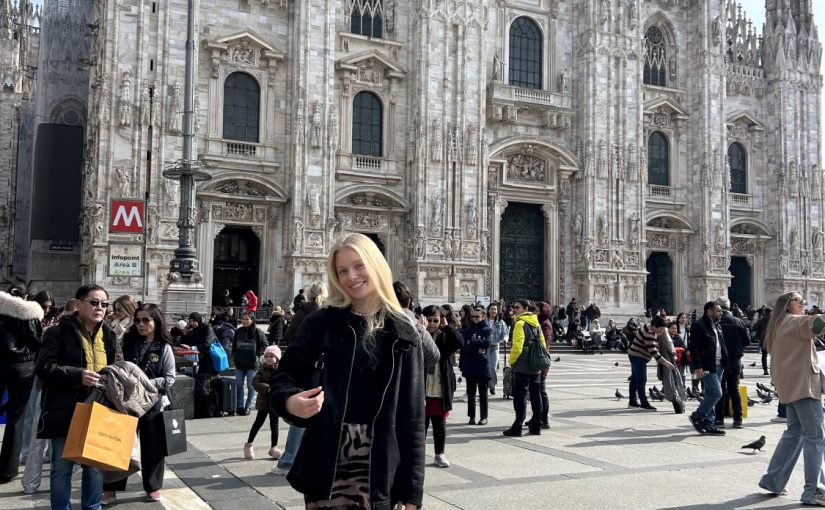
Florentine Fashion: Americans vs. Italians

written by Kenna Hughes

Before I left to come abroad, my Google searches consisted of one thing and one thing only: What to pack for a semester abroad in Italy. Now, I knew all about taking adapters, portable chargers, medicine, and things of that nature. But what I really wanted to know was what clothes to wear in order to blend in with local Italians. 

After my research, I concluded that I needed to bring jeans, basic tees, black boots, a trench coat, and all-black skirts and tops for going out. Looking back, I wish I would have done things a little differently. After landing in Italy and observing the fashion here, I can tell an American from an Italian almost instantly. 

Although the clothes I was told to bring from strangers online were perfect staples, I felt as if something was missing. It wasn’t until my fashion walking class at FUA that I realized what it was. Authenticity. 

My three-week course, “Style and the City: Florentine Fashion Walks” taught me how to express myself through fashion. We observed people on the streets, went to authentic markets with vintage clothing, and visited Pitti Palace to see the exhibit on Italian fashion. On day one, I knew this class would inspire me to be more unique, and buy clothes that I like instead of following the seemingly endless cycle of fashion trends. 

Even walking the streets of Florence, you cannot pinpoint any particular trends–especially among local Florentines. No two people are wearing the same item of clothing, or anything remotely close to it. This does not happen with Americans. For example, a friend and I went shopping at Zara about a month ago in Florence. She bought a beautiful brown leather jacket–only to realize every other abroad student was wearing it on the streets, too. It’s interesting how Americans gravitate towards certain items of clothing at these stores–I’ve seen countless American students wearing the same sweaters and jackets from Zara, but no Italians.

Then, a few weeks ago, at the Santo Spirito Market, my friends and I were on the hunt for leather jackets. During our shopping, we passed an American who was wearing one. I made a comment saying, “That style is perfect, I wonder where she got that from.” Without any hesitation, both of my friends remarked that her jacket was actually from a popular shopping website called Princess Polly. Even funnier–both friends that I was with owned the jacket too.

Don’t get it twisted–this is not to say that I don’t indulge in some of the trends myself, or that they are basic or bad in any way. However, if you want to dress more like a true Italian, simply wander around the markets, or visit department stores that are not in the US. Italians also love to accessorize, and dress up an outfit with a neck scarf, sunglasses, fancy belt, or a unique purse.

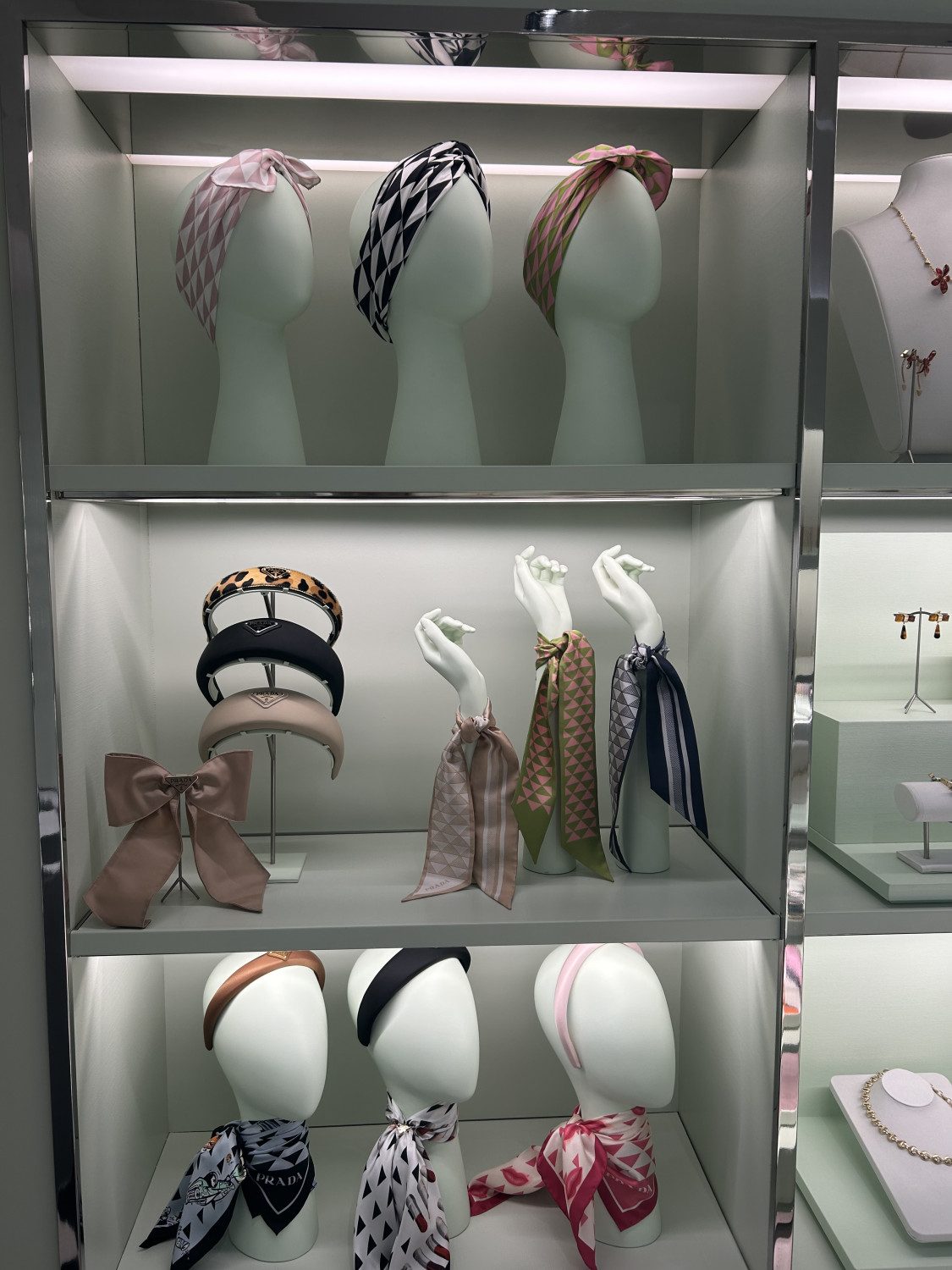
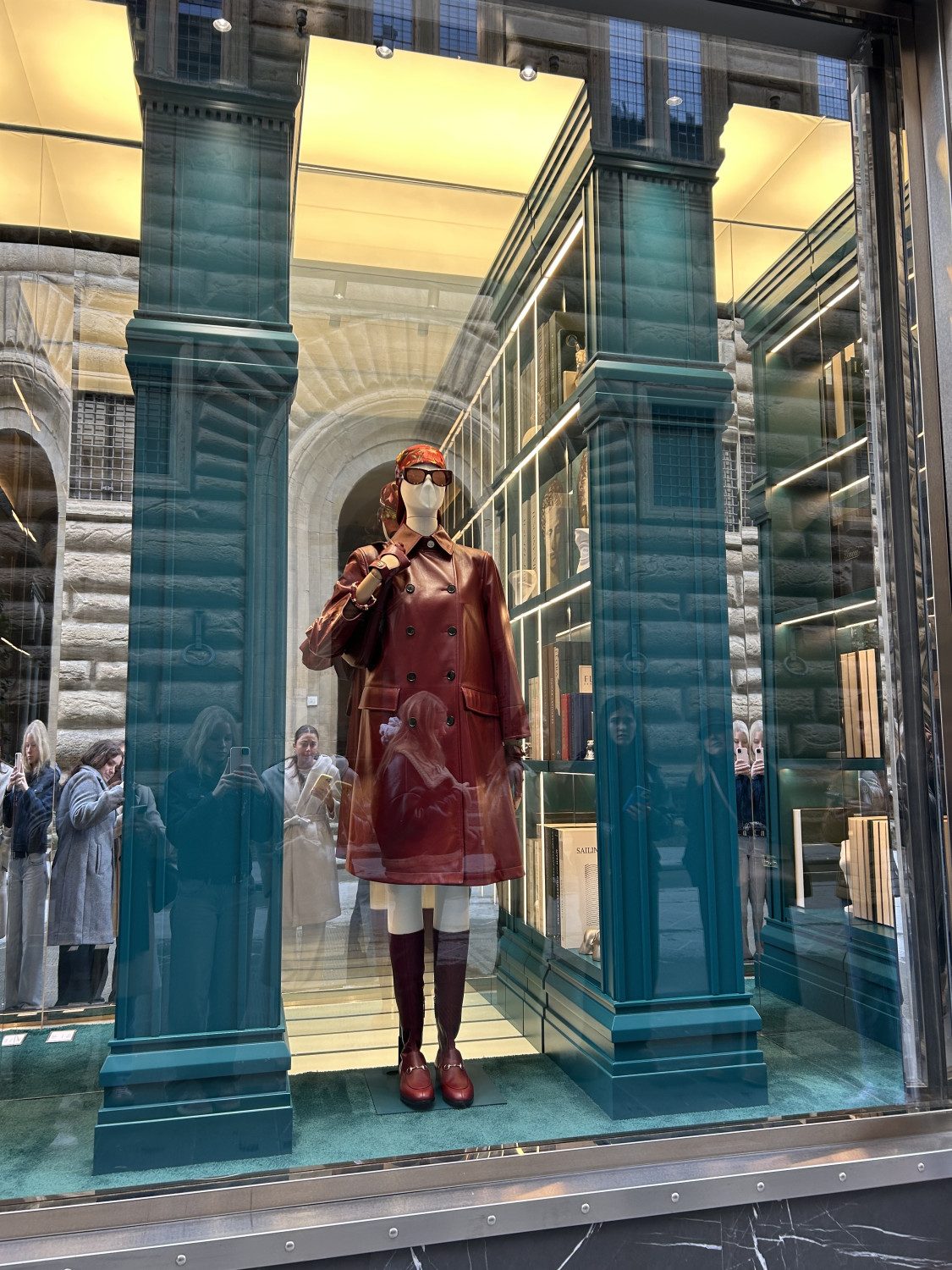
Another thing I like to do in order to gain some inspiration is to look at the mannequins in the stores. They are always dressed so intricately, showcasing many different items of clothing and ways to style it.

Here are a few of my favorites from my time here so far:
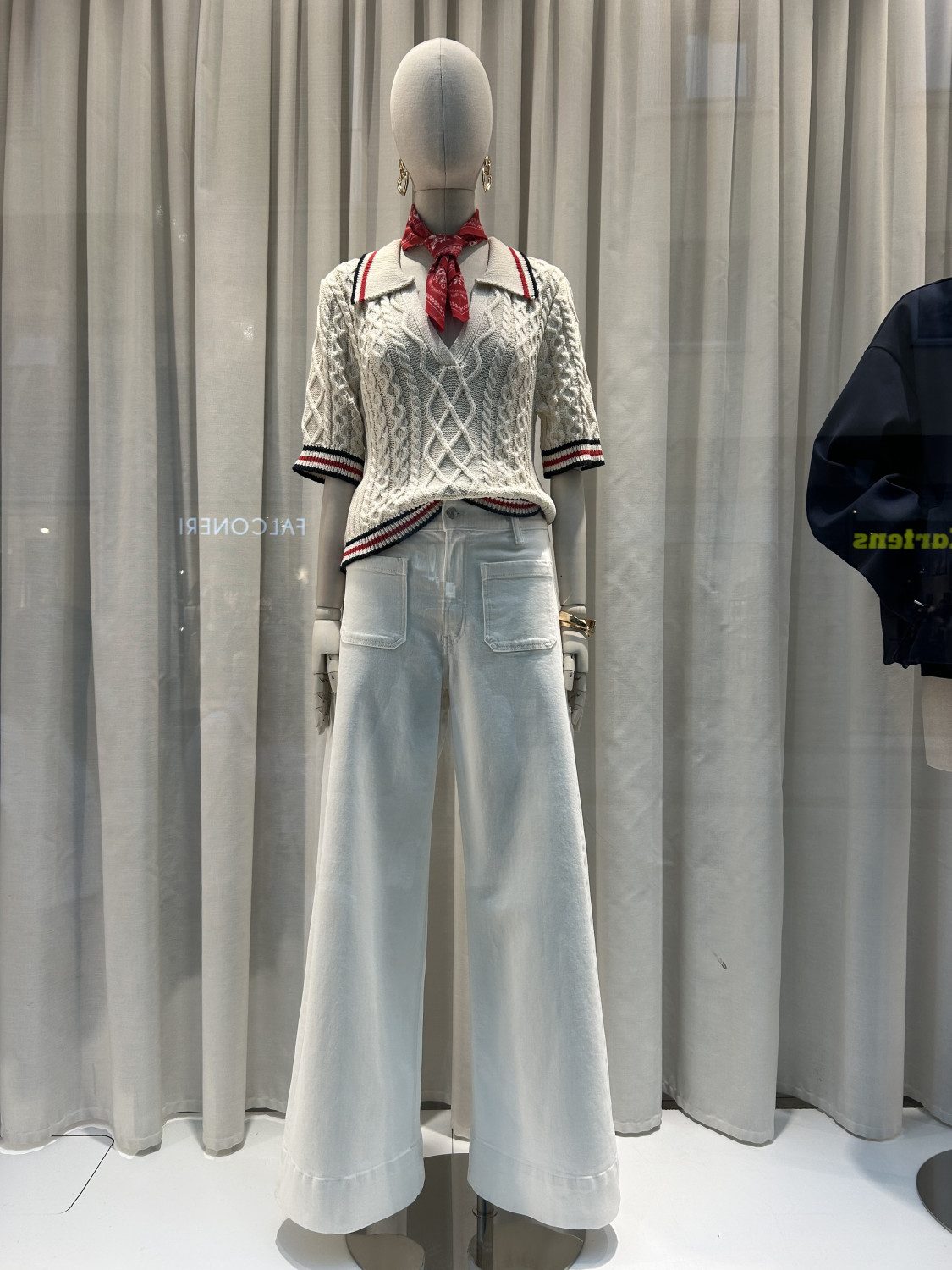
All in all, I’m glad I took with me the clothes I did. But I also know now that “blending in” with Italians basically means wearing whatever you feel most confident in. It’s ironic–the way to blend in here is to actually stand out. Every person I see on the streets is wearing something that suits them—and them only. Whether that be a pair of sparkly chunky boots, a purple fur coat, or a statement necklace, each individual person exudes their own aura.

A great example is this woman in the photo below. This is one of my favorite outfits I have seen in Italy. Now you see what I mean about authenticity and having your own style. I just had to snap a picture!

So, the next time you are out on the streets or sitting at a coffee shop, take a look around at everyone who passes by. And when you are at a store contemplating buying something you like because you fear judgement from peers, I urge you to buy it. Be different, be authentic, and enjoy the confidence that fashion gives you.
How Gratitude Shapes Culture Shock: Navigating Overwhelming Unfamiliarity

By Makenna Sowards

Studying abroad is no easy feat. You are dropped into a brand-new world with different etiquette, standards, expectations, and languages. It’s an overwhelming feeling, to say the least. My first week here, I think I saw every one of my new friends cry at some point. 

Continue reading How Gratitude Shapes Culture Shock: Navigating Overwhelming Unfamiliarity

The Joys of Remaining Present

By Becca Baitel

From the smells of fresh pastries blazing through the air on a warm, sunny morning to the vibrant hubbub and personality of the city, Florence has truly grown to be a second home to me after living here for a month. However, my study abroad experience has exposed me to a myriad of different emotions, many of which have been unpleasant and difficult to handle without the comfort of my family, friends, and most importantly, the gluten-free bakery down the street from my house. As time passes and reality begins to set in, battling homesickness, FOMO, and the stresses of school, traveling, and budgeting simultaneously can feel quite stifling. Learning how to radically accept and welcome feelings of joy, excitement, anticipation, and pleasure to coexist with ones of anxiety and stress is key to making the most of your study abroad experience. 

Continue reading The Joys of Remaining Present

Put your Phone in your Pocket (and get lost!)

Photo by the author

By Madison Landau

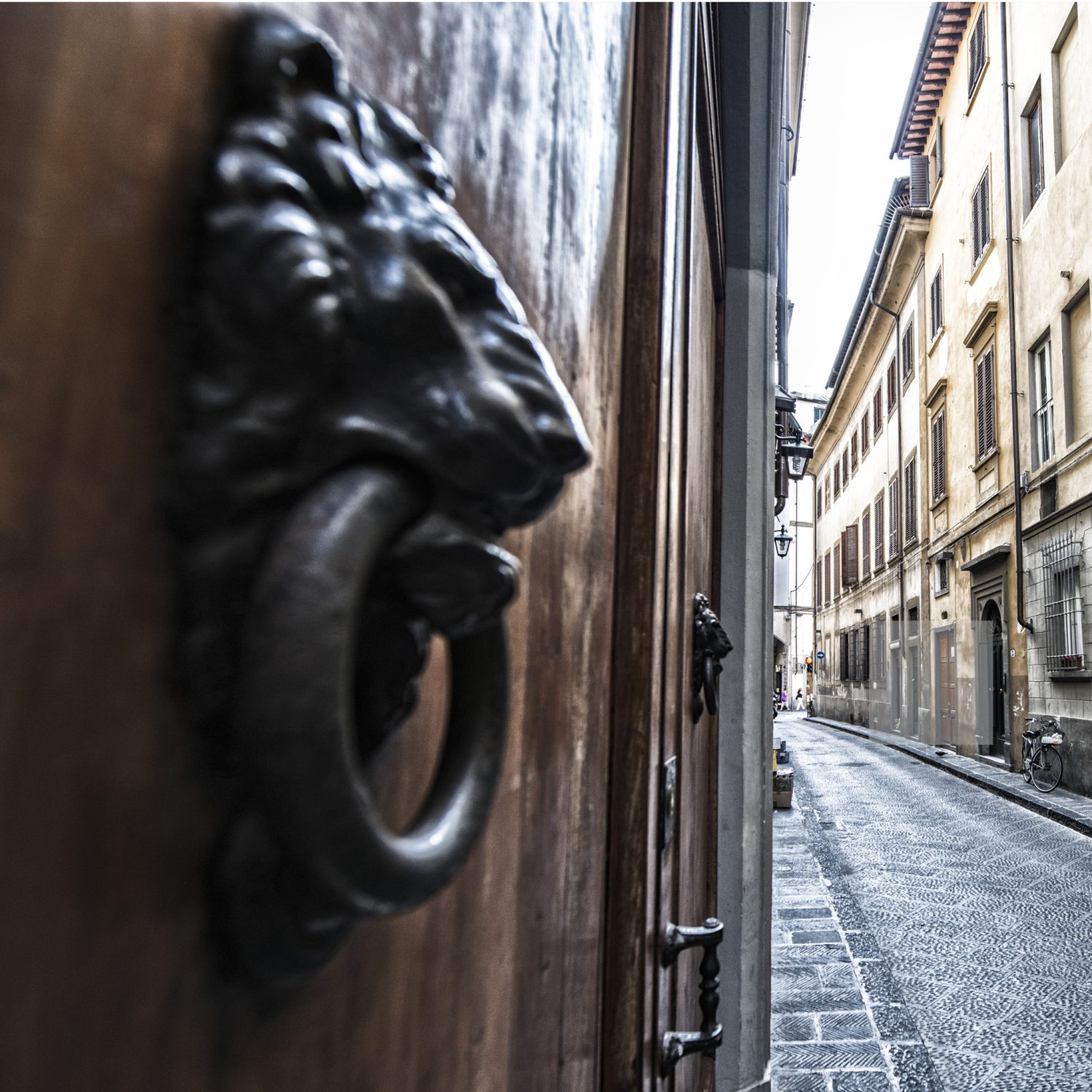
Walking down the streets in an unknown city in a foreign country can seem very overwhelming, especially in Florence’s winding neighborhoods. A great rule of thumb is to let yourself get lost and put your phone away…in trying to find your way back home you might just discover something new.

When arriving in a new country, my first instinct is to take my phone out to see if I have cell service or Wi-Fi. Arriving in Florence for my study abroad semester at FUA was no different, and I held my phone in a death like grip for the first week of living here.

Even though I was provided with great maps of the city by FUA, I still felt as if my phone was my lifeline here in Florence and that without it I would get lost forever among the streets of the city center. Little did I know how much nicer and productive my first week being here would have been if I had just allowed myself to actually get lost.

I had my face buried in my phone, looking at my maps instead of actually taking in my surroundings and understanding the streets of Florence. I didn’t want to feel uncomfortable in this city, yet I was so new to my surroundings that I refused to listen to everyone around me encouraging me to get lost.

My presence here in Florence was artificial in a sense that I really didn’t focus and appreciate where I was until I put my phone away and learned the streets of Florence.

Don’t get me wrong, I was still capturing and recording my moments here in Florence as much as I could. But instead of having my maps app constantly open, I had my camera open, or the TripAdvisor app open.

The difference between being too consumed within your electronics and being just consumed enough is a very delicate and thin line. While you want to photograph and remember every moment you can while you’re here in Florence, it’s so important to make sure you’re actually appreciating where you are and not just focusing on surviving.

Trust me, put the phone away when possible. Don’t just survive day to day while you’re abroad; thrive as much as you can here. Grow as much as you can. Put yourself in a world that you’re not familiar with, and learn to be okay with it.

See more of Florence at FUA’s FB, Instagram, and Twitter.

Home is Where the Heart Is

Photo courtesy of the author

By Amber Wright

If you asked me how many places I’ve called “home,” I would say four – I grew up in California, now live in Washington, worked in Northern Ireland for a few months, and am now studying for four months in Italy. I’ve had to make a home where I am three times since I’ve left where I grew up, and each time my concept of home has changed.

When I first moved to Seattle, it was easy. My close friends in California had all moved, so it was generally painless for me to leave. I found all the things that made me feel comfortable and things that were familiar to me. I found my groove, and I made as many new friends from school as possible to surround myself with.

When I moved to Belfast, it wasn’t so easy. I was very secluded and separated from people where I lived, and the most familiar place I could go was Starbucks thirty minutes away. I hardly met anybody my age while working there and often spent days alone.

As excited as I was to be in Florence for a semester, I was nervous about moving to a new country again. With moving to Florence, I would be here longer and there was an added challenge of the language barrier in trying to make friends. How was I going to meet anybody? I was afraid that I wouldn’t be able to make a home for myself here like I wasn’t able to in Belfast.

Three months later, Italy now feels like home just as much as Seattle does. When I first arrived, I had no idea what to do. I went the first week eating out every night and using a tee-shirt to dry off because I had no idea where a supermarket was or where I could buy a shower towel. Now, after traveling to amazing places like Germany, Croatia, and Spain, I get a sense of comfort, something I never got in Belfast, arriving at Santa Maria Novella Station, walking past the Duomo, and entering my apartment.

Italy has been very different from anywhere I’ve lived before, landscape, language, and climate-wise, but it has become normal and comfortable for me. However, this sense of comfort hasn’t come from knowing where to buy food or from decorating my room, it’s come from the community I’ve been lucky enough to form here. “Home is where the heart is,” “home is where your family is,” and my mother’s personal favorite, “home is where your momma is,” are popular phrases for a reason. Feeling at home is about the people surrounding and supporting you in that place, whether that be friends or family.

My study abroad program staff and the institution have done an excellent job of bringing students together and creating a community that people feel at home in. From taking day trips to having Thanksgiving dinner together, my program has become my family who I lean on for support.

The relationships you form over study abroad are quick and wild. You form friendships immediately because you all know you’re in the same position – a new country where you don’t know anybody. You go to dinner together that first night, then to Piazzale Michelangelo the next day, and then before you know it you’re exploring Florence with these friends every weekend. These friends will be the ones you climb to the top of the Duomo with and also get lost trying to find that one osteria in the far outskirts of city center. You’ll struggle though your Italian language class, and celebrate together when you have your first successful conversation with a local. You’ll discuss the culture you’re immersing yourself in, and also reminisce about the few things you miss about home. Finally, it’s three months later in December, still with two weeks to go, and you’re already crying thinking about leaving these people and leaving what and who has been home for the past few months.

Home isn’t a thing or a place, but a feeling that you get from the people by your side. My time here in Florence is intertwined with the people I spent it with, and I won’t be able to think about Europe without thinking of them. When I’ll look back on living in Italy and how much I felt at home here, it won’t be because of my apartment on Borgo Pinti. It will be because of the amazing friends and community I had surrounding me here making it feel like home.

See more of Florence at FUA’s FB, Instagram, and Twitter

Art History: A Different Perspective

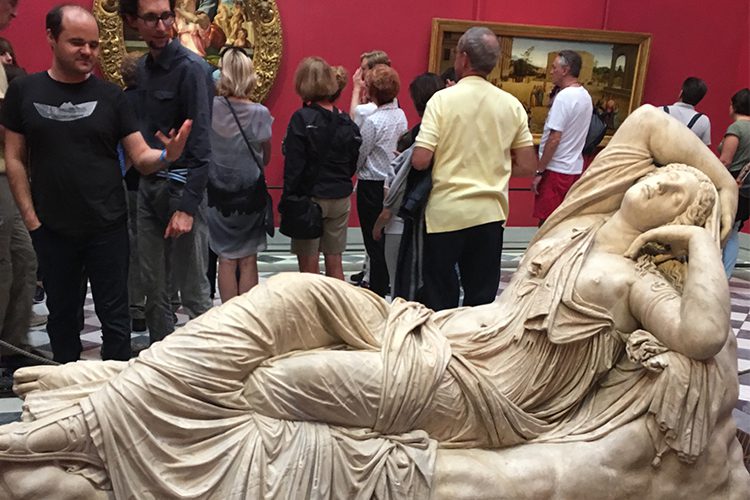
Visitors at the Uffizi. Photo by Jessica Pitocco.

By Nicole DeCosta

Alicia Deakin from London discusses how being in Florence has had a first hand impression on her perspective on Art History.

After the first half of the semester here at Florence University of the Arts, the students seem to be settling in nicely to the bustling lifestyle of classes during the week and exploring on the weekends. Sitting down with 21-year-old Alicia Deakin from Suffolk, England we discussed how she has had to adapt to this cultural change and new lifestyle.

With classes taking place Monday through Friday, Deakin said that her art history class is held twice a week.

“I’m happy that the class meets twice a week. Originally I found myself comparing my schedule to other semester students taking once a week classes, but I quickly realized just how much I enjoyed the class,” said Deakin. “I was feeling super lucky to be able explore the city of Florence and take part in the included field learning city activities offered through the class.”

Taking an art history course through FUA, Deakin said how amazing it was to experience this much raw culture within a class. When asked why this class was her favorite, she said how inspiring it was to be amongst some of the most amazing artwork she’d ever seen.

“Offering me new skills that I have not used in sometime, because I had taken a few years off from University, this class provides me an opportunity to study a new topic that both interests me and excites me,” said Deakin.

Noting the high quality education being provided to her through FUA, Deakin said, “the difference in my classes here from in London are so drastic, it is important to see how much the professors want to engage with you as students, while also wanting you to have the best possible experience in Florence.”

Since Deakin has never studied art history prior to coming to Florence, she said her favorite part is the novelty of the class, learning new topics, while also being placed within the Florentine environment. Knowing she is able to see the art firsthand, Deakin is thankful for the opportunity that FUA has provided her, and being here has allowed her to open her cultural perspective.

Offering students an opportunity to receive a strong education, while also an experience of a lifetime, including travel, cultural exchanges, and new opportunities, attending FUA, Deakin says, “is a once in a lifetime experience!”

See more of Florence and Italy at FUA’s FB, Instagram, and Twitter.