Exploring the Diverse Food Scene of Florence, from Bistecca to Bao
written by Connor McHugh for SPEL: Journalism
Everyone knows that cultures are defined and characterized greatly by their food. When you think of any given country, your mind almost certainly first goes to the local cuisine of that region. Italy specifically is often considered to have some of the best cuisine on the planet. However, it is important to understand that even in a country like Italy, the local food is incredibly diverse. We are going to take a look at the many different sides of Florence food and where its place in the overall society sits.
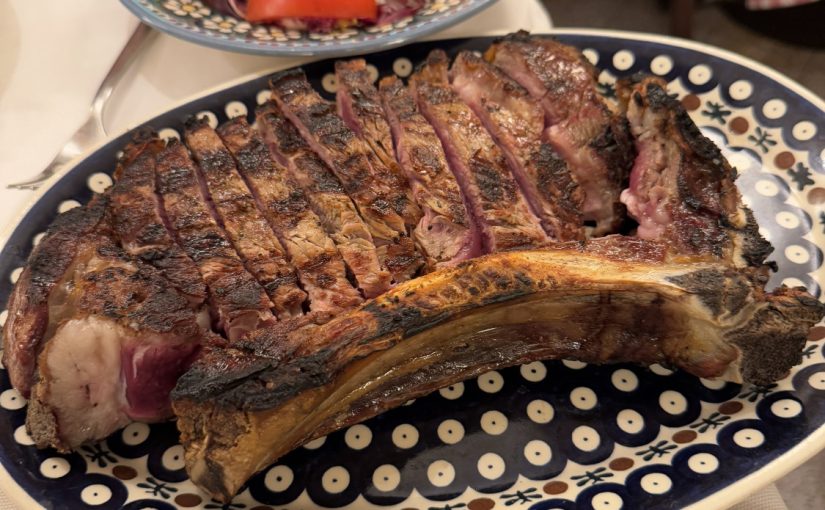
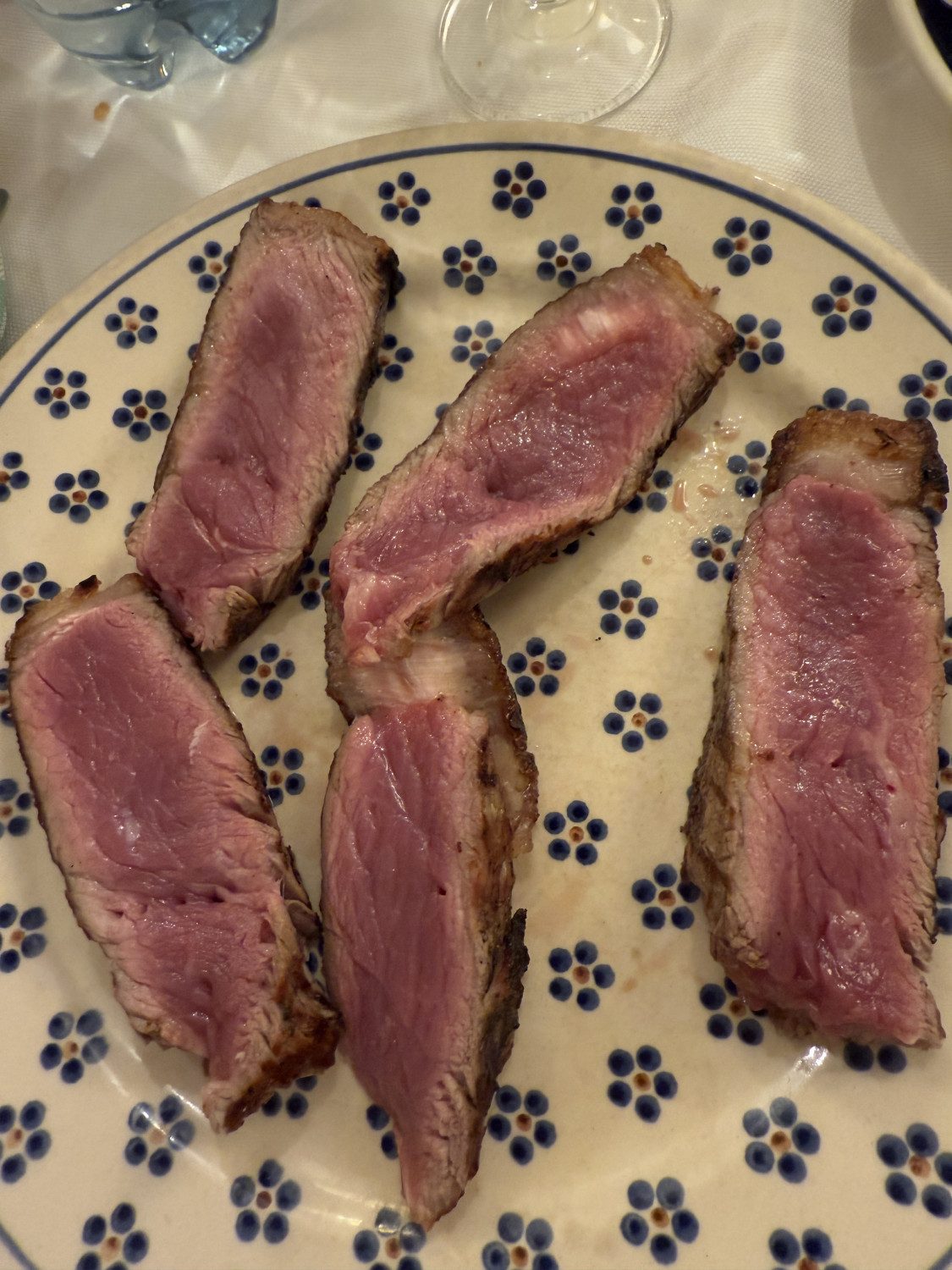
First, it would be blasphemous to not start this with Bistecca alla Fiorentina. The absolute staple and most popular dish of Florence is a sirloin cut of meat that is taken from a young steer or heifer. It is always served rare, as is the tradition and truly the only way to experience it. This steak was one of the best I have ever had, served with grilled potatoes and a salad. By keeping the beef rare, you are able to maintain all of the natural juices and flavors mixed with the loads of salt and seasoning on top. Due to its technical grilling requirements and need to be aged for over two weeks, patrons have to order at least 2 kilos of the meat. So next time you and your gym partner are looking for a good post workout meal, Bistecca alla Fiorentina is the best option.
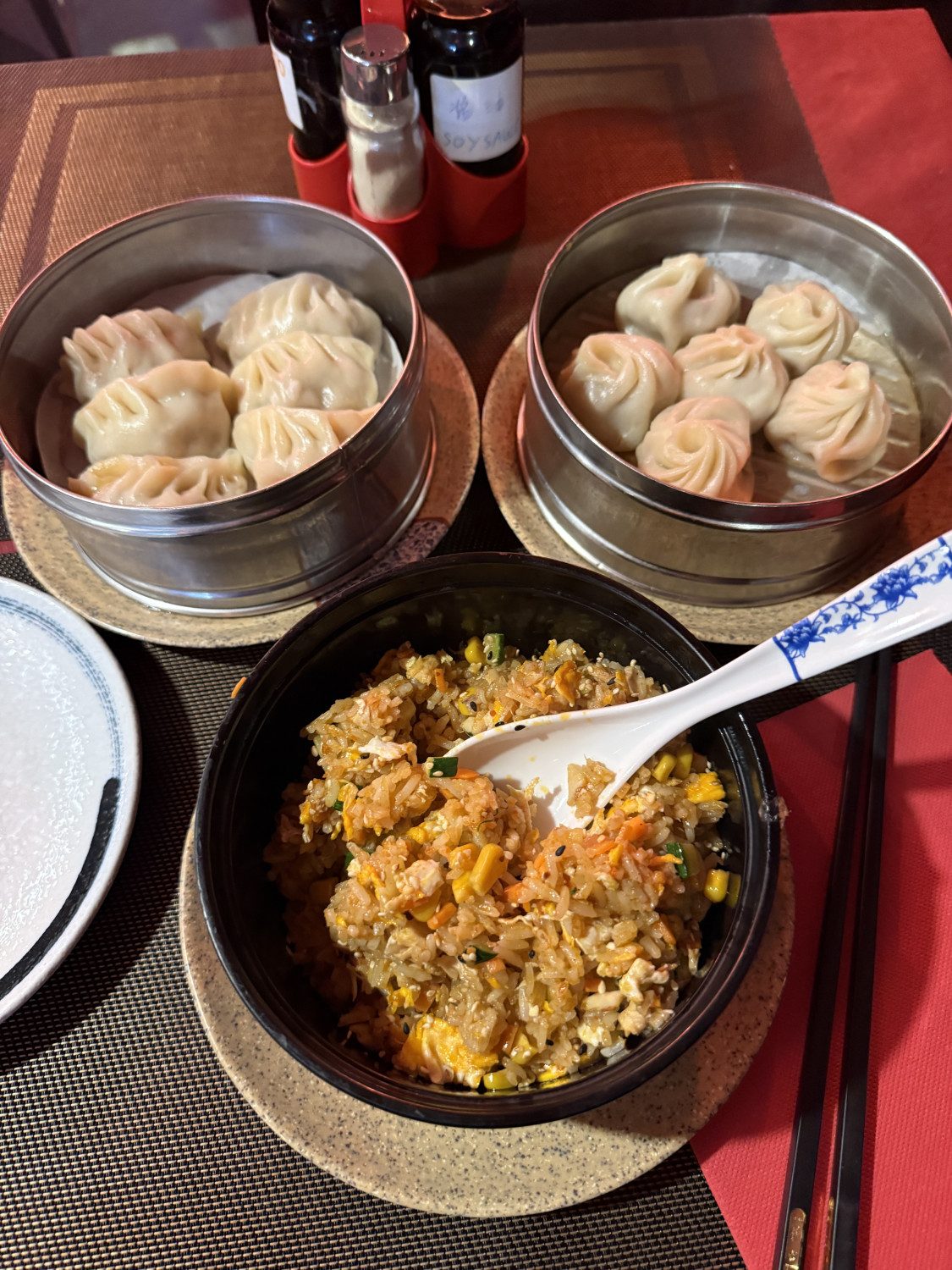
If you walk around Florence’s city centers, you will be met with endless pizzerias and trattorias which of course serve traditional Italian food. Venture a little farther out from the tourist areas, and you can be met with an entirely different world of amazing food options. For example, the thriving traditional Chinese cuisine of Florence. I was pleasantly surprised about the quality of the Chinese food and its authenticity. After a few orders of boazi and dumplings, I was extremely impressed. The outside was the perfect amount of savory and the texture was soft. The pork filling topped it off with its freshness and seasoning. What really sold the deal, however, was the duck rice. It is not often to see duck rice done correctly as many places don’t put much effort into their fried rice varieties. The rice was most definitely 24 hours old (the correct way to make fried rice) and the duck was cooked perfectly. It’s safe to say that I have eaten Chinese food in Florence more than pizza.
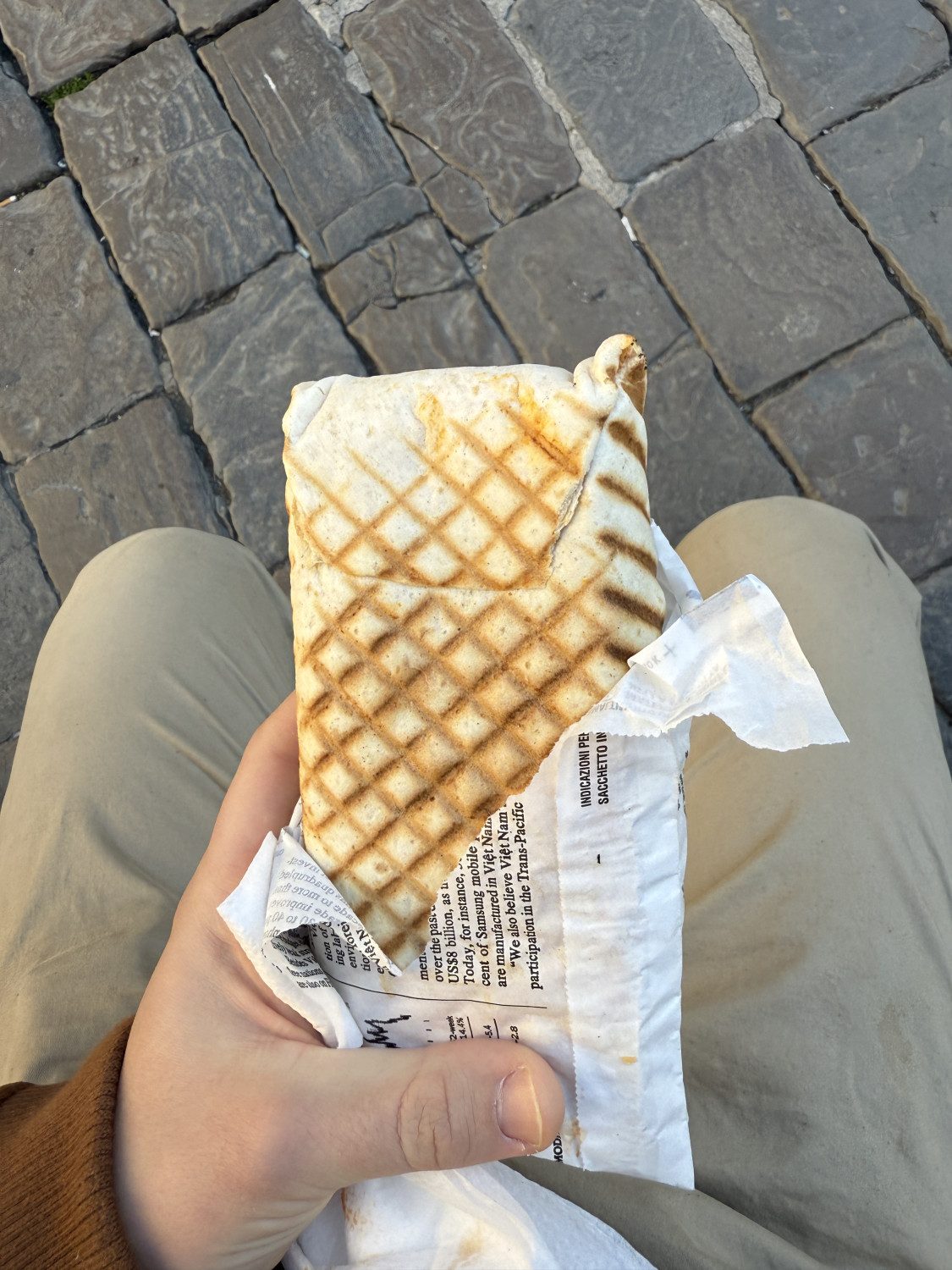
Of course, no European country would be complete without its local kebab spots. The kebab is a dish that can be seen all over the world but is uniquely different at each place. With roots originally in Turkey, the kebab is a simple dish that has an infinite amount of combinations. My kebab was a relatively traditional one, containing shawarma from a doner, and various fresh vegetables and sauces. The two new things that I especially enjoyed about this particular kebab were the jalapeños and fries in the wrap. Of all the different places I have gotten kebabs I have never seen jalapeños as an option. I always make sure to get every topping wherever I go to ensure that I am eating the food as it was truly intended. The jalapeños were a great touch as they added a certain level of acidity to the dish that sometimes kebabs are lacking. I was also surprised to take a bite and find that there were fries inside the wrap. It was an interesting yet welcome addition to the traditional kebab. Sometimes kebabs can be soggy and floppy due to the excess amount of sauce and wet ingredients, but the fries soaked a lot of that up making for an extremely firm and crisp kebab.
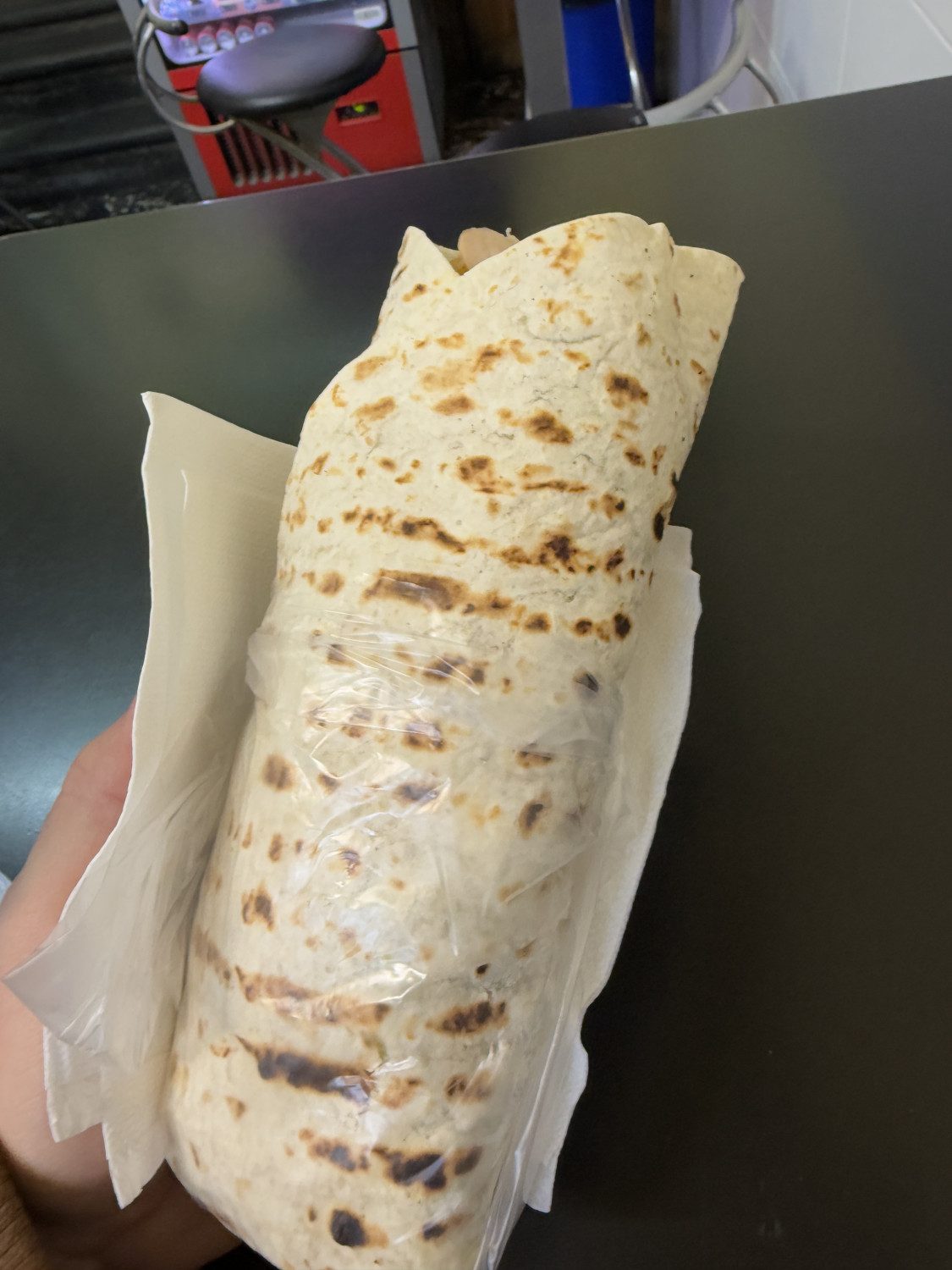
An underrated and often overlooked cuisine in European countries is Mexican. In The United States, you can’t go two blocks without seeing a hole in the wall family-owned Mexican restaurant (or at least a Chipotle). Mexican food in Florence needs to be sought out directly. So that’s what I did, because I cannot survive more than a week without a good burrito. I found a burrito stand and had to see what it was all about. I was both surprised and unsurprised. My hopes were not extremely high, but I was not very impressed with the finished product. My spicy chicken burrito was not spicy at all, which surprised me. Also, I am not sure if this is what I should expect in all tortilla wrapped dishes but there were also fries in my burrito. While I am all for innovation, fries in my Mexican burrito is not something I need. The rice was underwhelming and slightly overcooked. The beans and the chicken were both cooked nicely and tasted pleasant enough. Most likely not something that I would order again unfortunately.
As my first three weeks in Florence conclude, I am proud to have tried a multitude of different cuisines and food options. I know that with the eleven weeks I have remaining, I will find the best of each food that Florence has to offer. All of these different cultures are able to spread and be appreciated through their food, and I feel it is a civic duty to be as diverse in my food choices as possible. My taste buds are especially glad about my goal of being a world citizen.