This blog feature is an exclusive bonus installment to our Spring issue of Blending Magazine. After you finish reading, be sure to explore the rest of the magazine online—just follow this link to download the full Spring 2025 edition: https://jschoolfua.com/images/BM/BM_151.pdf
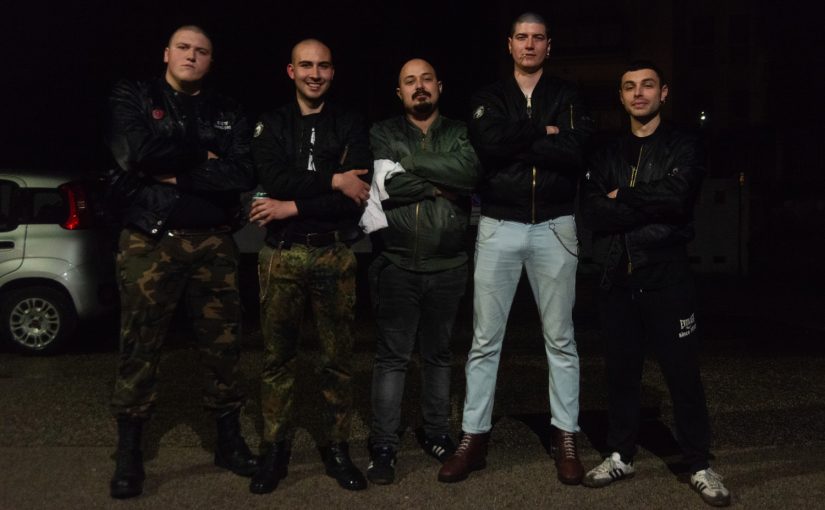
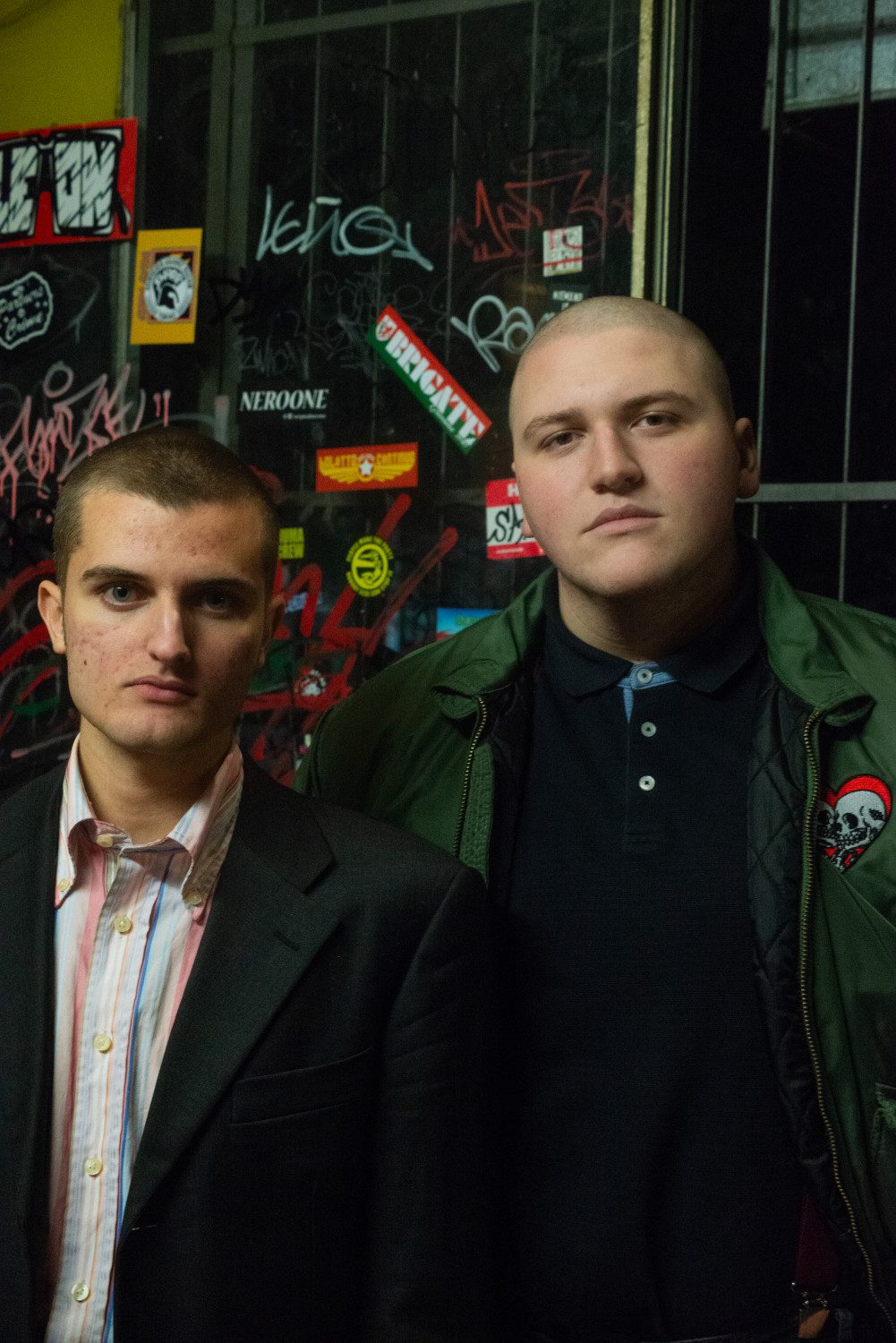
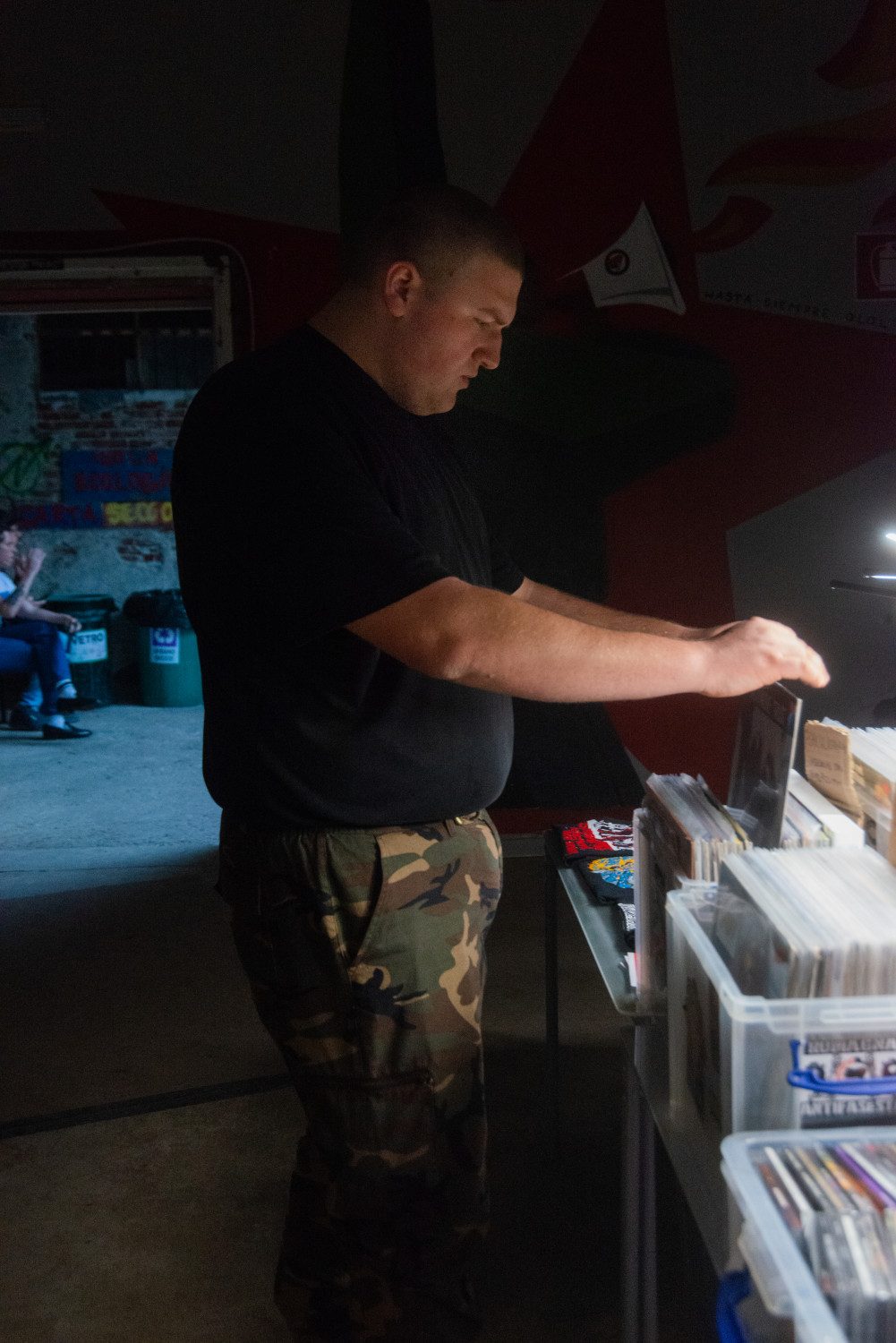
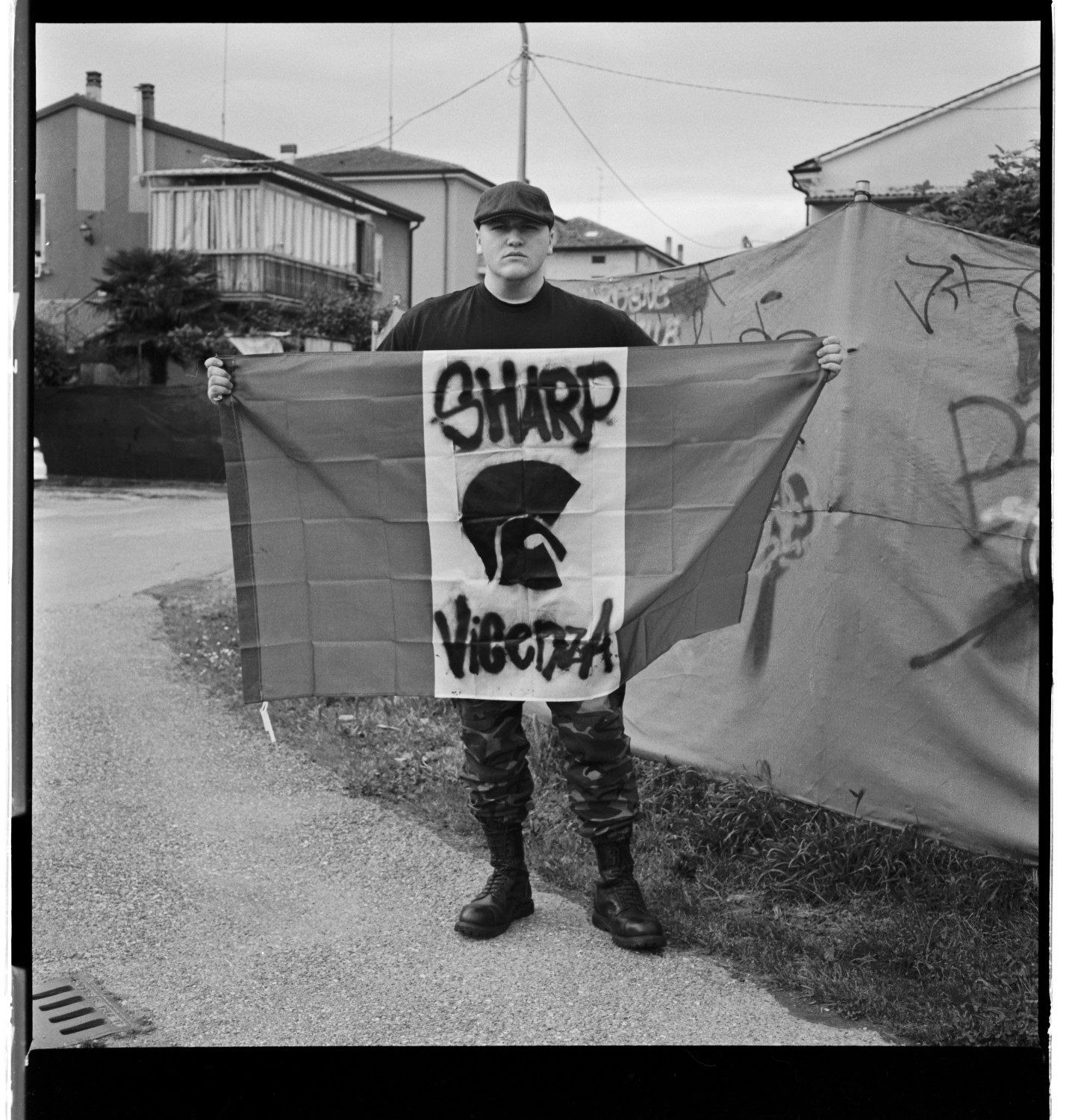
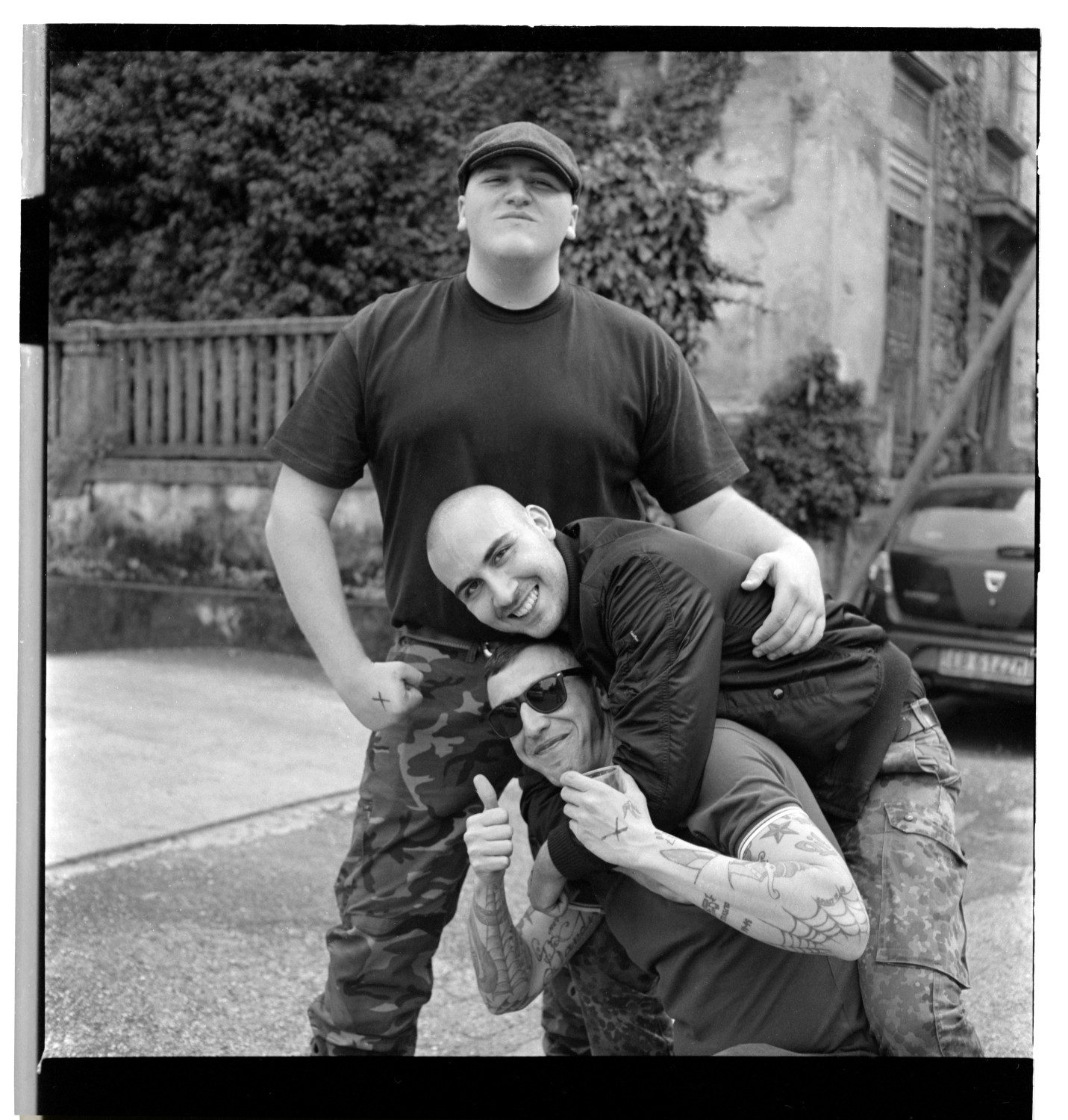
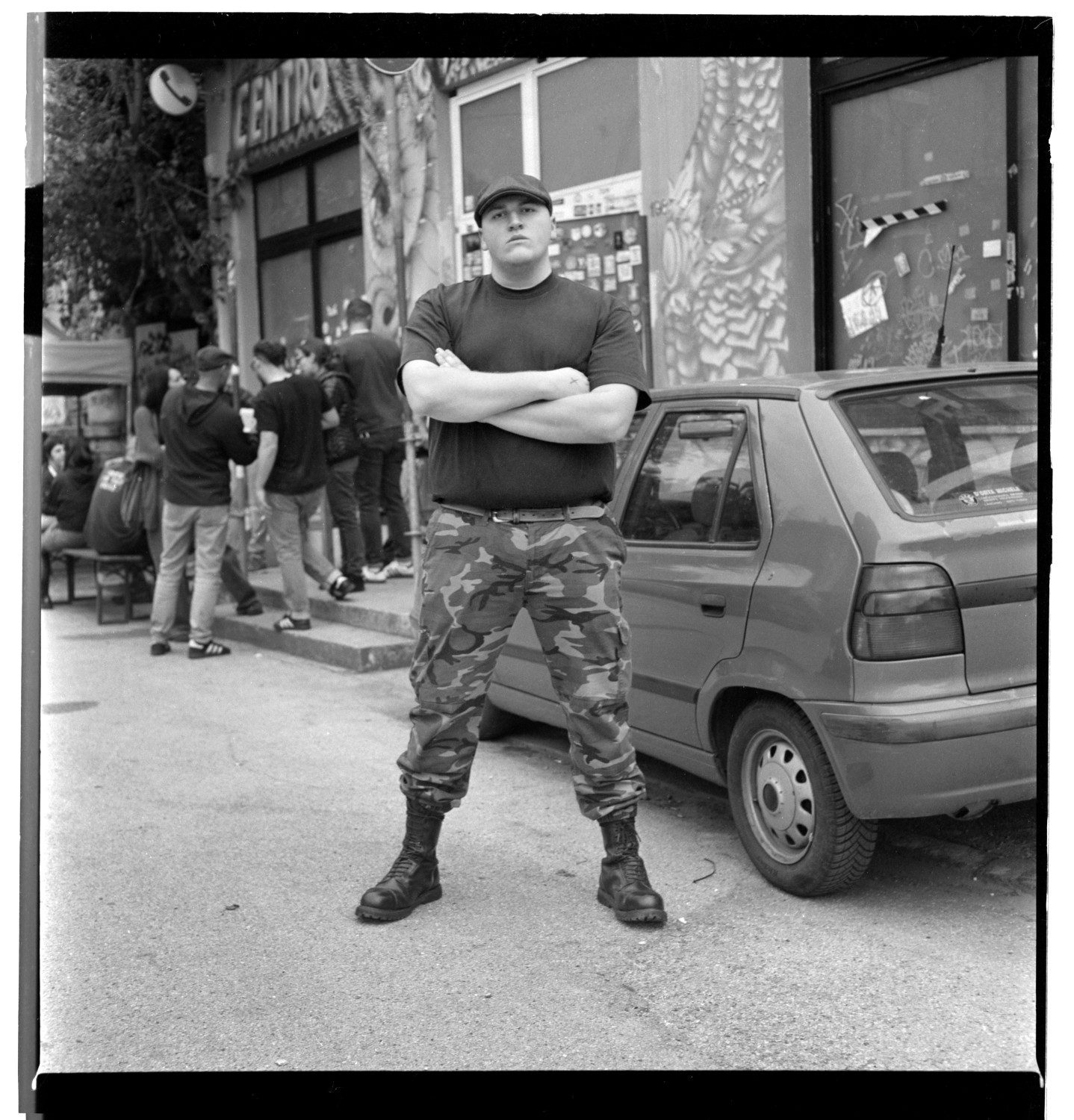
Lorenzo Carollo grew up in the northern part of Italy, in a small town near Verona. He followed the typical life path of an Italian teen, adding some illegal graffiti work in the mix. After high school, he went on to study History in Padova. You might wonder what kind of hobbies and activities one gets up to in rural northern Italy. For Carollo, he did not have to look far. He works in a mechanical factory, takes an interest in medieval history, plays the bagpipe, and in recent years has become a Skinhead. He has his hair cut short, wears boots and bomber jackets and goes to as many concerts as he can. This is also where I met him, at a concert at the Centro Popolare Autogestito (CPA) in Florence. I personally go to the CPA for its cheap beer and good music. Little did I know, that night’s concert was being played and attended by Skinheads. My first thought and question when I heard ‘Skinhead’ was, Are you guys Nazi’s? They all laughed, and Carollo started to explain the Skinhead movement to me over the loud music.
Skinheads originated in Britain in the ‘60s. They were primarily influenced by Mod and the Jamaican Rudeboy subcultures, with a working-class pride and rejection of conservatism at the time. The original Skins had a lot of influences from Jamaican music and culture, such as Ska and Reggae. Later, in the ‘80s, a Punk aspect was introduced to the movement, with the working class Punk Rock Oi!. This was then mixed with the Jamaican genres from the previous generation, which was referred to as 2Tone. If these are the origins of the movement, then why do we only now associate Skinheads with white supremacists?
During that same time in the ‘80s, the movement split up into two very distinct directions: far-right and left/apolitical. Britain’s political climate was precarious, and far-right supporters saw the Skinhead subculture as an opportunity to express their ideology. This spread fast, and by the ‘90s, neo-Nazi and fascist groups existed all over Europe and North America.
photo by Lilly Vergnes
photo by Lilly Vergnes
photo by Lilly Vergnes
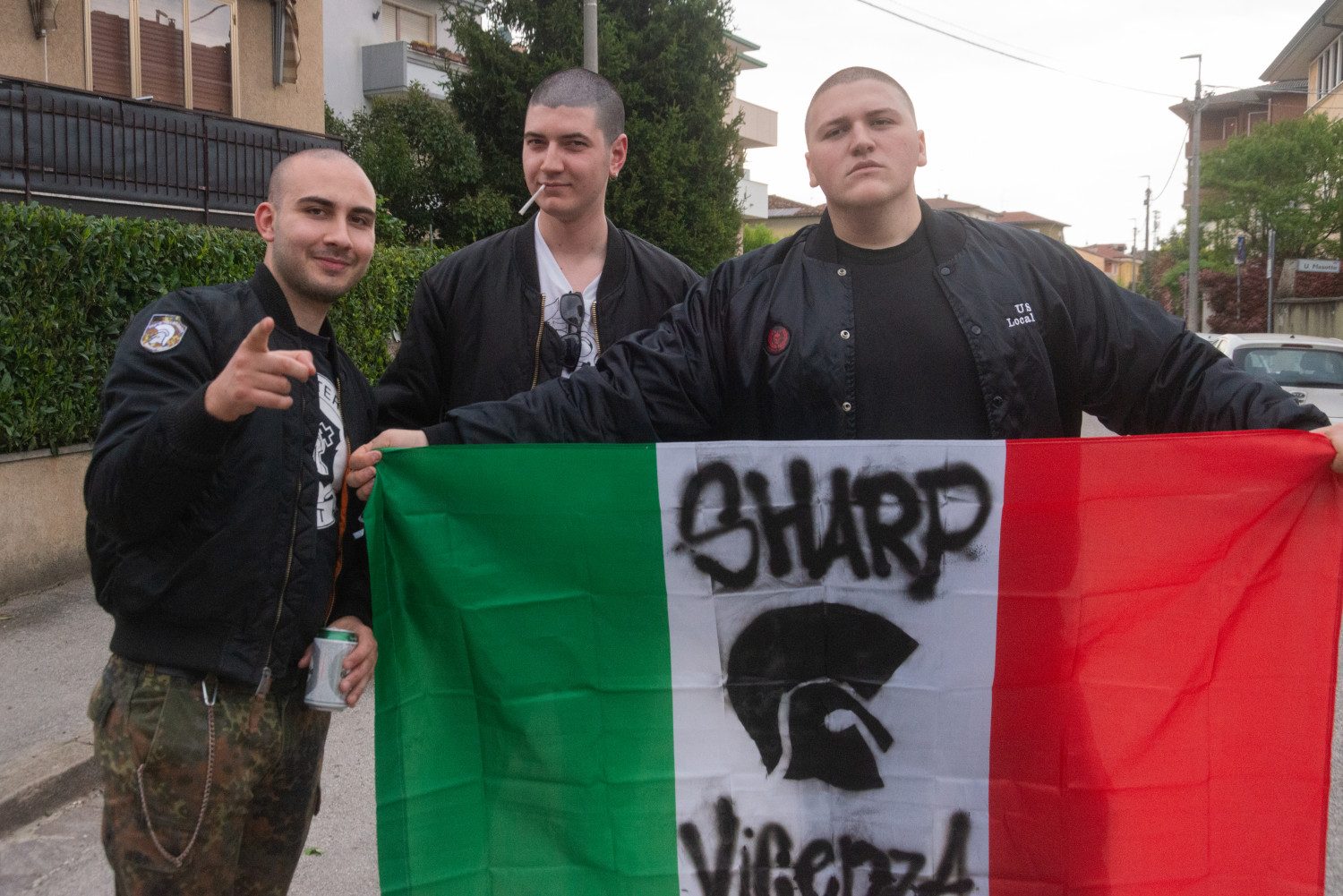
This is the image we still associate Skinheads with today in the mainstream mindset. However, a reaction to these right-winged groups quickly started. The movement known as Skinheads Against Racial Prejudice (SHARP) was created as an anti-fascist and anti-racist group. Today, they are considered an extension of the original Skinhead culture, the ‘real’ Skins. Skinheads completely deny the fascist groups as part of the movement, even refusing to call them ‘skinheads’ but ‘boneheads’ instead. The Skinheads main ideals are inherently left-wing, although some of them identify as apolitical.
Carollo first became familiar with Skinheads through some people he knew from high school. As a teen, he was interested in forming his own opinions on political matters. He was approached by some guys from a far-right Skinhead group in Vicenza, who wanted him to potentially join their group. After listening to some of the things they had to say, Carollo decided that their opinions did not align with his morals at all. He had a good friend who was black, whom he knew to be a good person, so he thought: how could it be true that all black people were bad? He made up his mind and began associating himself with people from the anti-fascist side of the movement: Skins from a smaller group called the Reggae Lads. Their ideas and morals lined up much more with his own, as he explained, “I could never understand why you would decide to hate. If you see a black man walking on the street who is smiling, you can’t be happy for him just because of the color of his skin? This is so stupid to me.”
As for myself, I never realized that Skinheads are not what we see in the mainstream media. In reality, it seems like a subculture like many others, with their music, fashion and ideals, even ideals that most people could get behind. They are just as much, if not more, against neo-Nazi’s and facism as anyone else. In some way, they are the ones that are trying to make a positive change in the world.
A historic open-air market where Florentines gather to sell and find clothes, food, household items, and anything else you could possibly imagine. There is a vintage presence along with a modernized vision occurring here.
written by Meredith Simpson, Amelia Mora, Alaura Cross, Sabrina Harris & Katie Brooks
This blog feature is an exclusive bonus installment to our Spring issue of Blending Magazine. After you finish reading, be sure to explore the rest of the magazine online—just follow this link to download the full Spring 2025 edition: https://jschoolfua.com/images/BM/BM_151.pdf
As you enter the 1.5-kilometer-long market, the hum of bargaining surrounds you–an elderly woman haggles over schiacciata bread while a mother negotiates the price of pecorino cheese. The freshly roasted porchetta drifts through the air, mixing with the scent of sun-warmed leather from handcrafted belts displayed on a nearby stall. The sight of endless crowds moving between stalls, clutching canvas bags brimming with colorful produce, is overwhelming. A sense of curiosity stirs inside from the “offerta €1.50” signs. You wonder: Is this an authentic Italian bargain or just a tourist trap?
Il Mercato delle Cascine is the largest and cheapest open-air market in Florence, with its origins traced back to the 19th century. The market started as a place for Florentines to gather weekly to buy necessities at a bargain price. It is located in the biggest park in Florence, Parco delle Cascine, along the Arno River, and remains in the same location. During the ‘80s, the market stood as a place for authentic Italian vendors to come and sell their products to locals. The market’s products reflected Italian craftsmanship, and vendors were often Florentine families who had been selling for generations. Vendors and customers knew each other, and shopping here felt like an extension of local culture rather than a transaction. The market fulfilled every need, from groceries to clothing and household items. You could find a cobbler selling hand-stitched leather shoes beside a seamstress repurposing vintage silk scarves into elegant blouses. It was an integral part of the Florentine community to go and find truly vintage items.
Since the ’80s, the market has grown beyond its original Italian roots, reflecting a wave of globalization. As Florence became a prime tourist destination, its markets shifted to cater to new demands. In the past, every item was locally sourced—whether it was a handmade ceramic bowl or a handwoven scarf. Now, the merchandise tells a different story. There is a new wave of vendors who sell low-grade clothing products for 3-5 euros. These products have been unethically produced, which contradicts the original purpose of the market. A stall once known for vintage linen shirts now sells polyester blouses with “Made in China” labels. Where artisans once handcrafted belts from Tuscan leather, now imitation leather accessories line the tables. They are often indistinguishable from real craftsmanship until you touch the synthetic material.
The arrival of new vendors has shifted products from locally sourced Italian goods to imported fast fashion. These goods have been replacing Italian leather with synthetic fabrics, yet are sold at the same price. One of the many clothing stalls sells dupe designer shoe brands like Alexander McQueen for 10 euros. This “sale” can give the market a less authentic atmosphere and offer these already inexpensive products at a price that feels like a bargain. It’s clear that these items are not vintage, nor are they part of Florence’s rich fashion history. But for many shoppers, price wins over authenticity.
One local who has visited the Cascine market for decades expressed how the impact of new merchandise has changed the market’s motive from what it was supposed to be. It was originally meant to be a place where locals would come to find second-hand items and give them a new life. Under some vendors’ tents, that’s still the case. You can find well-known re-purposed brands like Levi’s and Diesel for an amazing low price. The market is still successful in its own way, but the new generation of vendors has taken advantage of the authenticity as a way to make a profit on mass-produced fashion.
Some may see this shift as an evolution that keeps the market relevant, while others feel it dilutes Florence’s fashion heritage. The market is held only on Tuesdays from 7 a.m. to 2 p.m. and still flourishes today. The food still smells delicious, and the prices are still low. But is a bargain worth the shift in focus?
This blog feature is an exclusive bonus installment to our Spring issue of Blending Magazine. After you finish reading, be sure to explore the rest of the magazine online—just follow this link to download the full Spring 2025 edition: https://jschoolfua.com/images/BM/BM_151.pdf
Beneath the romantic cobblestones and rolling hills of Florence, Italy, lies one of the most disturbing true crime stories in European history. Between 1968 and 1985, a series of gruesome double homicides occurred in the Tuscan countryside. Il Mostro di Firenze—The Monster of Florence—created a legacy of terror, controversy, and conspiracy, and a decades-long series of unanswered questions.
A Pattern of Death
The first known crime occurred in 1968, though it wasn’t immediately linked to the rest. It wasn’t until a similar attack in 1974 that authorities began to suspect a serial killer might be at large. For 17 years, the murders continued. As media speculation and fear grew, so did the number of victims.
Il Mostro di Firenze sought out young couples seeking privacy in rural areas and often attacked while the couples were in their cars. Throughout the serial murders, the weapon used was consistently the same—a .22 caliber Beretta pistol. The ritualistic elements in these murders pointed toward a deranged but highly meticulous criminal at work.
Insights from Florence
To better understand the grip this case holds on Florence, we spoke with Fabio Binarelli, a native of Tuscany and professor at The American University of Florence, who offered personal insight into the murders and their legacy.
Binarelli noted that the killings followed a consistent pattern: the male victim was shot first, followed by the female, who was also often physically mutilated—most often targeting the breast or pelvic region. “That’s what made it feel truly serial,” Binarelli explained.
The investigation was very complicated. Binarelli explained, “Today everything is on your laptop—but back then, to connect several files of investigation, you had to have one clever investigator who connected places and years with the details.”
Eventually, suspicion fell on Pietro Pacciani, a violent Tuscan farmer with a disturbing history. “The investigation narrowed down to one person specifically and his close circle of friends,” Binarelli told us. Pacciani had once killed another man out of jealousy and had been known for abusing his wife and daughters. While Pacciani was convicted in 1994, his sentence was overturned in 1996 due to insufficient evidence.
Adding to the surreal nature of the case, Pacciani created works of art that disturbed the people around him. “Despite being almost illiterate, he had an interesting collection of drawings, and if you see them, they give you chills…” He also wrote poems and read one about brotherhood and love to the court during his trial. “Imagine that,” Binarelli said. “You’re in front of the Supreme Court, answering for eight double murders, and you’re reciting poetry. Something … it’s off.”
Fear, Conspiracy, and Cultural Reflection
The atmosphere in Florence during the years of the murders was palpable. Locals avoided the countryside, and couples were terrified to go out at night. Conspiracy theories flourished—some claiming that Pacciani was merely a pawn for a secret society involved in ritual killings.
Binarelli elaborated, “It was a great opportunity for fictional writers and journalists – they have many conspiracy theories now.”
American crime writer Douglas Preston famously got caught up in the case while researching in Florence. His book, The Monster of Florence, helped revive international interest, including a speculative link to the Zodiac Killer. Though no solid evidence ever backed this connection, the eerie similarities between the two killers only fueled the fire.
A Lasting Legacy
Beyond the crimes, the case peeled back layers of Tuscany’s cultural identity. “You have the judges: educated Florentines on one side, and on the other, Pietro and his friends, uneducated, rude, and when they were interrogated, they exposed the truths of their places.”
He continued, “Florence is sort of the light in the dark for human civilization. It’s interesting to see this inner struggle in the person of Piaccani, he was a brutal, violent person, a beast, but a beast with creative thoughts. That made him the perfect serial killer.”
Today, the Monster of Florence case remains officially unsolved. An upcoming Netflix docuseries has reignited interest and is set to be available this coming Fall. However, Binarelli says he’s weary about its historical accuracy: “If it’s only four episodes, that’s a lot to cram. I appreciate the artistic reenactment of things, but sometimes they are inaccurate or culturally distant.”
Most of the tourists who come to Florence for its beauty, art, and history will never know the story that took place in the rolling hills above town. The legacy of Il Mostro di Firenze is a chilling reminder that even the most beautiful places can be harbors of darkness.
A personal guide on where to be productive in Florence
written by Tyler Kirwan for SPEL Journalism
As of writing this I have less than 12 days left in Florence. While my dwindling time is upsetting, I have been lucky enough to discover some of the beautiful places the city has to offer. When I am not in class, or working for my internship, I enjoy reading, journaling, or just people watching outdoors in the sun-soaked city I have been able to call home for the past few months. I am someone who loses focus quite easily, and it is important for me to be able to be out of my home when I want to be productive. In the states, I spend most of my time when not in class, sitting in coffee shops. Italian culture is a little different when it comes to working in public, particularly coffee shops, and it is less common here to sit inside for a long while and work. The first few weeks I spent here I was overwhelmed with choices on where to spend my leisure time. Now that I have explored more of Florence, I have my version of a comprehensive list of my favorite places. Hopefully anyone reading this can take my advice and give these places a try, especially if they live in the same corner of Florence as I do.
While this list is in no particular order, I am currently writing this from the ‘Piazza Delle Murate,’ so I shall highlight it first. This Piazza contains a coffee shop/restaurant, and the entrance to the Murate Art District – a museum I would highly recommend. I discovered this space after being assigned to write about an exhibit opening at the museum. The coffee shop has Wi-Fi that extends out to the Piazza and I love getting a coffee and sitting outside and reading or writing. There are a lot of tables to sit at, and bringing a friend and having a conversation in the sun is wonderful.
Another one of my favorite locations is ‘Piazza Sant’Ambrogio.’ This Piazza is fun during the day but especially lively during the night. On any given day of the week all types of people are standing around with a drink and their friends chatting it up. This little area is a great place to meet new people, and I enjoy sitting on the church steps with my roommates. We live very close to this square and most nights, at some point we are spending time there. During the day the Piazza is nice as well and features a coffee shop on the corner that is a great place to study, with multiple restaurants very close.
Down the street is another great place called ‘Piazza dei Ciompi.’ The Piazza is surrounded by restaurants, places to drink and has free Wi-Fi. The centerpiece of the Piazza is a set of steps with columns and a roof. I sit on these steps all the time to read or eat a snack I bought nearby. There is a park behind the columns that also features a vintage market surrounding it on some occasions. My roommates have been able to find some nice stuff at the market, so for that reason alone this Piazza is definitely a great place to check out.
Switching from Piazzas, the next place on my list is my favorite park in Florence. ‘Parco Giochi,’ has beautiful trees surrounding it, and plenty of benches to soak up the sun and read a good book. The park also has a playground and a basketball court if either of those things suit your mood. There is even a merry go round in the center which I find quite sweet. If the benches are ever full there is some grass where I personally have napped during a warm day.
The ‘Giardino Lungarno del Tempio’ is a small park located on the riverbank of the Arno. This park is a great place to hang out with a book or with some friends, and at sunset the view of the Ponte Vecchio is phenomenal. One side note is that there is no Wi-Fi. So no laptop work, but definitely a great place to read a book and look at Florence from a unique viewpoint by the water.
The final location on my list of favorite places is actually on the opposite side of Florence than all the previous mentioned. ‘Orti del Parnaso,’ is a city park that looks over all of Florence. This park is easy to get to, as you can either walk there, or take the tram to the ‘Liberta-Parterre’ stop. This is my preferred method as I live a distance from the park, but the view is always worth the trek. Besides the view, the park itself is nice, and has some sculptures and plenty of benches to relax at.
Hopefully my recommendations are helpful to anyone reading and they can enjoy some of what makes these places so special to me. All I have left to say is, go outside, enjoy the beautiful city, and soak up some sun.
A student’s journey from rigid plans to spontaneous gratitude reveals the unexpected beauty of slowing down, connecting deeply, and truly living abroad.
written by Connor McHugh for SPEL Journalism
I left O’Hare Airport in Chicago on a flight to Florence, where I made lists of everything I wanted to see and do while abroad. It included trips, events, restaurants, and everything in between. The longer I was in the air, the higher the anticipation of arriving in Italy grew. For my whole life, I have dreamed of traveling the world and seeing every corner the earth has to offer. Studying abroad was my chance to start those dreams.
I had a very specific idea of the type of experience I thought I would have while abroad. I saw myself being out of Florence 5–6 days a week, traveling to a different country each time with brand-new experiences to show for it. After the first three weeks of the semester and not a single new country visited, I realized I may have been overzealous. However, those first three weeks allowed me to fully immerse myself in the city and community of Florence and begin making connections that would end up lasting.
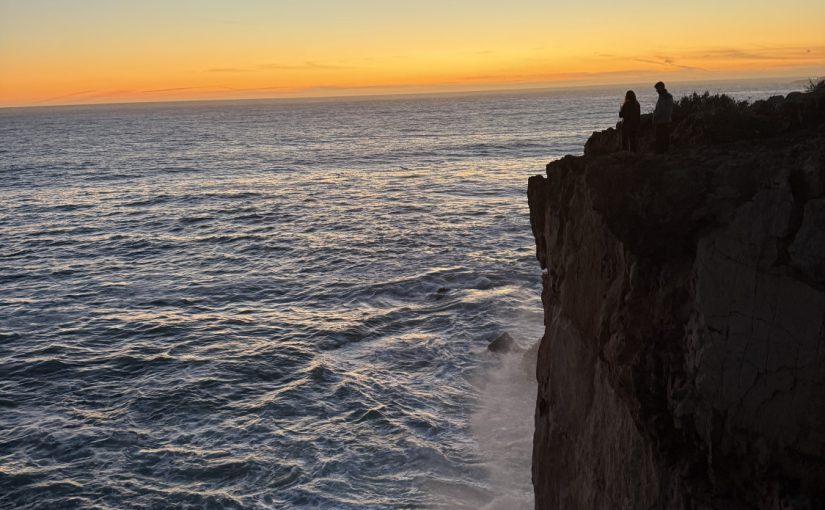
After that came my first time traveling outside Italy for spring break. From Portugal to France and Switzerland, it was an experience I will never forget. As I traveled from country to country, in awe of the breathtaking landscapes and monuments at each place, I couldn’t help but think about the eight-year-old boy who once dreamed of what I was now doing. At the end of the break, I stood on top of the Swiss Alps with ski poles in hand and thought to myself: How did I ever get so lucky? The air felt like invisible gold on my skin as I relished a moment I had long waited for. It began my mission to make sure I lived every day abroad to the absolute best of my ability. I felt I owed it to everyone in my life who had helped me get to this point. I also owed it to the people who would give anything to be in my position.
Recognizing how fortunate I am to live this way gave me a newfound sense of purpose and direction.
Coming off the best week of my life during spring break came the final 11 weeks of the semester. This is when I began to feel more like an expat living in Florence rather than just a tourist. I became familiar with certain spots in town, getting to know workers and owners of all different kinds. It quickly became apparent that the level of hospitality in Florence is unmatched. Anyone would be glad to strike up a conversation with you and give advice on what it means to live in the city and country.
It was about halfway through the semester when I found myself in an actual routine. I had class and work, different places I would eat on certain days, and I would pick up my bags and travel somewhere for the weekend. That routine became a cornerstone of my time in Florence and made me realize that it’s very easy to make anywhere you live feel like home if you try hard enough. People often talk about being homesick and missing that sense of comfort and belonging. To me, home is a place where I know what I’m doing every day of the week. I find comfort in thinking about the next day and knowing what I’m going to be doing—with new experiences sprinkled in here and there.
Paradoxically, it only feels like home once you start trying new things. That way, you can fully understand what it is you want to continue doing. It’s important to try as many things as you can at least once. Of course, the weekends are when routines should be thrown out the window and used as opportunities to travel and go on new adventures.
As I wrap up my semester abroad, I look back on the things I will remember most about my time and what I’ve learned from it. I learned that the things that will have a lasting impact on me are the moments that made me feel an immense sense of gratitude for the life I’m living. In France, I won’t remember the Eiffel Tower as much as I’ll remember playing soccer with local kids on the street. In Switzerland, I won’t remember any specific tricks I did on my skis, but I’ll remember the feeling of spraying my friend with fresh snow. Across every country and city, the moments that leave a lasting impression are the ones you least expect.
That is the beautiful thing about studying abroad—and life in general. People think that in order to make amazing memories, they have to visit the most luxurious destinations and live lavishly. In reality, the more you connect with the local environment and live in the moment, the more you realize how amazing this experience is.
If I had the chance to meet my former self on that plane five months ago, I would have grabbed that sheet of paper and torn it up in front of him. I would have told him not to be so constrained by expectations and plans—and to live every single moment like it matters.
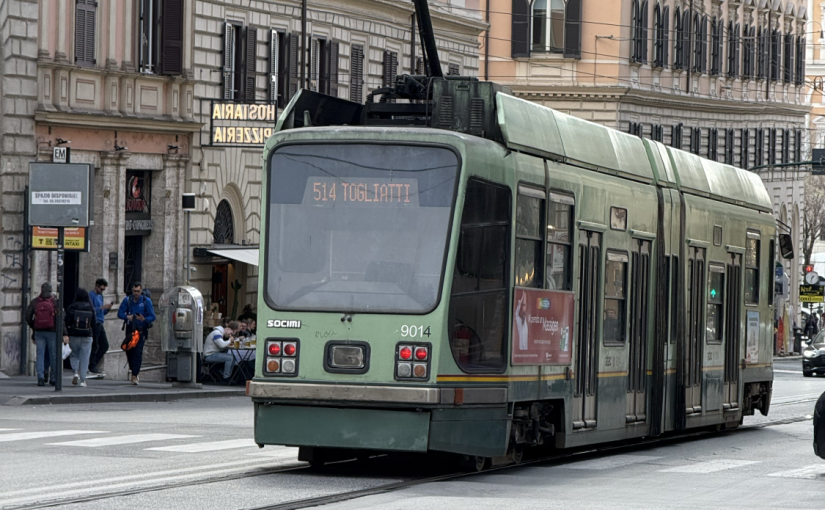
My name is Guido Togliatti and I am studying abroad in Florence for the Spring, 2025 semester. Originally, I am from California, but I have Italian ancestry through my Grandfather.
Palmiro Togliatti himself was born in 1893 into a comfortable middle-class household and displayed academic promise from an early age. He earned a law degree at the University of Turin and then served on the front lines during World War I, where he sustained injuries that deepened his commitment to social justice. After the war, he channeled his convictions into journalism—founding the weekly newspaper Il Partito Comunista—and helped organize Italy’s first cohesive communist movement. When Mussolini outlawed the party in 1926, most leaders were arrested, but Togliatti escaped to France and later the Soviet Union, where he navigated the dangerous politics of Stalin’s purges to keep the movement alive.
During the Spanish Civil War, Togliatti helped coordinate aid and volunteers for the Republican side—a chapter of his life that underscored both his political skill and his willingness to risk everything for his beliefs. He returned to Italy in 1944, joining Marshal Badoglio’s transitional government and working to legalize the Communist Party once more. His life nearly ended in 1948, when a young fascist assailant wounded him—an event that triggered mass demonstrations across the country and solidified his status as a symbol of resistance. After his death in 1964, the Soviet city of Stavropol-on-Volga was renamed Tolyatti in his honor, a rare acknowledgment of an Italian figure abroad.
Ultimately, learning this history has deepened my desire to connect with Genoa and to cherish every moment I spend here in Italy. Learning about this made being in Italy even more special for me.
Reflecting on the differences between the rushed attitude of coffee drinkers in America, to the relaxed nature of café culture in Italy.
written by Tyler Kirwan for SPEL: Journalism
Cafés in America are quite different to those in Italy on multiple different fronts. The reason why seems to stem from the difference in attitudes on leisure between the two countries.
In July 2023 I visited Italy for the first time. My trip was two weeks long and included four other countries in Europe. So many countries in such a short time that I normally forget to mention some when telling people of the trip. Still, it was amazing, and we spent the bulk of the trip traveling around Italy. We made Rome our home base while in the country, and traveled to Florence and Naples while we were here. Of the three cities, I would with 80% certainty say that Florence was my favorite of the places I visited. Luckily for me, I attended my school’s study abroad fair on a whim one day while walking through our Journalism building, and discovered they offered a semester in Florence with an Internship! How exciting I thought, and spoke with my advisor about the opportunity. Six months later I was applying for the abroad program, and four months after that I was packing my bags.
Working in coffee for over seven years, I would consider myself a pretty O.K. source of all things encompassing. When you take into account the fact that I am only twenty years old, I feel as though I am allowed even more merit points. I have worked in the coffee scene since I was thirteen. I’ll avoid the long explanation, but basically when I was in eighth grade, I opened up a coffee shop at my local mall and have been pretty interested in coffee and its culture ever since. Following my coffee shop, I was hired as a barista in a small café in my hometown. Six years later and I am still working there, so I feel I know the demographics of ours and other American shops. The types of people who spend time inside sitting down are students, remote workers, families, and friends / dates. (I can never really tell which group people fall into.)
My coffee shop also definitely affiliates itself with the younger audience; a place for self-described indie and emo kids.
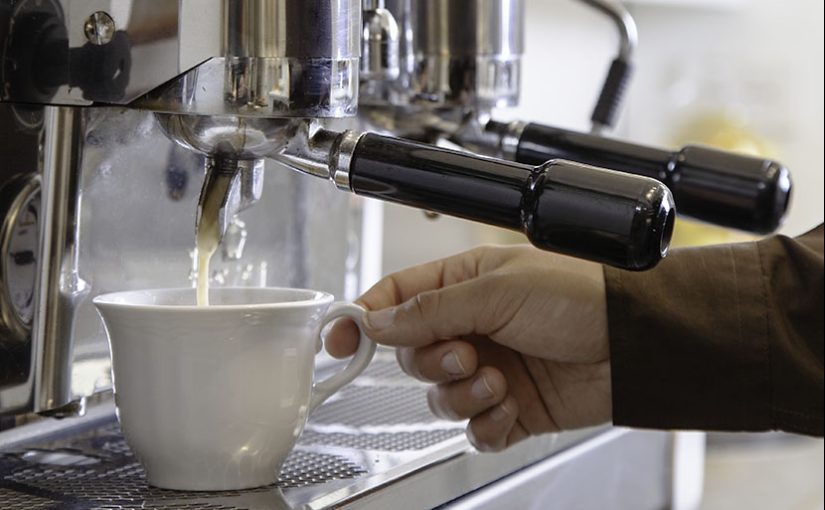
The coffee scene in Italy though, now that is an entirely different scene. A ‘Brave New World’, if you will. On my first trip to Italy, it was what obsessed me the most. I remember walking through the train station in Rome after leaving the airport, and an Illy Cafè caught my eye. I was previously familiar with Illy having worked in coffee, but this was an entire shop dedicated to it, and even weirder, everyone was huddled around the counter. I walked over with my bags to see what all the commotion could possibly be over this seemingly-ordinary coffee shop, and was physically taken aback by what has to be the biggest differences between coffee in the States and coffee in Italy. Everyone was standing at a flat bar a little lower than the register and drinking ceramic cups of espresso. Ceramic cups at a train station. This was mind boggling. Why are they all standing around when they could just take it away in a paper cup I wondered. Aren’t they in a hurry?
I have come to learn during my time here that Italians have a different relationship with coffee. All this is gathered simply by being an observer, however I believe the following to be true. Italians use a café as a place that is not work, nor home, but its own third thing. When I say cafes, I actually mean bars, as that’s where you can find an elegantly crafted Italian espresso machine sitting alongside a liquor cabinet. They also tend to have pastries and snacks at bars. Tabacchi shops also tend to have espresso machines. The word cafe for me has become an all-encompassing term for coffee shop, bar, tobacco shop – all places in Italy with an espresso machine. The point of all this is to say that Italians treat these third places as hangout spots. These are places to escape work and school, talk to their friends or family, or chat with someone they haven’t seen in a while. They grab a little glass mug of espresso and stand at the counter and catch up. If they know no one there, they lean against the counter and drink their espresso, macchiato, cappuccino, or whatever their preference. It’s not about getting a caffeine boost in a plastic cup, and running as fast as you can to work. The culture is about getting a morning coffee to enjoy and wake up with. A daily ritual, even if short, that can be savored, not rushed.
Now we get back to my previously mentioned demographics. From what I’ve noticed there isn’t much need for cafes with affiliations. Most places offer similar vibes, with the outliers being specialty shops such as bookstores or record store cafes. For my coffee shop at home, to be successful we need an affiliation, a reason for people to specifically come to us. A marketability. Cafes here don’t have much of that. They offer relatively the same menu at the same prices for anyone to come in and enjoy. There are some specific coffee shops whose goal seems to fit a certain market, and one of those Ditta. Ditta Artiginale allows people to sit at tables or bars with laptops or books, and a lot of their customers take that opportunity. To me, they are a very American-oriented shop, and a lot less like a traditional Italian café. Ditta isn’t the only shop like this, there are other places with an American audience, such as Melaleuca, which is an Australian-American brunch café. On Melaleuca’s website, they even ask people to respect their laptop-free days of Friday-Sunday.
I hope that during the rest of my stay in Florence I can come to learn more of the cafe culture here and maybe a lot of my hypothesis will be disproven by nuances I have yet to uncover. I really do appreciate the way Italians separate life and work, and would love some of that relaxing energy when it comes to my morning coffee in the States.
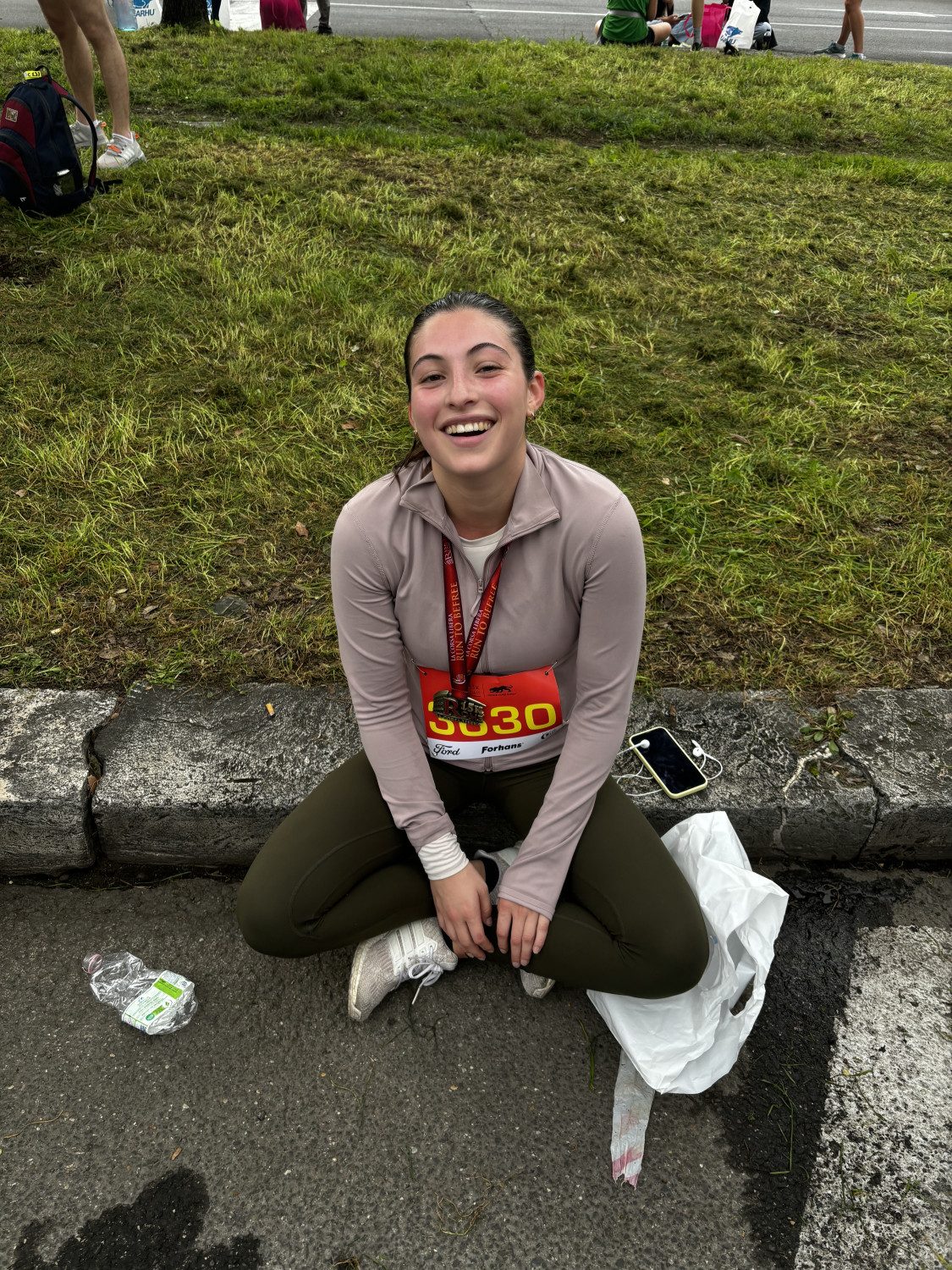
Ser un corredor requiere destreza mental. Los profesionales no me dejarán mentir: es un ejercicio que demanda rigor físico, disciplina y un enorme control sobre la cabeza. Al correr, la capacidad de mantener la concentración y gestionar el dolor es lo que marca la diferencia entre el éxito y el fracaso. Es cierto que para todos los deportes de alto rendimiento es importante entender el poder que tiene la mente sobre el cuerpo, pero, ¿qué es lo que tiene este de particular? Debo decir que no soy experta en el tema: Roma fue el primer acercamiento al mundo de las carreras.
Running requires mental skill. The pros won’t let me lie; it’s an exercise that demands physical toughness, discipline, and a ton of mental control. When you run, the ability to stay focused and manage the pain is what really separates success from failure. It’s true that in any high-performance sport, understanding the power of the mind over the body is crucial, but what makes running stand out? I’ll be honest—I’m no expert on this: Rome was my first real introduction to the world of running.
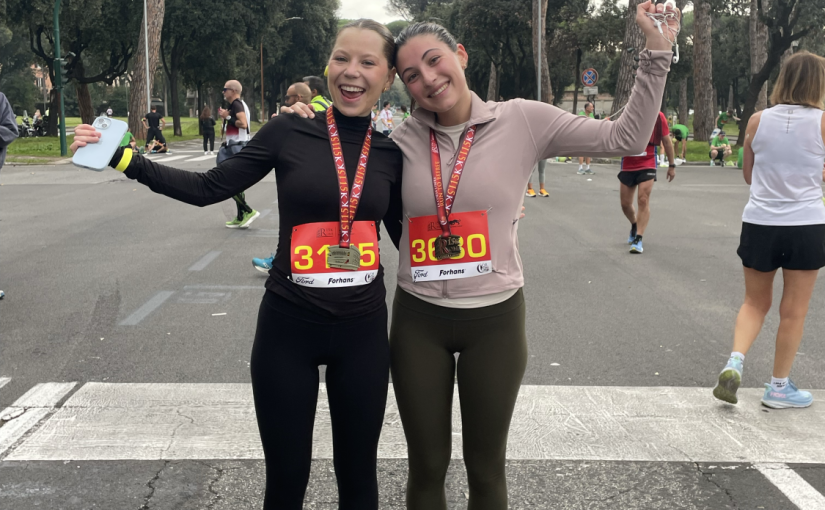
En agosto conocí a una mexicana en el centro de Florencia. Durante la conversación me platicó que recién había empezado a correr y que había iniciado un club para todos los interesados en el deporte. Dos días más tarde pagué la carrera de 15 kilómetros en Roma que se llevaría a cabo el domingo 10 de noviembre, lo cual me dejaba con menos de tres meses para entrenar. Septiembre fue de viajes y fiestas, y luego llegó octubre con algo peor: la postergación. Me amarraba a la cama en las mañanas, y en las noches cualquier excusa era lo suficientemente buena. Al parecer, correr era algo fuera de mi liga aún siendo una persona inclinada al deporte. Que curioso, ¿no? Parecería que podríamos colocar “correr” en una categoría separada de las demás, como si las demandas fueran sólo para unos cuantos valientes.
In August, I met a Mexican woman in downtown Florence. During our conversation, she told me she had just started running and had even started a running club for anyone interested in the sport. Two days later, I signed up for a 15-kilometer race in Rome that was set for Sunday, November 10, leaving me with less than three months to train. September was all about travel and partying, and then came October, bringing something worse: procrastination. I’d get stuck in bed in the mornings, and at night, any excuse seemed good enough. It felt like running was just out of my league, even though I’m someone who usually loves sports. Funny, right? It’s like we could put “running” in a category of its own, as if the demands were only for a select few brave souls.
Algunos dirán que lo más difícil son los entrenamientos, y no se equivocan. Cada kilómetro es una experiencia nueva: los primeros tres son fáciles, engaña la falsa sensación de que la energía durará para siempre; poco a poco las piernas se debilitan, el cuerpo se vuelve más pesado. Llegar al kilómetro cinco es un reto y después al seis, al siete, ocho… y así sucesivamente. Aunque es cierto que el cuerpo se acostumbra, la cabeza nunca para de gritar. El secreto es tener a alguien cerca, un compañero a quien seguir, alguien que empuje y motive, el vivo recordatorio de la importancia de seguir adelante cuando el cuerpo comienza a ceder a la presión de la cabeza. Establecer los días y el horario de entrenamiento ayudará con esa tan necesitada preparación mental. También el desayuno, por ejemplo, puede marcar la diferencia: uno lleno de azúcar y carbohidratos será el combustible perfecto.
Some people will say that the hardest part is the training, and they’re not wrong. Every mile is a whole new experience: the first three are easy, tricking you into thinking the energy will last forever. But little by little, your legs start to weaken, your body gets heavier. Reaching mile four is a challenge, and then comes six, eight, ten… and it just keeps going. While it’s true that the body adapts, the mind never stops screaming. The trick is having someone by your side, a buddy to follow, someone who pushes and motivates you—living proof of how important it is to keep going when your body starts to give in to the pressure from your head. Setting specific training days and times helps with the mental preparation you’ll need. Even breakfast, for example, can make a huge difference: one packed with sugar and carbs will give you the perfect fuel.
Cuando entrenas es imposible no conocer la marca por kilómetro, mucho menos si el camino es uno conocido, pero en un escenario nuevo las cosas son distintas: te abres a la posibilidad de ignorar la distancia. Aquí entra en juego el tiempo. Aquel que pasa siempre a la misma velocidad, ya sea que permitamos hundirnos en las afectaciones que provoca o no. Para un corredor, el tiempo es imposible de ignorar: conoce perfectamente cuántos minutos le toma recorrer cierta distancia. La marca del kilómetro ya no será medida por el recurrente camino sino por lo que tarda usualmente en completarlo. Dependerá de la particularidad dentro de cada corredor tomar esto como un regalo o como una tortura. Para mí, fue un regalo inesperado. La novedad de los paisajes me forzó a contar con el tiempo para medir la distancia, y cuando uno piensa en una hora y media la vida pasa más rápido que cuando piensa en 15 kilómetros.
When you train, it’s impossible not to keep track of your pace per mile, especially if the route is familiar. But in a new setting, things change: you open yourself up to the possibility of ignoring the distance. That’s where time comes into play. Time always moves at the same pace, whether we let ourselves get lost in the impact it has on us or not. For a runner, time is impossible to ignore: you know exactly how many minutes it takes to cover a certain distance. The mile marker is no longer measured by the same old route, but by how long it usually takes you to complete it. Whether you see this as a gift or a torture depends on the runner’s mindset. For me, it was an unexpected gift. The novelty of the scenery forced me to rely on time to measure the distance, and when you focus on an hour and a half, life passes by faster than when you’re thinking about 10 miles.
Nunca corras la misma cantidad de kilómetros que los que te tocarán en la carrera. Otra conocidísima instrucción de los profesionales. Yo la seguí a ciegas. No por ser fiel a las creencias restrictivas del deporte o por ser una persona compulsiva al seguir las reglas, sino porque el cuerpo lo pedía a gritos. La cabeza también, y con un poco más de intensidad. En una gran cantidad de entrenamientos me pidió parar y yo cedí sin cuestionarlo, como si de no hacerlo estuviera engañándome a mí misma. Como si una parte de mí se separará en dos, desatando una gran pelea entre el cuerpo y la mente, y que horrible traición darle la espalda a tu fiel compañera. Tu cabeza se deslinda de las acciones del cuerpo, hasta que en algún punto se convierten en algo tan ajeno que roza lo involuntario, lo automático. Si logras pasar el umbral de los gritos, las acciones involuntarias del cuerpo son otro gran regalo.
Never run the same number of miles in training as you’ll do in the race. Another piece of advice from the pros. I followed it blindly. Not because I was strictly adhering to the sport’s rules or because I’m compulsive about following instructions, but because my body was screaming for it. So was my mind, and with even more intensity. During many of my training sessions, my mind begged me to stop, and I gave in without questioning it—like I’d be fooling myself if I didn’t. It felt like a part of me was splitting in two, unleashing a huge battle between body and mind. And what a horrible betrayal it is to turn your back on your loyal companion. Your mind detaches from your body’s actions, until at some point, they become so foreign that it feels almost involuntary, automatic. If you manage to push past the threshold of the screaming, the body’s involuntary actions become another great gift.
La semana antes de la carrera es la más importante. Aquí deberás cuidar con más atención las comidas, las horas de sueño y el rigor de los entrenamientos: ¿cómo se siente el estómago por la mañana después de comer ciertos alimentos? ¿Ese gel energético es el correcto, lo necesito realmente? ¿Cuáles son los calentamientos que a mí me funcionan? ¿Cómo me siento corriendo junto a una compañera? ¿La música es lo suficientemente motivante o podré soportar el unísono de la respiración? Tomaré este momento para dar un consejo de principiante: la música es el mejor amigo de un corredor. La razón, supongo, recae en lo tedioso y repetitivo que son los movimientos. Correr es un deporte, me atreveré a decir, monótono. La música, con su ritmo y energía, no solo distrae, sino que también puede ayudar a mantener un paso constante y a darle a cada zancada un propósito, transformando el esfuerzo en algo más llevadero y, a veces, si realmente te lo propones, disfrutable.
The week before the race is the most important. This is when you need to pay extra attention to your meals, sleep schedule, and the intensity of your training: How does your stomach feel in the morning after eating certain foods? Is that energy gel the right one, and do I really need it? What warm-ups work best for me? How do I feel running alongside a training partner? Is the music motivating enough, or will I be able to handle the sound of my own breathing? Here’s a piece of advice from a beginner: music is a runner’s best friend. The reason, I suppose, lies in how tedious and repetitive the movements can be. Running, I dare say, is a monotonous sport. Music, with its rhythm and energy, doesn’t just distract you; it can also help you maintain a steady pace and give each stride a sense of purpose, making the effort more bearable and, sometimes, if you really commit to it, even enjoyable.
Llega el día y los nervios son incontrolables, o quizás, para algunos suertudos, ese sentimiento predominante es la emoción. De cualquier manera, será un impulso que deberás usar a tu favor. Llega prevenido ante cualquier circunstancia: la ropa cómoda y un clima favorable son algunos de los pequeños placeres que la vida te regala y uno solo aprecia cuando faltan. La repetitiva pero contundente recomendación es una buena lista de canciones. Aquellas te llevarán por el camino, pues tienen la capacidad de hacerte sentir invencible. En mi caso, cada canción fue meticulosamente seleccionada y acomodada en un orden que reconoceré como obsesivo: ¿cómo quiero empezar? ¿Qué emoción será la predominante en el minuto 30 y cuál será la canción correcta para representarla? ¿Cuál es la indicada para cerrar y cuál es la parte específica que deberá estar sonando mientras cruzo la meta?
The day arrives, and the nerves are out of control, or maybe, for some lucky ones, that dominant feeling is excitement. Either way, it’s an energy you’ll need to channel to your advantage. Be prepared for any circumstance: comfortable clothing and favorable weather are some of life’s small pleasures that you only truly appreciate when they’re missing. One piece of advice you’ll hear over and over is to have a solid playlist. Those songs will carry you through, because they have the power to make you feel invincible. For me, each song was carefully selected and arranged in an order I’ll admit was a bit obsessive: How do I want to start? What emotion will dominate at the 30-minute mark, and what’s the right song to match it? Which track should close out the race, and what specific part of the song should be playing when I cross the finish line?
No importa cuanto intentes controlar el momento, las cosas saldrán diferentes a lo que imaginas. La mente tiene el poder inmensurable de dar lugar, sobre cualquier otra cosa, a emociones completamente abrumadoras. En mi caso, los sentimientos no esperan a nadie y no frenan por nada. Sale una canción que recuerda a una persona o a un momento en específico, y la mente se inunda de memorias incómodas, alegres, dolorosas, o incluso de una tremenda nostalgia, entonces pega el momento incontrolablemente correcto y se clava un nudo en la garganta, el dolor de las piernas es diminuto junto a la nube de emociones que se acomodan en el pecho, todo se siente infinito y el lugar te recuerda al enorme privilegio de estar, de vivir, de escuchar y de sentir, de la incomparable capacidad del cuerpo para mantener un movimiento demandante por tanto tiempo y lo amable que es la cabeza cuando uno más la necesita. Llegar a la meta te recubre en un sentimiento de satisfacción que hace que todo el recorrido haya valido la pena. Prometo que lo volverás a hacer. Volverás a sufrir, pero también volverás a sentir.
No matter how much you try to control the moment, things will always turn out differently than you imagine. The mind has this immeasurable power to give way, above all else, to emotions that can completely overwhelm you. In my case, feelings don’t wait for anyone and they don’t hold back for anything. A song comes on that reminds you of a person or a specific moment, and your mind floods with memories—awkward, joyful, painful, or even filled with a deep sense of nostalgia. Then, the perfect, uncontrollable moment hits, and a lump forms in your throat. The pain in your legs feels insignificant next to the storm of emotions settling in your chest. Everything feels infinite, and your surroundings remind you of the immense privilege of being alive, of living, of hearing, of feeling, and of the body’s incomparable ability to keep moving for so long. The mind, in those moments, is gentle with you when you need it most. Crossing the finish line wraps you in a feeling of satisfaction that makes the entire journey worth it. I promise, you’ll do it again. You’ll suffer again, but you’ll also feel it all again.
written by Gia Woodfolk for SPEL: Public Relations
My time in Florence has been full of newness: new people, new streets, new food, and everything in between. However, the element I have most enjoyed is the new smiles. Throughout my time living in the heart of the city center, and taking the daily walks to coffee shops, classes, and my internships, I have realized what I most look forward to is not the incredible grandeur of the city, but rather, a simple interaction.
Living in a smaller town in Virginia, I have to drive everywhere. I do not have the opportunity to build relationships with shopkeepers and restaurant owners through the act of walking by them as I begin or end my day. However, Florence has provided me with the natural occurrence of relationships fostered through the mere existence of a small, walkable city.
One of these relationships happens to be with a local leather shopkeeper whose store stands next door to my apartment. Every time I leave my apartment, exiting the sprawling wooden doors, I greet my neighbor.
Since the first “ciao!” was exchanged, there have seldom been days without this meaningful interaction. It became a part of my day I looked forward to. And, eventually, the “ciao!” turned into a “how are you?” As time has passed, on good days and bad days, a consistency I can count on is this exchange of words. I soon began stopping by for conversation for a few moments to learn a bit more about the man downstairs.
I eventually learned he hails from Bangladesh, and, through each interaction, he has told me bits and pieces of his life story. Although I may have expected us to be very different individuals, I came to learn we are more similar than I originally thought.
Each moment I strolled by his shop, the conversations brightened my day. I cherished each hello and goodbye and felt more integrated with the community through getting to know such a unique Florentine individual. And, most importantly, these interactions helped me understand that what matters is not what is on my phone or computer screen. Rather, it is the people in front of me in this present moment.
The lack of presence is something that transcends global populations; with the rise of technology and the capitalist drive that permeates our world, billions of humans are preoccupied with the future or materialistic aspirations.
Living in Florence, however, has made me realize that taking a moment to put down your phone, look around you, and say hello to a stranger is incredibly important. Because of a singular moment I was present, a stranger became a friend. And now, every small interaction provides more internal happiness than anything a screen could provide.
Ultimately, Florence is known for its large attractions, from the Duomo to the Uffizi and Piazzale Michelangelo. But, it is the little moments that make the city so special. Florence is filled with people from diverse places who have many stories to tell; I am eternally grateful to have been able to meet and get to know one of these individuals.
written by Lily Carroll for Special Project: Experiential Learning in Journalism
Through experiential learning at FUA-AUF, I’ve gotten the opportunity to interact with Bio Fashion Lab, an independent boutique dedicated to responsible, ethical shopping. The store’s owner, Debora Florio, has spent over nine years in the fashion industry, seven of which were in fast fashion, an industry worth approximately 103 billion U.S. dollars in 2022, projected to reach 291 billion U.S. dollars in 2032, according to PR Newswire. This experience has driven Florio to conduct extensive research, educating herself about consumer behavior, the fashion industry as a whole, and ethical solutions to the extensive problems it creates. With her findings, Florio started Bio Fashion Lab, a space designed to invite others to join in this mission for change.
Upon receiving a degree in Economics, Florio realized that she wasn’t dissatisfied in this line of work. She says that at the time, unfortunately, shopping for clothes was what brought her the most joy, so she decided to find a job in the fashion industry. Unaware of the many unethical practices implemented in the industry, Florio slowly uncovered the ways we harm people around the world and the environment when we support fast fashion. She learned that these stores use minimal human resources, producing thousands of the same products at low prices, 30% of which wind up in landfills. Just one of the many ways this industry is creating crises everywhere.
“I realized what was behind the scenes of production in terms of social injustice, and the negative impact that this industry has on the planet, I decided to take action,” Florio said. “I started studying consumer behavior, marketing and whatever lies behind the mechanism that triggers our mind to go and shop for ourselves.”
Florio continued to work in the fashion industry, this time with a seemingly ethical brand. It was there that she met a woman with a crippling shopping addiction, spending thousands of euros a week with no satisfaction, and an insatiable desire that could not be fulfilled. This woman inspired her to create a solution for people to shop responsibly.
So, Bio Fashion Lab was born, to promote emerging, ethical designers using natural materials and equitable production. Offering a healthy way for customers to shop in a manner that does not promote overconsumption, and respects the environment and all who inhabit it.
“Whenever you start to go really deep in the research, you see the truth with your eyes. I’ve never been to Pakistan, Bangladesh, places where these issues are most prevalent, so we do a lot of calls with different unions and government workers on the other side of the world,” Florio proudly states. “We can hear their testimonies and see that it’s quite real. It’s there. When you really understand what’s going on, you can never go back.”
Florio says that the clothes are just a small part of the ways she educates others on the fashion industry, and how we can improve it. Through documentary screenings, workshops, and panels. Bio Fashion Lab strives to educate this generation of consumers to make the right choices. An environment that encourages shoppers to ask themselves, “Do I really need this?” especially when faced with a cheap, overproduced option. Bio Fashion Lab teaches us how to say no, and explore another option.
To learn more about Bio Fashion Lab, visit https://biofashionlab.com/, where you can read about the movement and upcoming events. On Thursday, 13 June, Bio Fashion Lab will host its first fashion show entitled, “Fashion Under Construction,” making light of the construction that currently surrounds the store, highlighting the store’s call for unconventional ways to shop.