Il Palio: More than a Horse Race

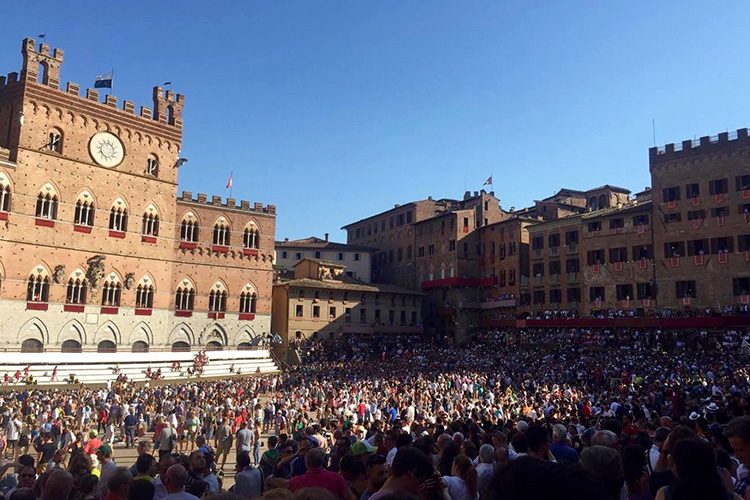
Photo by the author
Photo by the author

By Monica Humphries

For us, it was a fun race, but for others, it was an event they had waited for all year. From the moment we stepped off the bus in Siena, we learned what the Il Palio means to the city.

Il Palio is horse race held twice a year in the heart of Siena. Piazza del Campo, the city’s main piazza, transforms into a race track. Dirt is packed down on the cobblestone, and fences are built to create the course. The city is divided into 17 districts (contrade) but only ten districts will compete in the race. The jockeys ride bareback and wear their district’s colors. Throughout the day parades and celebrations take place to prepare for the race. The horses are blessed, the bets are made and everyone gathers to the center for the race to start.

The race isn’t about coming in first but about beating your rival. Everywhere you look you see people with colorful flags tied around their necks, cheering for their district. To truly embrace the race, I picked the Tartuca district to cheer for and wore a yellow and blue flag embellished with a turtle, the district’s symbol.

As thousands trickled into the city center, anticipation slowly built up. The race was three simple laps around the track. Months have gone by in anticipation for those three laps.

Above the crowd I could see the brightly colored jockeys ready to race. Decked in black and white, yellow and red, or blue and white with distinguishing patterns, they all sat on their horses pacing for the start. The rules of the Il Palio involve a complicated tradition for starting the race, so it could start at any moment.

Twenty minutes passed, a shotgun was fire and the race had begun. We could feel a gust of air as the horses passed us. We felt the dirt kicked up from the horses’ hooves. We watched as the horses circled the track and competed to finish first.

When the first horse from the Lupa contrada crossed the finish line, the entire town erupted into emotion. The district hadn’t won a Palio since 1989 so emotions ran high. Immediately people were jumping over fences to congratulate the winning jockey and hug their friends and families. Tears of joy ran down some faces, while others cried with disappointment. Tensions broke out, people hugged and the race was over. People paraded down streets in celebration, while our group stood in amazement. The race itself was incredible, but the aftermath left us in shock. This wasn’t a silly race, but a long-lasting tradition built up over centuries. People took pride in their district and celebrated their culture.

The race itself was short but the day was long. Seeing firsthand a tradition that dates back to the 14th century isn’t an opportunity I come across often. On one hand, it was amazing getting to be a part of the tradition. But on the other, I still felt like an outsider. I had no investments in the race, but felt the heart rise as the horses cross the finish line. At the start of the day, the Il Palio felt so foreign to me, but by the end, I had grasped a better understanding of a city and its culture.

See more of Florence and Italy at FUA’s FBInstagram, and Twitter.

How to Combat FOMO

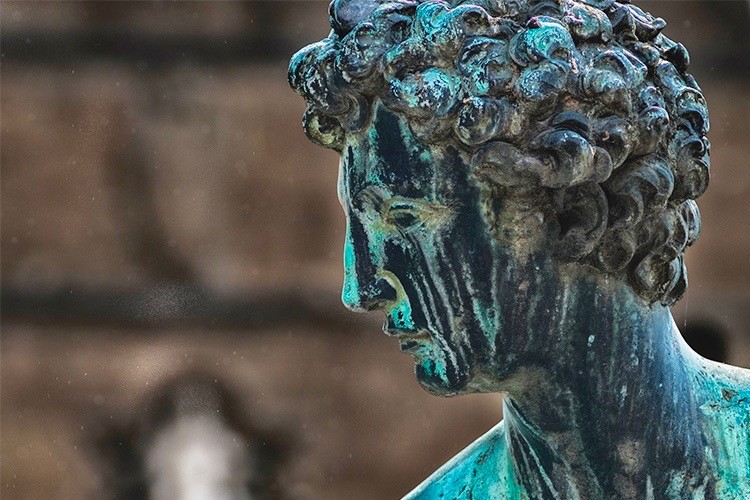
Florentine statue
Photo by David Weiss

By Leanora Karnath

When I made the choice to study abroad, the idea of FOMO or the “fear of missing out” never came close to crossing my mind. Why would I think about my small town college in Geneseo, New York when I’d be living in Florence? As someone who chose to spend the last semester of my undergraduate degree studying abroad, FOMO has happened suddenly and unexpectedly like when my friends tell me about how much fun they had on a snowday or when I hear about the upcoming spring concert I won’t be seeing.

Even if you’re not a senior, you’ve probably experienced FOMO when you think about home life. Here are a few tips to better deal with it:

  • Find a balance between spending time with friends abroad and talking to loved ones at home. It might be tempting to schedule times to talk multiple days a week, but too much can be harmful. You run the risk of missing out on all of your surroundings in Florence when you’re too busy thinking about all you’re missing out on back at home. Don’t change your plans because you want to stay in your apartment and talk to those back home. Get out and explore! Afterwards, e-mail some photos and tell your family and friends the best part of your day in Florence. It’ll help make the city feel more like home.
  • Go on the lookout for your favorite spots in Florence. How can you possibly think about what’s happening in your hometown when you’re experiencing something new and exciting? It may be an amazing view, colorful market, frothy cappuccino, flavorful dishes, or simply an eye-catching piece of street art. Strive to go out of your way and see the streets and places that rarely pop up with a Google search of Florence. You have adequate time to familiarize yourself with the culture and the areas most tourists never get to see.
  • When you have a free day, take advantage of it. Don’t just sit around and aimlessly scroll on social media sites. Seeing posts and pictures makes FOMO even worse. Instead, write a list of places you want to see, things you want to eat, and museums to visit. After you’ve written the list, go out and cross some things off! The academic session will fly by, so don’t waste time. Been to all of the big museums? Check out this group of “small but big” Florentine museums.
  • Be grateful for your opportunity to study abroad. Living in Florence is a once in a lifetime opportunity as I’m sure you already know. Don’t take it for granted by staying in when you don’t have class or clouding your mind with thoughts about what’s going on back home. Each day remind yourself that you’re living in a beautiful Italian city, one that should be appreciated and experienced to the fullest. You have the chance to go beyond the surface level of Florence during your time here. Take advantage of it!

See more of Florence and Italy at FUA’s FB, Instagram, and Twitter.
Florence Through the Eyes of a Local

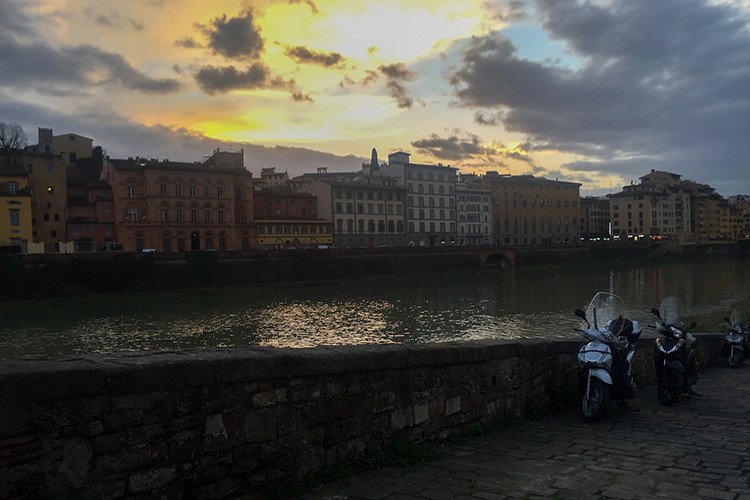
The Arno River, photo by the author

By Morgan O’Reilly

When first arriving in Florence, it’s normal to feel like a tourist. Here are some tips on how to live like a local. 

Florence, upon  first glance, can overwhelm its visitors as they crane their anxious heads above the sea of selfie sticks and open maps, search for a restaurant sans menu photos, and  squeeze through the awing crowds in the main squares of the city. Among the excited tourists, it’s important to keep in mind that a majority of people you pass by call this city home.

Firenze has so much more to offer than temporary housing for weekdays. Culture and favorite cafes and park benches with carvings live here. Children and dogs play in the streets as their parents chat with the friendly market booth owners. Familiar calls of “Buongiorno” ring through the narrow alleyways, artisans flaunt their daily food creations, and 20somethings socialize on the steps of Santo Spirito.

Learning to see Florence through the eyes of a local

Appreciating Firenze as a home can help create an authentic study abroad experience. Finding the best panini places and venturing past the piazzas will come with time, but there are some things you can do to help feel like a local in the city.

Talk to your professors

Even if not all of your instructors were born in the city, chances are they have lived here long enough to be considered a local in terms of their favorite activities. A short conversation about their ideal day will provide great insider tips while getting to know your instructors on a more personal basis.

Strike up conversations with small business owners and workers

On your next pit stop for lunch, whether in Italian or English, introduce yourself to the people behind the counter. Step out of your comfort zone and ask them how they are doing, if they have any recommendations, and what their ideal day in Florence would be. Forming relationships with local italians can immensely help authenticate your Florentine experience.

Search online for local advice

Although forming relationships with locals will prove incredibly helpful, the internet is also full of blog posts, reviews, and ‘top 10’s’ for the exact purpose to share local knowledge. Some great places to start are The Girl in Florence blog, filled with restaurant reviews and things to do off the beaten path, this Unusual Florence guide, and even Tripadvisor (Making sure to measure opinions carefully. Try the place. Do you agree with other clients’ opinions?).

Tips from a Florentine local:

Native Florentine and Marketing professor Paolo Fiorini kindly gave some insight in creating an authentic experience.

What would be your ideal day in the city?

Go out in the morning with my family to the Central market and buy typical food products. Stop at a restaurant/panino place and eat then walk in the center of the city looking at exhibition or other events

What eateries and activities would you recommend for someone visiting the city?

Well, this is a complex question. It depends on what you want to eat. If you search traditional food like lampredotto or trippa for me the best place is Il Magazzino, pasta at La casalinga, bistecca at Pandemonio, wine and cheese at Le Volpi e l’uva, and then other hundreds of eateries. Place to visit: Galleria dell’Accademia, Galleria Palatina at Palazzo Pitti, Palazzo Davanzati, exhibitions at Palazzo Strozzi, and all major churches

In closing, he shares that the best way to make your experience unforgettable is try to live as a Florentine. Buy traditional food and cook it with local people, learn basic Italian and try to speak it, relax and understand our “lifestyle.”

From personal exploring, I have stumbled across a couple great places, including  Sandwichic on Via San Gallo, which provides delicious and different sandwiches and a bottle of water for 2,50 with your FUA ID, and Da’Vinattieri, with a fennel spread that will change your life. Other recommended places I have yet to venture to include Amble, an eclectic lunch spot where you can buy the vintage furniture at the cafe and Ino, another seemingly awesome spot that uses top-notch ingredients.

Although you may only inhabit Florence for a few short weeks or months, putting in the effort and opening yourself up to new, authentic experiences can turn your perspective of this city from the eyes of a tourist to the eyes of a local.  

See more of Florence and Italy at FUA’s FB, Instagram, and Twitter.