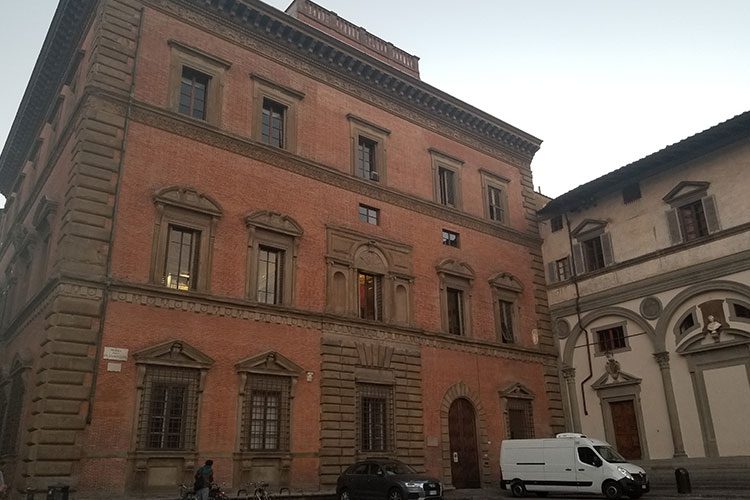
 Palazzo Budini-Gattai and the open window
Photo by author
By Barbara Carranza
SPEL Journalism student Barbara Carranza gives us paranormal suggestions for an alternative tour of Florence.
I’ve had a life-long fascination with the paranormal; just ask my family members or friends. When I arrived in Florence, one of the first things I searched up was if the city had any reported haunted sites that I could visit. With Florence being ancient and enriched with history, of course I wasn’t let down.
The fall season has descended upon us, and with the temperatures dropping, what better way to spend your nights than reading scary stories and strolling through the streets to check out some of Florence’s darkest legends and mysteries?
If you’ve been to the Piazza Santissima Annunziata, you’ve seen the Palazzo Budini-Gattai. A red brick building with three floors, it was constructed in the 16th century by the Grifoni family and eventually came under the ownership of the Budini-Gattai family. The legend attached to this place is in the far right window on the top floor. It is always open, even when it rains. The reason for this is because the ghost of a noblewoman is still waiting for her husband to return from war. They had just married when he was called for battle, and the young lady waited by the window so she could see him return, but he never did. Heartbroken, the woman became attached to the room and the window until she died. When the shutters were finally closed, an unnatural force moved the furniture and threw books off the shelves. The chaos didn’t stop until relatives reopened the window – and so it has stayed open, never to close lest someone wants to risk angering the ghost.
Located in Piazza Santissima Annunziata, on Via dei Servi, 51.
Located less than a 10-minute walk from the Duomo, the Santa Maria Novella train station and the basilica it is named after, Pensione Burchianti is a 3-star hotel that is situated perfectly for tourists. Open since 1919, the hotel has garnered a quality reputation for housing celebrities, politicians, and poets over the years, including an alleged visit by Fascist dictator Benito Mussolini. However, guests might find themselves not the only ones residing in their suites. Among the reports of unexplained events, paranormal stories in the hotel includes hearing children skip down the hallways, the feeling of being watched, the sensation of icy cold breath being blown on people’s faces, and sensing the mattress dip as if someone was sitting on it. If that doesn’t scare you, there is also the Fresco Room where people have seen a pink, translucent figure. The owner of the hotel refuses to stay overnight, so if you’re brave enough to do it, make sure to record your stay because you might capture something!
Located on Via del Giglio, 8.
Find yourself wandering by one of the Florence’s most recognisable landmarks at night? Here are a couple words of advice: don’t yell out Baldaccio d’Anghiari’s name. Palazzo Vecchio, and the Piazza della Signoria in general, have witnessed so much blood spilled on its pavement over the last 600 years. For example, the hanging and burning of Friar Girolamo Savonarola in 1498, an event that is commemorated in a plaque positioned on the exact place where he was executed. But did you know of the mercenary Baldaccio d’Anghiari? In 1441, he was wrongly accused of treason and killed in the Palazzo Vecchio. His body was thrown out of a window and dragged across the Piazza where his severed head was put on display. It’s now said that his ghost roams the premises of the Palazzo; sounds of footsteps can be heard when it closes for the day and all the tourists have left. Do not yet his name and avoid saying it out loud for no reason. If you decide to address him, you must speak respectfully in a low voice.
Located in Piazza della Signoria,
Opening hours 9am-7pm Monday-Sunday, 9am-2 pm on Thursdays.
See more of Florence and Italy at FUA’s FB, Instagram, and Twitter.
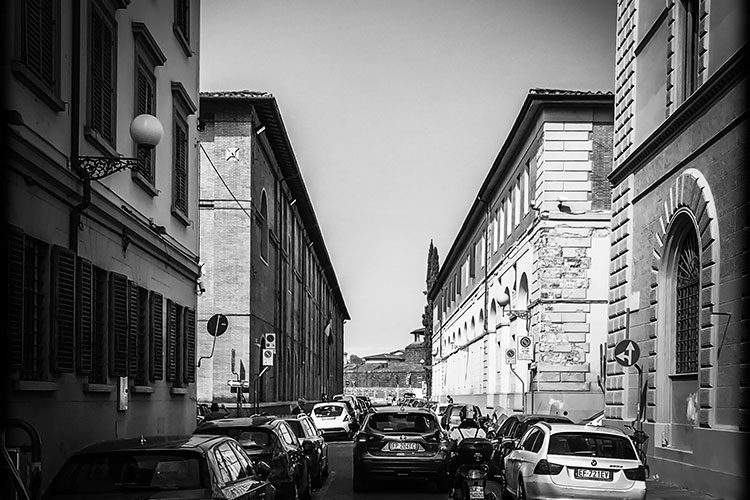 Getting your permesso di soggiorno in Italy means waking up early!
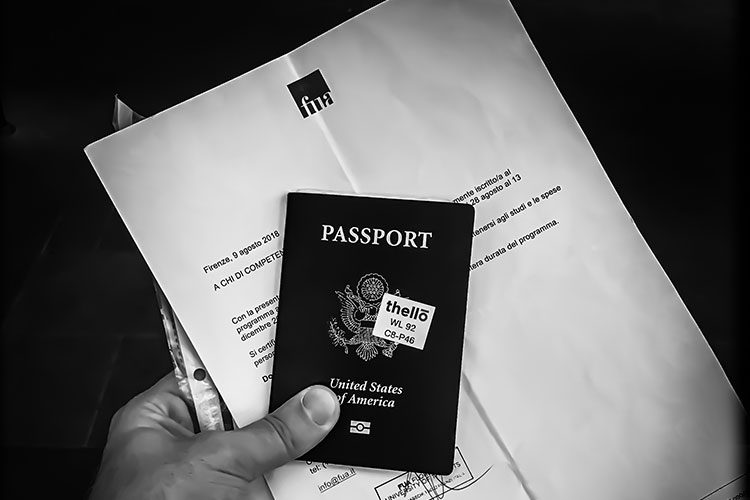 Don’t forget your passport.
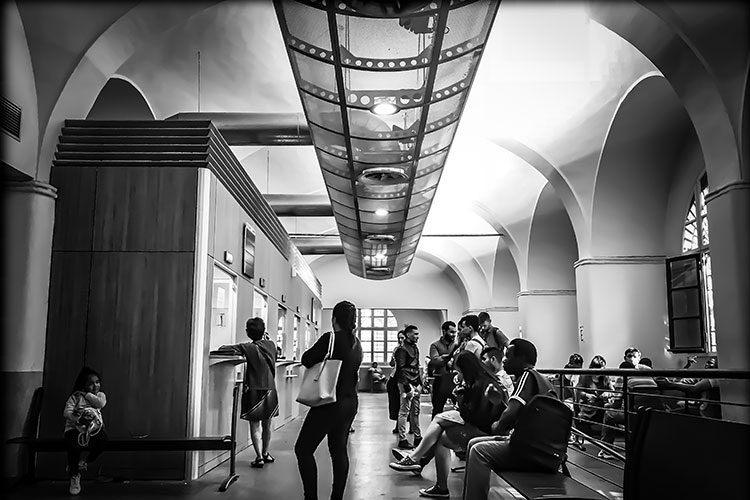 Have a seat, bring a good book, and don’t forget snacks!
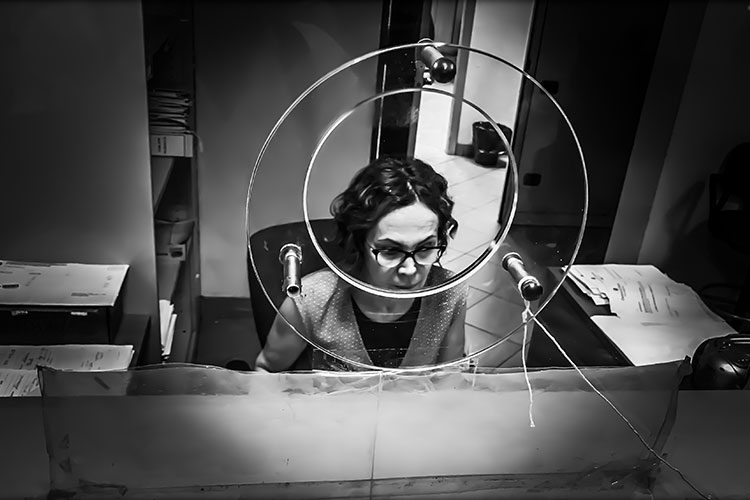 Wait your turn, and be kind.
 Once your fingerprints have been taken, you’re all set.
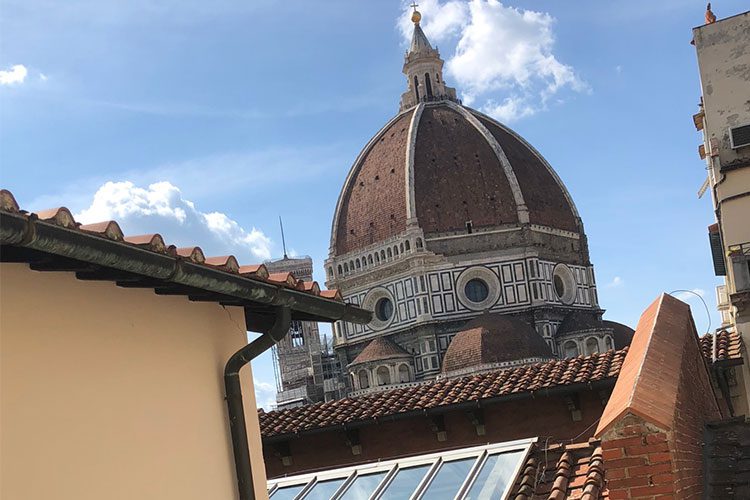 View from the terrace of Biblioteca delle Oblate
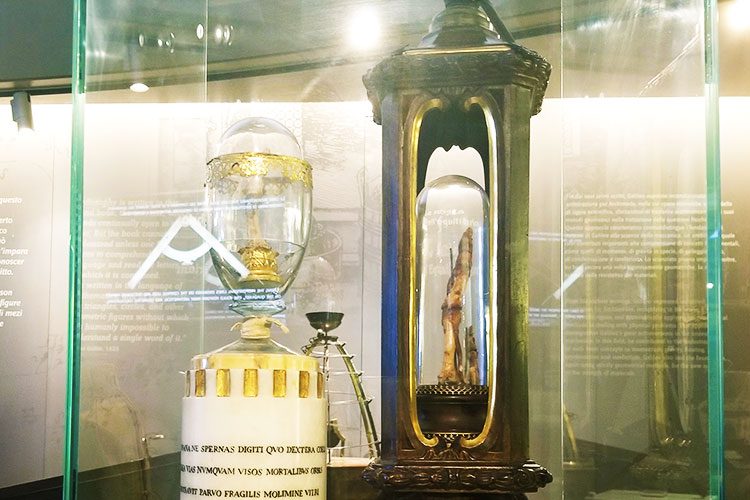 Galileo’s middle finger
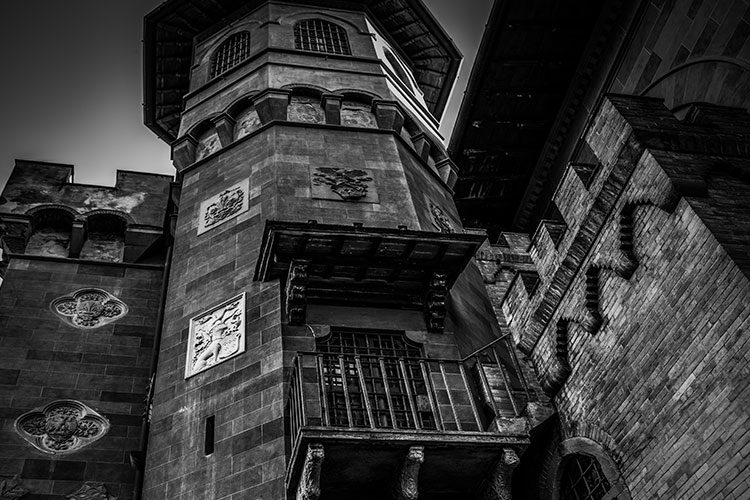
 Photo by author
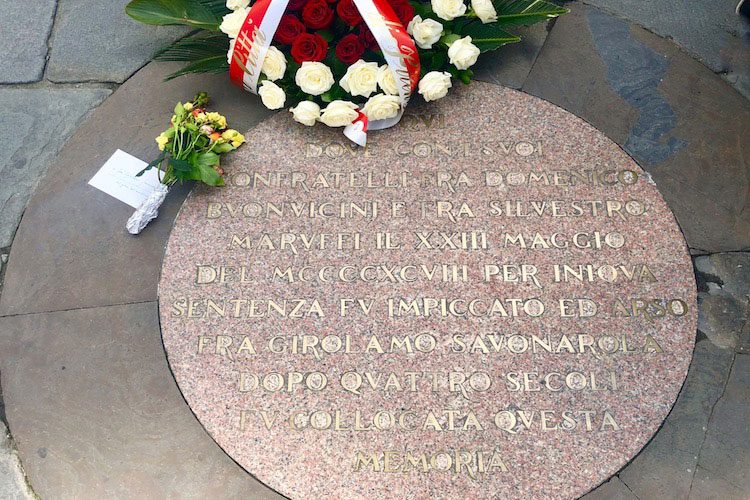 Photo by author
 Photo by author