Your Fall Guide to Fruits and Vegetables in Florence

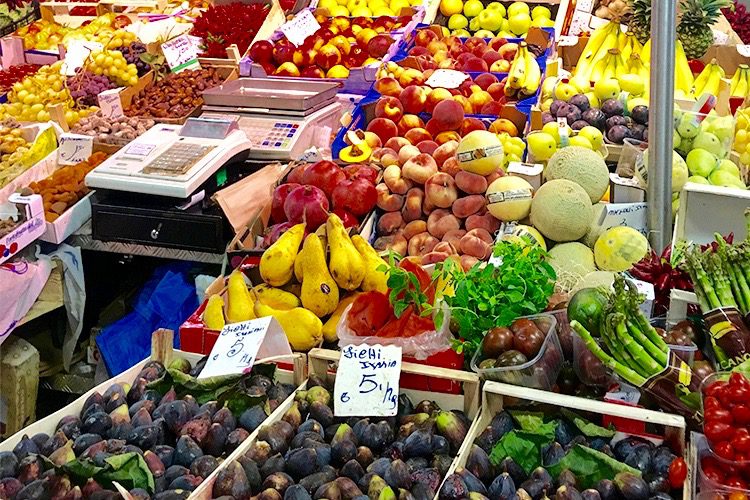
Central Market
The Central Market, photographed by the author.

By Jess Pitocco

Italy isn’t all about the carbs; fruits and vegetables play a huge role in Italian cuisine. Here’s everything you need to know this fall about the best fruits and veggies in Florence. Check out the best markets, what produce is in-season, and vegetarian-friendly restaurants and recipes!

The high-carbohydrate diet many associate with Italian cuisine is a falsehood: Italians may eat carbs, but their lifestyle, portions, and eating habits are much healthier. That’s why when the New York Times reports on Italian eating habits, the focus is not on how to eat a low-carb diet while traveling, but rather why Italians are some of the healthiest people in the world. Fruits and vegetables, though filled with those ‘nasty’ carbs, are absolutely essential not only to a healthy diet, but also to Italian cuisine. That’s why including some apples, asparagus or zucchini in your basket while on your daily market trip is important to the Italian experience.

If you haven’t been to an Italian local market yet, give yourself an afternoon to go and explore one of the best parts of living in Florence. There are more than four big Florentine markets, not including the San Lorenzo Market, that you should visit to get the best, and freshest, produce (and even some clothing, music, plants and pastry too!)

However, before going to the market, know what fruits and vegetables are in season. Check out this chart to see that apples, blueberries, grapes, tomatoes, green beans, and cucumbers are just some of the fruits and vegetables that are at their best in September.

Want to visit some renowned vegetarian restaurants in Florence? Try Le Fate on Via S. Zanobi, for it’s fully vegan and vegetarian menu inspired by the signs of the zodiac and recommended by Travel + Leisure Magazine. Dolce Vegan and Il Vegetariano both have extensive vegetarian and vegan options as well, both a less than 10 minute walk from one another in the center of Florence. Still want more options? Silvana Vegan is an additional option, on Via dei Neri near the Galileo Museum.

If you don’t want to eat out, FUA Professor Cecilia Ricci, who often teaches food and culture courses, swears by this traditional Italian recipe for fruits and vegetables:

Cold Barley Salad, with Shrimp, Anchovy Fillets, and Cherry Tomatoes

Ingredients:

  • 300 g Pearl barley
  • 200 g Shelled shrimp
  • 15 g Extra-Virgin olive oil
  • 150 g Cherry tomatoes
  • 3-4 leaves of basil, cut in julienne
  • Black pepper
  • Salt
  • 8 Anchovies fillets, preserved under oil

Directions:

Boil the barley in a pot with 1.5lt of water with salt. Once the barley is cooked, strain it and place it to cool down in a bowl. In the meantime, wash and dice the cherry tomatoes. In a casserole pan add the extra-virgin olive oil, heat it at medium temperature, and let the anchovies fillet to melt. Once the anchovies are ready add the shrimp and sauté them in the oil for 2-3 minutes. Add the barley in the casserole, stir and mix all the ingredients together for 5 more minutes. Then, remove all the ingredients from the pan and place them in a bowl, add the diced cherry tomatoes, basil, pepper, salt, and mix. Refrigerate for at least 30-45 minutes before to serve. And enjoy!

After buying your fruits and vegetables, make sure you pay attention to how long they keep. Basically, how long the fruits veggies last is based on where they are from. If they are fresh from the market, your fruits and vegetables can last 3-4 days without rotting or refrigeration. If they are from the supermarket, the produce can go bad within a day or two because it has been refrigerated and prevented from becoming ripe. That way, as soon as they leave the supermarket your fruits and veggies can become ripe faster and ultimately rot faster. Buying fresh produce from the local market is a better way to ensure it will last (and it will taste better too!)

Click here for a guide to eating out in Florence, provided by FUA’s hospitality department.

See more of Florence and Italy at FUA’s FB, Instagram, and Twitter.
Venice in a Day?

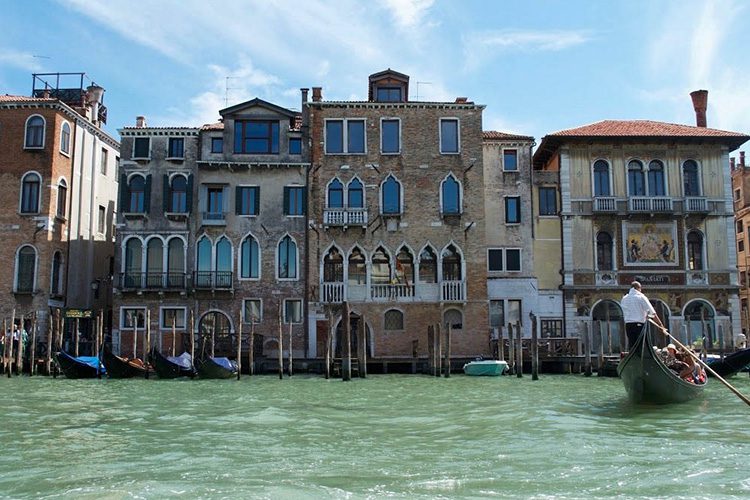
Photo by the author
Photo by the author

By Monica Humphries

Venice is full of little nooks and crannies but often the beautiful, wider bodies of water are overlooked. This shot was taken from a gondola. The contrasting blues from the water and sky along with the architecture of the buildings and windows captured my vision of Venice. To fully understand Venice you have to be on the water, which is why it was important for me to have a photo from a lower perspective and angled up towards the sky and windows.

Travel Tips:

Known for its gondolas and seafood, Venice feels like a must-do if you’re spending your summer in Florence. But when I opened my map and my budget, I had to ask: one day or two?

Venice is a small city made up of over 100 islands, and although it may seem small from the scope of a map, there’s a lot to do in Venice. Highlights of Venice include watching glass blowing in Murano Island, taking a gondola ride, viewing the contemporary art museums and sipping a Bellini next to the water.

With Venice being so small, one of its challenges is finding a place to stay. If you’re on a student budget there aren’t a lot of options within the city. However, just outside the city there a quite a few places with differing budgets. You can find everything from a typical hostel to a campsite. So pick a place and factor the added time a train ride to the city will take.

Also consider price. Venice is known for luxury. Being a college student, it might be a little more difficult to spend €80 on a boat ride or €30 on dinner.  It’s important to consider food and activities when making a decision on how long to stay.

Finally, know what you want to do. Are you planning on getting there at the crack of dawn and staying to see the sunset? Will you venture to any of the farther islands? Are touring the churches important to you? In order to know what you want to do, you have to know a little about the city. Venice is known Biennale, a six-month art festival. Each year it switches between art and architecture (this year is architecture), and it’s held from May to November. But even if you don’t go during festival months, there’s always an open contemporary museum to discover. Another favorite form of art for Venetians is food. Being on the water, indulging in seafood is a must. Outside of seafood, Venice has wonderful Tiramisu, pasta and drinks to enjoy. Finally, Venice is home to Saint Mark’s Basilica. This and a huge piazza are in the heart of the city. You could spend weeks in Venice and still have a full list to do, so if you’re planning on going just for a day, do your research and make a list of the key things you want to get done.

In a city so beautiful you can spend as much or as little time there. I spent only the afternoon, but I felt rushed. I wish my trip could’ve been more relaxed and the commute not as long, however I was satisfied. Just know that you might not accomplish everything in a single day, but you’ll get a wonderful taste of the city.

See more of Florence and Italy at FUA’s FBInstagram, and Twitter.

My Transition Place: Arno River & Carraia Bridge

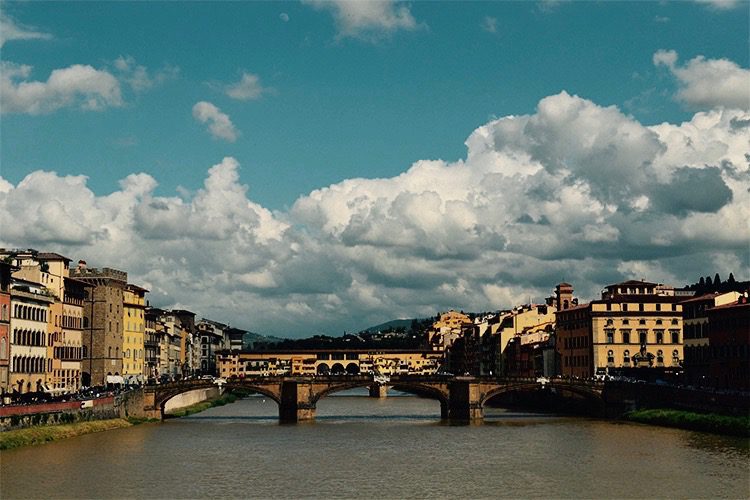
Photo of Ponte alla Carraia by the author

By Monica Humphries

When you step out of your apartment for the very first time, it’s a whirlwind of emotions. You feel enthralled to be in a new place. You feel excited for what the semester has to offer. You feel anxious, confused and eager.

I felt nervous.

Yes there were positive emotions, but buried not-so-deep were my nerves. I was in a foreign country, and the car ride to my apartment left me feeling like I was on the other side of the world.

I can vividly remember our driver taking all 7 students to their apartments. The first one was dropped off right past the Duomo, the second two near the San Lorenzo, a few more in the city center. Then there was me. I could remember crossing a river, going up and down the one-way streets, and finally pulling into a narrow, bike-filled lane right up to apartment number nine. After what must have been a half hour, I was home, but I wasn’t happy.

Although I was just on the other side of the river, I felt like there was a wall dividing me from all of my classmates. I stepped out onto the cobblestone street and immediately was lost. I stumbled my way through the streets until I found the Arno.

Since that first afternoon, the Arno, more specifically the Ponte alla Carraia, which is the bridge that leads to my street, has become my favorite place in Florence.

No matter where I was coming from – class, dinner or a cappuccino, all I had to do was find the river, and I knew exactly where I was. Since moving to Florence, the river is not only beautiful, but it has also become my safety net. A safety net that encourages me to explore and challenge my surroundings.

Curious about the Arno’s history and bridges, I talked to Giulio Vinci, a professor at FUA.

Vinci started at the very beginning. Florence was founded and controlled by the Romans. Romans generally build their cities in the valleys, so Florence followed this tradition and was built in a valley close to the river.

The city was structured in a rectangular shape with two central roads crossing through the city. The city was close to the water, but Florence wasn’t directly on the water, so there wasn’t travel between the sides of the river. Florence began expanding, and the Ponte Vecchio was the first bridge across the Arno. The first occurrence of the bridge was in a painting in 996.

The Ponte alla Carraia bridge is the second oldest bridge in Florence and known for its history of collapsing. Built in 1218 by architect Lapo, it collapsed for the first time in 1274 because of a flood. The bridge was originally built in wood, but it was rebuilt in stone. However, the stone was strong enough to support a crowd and collapsed again. In 1333 another flood struck Florence, and the bridge was once again destroyed. The most recent collapse was during WWII when it was bombed to prevent passage of allied troops from the Nazis in retreat.

Vinci said that tourism has exponentially grown in the past 20 years, and now Florence is a key location for visitors. He made a point to express that the river and its bridges always attract tourists.  Florence is known for its concentration of art, and the bridges are a part of that art. But not everyone, unfortunately, is interested in the art and history behind the bridges, and many prefer to simply use the bridges are picture spots. We’ve lost the meaning of tourism, and traveling today is vastly different from the young aristocrats of the 18th century who often went on year-long Grand Tour to discover the culture of European cities.

Thinking about what Vinci shared helped me appreciate my time here. Sometimes three months seems like forever, but with a city that has enough history for a lifetime, I’m thankful that I will have a chance to immerse myself and retain the details I learn about this city.

Walking home from the interview gave me a chance to reflect on my time here. Although it’s only been a month, I can now continue to expand my safety net to the entire city of Florence.

The bridge is a place of comfort but it’s now a place of curiosity. Each time I walk across the bridge I notice a new detail. I question the statue at the entrance, the crack along the pavement and the windows in the Ponte Vecchio. The comfort I have now encourages me to explore. It’s important that every student finds their Ponte alla Carraia. Whether it’s the San Lorenzo church or carousel in Piazza della Repubblica, we need a monument or location where we feel at home. But part of home is knowing its history and why it’s there. Yes, the pictures we take are important, but the history behind those photographs enrich our experience so much more. Take a second, learn about the area you call home, because you might end up loving the city just a little bit more.

I find comfort in the bridge because that’s where I find confidence. Confidence with directions, confidence in knowing there’s the best gelato place right around the corner, confidence that there will be a beautiful sunrise in the morning and an even prettier sunset at night. Learn about the landmark you call home, and you might end up finding a little confidence in a city full of new experiences.

See more of Florence and Italy at FUA’s FB, Instagram, and Twitter.
Exploring Culture Through Italian Cuisine

Photo by the author
Photo by the author

By Morgan O’Reilly

With clamped eyelids and the flicker of a burning candle, I contemplated my wish. As my life’s dream reemerged back into my conscious thought, my eyes flicked open, I peeked at the wax “10” in front of me, and I blew. Underneath, in place of a conventional birthday cake, lay a cannoli; I looked up from the red checkerboard table and saw my cheering family under the light of the Macaroni Grill sign. My wish was to travel;  little did I know that I would be enjoying an authentic Italian meal in Florence only 10 years later.

Growing up, I had always loved food. I sat at dinner tables scooping mussels from shells and openly trying international cuisine. To this day, I actively search for new flavor combinations and cooking techniques. Despite my culinary openness,  my perception of Italian cooking has changed dramatically since my arrival in Florence. I grew up with the mac and cheese, breadsticks, and spaghetti of Italian restaurant chains back home; and despite trying my hand in Italian home cooking, I really didn’t know what the “real thing” entailed. For me, I was coming to the land of bread, cheese, and pasta; and I was 100% fine with that.

Upon arrival, I aimlessly wandered Florence’s winding streets as I gripped my list of recommended panino and aperitivo places. After tasting some of Italy’s fresh pasta and coming to the harsh realization that meatballs are not an actual thing here, I realized how skewed my perception on this lifestyle was. My day to day life in town surprisingly never included the bread or pasta-induced food comas of the “Italian” food that I was accustomed to, and instead, I felt physically and mentally satisfied with what I was putting into my body. In fact, although the study abroad 15 has proved an irritating reality, I have never felt as good about the food I was consuming.  

After a few weeks, once the initial excitement died down, I started to eat in more. Whether at the farmer’s market or grocery store, I slowly began appreciating the seasonality and freshness of what I was consuming. Although eating in does not seem like the optimal way to seize the day while abroad, learning to utilize fresh, regional ingredients in simple recipes gave me a deeper appreciation for the food I was eating and for Italian culture. My roommates and I have made everything from roasted vegetables to pork chops to shrimp with lemon asparagus; and the simple act of learning to work with seasonal, simple ingredients has shown me more about Italian culture than I would have ever expected.

Looking back, my experience with food while abroad and my deeper appreciation for what I eat has mirrored my sense of appreciation for all aspects of culture. Like expanding my knowledge on the slow food movement, biodynamic farming, and the third wave coffee movement through conversations with locals, I have learned to step out of my comfort zone and challenge my perception of Italy, travelling, and on life in general. This experience has opened my eyes to finding value and culture in the tiniest of details; whether it be a tablespoon of olive oil, my daily walk past the Santa Croce, or a genuine conversation with friends from around the world. Above all else, studying abroad has taught me to openly seek out culture in every aspect of living, and it is something I cannot wait to apply beyond the walls of the city I now call my home.

See more of Florence and Italy at FUA’s FB, Instagram, and Twitter.
The Intricacies of Life in a Renaissance City

duomo-finding-florence-blog-fua

By Leanora Karnath

White marble, red and green lines of color, ornate details covering every inch of its facade, copper ball protruding into the sky. Before arriving for the semester, I knew of Santa Maria del Fiore Cathedral, better known as the Duomo of Florence, but little about its historical or cultural significance within Italy as a European country. My feelings towards one of Florence’s most popular landmarks have evolved throughout my time abroad.

When I first saw the church, I was astounded by its massive size. I strained my neck, scanning the entire length of the front side with hungry eyes. I saw the Duomo in its entirety– the lines of color, the white marble, and the large wooden doors.

After the thrill of the first sighting, I learned that people use the church as a meeting point which frustrated me. Whenever someone said to meet by the Duomo, my body grew tense. Where? I thought. This thing is too big.

I soon became accustomed to walking past the Duomo each day. I hadn’t thought much about the church after my first month abroad other than wishing it wasn’t my usual route to class when flocks of tourists visited, making my route longer than usual.

As I stepped away from the Duomo, I realized its functional purpose. When I would become lost around Florence, I simply walked down a few streets and waited to see the Duomo’s copper ball and spherical top. Though I was aware of the Duomo’s presence, I solely viewed it for its practical use.

My indifference began to shift right before my parents’ visit halfway through the semester. Because of my dad’s interest in architecture and history, he read a book about the Duomo before his arrival entitled Brunelleschi’s Dome: How a Renaissance Genius Reinvented Architecture. He asked me, “Did you know they didn’t even use buttresses to support the weight of the Duomo? And that the copper ball fell off in the 1500’s?” I didn’t. I felt ashamed that I had failed to learn much about a monument that stands only five minutes away from my apartment.

As the lines became longer for everything in April, I knew it was time I climbed the Duomo. I purchased my ticket, woke up early on a Wednesday morning, and waited in line. As I began walking up the steep steps, a rush of energy overwhelmed my body. I thought of all the people who did the same hundreds of years ago, the ones who dedicated their lives to create such a beautiful combination of art and architecture to create a place for worship. And, now I was climbing to the top.

Later that same day, I entered the Museo dell’Opera del Duomo and marveled at the displays and the information that accompanied them. It was fascinating to learn about the comprehensive history behind such an influential monument that I was lucky to see on a daily basis. I stepped out of the museum and the Duomo greeted me; my mouth immediately curled into a smile. Wow, I thought.

As I reflect on the semester, I have realized that the Duomo isn’t simply one singular piece of architecture that can be absorbed and processed from one sighting. It’s comprised of many pieces and the tiniest of details: the distinct expressions on the face of numerous statues, the marbled spirals in the windows, the gold streaks of the paintings. I neglected to see all of these intricacies when I first arrived.

These intricacies have not only been present in the Duomo’s structure but also my daily life in Florence: the scent of finocchiona floating in the air as I pass a panino shop, the familiar faces of street musicians, a small piece of colorful street art poking out from the ground.

The church that was once a nuisance to walk around has become a reassuring point of reference, a sign that I had returned home after a long day or weekend of traveling, and a sense of stability in a semester that presented new experiences and challenges each week. During my last few weeks in Florence, I take a little extra time to find a small detail that had previously gone unnoticed. It never fails.

See more of Florence and Italy at FUA’s FB, Instagram, and Twitter.
A Day at FUA (Semester)

Photo by the
Photo by the authors

By Leanora Karnath and Morgan O’Reilly

Sometimes, envisioning your life in a new country can be a bit difficult to imagine until after you’ve arrived. Whether you are getting ready to come abroad or already in Florence and in need of inspiration, below are some itineraries of a typical day of FUA semester students.  Semester classes are usually held once a week and students typically take anywhere from 4-6 courses. If you’ve signed up for any 3-week short session courses within the 15-week semester, remember that classes will be held daily from Monday to Friday.

Day 1
Leanora shares an example of her typical day that coincides with when she has one class and has some extra time to explore locally while balancing coursework.

9:30am – Wake up.

10am – Grab a cappuccino and chocolate croissant at Fedora, the pastry shop operated by FUA hospitality students and faculty.

10:30am-12:30pm – Check out a new museum. Already seen the major ones? Then try these smaller gems.

1-2pm – Browse through the Sant’Ambrogio fresh food market and purchase some groceries for the week.

2:30pm – Grab lunch from my favorite panino place. Grabbing a panino is something quick and easy to eat before class. There are many options in the area, so try a few before deciding which one you like best.

3-5:30pm – Travel Writing class at the FUA journalism building near the Duomo.

6-8pm – Cross the street from the J School towards the Oblate Library to do homework. Pack up my backpack. Enjoy the great view of the Duomo with a pastry from the cafe.

8:30 – Dinner out with friends. Meet by the Duomo and head over to the Santo Spirito area. Walk by the Arno River along the way.

Day 2
Morgan shares her typical day when she has two classes scheduled.

9am – Wake up.

10am – Grab a cappuccino and a pastry at specialized coffee bar such as Ditta Artigianale. There are many spots around Florence for a coffee and a quick bite to eat, both traditional and from newer generations. Being a barista myself, love checking out new coffee places on my way to class  and discovering different coffee drinks.

10:30am – Read a book or paint in the Rose Garden.

12pm-2:30pm – Intermediate Drawing class at the FUA main building near Piazza Santa Croce. If you want to take an art class at FUA, this class focuses on human anatomy through Florentine sculpture. You learn how to improve your technical drawing skills while applying them to your own drawing style.

3pm – Grab a fennel salami panino with pecorino and pear jam at Sandwichic and sit on the steps of the San Lorenzo church.

3:30pm-5:30pm – Do some homework in the top floor, open-air courtyard of the Oblate Library.

6pm-8:30pm – International Marketing class at the main building. Learn marketing techniques on a global scale through lecture and real world application to a multinational company.

9pm – Grab dinner with friends at Osteria Santo Spirito.

Other Activities?
FUA offers a series of extracurricular activities so students can become more involved in the community and fellow peers. Here’s a selection of some of our favorites.

Taste Italy Culinary Workshops – The classes are fun and interactive, held at FUA’s hospitality school, Apicius, and you can meet FUA students over some delectable food.

FUA’s Gym Classes These are a fun and social way to stay motivated and healthy as you explore your way through Italian/Tuscan food culture:). The gym also has regular hours for workouts. 

Ganzo Themed Dinner These are delicious and so much fun. They also happened to be prepared by FUA culinary classes so you can check out what your hospitality peers are up to. Check out the calendar for upcoming Thursday themes, put your reservation in early, and enjoy interesting, delicious courses with wonderful wine pairings.

Visit the Student Life department’s website to learn other ways to become involved in your new home. Curious about what fellow students suggest? This blog regularly offers ideas, suggestions, and explorations so keep checking back for updates!

See more of Florence and Italy at FUA’s FB, Instagram, and Twitter.
 

Showing Visitors Around: A Mini-Guide

finding-florence-blog-for-guests
Photo by the author

By Leanora Karnath

Looking for ideas to entertain visitors in town while keeping up with your studies? Seize the opportunity to be their own personal tour guide and show them how you’ve been spending your stay abroad. With limited time, you’ll want to make sure they have the best experience possible. The following tips offer advice on what to do before and during their visit taken from personal experience when my parents came to Florence.

Before the arrival:

  • Figure out what’s at the top of your visitor’s to-do list. Before my parents arrived, I asked them for a list of activities they were hoping to do because it’s impossible to see everything the city has to offer within a week. You might have visitors who are most interested in trying new food, seeing amazing art, engaging with the locals, or a mix of all three. It’s important to understand their top choices to ensure they have a fulfilling and personalized experience.
  • Create a flexible schedule based on what your guests would like to do. Group certain destinations for one day based on proximity. Keep in mind that your visitors may be tired from traveling, so use the first day in Florence as one to familiarize themselves with the area where they’ll spend the most time. With a tentative schedule, you can accommodate the times you’ll be in class and need to complete assignments. Planning is key to prevent stress and maximize time, so reach for a calendar and find your free time before your guests step off the plane.   
  • Plan travel outside of Florence. If possible, take a day trip or two around Italy to give your guests a better feel for Italian regional diversity. Purchase train tickets ahead of time to avoid higher costs. Keep in mind that it may be difficult to find accommodation during high tourist season, so plan accordingly. You can also sign up for free tours with licensed guides in many other Italian destinations.

While in Italy:

  • Think about what you wish you knew as a newbie to the city. Did you wish you knew some greetings? Or, how to order at a cafe or restaurant? Give them the tips that would’ve made the adjustment easier for you after your arrival! Teach them some phrases to increase their comfort level. Now that you’ve lived in Florence for some time, you’ll have the insider’s scoop on the best eats and how to blend in better with the locals. Share this knowledge with your guests.
  • Give them a map. Although this tip may seem obvious, it’s easy to slip your mind if you no longer rely on directions to find your point of interest. Remember that your visitors are seeing the city for the first time and may become lost without a map. While walking around after they arrive, point to the locations on the map to ensure your guests will be able to walk around when you’re not there to point them in the right direction. Circle and label their hotel along with other locations to provide a point of reference.
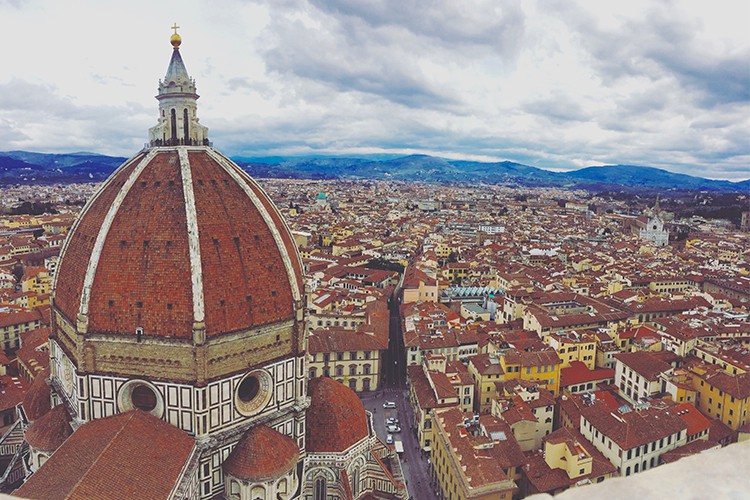
  • More than just a tourist hot spot. It might sound tortuous to venture to the top of the Duomo while maneuvering your way around a crowd of people. However, experiencing all of Florence’s beauty with visitors will give you a greater appreciation of the city you now call home. Remember, certain locations may be flooded with tourists for a good reason; they hold cultural and historical significance in Italy. Chances are you might be visiting the hotspot for a second time, so research prior those insider tidbits that you missed the first time around to create an extra-special experience for your guests as they connect to the city.

If you only had one week in Florence, what would you do? Think about this question when showing your visitors around the city to create a quality experience with a lifetime of memories.

See more of Florence and Italy at FUA’s FB, Instagram, and Twitter.
How to Combat FOMO

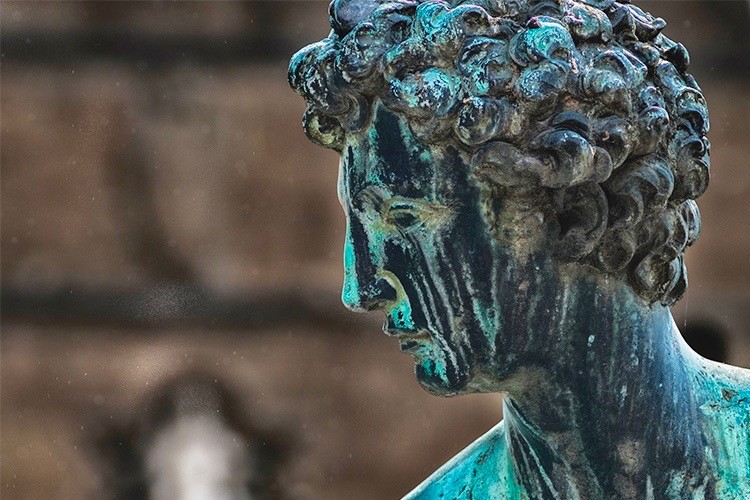
Florentine statue
Photo by David Weiss

By Leanora Karnath

When I made the choice to study abroad, the idea of FOMO or the “fear of missing out” never came close to crossing my mind. Why would I think about my small town college in Geneseo, New York when I’d be living in Florence? As someone who chose to spend the last semester of my undergraduate degree studying abroad, FOMO has happened suddenly and unexpectedly like when my friends tell me about how much fun they had on a snowday or when I hear about the upcoming spring concert I won’t be seeing.

Even if you’re not a senior, you’ve probably experienced FOMO when you think about home life. Here are a few tips to better deal with it:

  • Find a balance between spending time with friends abroad and talking to loved ones at home. It might be tempting to schedule times to talk multiple days a week, but too much can be harmful. You run the risk of missing out on all of your surroundings in Florence when you’re too busy thinking about all you’re missing out on back at home. Don’t change your plans because you want to stay in your apartment and talk to those back home. Get out and explore! Afterwards, e-mail some photos and tell your family and friends the best part of your day in Florence. It’ll help make the city feel more like home.
  • Go on the lookout for your favorite spots in Florence. How can you possibly think about what’s happening in your hometown when you’re experiencing something new and exciting? It may be an amazing view, colorful market, frothy cappuccino, flavorful dishes, or simply an eye-catching piece of street art. Strive to go out of your way and see the streets and places that rarely pop up with a Google search of Florence. You have adequate time to familiarize yourself with the culture and the areas most tourists never get to see.
  • When you have a free day, take advantage of it. Don’t just sit around and aimlessly scroll on social media sites. Seeing posts and pictures makes FOMO even worse. Instead, write a list of places you want to see, things you want to eat, and museums to visit. After you’ve written the list, go out and cross some things off! The academic session will fly by, so don’t waste time. Been to all of the big museums? Check out this group of “small but big” Florentine museums.
  • Be grateful for your opportunity to study abroad. Living in Florence is a once in a lifetime opportunity as I’m sure you already know. Don’t take it for granted by staying in when you don’t have class or clouding your mind with thoughts about what’s going on back home. Each day remind yourself that you’re living in a beautiful Italian city, one that should be appreciated and experienced to the fullest. You have the chance to go beyond the surface level of Florence during your time here. Take advantage of it!

See more of Florence and Italy at FUA’s FB, Instagram, and Twitter.
Returning Students: Firenze with Fresh Eyes

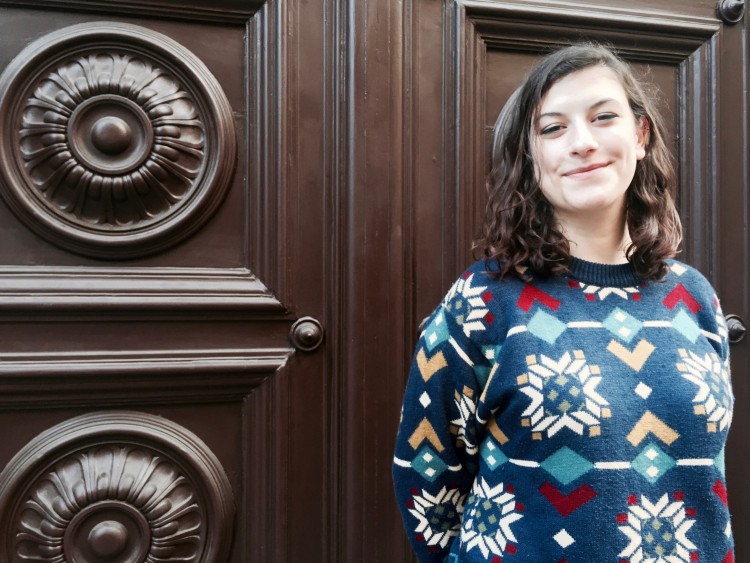
FUA student Erica Kavanagh
Blogpost author E. Kavanagh photographed by M. O’Reilly and L. Karnath

By Erica Kavanagh

After your first session in Florence, as a returning student you probably have seen all the monuments, museums, and historical sights. Those rose-colored glasses begin to fade, and you begin to experience Florence in a new light, as a local resident. Now upon your arrival back to Florence, you could face a few new issues.

For most returning students, one of the hardest adjustment can be the language especially after a holiday away in between academic seasons. Brushing up on your Italian can help for a much smoother transition back to Florence. Without practice, your language skills can and will become rusty. Seek out some fun and unconventional studying tips.

Tips to practice your language skills:

  • Talk to an Italian – For pronunciation sign up for Chat Pal through Student Life
  • Watch a T.V. show – L’italiano in Famiglia helps recap grammar
  • Download a language app – Use Duolingo for vocab exercises
  • Read a children’s book – C’era una Volta un Gatto to improve reading skills
  • Listen to a podcast – For everyday phrases use free Italian Podcasts

With a new perspective, returning students may shed a romanticized image of Florence and experience some not so beautiful aspects. It’s bound to happen, every city and country has its cultural issues that usually differ from a student’s own home country. Experiencing cultural issues can bring back the homesickness that you thought you’d gotten rid of for good, for example.

Think globally, act locally:

  • Live by being an example – Treat others how you would like to be treated
  • Keep an open mind – Have the willingness to learn, be aware of, and talk about issues that you encounter
  • Build relationships – Make a friend from a different cultural background breaks stereotypes
  • Do not let the differences of others affect daily life – Understand that some people cannot be changed, that cultural issues are deep rooted

Florence is a home away from home. For your long-term stay, it is important to have a financial plan. Running out of money can be one of the worst things that can happen while abroad. Little investments can help you save money in the end.

Budget wisely:

  • Stick to local markets – Stay away from expensive imported goods
  • Buy a stove top espresso maker (moka/caffettiera) – Avoid spending money every morning at the bar
  • Cook at home – Save money with home-cooked meals, rather than eating out

After a long holiday at home, students typically revert to their vacation mode/ lifestyle – odd sleeping/waking up habits, eating at anytime of the day, etc. It’s important to get your body and mind on a new academic schedule.

Time management:

  • Readjust your sleep schedule – You’ll get the most out of your morning classes
  • Planning enough time for proper meals – This helps you to strong off strong and avoid getting those beginning of the semester sicknesses such as colds, the flu, etc.
  • Organize – Create a system to maintain on top of school work

Most returning students are eager to catch up with their friends from the previous session. However each new start brings new students. It is just as important to connect with new students as it is with the returning ones. Approaching these encounters aren’t always immediate but are extremely beneficial.

Networking Benefits:

  • New information – New friendships open doors to new academic knowledge
  • Different experiences – Exchanging cultural backgrounds
  • Establishing similarities – Creating study groups or planning trips
  • Revisiting sites – Challenges to enrich old context with new perspective

Everyone studying here wants to make the most of their time in Florence. Sometimes it can be hard for returning students to keep that initial curiosity alive, to continue to experience different parts of the city. However I personally can testify to the importance of further exploring this city. I learn new things everyday. My new roommates introduce me to new cafes and continually teach me how to cook new cuisines. These experiences have shaped the way I view Florence and have helped me overcome potential returning student issues. Every new discovery makes my relationship with the city even more intimate. I am very happy to be in Florence and cannot wait to see what the rest of the season has to offer.

See more of Florence and Italy at FUA’s FB, Instagram, and Twitter.
Hello From the Other Side (of the Arno)

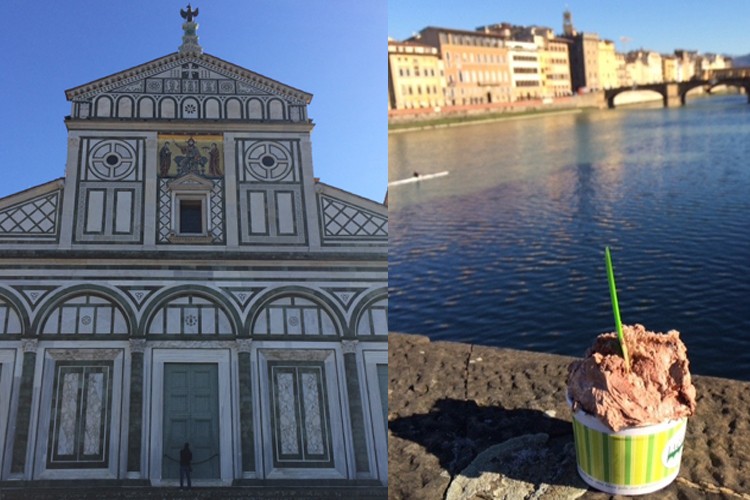
Visiting San Miniato al Monte, Enjoying gelato from Gelateria Carraia
Left, San Miniato al Monte; Right, gelato from La Carraia with a beautiful view. Photos by author.

By Emma Vogel

Contrary to popular belief, not everything worth seeing in Florence is on the north side of the Arno river. Here are some of the hidden gems I’ve discovered living beyond the river, or as the locals call it, the “Oltrarno” or in an even further colloquial way, “Diladdarno.”

I was confused the first day I arrived at my apartment in Florence. Where was the Duomo? The Ponte Vecchio? The statue of David? Okay, I wasn’t quite so naive as to expect all of those Florentine staples right outside of my apartment door, but I knew I was in a different part of Florence than I had seen when searching Google Images. It took me only a few minutes of wandering to realize that I lived on the south side of the Arno river, and it took only a few days after that to fall in love with where I live. Sure, what draws most people to Florence is the bustling Piazza della Repubblica, the magnificent Duomo, and the incredibly famous Palazzo Vecchio, but there’s much more to see than what the tourist guides suggest. There’s a whole hidden part of Florence with charming artisan shops, authentic Italian cuisine, and hip cafés filled with locals that you can find by simply crossing one of the many bridges. Here are the best parts of Oltrarno that I’ve discovered so far.

Food

Oltrarno has some of the best restaurants in all of Florence. With a multitude of choices from family-owned restaurants to trendy eateries, I find a new favorite restaurant every day. So far my top picks include: GustaPizza (not surprising as it is loved by abroad students, tourists, and locals alike), Osteria Santo Spirito (great sit-down spot), Club Paradiso (owned by an Italian couple, the wife cooks the food, the husband is the waiter, and the menu changes everyday!) As for gelato, Gelateria Carraia never disappoints and has been a local favorite for years (a wide variety of flavors and generous portions.)

Pro Tip: You can compare southern Italian pizza styles in the neighborhod. After GustaPizza, check out O’ Munaciello and Da Gherardo (don’t let the plain website fool you, the place is tiny but packs a punch!).

Santo Spirito: A Place to See

Crossing the Ponte Vecchio into Oltrarno brings you to the center of the most authentic artisan shops in Florence. Walking down Via Romana, you pass stores selling handmade leather shoes, fresh pasta and olive oil, and art galleries. Past the artisan shops you can find Santo Spirito, arguably the hippest neighborhood in Florence. Piazza Santo Spirito is filled with cute cafes and trendy restaurants known for apertivo and, of course, the famous Basilica di Santo Spirito. The square has a daily market open until 2 p.m. where you can find fresh produce sold by neighborhood locals. A short hike from there brings you to the breathtaking Piazzale Michelangelo where you have a view of the entire city. A little farther up the hill you can find San Miniato al Monte, one of the most beautiful and unique churches in Florence.

Pro Tip: Santo Spirito is the iconic square of the Oltrarno area. Also try exploring the tiny Piazza della Passera for funky restaurants and great gelato. Piazza del Carmine (also home to the Brancacci Chapel) and Piazza Tasso are also interesting squares with a great local vibe.

Although Florence’s most famous monuments are undeniably amazing, it’s more than worth it to escape the crowds of tourists to explore the hidden beauty and authenticity that is Oltrarno.

See more of Florence and Italy at FUA’s FB, Instagram, and Twitter.