The “Made in Italy” Tag: A Legacy of Quality and The Loss of its Reputation

written by Alison Abbruzzese, Tyler Kirwan, Carla Lewinsky, Kendall Kreidel, Madeline Jacaruso, Justin Turner & Sophia Fitzpatrick

This “Made in Italy” deep dive is an exclusive bonus installment in our Spring issue of Blending Magazine. After you finish reading, be sure to explore the rest of the magazine online—just follow this link to download the full Spring 2025 edition:
https://jschoolfua.com/images/BM/BM_151.pdf

The ‘Made in Italy’ label has long been synonymous with elegance, craftsmanship, and luxury. Originating in the mid-20th century, this designation became a hallmark of superior quality and refined style, positioning Italy as a global leader in fashion. However, while the label continues to hold significant prestige, it faces new challenges in an era dominated by globalization and fast fashion. Today, this well-known label can often be misleading and not representative of authentic Italian products. Misleadingly claiming ‘Made in Italy’ does not just deceive consumers but creates a false narrative of Italian culture, heritage, and values. As a country known for being a leader in fashion and skilled craftsmanship, this deceptive tactic utilized by global mass producers can be incredibly harmful to local artisans and Italian small businesses.

The Birth of ‘Made in Italy’

The ‘Made in Italy’ tag emerged in the 1950s, coinciding with several important reforms in Italian history. In the aftermath of World War II, Italy sought to reform its economy and national identity. Fashion played a crucial role in this transformation as Italian designers began showcasing their collections on international runways. These fashion shows, which gained traction in cities like Florence and Milan, introduced the world to Italian tailoring, detailed fabrics, and exceptional craftsmanship.

During this period, designers such as Emilio Pucci, Salvatore Feragamo, and Giorgio Armani began to shape Italy’s reputation as a hub for high fashion, with its strong attention to detail and innovative designs. By the late 1950s and early 1960s, ‘Made in Italy’ had become a mark of prominence, attracting consumers who sought a premium quality and exclusivity in their clothing.

The ‘Made in Italy’ Campaign of the 1980s

Building on its growing fashion reputation, Italy launched the ‘Made in Italy’ campaign in the 1980s. This initiative was designed to capitalize on the country’s flourishing luxury industry and further establish Italian products as the pinnacle of style and refinement. The campaign was highly successful, positioning Italian brands like Gucci, Prada, Versace, and Dolce & Gabbana as leaders in the global fashion scene. At the heart of the campaign was the idea of selling not just clothing but a sophisticated and exclusive lifestyle. Consumers embraced this concept, driving an increased demand for Italian-made goods and reinforcing the country’s dominance in high fashion. The ‘Made in Italy’ label became a coveted symbol.

The Modern Perception of ‘Made in Italy’

The perception of ‘Made in Italy’ remains highly esteemed, with many consumers willing to pay a premium for products bearing the label. This reputation is built on a legacy of high-quality craftsmanship, exceptional tailoring, and timeless style—qualities that continue to be powerful selling points for Italian brands. Beyond its cultural significance, the label also plays a vital role in Italy’s economy. According to the Clean Clothes Campaign, “In 2021, the textile-clothing-footwear sector contributed approximately €24 billion to Italy’s trade balance, accounting for around 11% of the country’s total export earnings.”

However, the integrity of the ‘Made in Italy’ label has come under increasing scrutiny due to shifts in the global fashion industry. One of the most pressing concerns is the rise of fast fashion, which has fundamentally altered both consumer behavior and industry dynamics. As demand for affordable, trend-driven clothing reaches new heights, many brands have been forced to adapt—sometimes at the expense of quality. In an effort to remain competitive, some companies have begun mass-producing garments with lower-quality materials while still capitalizing on the status associated with the ‘Made in Italy’ name. This growing tension raises important questions about authenticity, sustainability, and the future of Italy’s fashion identity.

Challenges Facing ‘Made in Italy’ Today

While the ‘Made in Italy’ label continues to carry weight, several factors have led to its dilution. Some brands exploit legal loopholes to use the ‘Made in Italy’ tag without following traditional standards. In some cases, only the final touches of a product are completed in Italy, allowing companies to label them as Italian-made despite most of the production occurring elsewhere. With these issues occurring, the fashion industry began a significant shift from custom tailoring to ready-to-wear clothing. While Italy once dominated the luxury tailoring market, the increasing preference for off-the-rack fashion has reduced the exclusivity of Italian craftsmanship.

Preserving the Prestige of ‘Made in Italy’

To maintain the integrity of the ‘Made in Italy’ label, industry leaders and policymakers must take steps to protect its authenticity. Stricter regulations on the use of the label could help prevent its exploitation and ensure that only genuinely Italian-made products have the mark.

Additionally, supporting traditional craftsmanship through government incentives and industry collaboration can help keep Italy’s reputation for excellence in fashion. Moreover, embracing sustainable and ethical production practices could bring back the appeal of ‘Made in Italy’ in today’s fashion landscape. As consumers become more conscious of quality and sustainability, Italian brands that emphasize authentic craftsmanship and responsible sourcing may regain their competitive edge.

The ‘Made in Italy’ tag represents a legacy of fashion excellence. While it continues to carry prominence, it faces significant challenges in a rapidly evolving fashion industry. Mass production and fast fashion may dilute its authenticity and undermine its value; however, with the right measures, Italy can safeguard and even bolster the prestige of its most celebrated label.
The Only Guide You’ll Ever Need to Study Spots in Florence

written by Charlotte Cicero for SPEL: Journalism

Whether you’re studying, reading, or grabbing a quick pick me up, this guide will cover everything from ambiance to music, to table sizes, food options, opening and closing hours, book selections, places to meet people, and of course, an honest personal opinion. 

Rivarno – Meals, bright, happy, peaceful 

If you’re looking for a spot off the river to do some homework while enjoying some delicious sandwiches and tarts, Rivarno is your spot. Get there early as this place gets crowded and bring your noise cancelling headphones. 

Fedora – Lively, indoor/outdoor, pastries and sandwiches

Of course, I’m partially biased being a student of FUA, but Fedora is one of my favorite spots on this list. Located on Via Ricasoli just 5 minutes from the Duomo, Fedora offers pastries made by students, for students. Locals will also come to dine for dinner and lunch. When the weather’s nice, you can take a seat outside on comfortable couches or desks. Coffee is delicious and pastries are consistently fresh and yummy.

Bar Grano – Indoor, bar/coffee/pastries/meals, lively 

If you’re looking for a spot to grab a glass of wine and people watch, with some great music, Bar Grano is your place. I sat by the window on a small desk and enjoyed a glass of Pinot while studying, it’s not too loud but enough ambiance to where you can focus. Would recommend to anyone looking for a place to focus while enjoying yourself. 

La Menagere – Brunch, fun, decorative 

Although expensive, Menagere has many cute spots to sit in, with every room representing different colors and flowers. Well-lit and lively with great service. I’ve heard that the dinner here is sub-par, but the pastries are lovely and the coffee is great. I recommend an early morning breakfast or mid-day aperitivo. 

Cat Cafe – Activity-based, coffee/pastries/sandwiches

As long as you’re not allergic to cats, Cat Cafe is a great option to study and read, while snuggling with some cute cats. I did get scratched within my first few moments there but had a great time. The cats are friendly and will crawl onto your laptops (or into your bag), I had a delicious Cafe Orzo and Americano.

Move On – Bar/restaurant, nighttime 

Opening later in the day, Move On is the kind of place that knows exactly what it wants to be, and clearly had a very specific vision. A record store, restaurant, and bar, Move On has a usual quiet ambiance (when there isn’t a football game on) with different rooms upstairs and downstairs. You can enjoy a glass of wine, dinner, or snacks while overlooking the Duomo and listening to some great music.

Todo Modo – Bookstore, coffee/bar/restaurant

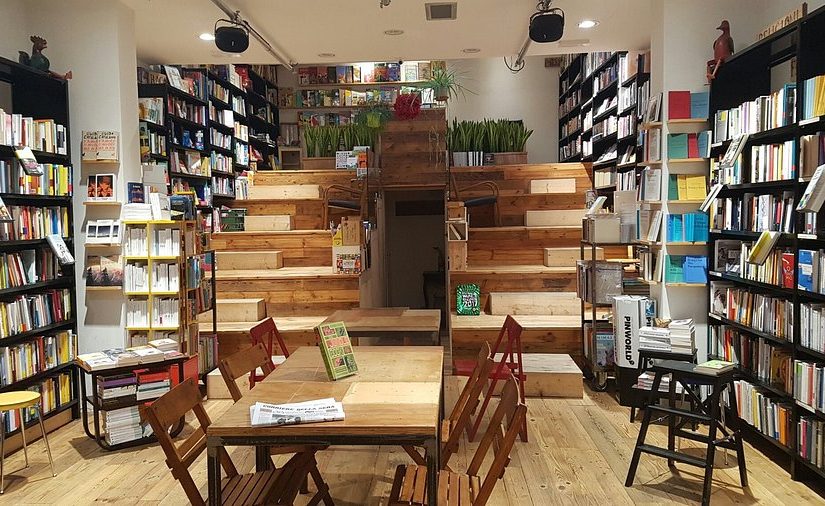
Not far off the Ponte Vecchio, this is the hidden ‘coffee shop’ gem of Florence. Todo Modo has the most interesting and cool design, with an ascending staircase full of books that harbors study seats with hanging tables amidst hundreds of books in English and Italian. When you first walk in it’ll look just like a bookstore, but the further you walk, it becomes a restaurant and study spot. If you want to stay for lunch, make a reservation. Get there earlier, preferably on weekdays, as this place is completely packed on Sunday afternoons.

La Cite – Bookstore, live music, pastries/food/coffee, indoor/outdoor

Another hidden gem across the bridge from the Duomo, my friends and I stumbled across La Cite on our way to dinner. Inside we found 3 upstairs and downstairs study areas, a group of friends playing piano, and everyone enjoying food, wine, and coffee. There are couches, desks, board games, books in Italian, and sometimes live musicians. I recommend the Cafe Orzo or any of the creative cakes they have on display.

25Hours Hotel – Restaurant/bar, coffee/pastries, bright 

Less than 10 minutes from the train station, 25Hours is an eclectically decorated hotel with a coffee shop and restaurant. The clear ceiling provides beautiful natural light to anyone trying to relax, and the decor of the hotel lobby provides a great ambiance for meetings – perfect place to meet up with a friend for aperitivo. I enjoy their selection of hot teas, Italian cookies, and of course, Cafe Orzo. 

Being a Tour Guide in a Country Unfamiliar to You

My family’s visit to me in Florence, and some differences they encountered

written by Tyler Kirwan for SPEL Journalism

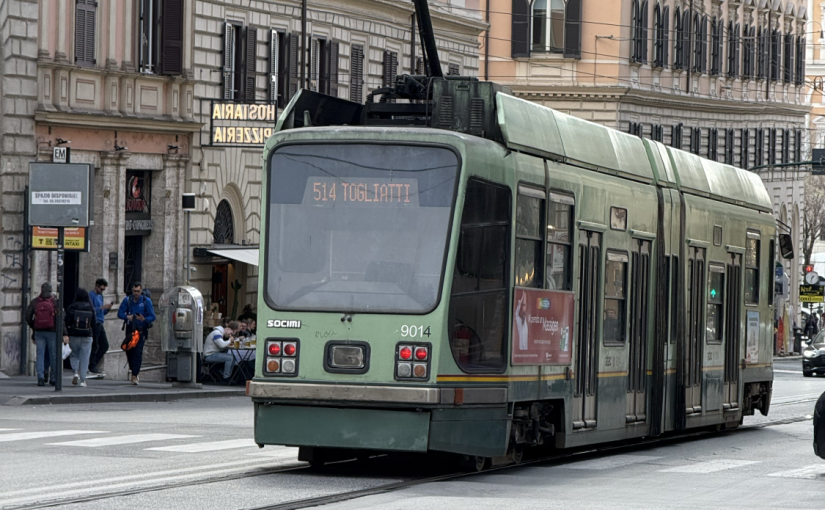
Recently, my family visited me in Florence for my sister’s spring break. My parents, aunt, and sister landed in Florence on a Thursday afternoon, so I raced to their hotel, which was near the airport. Normally, I would have used the lovely Florence tram system, but the urgency to see my family was real, so I took a taxi instead. Once they had settled into their hotel, it was up to me to make their travels worth it.

A quick Google search revealed a restaurant within walking distance that seemed adequate, and it was an amazing decision on my part. This restaurant was a traditional Italian osteria with a menu featuring appetizer, first plate, second plate, and dessert. The ordering-style was a little unfamiliar to my parents, however. As soon as the waiter approached us they were expecting to just order drinks and appetizers, and then a second round of order-placing for main courses. I am not quite sure if this style of service is an Italian thing, but they like to take the order for all your food at once. We had to ask for a second to decide on what we wanted to eat. When the server delivered a bowl of bread to the table, my dad was a little confused as to why there was no butter. Luckily for him, the staff was very accommodating to our American ways and brought out some butter, just for him. My parents were also a little apprehensive when it came to the lack of ice in our drinks. Coming from a coffee-loving family, they did enjoy the post dinner espresso, but are more used to a big American coffee, rather than a small sip. Once dinner had wrapped up, they were waiting for the bill, then I had to explain to them that Italians sit after dinner and talk for a while, and that we would probably have to get their attention if we would like to pay. 

Besides just the dinner culture being different, the mealtimes and portions themselves have dissimilarities to America. My family is used to a moderate breakfast, a moderate lunch and a large dinner. Italy does not operate in this way.

Italy is geared towards a much smaller breakfast than what we are used to. The next day, about an hour after eating their croissants and drinking their coffees, everyone was already hungry. They had a moderate lunch a little later, but by the time they were ready for dinner at around 5:00 p.m., few restaurants were open. I introduced them to the idea of aperitivo, which I assured would come with some snacks. Some other small things throughout the week I had to help guide them through were; validating their tickets at a train station or understanding that a coffee in a ceramic mug leaning against a counter offers its own experience.

My family and I come from rural America where there is limited public transport. The only trains we take are for when we visit big cities. All these meal related differences and transportation situations were nothing but exciting for me, as I was able to show my family how to experience Italy in the way that I have learned. They enjoyed the beautiful architecture, the parks and greenery, and stared at the sun-kissed walls of the city in the afternoon. I led them to Piazza Della Signoria and as we walked around, I regurgitated all the facts about the Medici family I had learned just weeks prior in a class. My family mentioned a difference in the fashion in Florence and commented on everyone being quite dressed up and appreciated the availability of recycling and waste bins on every corner, recognizing the cleanliness of the city.  Throughout the week there was also an air of hospitality that my family had been receiving during their time, and were taken aback by the friendliness they encountered as tourists. 

I was handed the reins of tour guide, and I was able to share a more intimate experience of Florence with them. We walked through Piazza Massimo D’Azeglio, a park near my apartment and breathed in the fresh air and watched people carrying out their day. Italy offered them a chance to step back, sit around, and enjoy their surroundings. To spend time in such a walkable city has its own pleasure and is something we don’t experience everyday where we are from. One evening, my aunt, sister, and I took a picnic up to Piazzale Michelangelo to watch the sunset. My family in-turn, helped to show me some new experiences of Florence that I wouldn’t have tried myself. We went and tried a gelateria that my aunt had found after doing some research, and found some nice stores in the more tourist-heavy area that I hadn’t spent much time in. These all seem like inconsequential anecdotes, but I never realized how much I had gotten used to in my time being here. 

When you are with people who are not used to your circumstances, you notice certain things that are different from your own culture. The week offered little views into differences between American and Italian/European culture that I had up until this point only subconsciously considered. I was able to step back and not only enjoy their moment with them but realize how lucky I am to be here every day with the people, nature, and culture of this city.

My Italian Roots

written by Guido Togliatti for SPEL: Journalism

My name is Guido Togliatti and I am studying abroad in Florence for the Spring, 2025 semester. Originally, I am from California, but I have Italian ancestry through my Grandfather.

Palmiro Togliatti himself was born in 1893 into a comfortable middle-class household and displayed academic promise from an early age. He earned a law degree at the University of Turin and then served on the front lines during World War I, where he sustained injuries that deepened his commitment to social justice. After the war, he channeled his convictions into journalism—founding the weekly newspaper Il Partito Comunista—and helped organize Italy’s first cohesive communist movement. When Mussolini outlawed the party in 1926, most leaders were arrested, but Togliatti escaped to France and later the Soviet Union, where he navigated the dangerous politics of Stalin’s purges to keep the movement alive.

During the Spanish Civil War, Togliatti helped coordinate aid and volunteers for the Republican side—a chapter of his life that underscored both his political skill and his willingness to risk everything for his beliefs. He returned to Italy in 1944, joining Marshal Badoglio’s transitional government and working to legalize the Communist Party once more. His life nearly ended in 1948, when a young fascist assailant wounded him—an event that triggered mass demonstrations across the country and solidified his status as a symbol of resistance. After his death in 1964, the Soviet city of Stavropol-on-Volga was renamed Tolyatti in his honor, a rare acknowledgment of an Italian figure abroad.

Ultimately, learning this history has deepened my desire to connect with Genoa and to cherish every moment I spend here in Italy. Learning about this made being in Italy even more special for me.