Esselunga Supermostra

Photo by author

By Samantha Bedell 

Samantha Bedell shares her experiences of visiting an Esselunga supermarket in Florence and the exhibition Esselunga Supermostra. Esselunga Supermostra details the rich history of the supermarket chain throughout the last sixty years.

Esselunga has been a part of Italian culture for sixty years. First established in Milan in 1957, and later introduced in Florence a few years later, this supermarket chain has been at the center of Italian culture since its inception.

Esselunga on Via Masaccio in Florence is reminiscent of a typical supermarket. There are aisles of products like one may expect, but the charm of Esselunga is in the details. Looking up there are products hanging overhead that don’t necessarily correspond to the aisles below. For example, an aisle may have boxed cookies, but above are slippers in a plethora of sizes. Turning a corner, one may expect a display with fruits or vegetables, but in Esselunga there could be a display of popular novels. To understand Esselunga’s uniqueness, there needs to be a look back in time.

To celebrate Esselunga’s sixtieth anniversary, there is an exhibition titled Esselunga Supermostra at Stazione Leopolda. I will fully admit, I did not know what to expect at an exhibition about a supermarket chain.

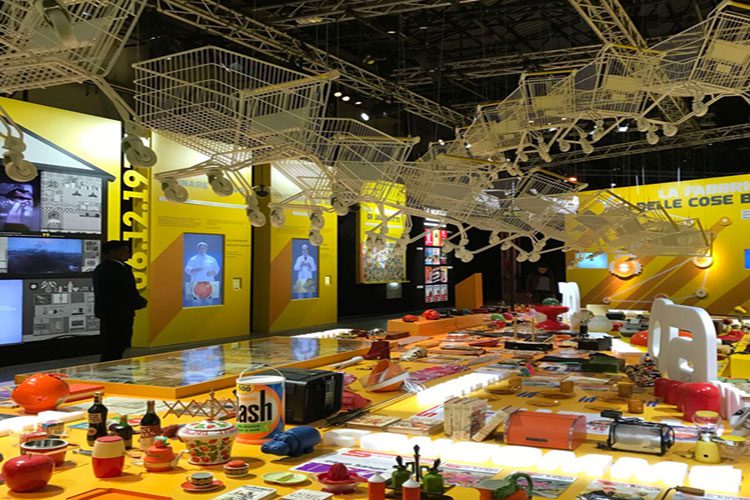
Walking to the exhibition, you’re greeted by large iron gates and banners detailing the dates of the show. Security opens the door for visitors to enter and a few rows of cash registers from the fifties transports you back in time. Through a sweeping black curtain is another wall replicated to look as if it were the original 1957 entrance to an Esselunga. Once through the fringe, the visitor is taken back to the sixties and seventies. The walls are a bright yellow and the ceiling has a sculpture of grocery carts that lead the eye from one end of the room to the other. Below the sculpture is a large platform full of products Esselunga would have sold at the time and other items that were culturally relevant. Most of the walls are interactive to engage visitors of any age. One wall details where Esselunga has imported its products from while another lets visitors discover different recipes used by the supermarket.

The next room highlights the architecture of Esselunga and the eighties. The architecture of the chain is described in a series of models, watercolor paintings, and photographs. On a large yellow wall hangs items that are quintessential of the time like leg warmers, Rubik’s cubes, and Walkmans. At the center of the room is a “behind the scenes” of an Esselunga warehouse and a small dance floor complete with a disco ball, lights, and music.

The following room highlights the ad campaigns in the mid nineties. I have never seen a similar campaign full of whimsy. Each sculpture and poster in this room relies on taking the product it is featuring and turning it into something else. For example, one poster asks “mappamondo o melone?” and the image is of a honeydew melon shaped as if it were a globe. There are dozens of ads similar to this throughout the room, and each has the ability to make the viewer smile.

The next section of the exhibit stands out the most. Mirrors cover the ceiling and floor to mimic a kaleidoscope while a video plays on the walls. The videos that play take the visitor from the beginning to end of the production of some of Esselunga’s products like pasta and desserts.

The final room of Esselunga Supermostra wraps up the visitor’s experience by declaring the chain’s continued support for the arts and always providing convenience and the lowest prices for their customers. The exhibition ends with an actual Esselunga delivery truck that visitors can sit in for a selfie using #SuperMostra. While heading for the exit, visitors receive a keychain, commemorative shopping bag, and DVD to celebrate sixty years of Esselunga.

The exhibit is on view until April 21 and entry is free. The entirety of the exhibition is in Italian, but even if you don’t speak the language, I highly recommend visiting. Walking through the history of Esselunga makes you feel like a true Italian. I never thought the history of a supermarket chain could be as colorful or engaging.

See more of Florence and Italy at FUA’s FBInstagram, and Twitter.

Piazza Massimo d’Azeglio has my heart

Photo by Author

By Gregg Casazza

Piazza Massimo d’Azeglio is a small park just a short walk away from Santa Croce, and I am absolutely in love with it.

There is something truly magical about the parks in Florence. Perhaps it is the fact that you so seldom see grass in the ancient stone city, or the fact that when sunlight streams through the tall slender trees, golden light dances all around the square. The soothing refuge these parks offer from the hustle-and-bustle of the city is much appreciated, and not lost on me one bit. However, finding one of these hidden treasures can be very hard for a casual traveler, and often the parks that CAN be found are just as busy as the rest of the city. So I found it rather shocking that a place as serene and inviting as Piazza Massimo d’Azeglio was only a quick walk from the city center.

This park and its surrounding neighborhoods hardly feel like they are a part of the Historic Center of Florence, and if not for the map, I wouldn’t believe it myself. The park is nestled right next to Viale Antonio Gramsci, and the walls of the old city. D’Azeglio is the best of both worlds, an area that feels different from a city, and more like a small town that you would find in a remote village in Italy, but still very close to the center of Florence. As such there are numerous luxury brands, and expensive places to visit in this area as well, including the Four Seasons hotel and its ancient Renaissance garden.

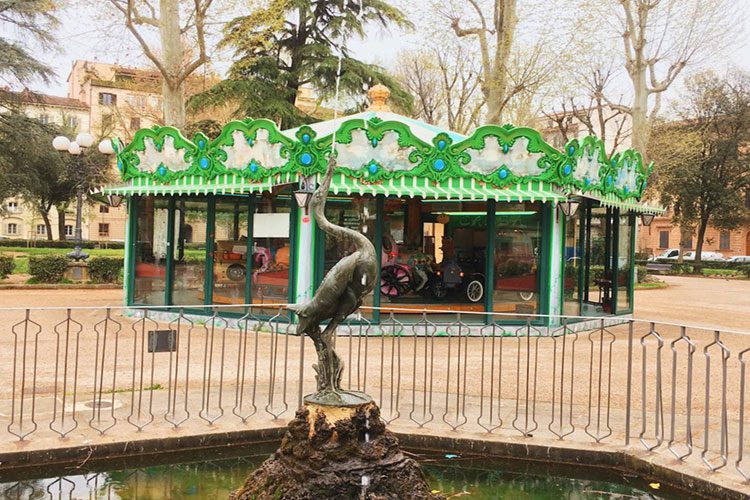
The neighborhood is a mixture of stately apartments, and small parks the likes of which stand in clear contrast to the rampant tourism and chaos of nearby areas such as Santa Croce and Palazzo Vecchio. Children run through the playground free of cares, like loose cannons running headlong past their friends who try to touch the sky on the swings. A group of boys play soccer, occasionally kicking their ball over the fence. Nobody goes to get it, they simply yell for their ball and wait, knowing one of the locals will happily assist. Near the center of the park is a beautiful carrousel. The small green ride lights up, and plays a cheerful tune which wafts through the air in the park, a few children go round and round, you can almost hear their smiles.

Most striking about the park however, is the community which uses the public space as their meeting grounds. Dog walkers stop to talk while their dogs play amongst each other, a daily activity for some. Older men stop to chat with their grocery bags stuffed with fresh produce bought from the nearby Sant Ambrogio market, or perhaps a delicious calzoni from Rocco. Couples sit on the benches, sharing an umbrella as they sit for hours, they wave to their friends and neighbours as they pass by on their bikes.

Named after Massimo Taparelli the Marquess of Azeglio (commonly called Massimo d’Azeglio) this park represents a lot for many people. D’Azeglio, who famously fought against the Austrians for Italian liberation, was also a prime minister and the leader of the movement that advocated an Italian national revival. His legacy is remembered in parks such as Piazza Massimo d’Azeglio.

There are so many places in Florence that are strikingly beautiful, but seem a bit hollow, like they lack the soul of the city. This is not true of Piazza Massimo d’Azeglio which seems utterly lived in, and yet still completely magical. I know that this park has my heart, and will have yours too.

See more of Florence and Italy at FUA’s FBInstagram, and Twitter.

The Artists Behind It All

By Molli A. Browne
All photos by the author

Photography student Molli A. Browne captures meaningful street art in Florence. 

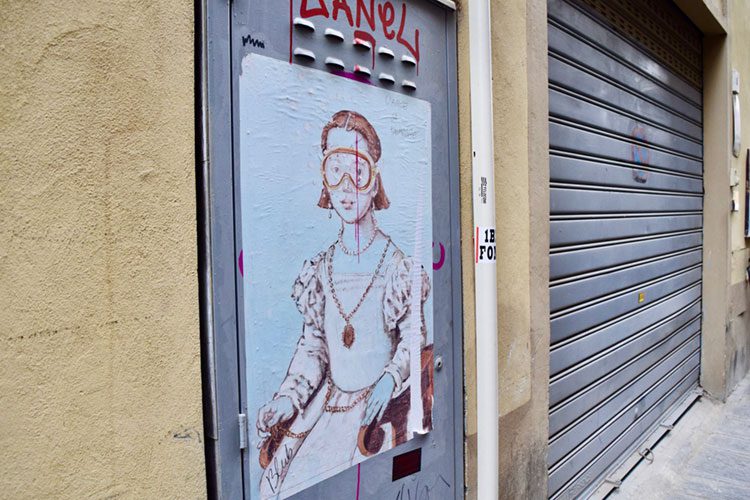
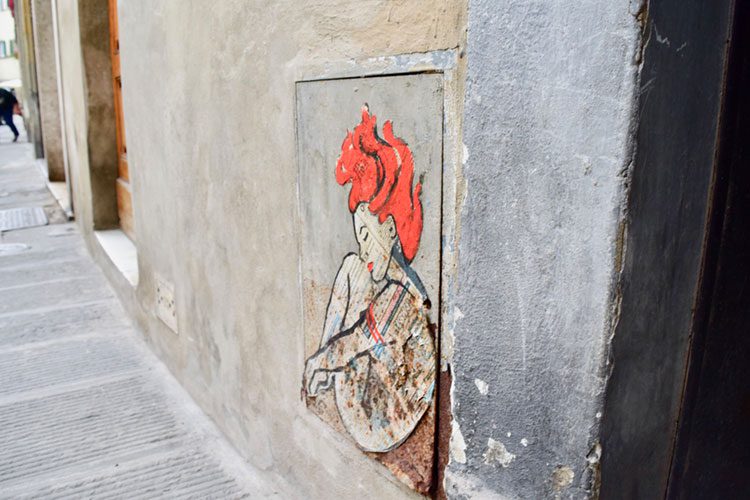
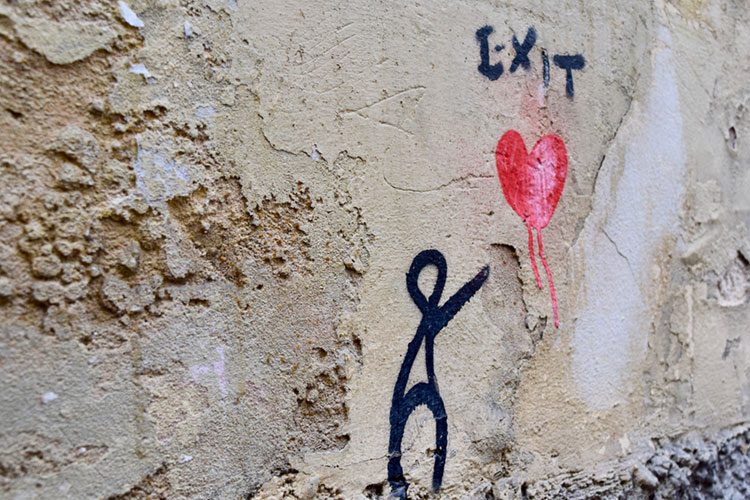
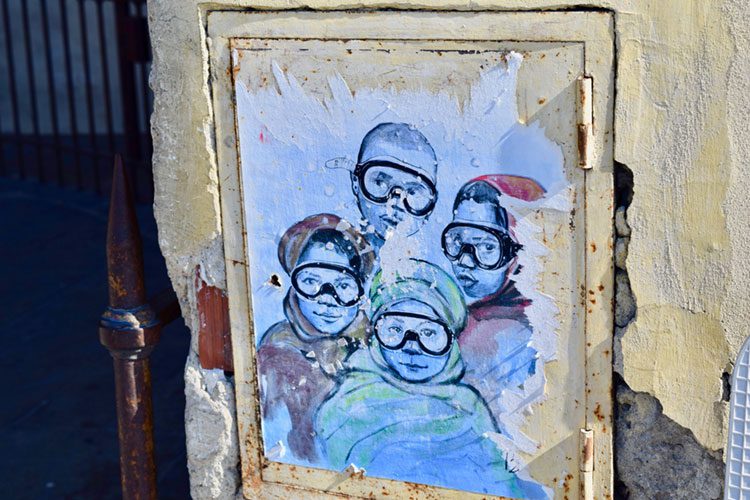
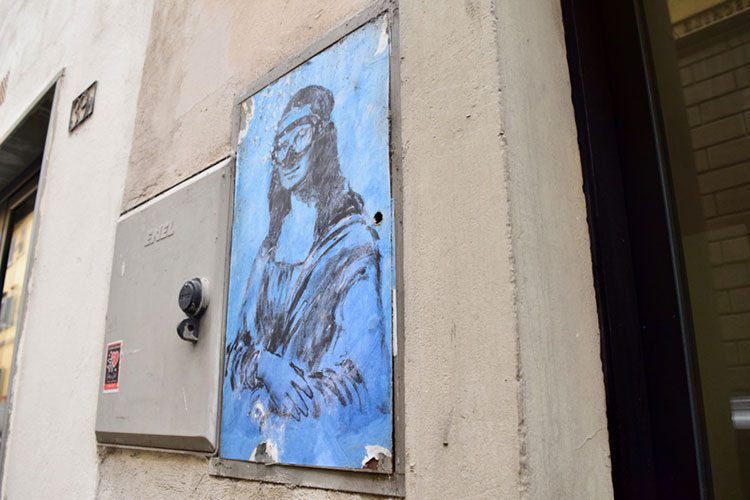
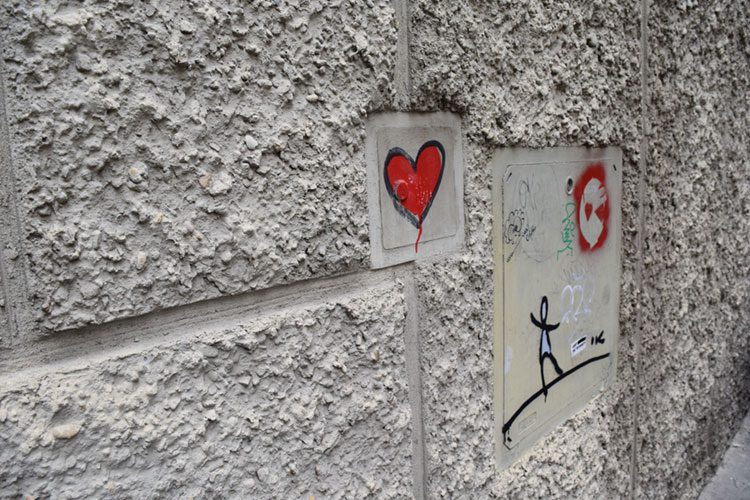
Dhai Studio located on Via di S. Niccolò is home to three of the most popular street artists in Florence. The studio is small in size but filled with inspiring and accessible art. At Dhai studio, you will find art by Blub, Enter/Exit, and Carla Bruttini. These are the artists behind the amazing street art that fills our city. Blub is known for creating underwater paintings, almost all of his figures having scuba masks on. His art is colourful, playful, and filled with imagination. Blub’s identity still remains unknown, which makes him and his art even more interesting. Next we have Enter/Exit, usually found right near or next to Blub’s work. Enter/Exit is most known for their colourful red balloons and small figures. Carla Bruttini is most popularly known for her painting on Via S. Niccolò of the woman with bright red hair. Carla Bruttini’s work symbolizes peace, power, and strength.

See more of Florence and Italy at FUA’s FBInstagram, and Twitter.

Cooking Like A Local

By Molli A. Browne
All photos by the author

Photography student Molli A. Browne shares her farm to table experience cooking like a local.

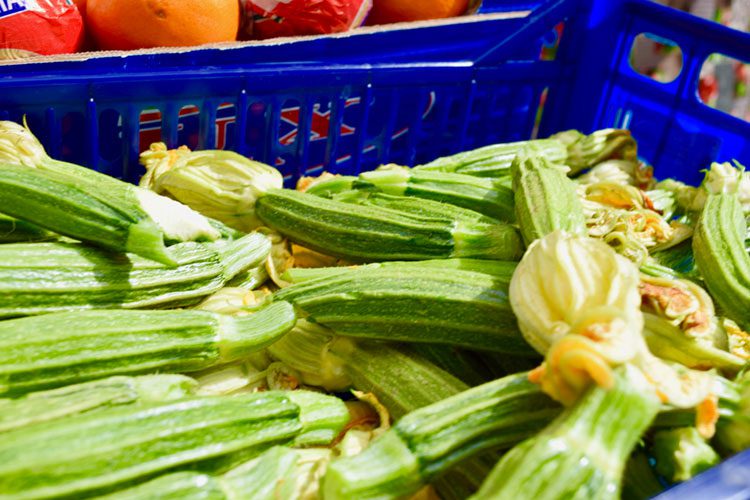
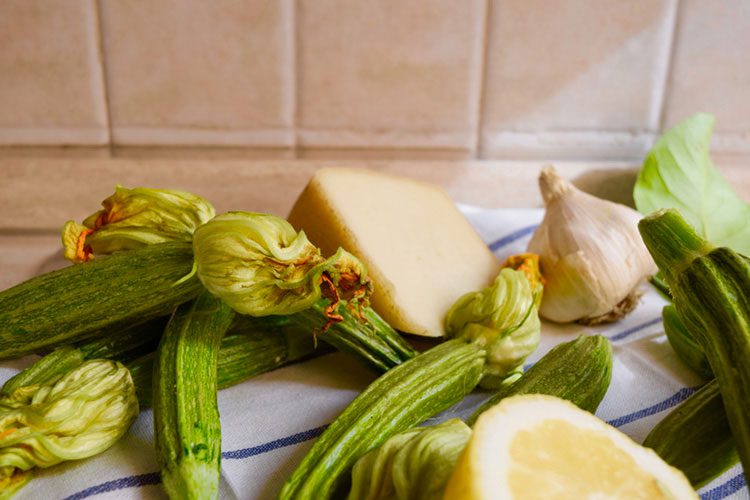
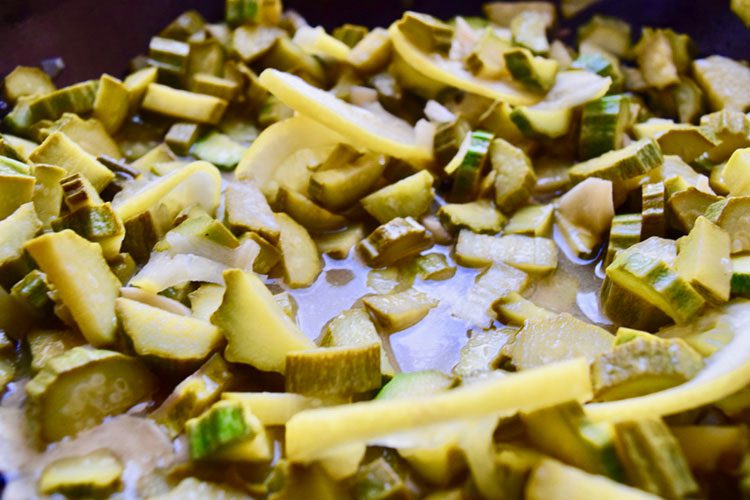
Spring has sprung in Florence and people from all over the world are coming to visit. The streets are crowded and the markets are filled with tourists, locals, and fresh seasonal vegetables. During my first couple of weeks here, I noticed that almost every dish I ordered had zucchini in it. I did my research and quickly realized zucchini is in season from late March to early September. I decided that I should go out on my own and cook a meal like a local. Of course, I had to use zucchini.

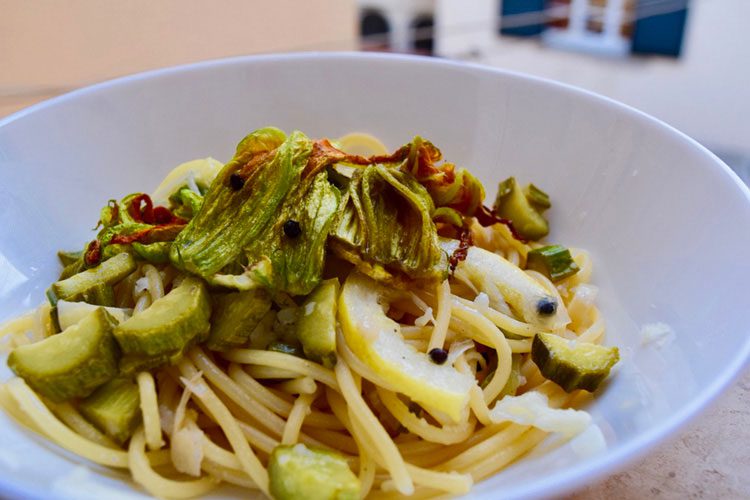
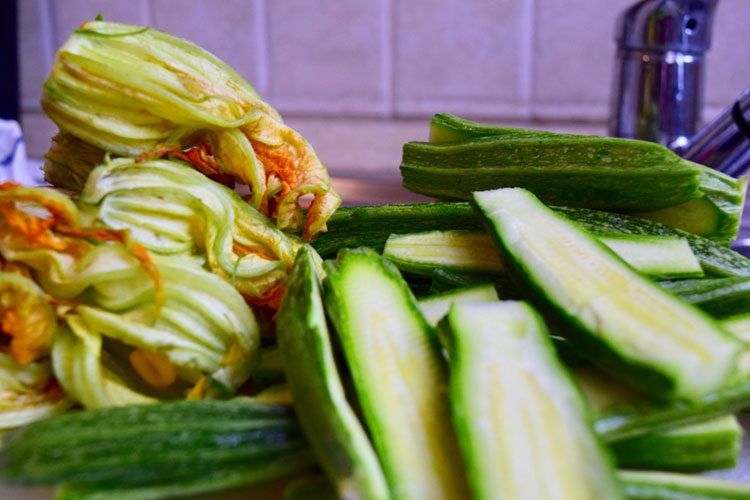
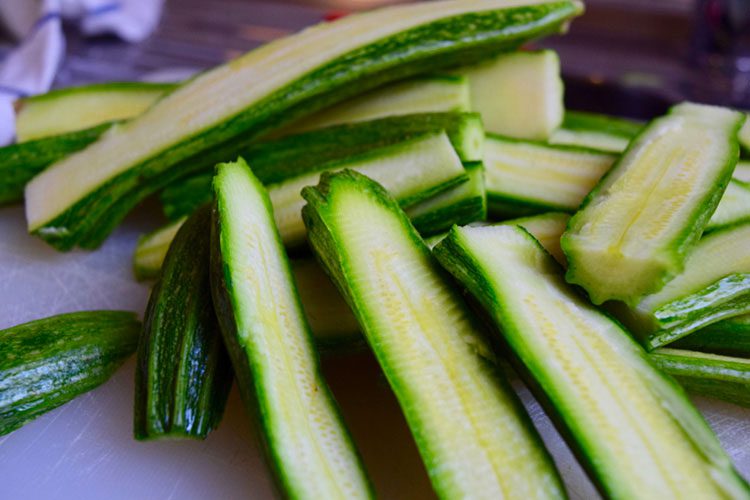
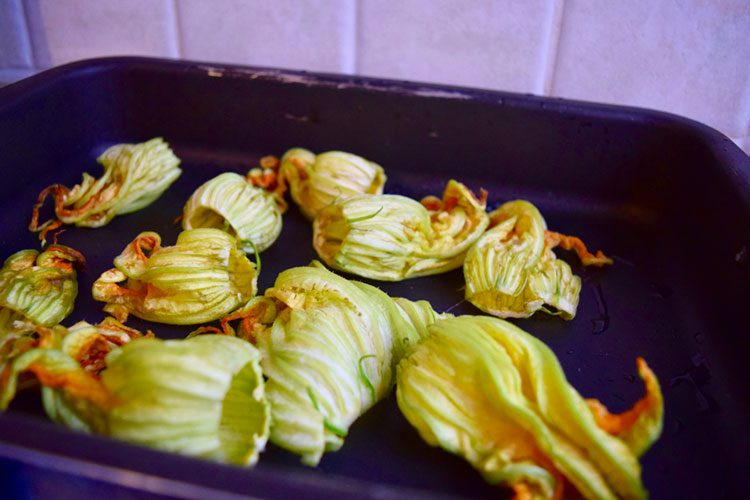
As I was walking home from class, I discovered a small fruit and vegetable stand at the end of Borgo Pinti. They had ample amounts of farm fresh zucchini for an incredible price. They also had fresh garlic, lemon and cheese. I used all of these ingredients to make my pasta dish. This dish is spaghetti in a lemon garlic white wine sauce topped with baked zucchini flowers.

See more of Florence and Italy at FUA’s FB, Instagram, and Twitter.
 

Via dei Malcontenti

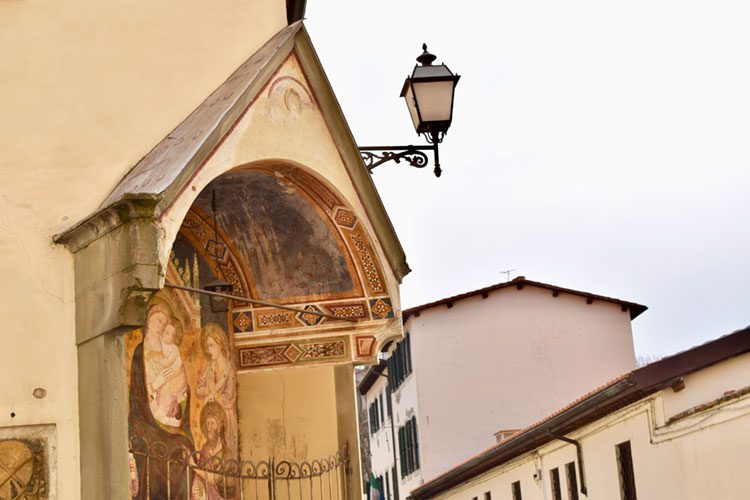
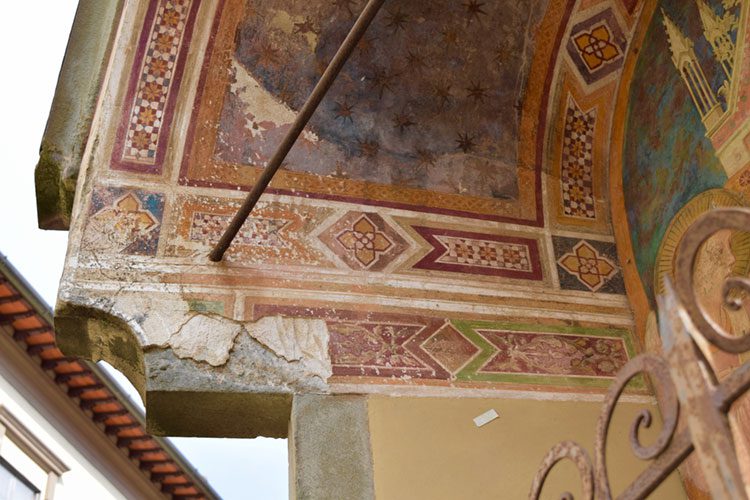
Tabarnacle on Via dei Malcontenti

By Molli A. Browne
All photos by the author

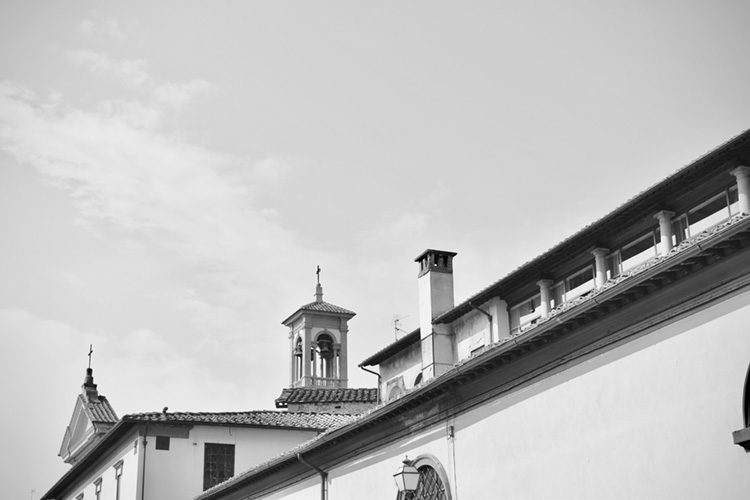
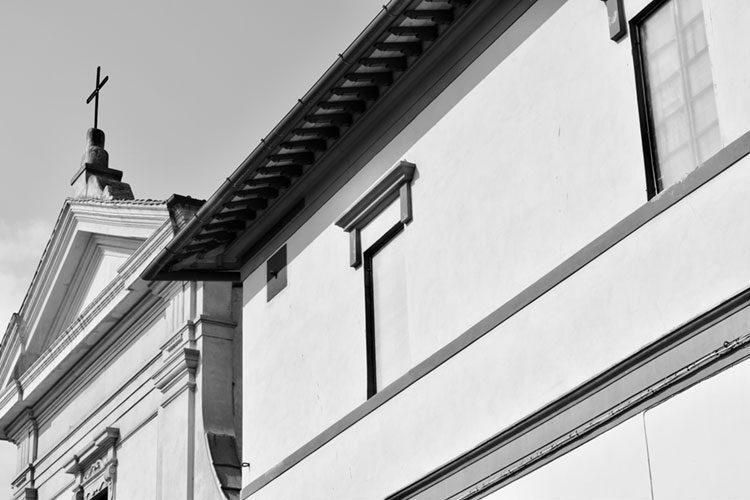
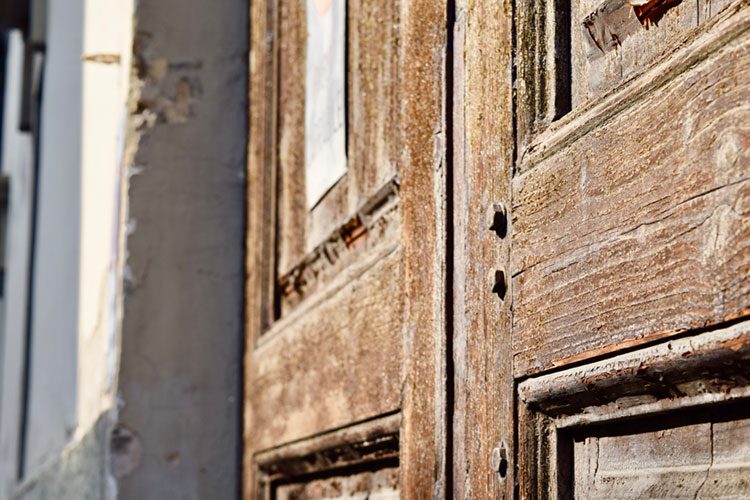
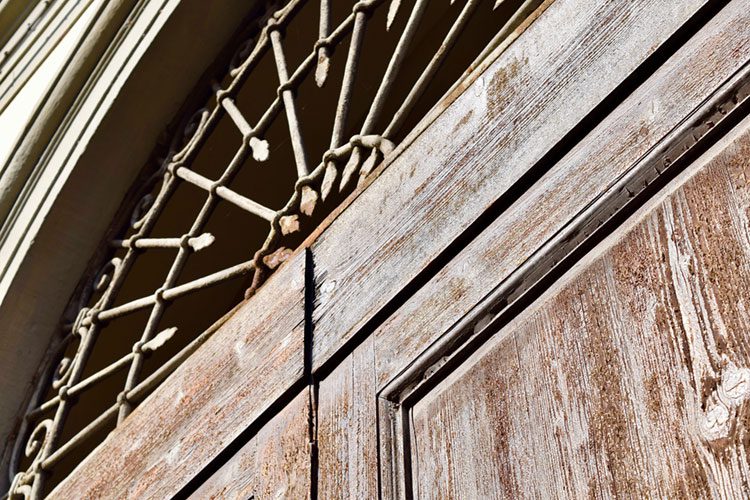
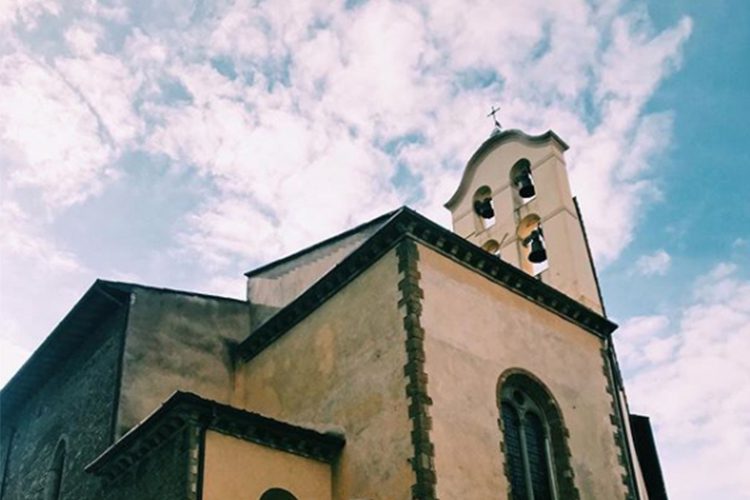
Via dei Malcontenti is the street the Florentine prisoners would walk down before being excecuted. Via dei Malcontenti connects Via delle Casine to Piazza Piave. Today, the street consists of apartments, a church, and a school. During the day, the road is quiet and calming. The following set of images are what a prisoner would have seen walking down Via dei Malcontenti before the execution. 

Photography student Molli A. Browne imagines the final moments of a prisoner walking down Via dei Malcontenti.

My time has come.
My darkest day…
I pray for forgiveness, I pray for my sins.
My last chance.
Gone.

See more of Florence and Italy at FUA’s FB, Instagram, and Twitter.

Scenes from San Martino: Duomo of Lucca

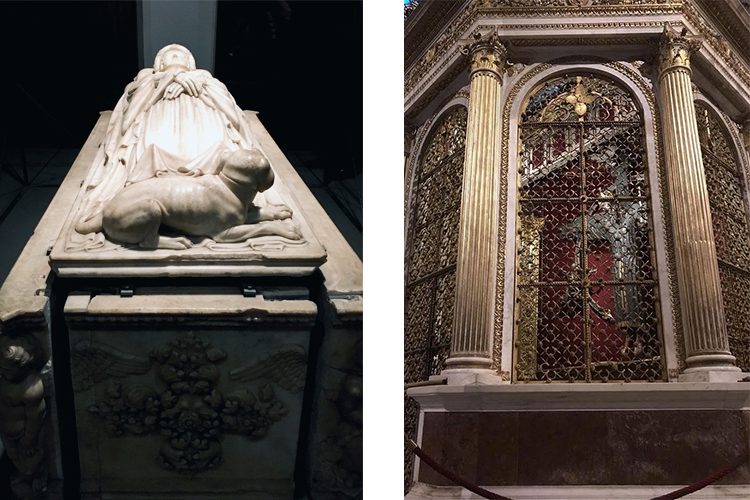
Photo by Hannah Sanders                                      Photo by Tomie Martel

By Travel Writing Students

This post captures two intriguing figures depicted at Lucca’s main cathedral. A mysterious woman who tragically died at 24, and an artist’s attempt to capture the holy nature of Christ. Explore the peculiarity of silence and the power of the divine in the following stories, uncovered by FUA students at a recent Field Learning experience for the Travel Writing course.

Sleeping Beauty in the Silent City
By Hannah Sanders 

Even on a cold and foggy morning, the silence of Lucca is inviting. The city’s silence wraps around me like a warm robe slipped on after a shower. The stillness carries me through the streets, wet from the rain, and leads me into the Cathedral. There, a beautiful woman lies colder and more silent than the city itself.

I can tell she has lived in the quietness of Lucca for quite some time. She does not speak or move, and she too is cloaked in Lucca’s robe of silence. Her hands are delicately placed over one another and her eyes remain closed, she looks as though she is in a trance.

An English guide introduces me to the sleeping beauty: her name is Ilaria Del Carretto. She was the wife of Paolo Guinigi, the Lord of Lucca, who ruled from 1400 to 1430. Ilaria’s royalty and high rank is evident through her contemporary gothic clothing. At her feet lies a small dog, looking over his shoulder to protect his master. I look to the guide to seek what the sleeping beauty needs protection from, and learn Ilaria suffered a death following the birth of her second child. She was only 24.

The silence is loud now. The cold air shoots shivers down my spine. Thoughts flood my head. Such a beautiful queen, sculpted from white marble by the artist Jacopo della Quercia, was taken from the world much too soon. Her tomb commemorating her life appears so pure, yet her story contains a tragedy. The silence of Lucca no longer seems so inviting.

The Holy Visage
By Tomie Martel

Sitting before the Holy Visage, one can immediately feel a sense of importance and sacredness. Housed in the Cattedrale di San Martino, the carving of Jesus, that depicts him fully clothed and seemingly unharmed was created in the 11th century by an artist named Nicodemus. Nicodemus felt that he was unable to fully do justice to the true face of Jesus, so he carved the body and went to sleep, leaving the face undone. The next morning, he awoke to the visage having been created by unknown hands. From then on, the creation was seen as a miracle.

The second miracle involving this work of art came once it was transported to Italy. The carving was placed on an ox-pulled cart, and without instruction the ox took it to Lucca, where it was determined it was miraculously meant to be housed. It is due to these miracles that every year on September 13th, people from all over Tuscany come to pray to the visage for miracles, or guidance through life.

The Luminara di Santa Croce takes place the 13th of every September, whereby the Holy Visage is dressed in extremely lavish additional garments, including a larger crown, a collar, belt, and silver shoes, all of which are housed in the nearby museum of the cathedral.

With its dark wood, deep carvings, and gold detailing, The Holy Face of Lucca exemplifies the divine. Christ is portrayed as powerful, standing upright so as to emphasise his holiness. It is abundantly evident why this work of art is seen miraculous as well as beautiful.

See more of Florence and Italy at FUA’s FB, Instagram, and Twitter.

Experiencing a Religion: Welcome to Fiorentina

Photo by Author

By Sean Ahern

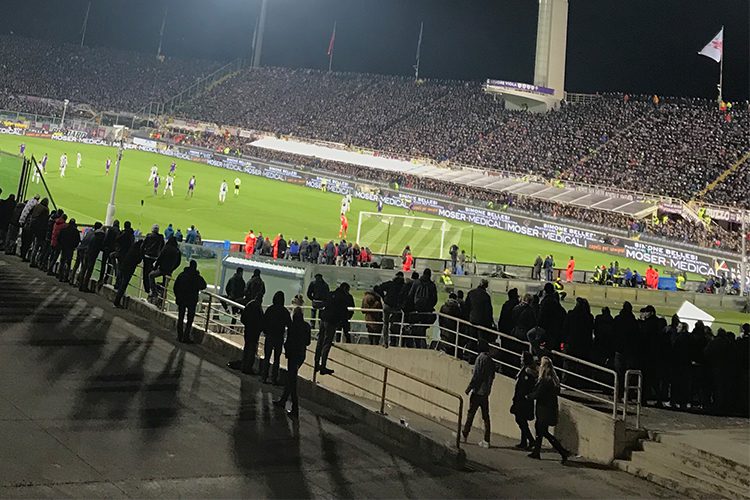
Football is not merely a sport here in Florence. It has a much higher purpose than that. The city revolves around the club, the Viola. As a first timer attending a European football game, this was nirvana.

It was a typical Florentine Friday as I enjoyed my one class when my roommate and I decided to get tickets to the Fiorentina and Juventus game during the night. As a football superfan, I was more than willing to partake within this rivalry as I have only seen and heard insane things when it came down to this game. Time moved slowly as my anticipation grew to a fever pitch. Suiting up with my Fiorentina jacket, I was ready to toss away my tourist status and become a local. Walking over to the stadium, I heard the fans’ chants grow louder and louder. This surely was not just another Friday night football game, this was going to be war.

Heading to our seats, we noticed the sheer amount of people that were packed into the stadium and realized that this was something that was not of the ordinary. Excitement filled the stadium while the Fiorentina fans sang the songs of the club. I have personally never heard a louder stadium and the voices grew louder with every shot, every foul, and every pass.

Although Fiorentina lost the game two to nil, the atmosphere is something that I will never forget. It was my first real foray as a citizen of this wonderful city, and even though I will forget the names of the restaurants and the gelato places, I will never forget this game.

See more of Florence and Italy at FUA’s FB, Instagram, and Twitter.

Santo Spirito Market

Photo by Authors

By Kristen Kaneb and Danielle Wood

The Santo Spirito Market is an area where tourists and locals combine to experience all that Florence has to offer. It is a time where people can explore anything from food to wine to art to jewelry.

On the second Sunday of February it was time to visit the Santo Spirito Market. This is a perfect activity for a lazy Sunday to go walk around with your friends and browse through all the different fun stands. It’s amazing to be able to walk through and see such a variety of fresh, authentic goods. Whether you want to buy fresh meats and cheeses, homemade jams, or hand-crafted Italian jewelry, this market had it all.

Tourists and locals alike appreciate the San Spirito Market. It exemplifies Italians’ value of fresh produce and delicious-tasting meals. Of course, Italy is known for its exquisite meals using only the best ingredients. The market’s locally-grown vegetables, carefully sliced meats, and handmade pastas demonstrate the Italian value of putting time, effort, and thought into the production of each meal. Italians are committed to fresh, enticing, cuisine.

Observing the shoppers at the market, it was clear that they were carefully considering each purchase. They took their time to examine each product, whether it was the level of intricacy in a piece of jewelry or an orange’s freshness.

One of the best things about this market was that it was full of local Florentines. Santo Spirito is located on the other side of the river from the Duomo. Here you can have a genuine Italian cultural experience. If you start to get tired while shopping, the market is in the middle of the square surrounded by restaurants and a beautiful church. There is something for everyone. The San Spirito Market shows the norm of Italian culture: that people take their time to enjoy the little things in life.

See more of Florence and Italy at FUA’s FB, Instagram, and Twitter.

Pre-departure: Museum Tips

Photo by Author

By Emily Robinson

Free Museum Days: 5 tips to make the most out of free entry.

On the first Sunday of every month, as well as other special days throughout the year, Florence’s civic museums allow guests to visit for free! Here are some tips to get the most out of your visit and appreciate the Medici art.

1.  Check hours and restrictions
Some museums and churches open earlier than others, while other facilities (such as Museo del Bigallo) may only allow visitors upon reservation. Did you know that the Palazzo Vecchio museum is open from 9 a.m. to 7 p.m. but the museum’s tower is only open from 10 a.m. to 5 p.m.? Do your research ahead of time to avoid frustration later.

2.  Map out your day
If you are aimlessly walking around the city from one museum to another, you will tire out before even getting to your destination. After picking the places you want to visit and checking their hours, map the museums out and see what route makes the most sense. Your friends (and feet) will thank you later!

3.  Dress for success
Check the weather and dress accordingly. If you plan on walking a lot, make sure to wear comfortable shoes. If you plan on visiting a church, make sure your outfit adheres to their dress code (some require shoulders and knees to be covered.)

4.  Pack Light
Make sure you are prepared for a long day of adventures. If you are planning on using your phone a lot, bring a portable phone charger or wall unit and adapter. Throw a water bottle into your bag since beverages at a restaurant or café can be pricey. When it comes to traveling, less is more. Keep in mind that anything you pack you will have to carry on your back all day and that can start to weigh on you.

5.  Expect crowds
You are not the only person who decided to save a few euros and visit museums on a free entrance day! Anticipate long lines and crowded exhibits and remember that you are not the only person who has been walking from one museum to another. Be patient, kind and – most importantly – flexible when things do not go as planned.

With these tips in mind, my friends and I were able to visit Palazzo Vecchio, Museo Novecento, Santa Maria Novella and Cappella Brancacci all in one afternoon. Even with a student discount, we saved over 100 euros between the five of us on one free museum day. Hopefully these tips can help you get the most out of free museum days in Italy, too!

See more of Florence and Italy at FUA’s FB, Instagram, and Twitter.

Florence: The Best of Both Worlds

Photo by Author

By Michael Lovanne

A walk through the city of Florence in search of memory stones which have so much meaning to the past and present of this historical city.

Florence is a thriving city, constantly moving and changing with the times. As a student with a passion for history and art, Florence was an easy choice when it came to picking a destination to study abroad. Defined by the renaissance, history and art is what built Florence and is absolutely inescapable: everywhere you turn is a different palazzo with historical significance, a different statue or fountain that is hundreds of years old, or a museum filled with priceless objects all telling the story of the city. I found this evident more than ever in my walk through the city in search of memory stones.

The beauty of these stones isn’t in their appearance, but in their message and purpose. Some stones are set on the outside of buildings where a Florentine of importance was born, passed, or had achieved something within the walls. Others share the history of the city through its culture such as quotes and excerpts by the famous Dante Alighieri.

What I found most interesting during this search was how the stones perfectly married the past with the future, by celebrating the continuous achievements of the city and its inhabitants. When another momentous achievement is made or event has taken place, it is immortalized in stone, and becomes engrained in Florence’s culture and celebration of the past and present.

As students living here, we are the future, and while there is much we can learn from Florence’s past, it is important to see that the city’s commitment to the past and present is what makes it truly unique.

See more of Florence and Italy at FUA’s FB, Instagram, and Twitter.