Navigating Healthcare While Abroad

Written by: Alice Hamilton

Studying abroad comes with a variety of new experiences and realizations. Everything is so different when living in another country with a very different culture. During your time abroad, you begin to immerse yourself in the culture of Florence and realize how different it is than in the United States. One difference I had to navigate was the healthcare system here in Florence compared to the United States. 

Just two months after arriving in Florence, I underwent a very unique experience and I feel that my story could be of use to others in the future. Due to an infected gallbladder stone, I went through an emergency gallbladder removal procedure. Even after several doctor’s appointments, ER visits, X-rays, CT Scans, and blood work done in the states, I was given no answers as to why I was experiencing sporadic abdominal and back pain. I was sent abroad with a lot of unknowns and a fear that this pain would recur while abroad. 

During my first two weeks in Florence, I underwent a painful flare-up with severe pain, vomiting, and two days of bed rest. I was in need of a doctor but wasn’t quite sure how to get access to one. With the help of the FUA Emergency Hotline, they provided a 24-hour doctor to check up on me in my apartment. This visit resulted in me receiving painkillers, a few prescriptions, and an ultrasound appointment, as well as a doctor’s note for class. 

My next task was to navigate how the pharmacies work in Italy. My doctor prescribed me medications through a documented and stamped piece of paper. You can visit any pharmacy in the city and they fill your prescription, so I found a  local pharmacy, I handed the paper to the pharmacist and they provided me with my prescriptions and a document to send to my insurance. It was as simple as that! 

In regards to my ultrasound, I booked my appointment via phone call and was able to come in within the next few days. Before my visit, I contacted my insurance company and discussed my future visit and where the facility was. I provided the documents my doctor prescribed me and that was all I needed. With the help of the staff there, they helped me locate registration and the waiting room. This singular appointment found the answer I had waited months for, a gallbladder stone. This stone meant that I needed to get the organ removed through a procedure. Even though I was very nervous about getting a medical procedure done in a different country, everything worked out very smoothly. 

I was in contact with the 24-hour doctor as well as FUA’s staff throughout the entire experience. My doctor even helped me get in contact with a private surgeon to plan my surgery date. Unfortunately, my gallbladder had other plans. After a very painful episode, I was rushed to the hospital in an ambulance to Santa Maria Nuova Hospital, which is Florence’s public hospital. Interestingly enough, the cost is widely different in both countries. For serious medical conditions, ambulances in Florence are free of cost. However, in my hometown of Chicago, the cost starts at around $900. 

After being in the hospital for a few hours, I was told that my gallbladder was inflamed and I would need to wait 10-15 days for my surgery. However, my condition did not improve because my liver enzymes were low, which resulted in emergency surgery. My mother luckily booked her flight when she found out I was in the hospital and arrived right before I was prepped for surgery. 

During the surgery, the surgeons discovered my gallbladder was infected, which allowed for a drainage tube. Because of this, I was in the hospital for another three days. During my hospital experience and after I was discharged, I was able to understand how both healthcare systems are set up. Italy believes healthcare should be available to everyone as a basic right. They have a system where both the government and private companies help pay for healthcare. Taxes mainly fund it, but people also pay for some services themselves or through private insurance. On the other hand, the United States mostly has a private healthcare system. It includes public and private insurance providers, employer-sponsored coverage, and government-funded programs like Medicare and Medicaid. 

Through the healthcare system here in Italy, getting this procedure was incredibly affordable and convenient. I am extremely grateful for the amazing doctors and nurses who successfully performed the operation. Through the help of FUA and its amazing staff, I was successfully able to navigate the Italian healthcare system, as well as leave a piece of myself in Florence!
Easter in Italy

Written by: Isla Herring

As a study abroad student in a foreign place, holidays and traditions differentiate between the culture of the United States and Italy. Since my arrival here, I have yet to experience a holiday, and this is a concept that I wanted to learn more about to understand the differences between the locations and their customs for Easter. 

After doing research on Italian Easter traditions, I began to grasp the dissimilarities between the practices of the holiday in different areas of the world. Here in Italy, Easter is observed with a week of processions and rituals such as Holy Thursday and Good Friday, followed by a Sunday feast, and La Pasquetta (little Easter) on Monday. Solem Processions often include people in costumes carrying statues of Christ through the town. In southern Italy, this is especially true and dramatic on islands such as Sicily and Sardinia. 

Here in Italy, Easter is also celebrated with Settimana Santa which begins on Palm Sunday in most places of the country. Palm Sunday is celebrated the Sunday before Easter, which is equivalent in the United States. In Saint Peter’s Square, the Pope leads mass on this day, where the Palms are blessed, and a procession is held. As for Holy Thursday, the Thursday before Easter, is an evening of special masses for the Italian public to attend all throughout the country. 

Good Friday is often observed with the Via Crucis, which is the ritual of the 14 Stations of the Cross. People frequently act out the events in each station while wearing costumes to give the story a more realistic feel. Depending on the region of Italy, Good Friday holds more or less significance to the people. For example, in Trapani, they hold a 24-hour long procession titled the Misteri di Trapani. The largest Via Crucis takes place in Rome by the Colosseum, where a massive cross with burning torches illuminates the city. 

Easter vigil mass is held on Saturday evening, where people bring hard-boiled eggs to be blessed for the holiday. Additionally, in Saint Peter’s Basilica, the Pope gives the Holy Easter Mass for those who are able to attend. As for the rest of the nation, people attend their local churches for mass, but the teachings are cohesive for all. 

In Florence itself, there is a popular event called the Scoppio del Carro, or “explosion of the cart.” Here, a large ox cart is decorated and filled with fireworks as it is pulled through the city to reach its final destination, Piazza del Duomo. Once mass has concluded, an Archbishop ignites the fireworks within the cart by sending a dove-shaped rocket into the air. This causes a massive display of lights for Florence to view, along with a parade filled with people dressed in medieval costumes. 

Following Easter, La Pasquetta is celebrated Easter Monday and is a national holiday in Italy. Commonly, people travel to the countryside where they attend picnics and entertaining activities such as concerts and games. One frequently played game is Punta e Cul, where participants are given an egg and must smash the eggs of the other players. The winner of this game is the person who collected the most cracked eggs from the other members playing. 

As for the food that is consumed on this holiday, the traditions obviously vary across diverse cultures. Here in Italy, one food that is specifically unique, is a dove-shaped Italian cake called Colomba. This cake symbolizes peace and is often compared to a Christmas panettone due to their common dough. This item is particularly challenging to make, so it is often purchased at a grocery store. For the main dish of Easter, traditionally, Italians serve lamb in different preparations depending on the region of the country. The lamb meat is often seen paired with artichokes and potatoes, again, depending on the dish and location. 

Overall, the traditions and practices for Easter in Italy are ones that I had never heard of until studying abroad. Not only does the holiday have differences in numerous countries, within Italy itself, there are various changes that are dependent on regions of the nation. It is important to understand the values of altering destinations across the globe and appreciate the abundance of customs it has to offer. 

Celebrating the Florentine New Year

Written by: Sophia Koch

I have only been living in Florence for the past few weeks, but there is one thing I have learned for certain. Italians are very into honoring traditions and these festivities are passionately celebrated. I myself am big on traditions and look forward to them every year, so while being abroad it makes me feel at home when I get to participate in these occasions. I believe when living in a new city – a new country in my case – one of the best ways to immerse yourself is to discover traditions the locals celebrate. That way you get a more broad experience outside of the typical touristy activities.

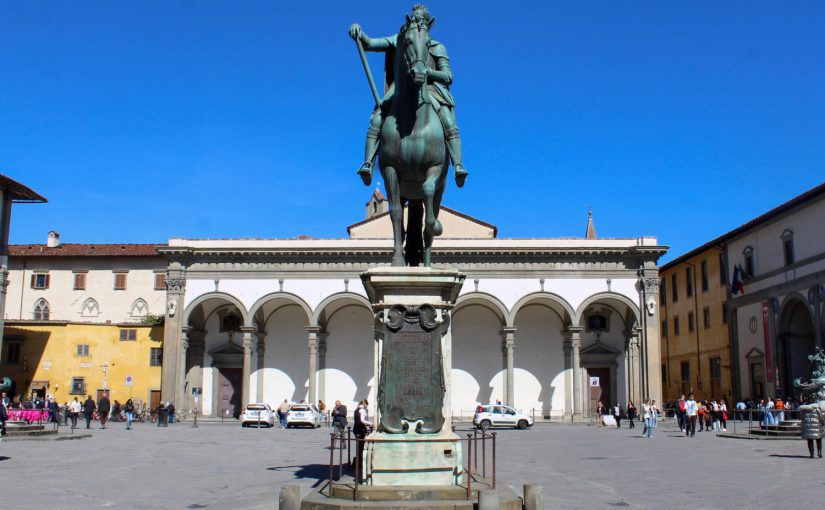
Each year, there are various events on March 25, honoring the Florentine New Year.  Starting at the Palagio di Parte Guelfa, a historical parade winds through the city streets, all the way to La Basilica della Santissima Annunziata. The parade honors those from the countryside who went on pilgrimage to pay homage to the sacred effigy of The Madonna. The streets will be filled with medieval dress and music. Candy will be sold and flags will be thrown all over the city. Once the celebration reaches Piazza SS Annunziata, Florentines and visitors feast on Italian cuisine at an outdoor market. Then, later in the night an evening concert can be enjoyed, while observing the frescoes of the Annunciation featured in the church. By visiting Piazza SS Annunziata, you can learn more about this historical event, by locating a plaque that commemorates the decree of suppression of the festival. 

Florentines still celebrate the typical new year on January 1, with fireworks and confetti filling the streets. Additionally, Florence celebrates a more traditional new year on March 25. From the Middle Ages until 1750, March 25 was the day the Church celebrated the Annunciation of the Incarnation received by the Virgin Mary, marking the beginning of spring, which then became the beginning of the civil calendar. The Tuscan capital celebrated this day as New Year’s Day, even though the rest of Italy was following the Gregorian capital, beginning the new year on January 1. 

A decree of the Grand Duke Francis II of Lorraine forced Florentines to use the Gregorian calendar by 1750, which meant their new year would be in effect now on January 1. Since 2000, the Municipality of Florence has included March 25 in the annual calendar of popular festivals, traditions, and official celebrations. 

The month of March honors a lot of special traditions including International Women’s Day and Easter, but if you want to truly celebrate the commencement of Spring and advance your historical and cultural knowledge, Florentine New Year is right around the corner and a perfect way to indulge in Tuscan tradition.

Untrue Unreal by Anish Kapoor: An Immersive Experience into Unconventional Realms of Art

By Gabby Burdick

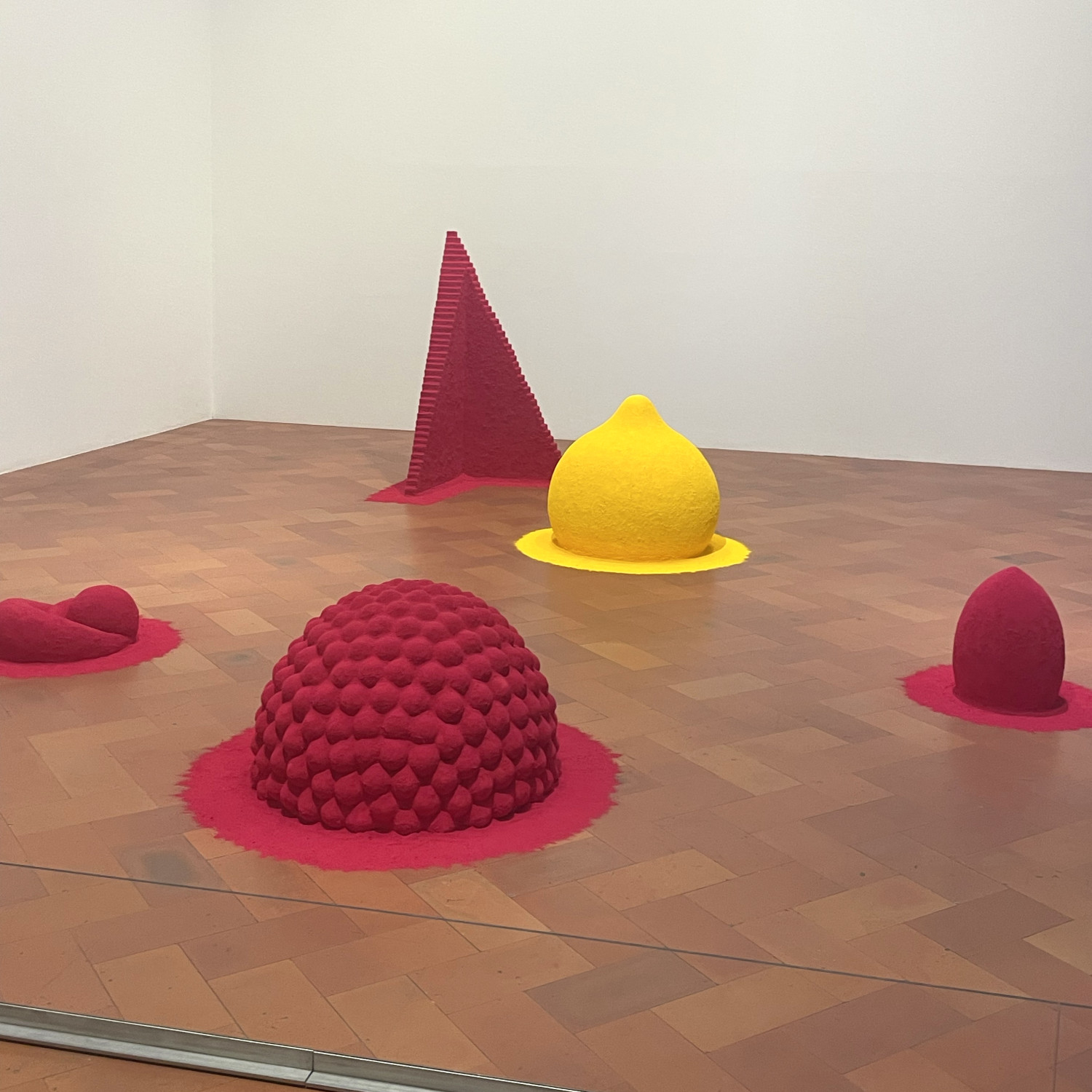
People from all over the world travel to Florence because of its rich artistic history and cultural significance. While it’s more typically known for its dominant voice in Renaissance art, the city still hosts an abundance of newer, more contemporary artists.

Continue reading Untrue Unreal by Anish Kapoor: An Immersive Experience into Unconventional Realms of Art

Florentine Dogs

By Ryan Manor

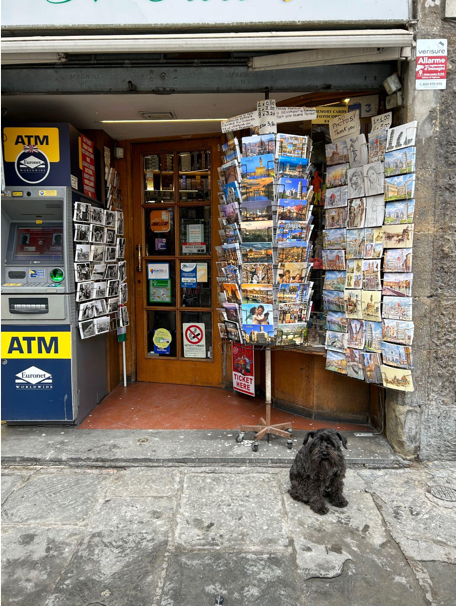
Throughout the streets of Italy, it’s hard to ignore the abundance of Italians accompanied by their fabulous dogs. The cobblestone streets of Florence are swarming with leash-less pooches following closely behind their owners, doing a better job at navigating through the traffic of people than I can admit about myself. Even without a patch of grass in sight, these pooches seem completely and utterly at ease. Not to mention their impeccable fashion sense, from designer jackets to top hats, the people of Florence truly take dog ownership to an entirely new level. By observing these relationships, you can learn much more about Italian culture than you might think.

Continue reading Florentine Dogs

3 Study Spots in Florence You Must Check Out

By Caylee Brand

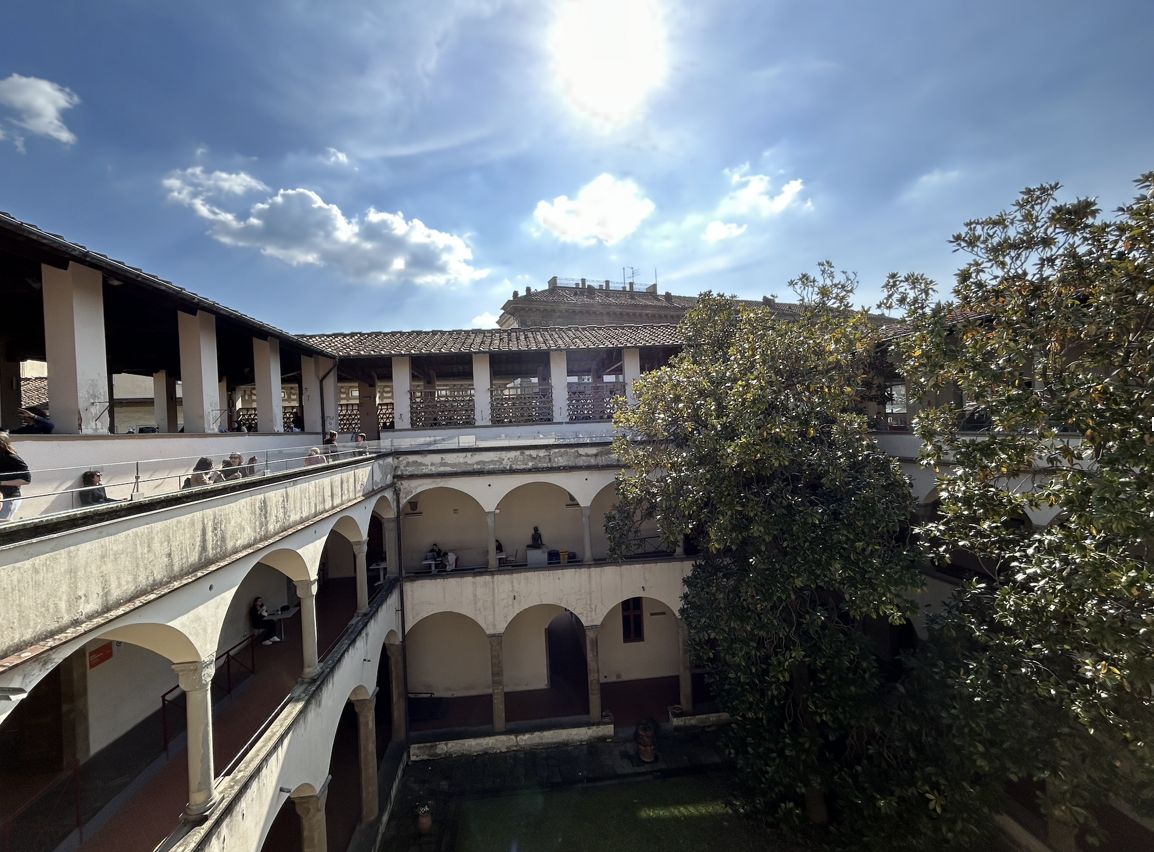
One of the trickiest parts about being an international student in Florence is balancing classwork with experiencing the city. There’s just so much to do! But who says you can’t do both at the same time? Here are my top three favorite spots to study in Florence that allow you to get all your work done while still taking in all this incredible city has to offer.

Continue reading 3 Study Spots in Florence You Must Check Out

Discovering Le Cure

By Becca Baitel

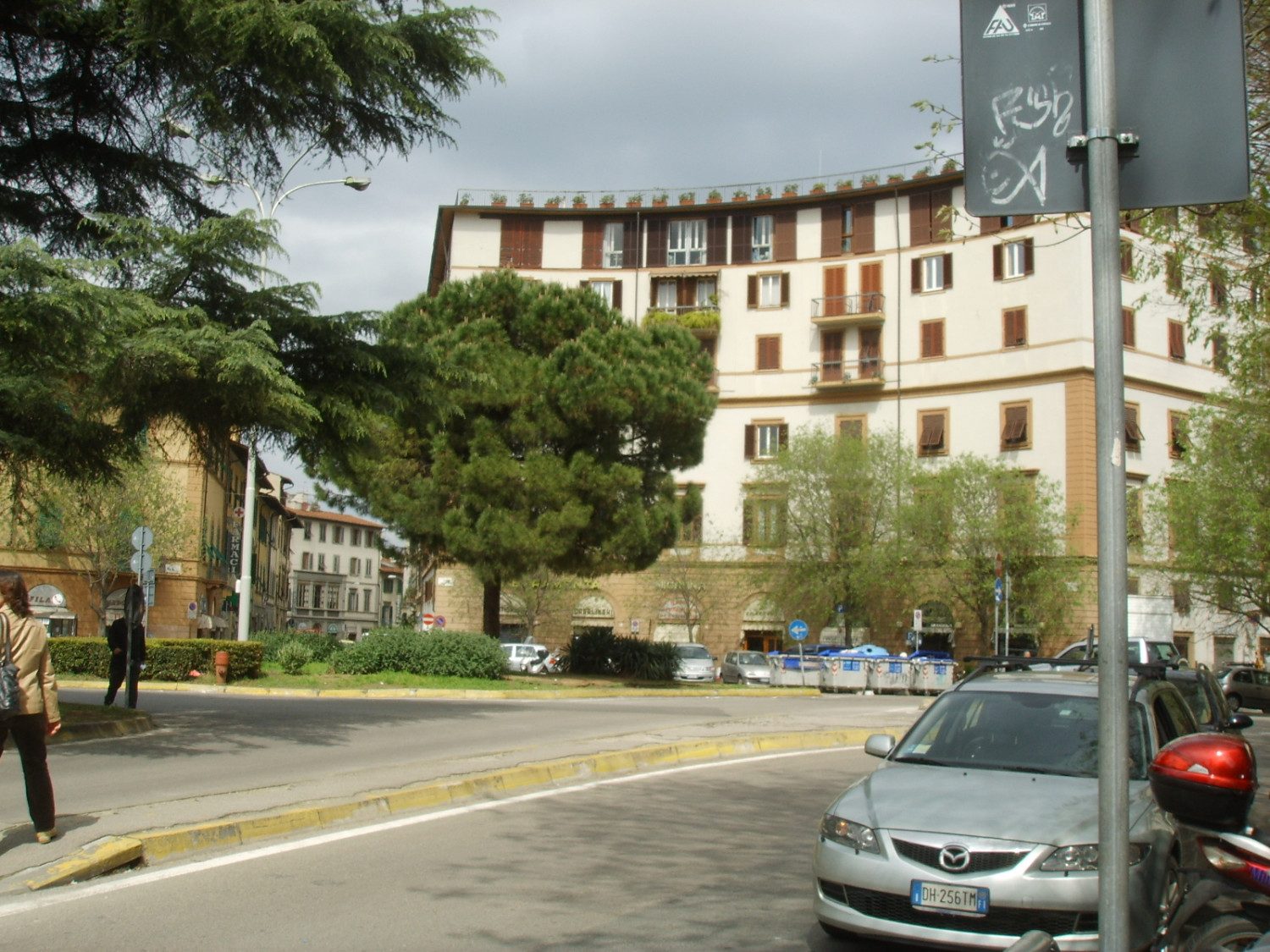
As I near the end of my semester abroad, I reflect on how much there is left to see within Florence itself. As study-abroad students, many of us dedicate so much time to traveling, but how well do we even know our own city beyond the most famous attractions, such as the Duomo and Ponte Vecchio? On a blustery Tuesday afternoon, I decided to venture outside of the familiar, beloved center city, which houses so many of my incredible memories from throughout the semester and explore Le Cure. Offering views of the neighboring Fiesole and Tuscan countryside, Le Cure is a neighborhood located north of Florence on the banks of the
Mugnone River.

Something I noticed immediately was the fall foliage, the vibrant reds, and oranges still present in many of the trees. Missing the autumn season at home this year made this moment something I was quite excited by. Leaves crunching under my feet, I made my way over to
Piazza delle Cure, which features its legendary open-air market with clothing, artisan work, and food. Even on a cloudy weekday, the market was bustling with people, young children grabbing fresh produce on the way home from school, and women buying cardigans to keep warm as the seasons change. I was surprised I had never once heard about Le Cure in the entire duration of my stay here in Florence. While small in size, the Piazza immediately stood out to me as the central hub for Le Cure residents to gather and engage.

From its tree-lined streets scattered with independently-owned shops and easy access to the center city of Florence through the 1, 6, or 11 buses, and on foot, Le Cure provides a peaceful, natural ambiance perfect for a laidback afternoon day trip. For those wishing to gain a different perspective of the neighborhood, be sure to venture to the underground tunnels below the streets, which serve as a bypass to get over the train tracks. In Le Cure, looks are certainly deceiving, as these widely spread tunnel entrances can easily be overlooked. However, the tunnels feature an impressive array of unique graffiti art underneath! Even today, artists are still adding new work to these underground spaces, making Le Cure a vessel for creative expression. Le Cure also houses the famous Stadio Artemio Franchi, ACF Fiorentina’s home stadium, and many parks like the famous Pettini Bursi Park, offering yet another community center for people of all ages to interact with one another in this true Florentine gem.

The Joys of Remaining Present

By Becca Baitel

From the smells of fresh pastries blazing through the air on a warm, sunny morning to the vibrant hubbub and personality of the city, Florence has truly grown to be a second home to me after living here for a month. However, my study abroad experience has exposed me to a myriad of different emotions, many of which have been unpleasant and difficult to handle without the comfort of my family, friends, and most importantly, the gluten-free bakery down the street from my house. As time passes and reality begins to set in, battling homesickness, FOMO, and the stresses of school, traveling, and budgeting simultaneously can feel quite stifling. Learning how to radically accept and welcome feelings of joy, excitement, anticipation, and pleasure to coexist with ones of anxiety and stress is key to making the most of your study abroad experience. 

Continue reading The Joys of Remaining Present

The Colour Scheme of Florence

By Charlotte Witts

I was first introduced to the Tuscan colour palette accidentally. Having noticed me meticulously editing a picture of my home city, my high school photography teacher approached my desk. With great confidence in his voice, he stated ‘you would like living in Italy’. Without further elaboration, I was baffled at the comment. However, he continued to explain that I had edited the colour scheme of the photo to enhance the warm yellow ochres and oranges, inevitably resembling the buildings of
Italy, Florence in particular. Somehow, I had managed to transform the dismal rooftops of Birmingham into a place of radiance and beauty. The infamous city, which some would say to avoid, had lost its cloak of grey, bleak concrete and gained a golden tan. I had made it look inviting.

Continue reading The Colour Scheme of Florence