According to the Cambridge Dictionary the word “vintage” has the meaning of “high quality and lasting value or showing the best and most typical characteristics of a particular type of thing, especially from the past.”
Rising in spirals of marble and stone, Florence is a city known for its architecture, culture, and as being a cornerstone of the Renaissance, to say the least. But amidst this place of ancient cobblestone and accented archways, lies a small gem no one would expect to see so far inland from the coast. Along the Arno, there is a place where stone turns to sand, volleyball nets and lounge chairs: Easy living.
For the first time, I experienced a symphonic performance. It was held in St. Stephen Auditorium by the Orchestra da Camera Fiorentina, featuring violinists Marco Lorenzini and Kevin Mucaj. It may have had to do with it being a Florentine orchestra, but it was far more magical than what I had expected. Realistically, since having no previous experience to compare, I attempted to not have too high of expectations in case I got my hopes up. The only symphonies I’ve ever seen are in films (and I’m not really sure if that counts).
Galileo, as many already may know, is one of the most iconic pioneers in the history of modern science, even being heralded by Albert Einstein as “the father of….modern science altogether”[1]. One of the fields most impacted by his intellectual prowess though, was that of Astronomy. In this subject, he ended up disproving Aristotle’s theory that the moon had a smooth and perfectly spherical surface, revealing how it was instead riddled with craters [2]. But his most famous discovery was what changed the scientific world; that instead of the Sun and celestial objects revolving around the Earth, theEarth instead revolved around the Sun—a concept which is otherwise known as “heliocentrism”[2].After sharing evidence supporting this new revelation to the public, the Roman Catholic Church condemned him to live out the rest of his years on house arrest in a small villa in Florence[3].
It’s nice to get out of the city air every once in a while to recharge on a nice day. Luckily, I had just that in mind when I found out about the Giardino dell’Orticoltura, or the Horticulture Garden of Florence. This garden is outside of the city center and has an air of mystery surrounding it.
The greenhouse in this garden was built as the result of a movement for more green space in the city, and for all the nineteenth-century splendor it was built in, did not have all of the crowds I was used to in Florence. I was anxious to see what I might find and if it would even be open.
As soon as I crossed the street, I was met with the open doors of the park. It was a lot bigger than in the pictures online. After walking a lap around the garden, I sat on a bench and tried to be as quiet as I could be. I found myself listening to the birds and writing in my journal. I could hear the people reading a few benches over turn the pages to their book every now and then. Others had parked their strollers next to the benches while the children slept. Some were taking a smoke break or reading the newspaper. There were many pathways lined with small pebbles, so that when people walked by even a few meters away you could hear their feet crunching the ground beneath them. I watched the people walk past with their friends and their dogs. I saw people sit down on the grass right next to the smaller flowers, the first of the little weeds that were starting to pop up in mid-february.
The greenhouse was a sight to see. It sparkled the sun off of its clear windows which stood out against the white structure inside. It was completely empty inside, but there will be flower exhibits in late April that I’m told will fill the building with color. The tropical trees around the greenhouse make it very picturesque. Even on a colder day, the trees lend a feeling that the warmer weather will soon be here. The park itself seems out of a magazine, scattered statues of dogs are all around the place. What stands out to me is the decorated taxi that is in the grass on a raised bed. The taxi is covered in fun childish paintings and drawings of cartoons. After translating the message in the window, I learn it is the Milan 25 car, which was a taxi driven to cheer up children in hospitals. The taxi was decommissioned and replaced, so the old one is in the park for everyone to see and visit.
Although I wanted to stay in the quiet park all day, I decided to start making my way back to the city center. The streets were nearly empty on this side of Florence, and I noticed there was a lot more car traffic than I was used to in the historical district. I had to wander down the street to find a crosswalk, and when I did I found another small outdoor area. My directions were telling me I should cut through a park, but once I saw it I told myself I needed to make a detour. As soon as I saw the amazing Fontana Della Fortezza da Basso, a fountain with benches and sidewalks that was conveniently placed next to the base, I knew I had to come back here many more times in my days in Florence. I encountered many more Florentine sights on my way back, but none stuck to mind quite like the outdoor spaces did. I had never seen this side of Florence before and it seemed everywhere I turned, I had a new memory of this fantastic sun-filled day.
FUA Journalism student Dara Hernandez discovers the importance of internationally acclaimed event, Pitti Uomo, and shares her experience walking through the streets of Florence during this four-day fashion extravaganza.
Florence is known around the globe for its beautiful views, structures, art and historic buildings, but some people may not know that it’s also known as a fashion capital of the world.
One of the most important events in fashion is Pitti Uomo, an event that takes place in Florence every year for four days during the months of January and June. Pitti Uomo features men’s clothing and accessories and brings in every big name in menswear whether they are a designer, buyer or creative mind.
This event was founded by Pitti Immagine, a company that organizes international fairs and promotional events in all areas of fashion. Their goal is to select as well as present the highest quality products and the most innovative styles. The reason that Pitti Uomo is so important to Florence is because the company’s origins go back to the early 1950’s where they held their first fashion show in Florence’s very own Sala Bianca in Palazzo Pitti.
The company not only has brought amazing events to the city but has added new dimension to Florence and has distinguished it as a foundation for today’s style. People from all over the globe attend in their search for the newest trends and styles or even simple details that they can take to improve their collections.
Photo by author
Walking around the city of Florence during Pitti Uomo makes the experience more wonderful than it already is. The city overflows with creativity and hundreds of fashionable men are seen with interesting outfits or fancy suits. The first place I walked through was Piazza della Signoria, where they held the opening ceremony. The attendees could be spotted from a mile away as they walked out of the building in their sharp suits and fancy shoes.
I, then, decided to take a stroll to the Fortezza da Basso and simply walking toward the building was quite the sight to see because it felt as if I were front row in a street fashion show. The outfits in this area were a little more spontaneous. Once I got to the Fortezza, I discovered that this is where they hold most of their main events and it was almost as if I had entered menswear heaven. Of course, many sections were closed off to the public because the event is taken very seriously in the industry but I was able to walk in and see the different stands, clothing racks and large screens showing clips of male models.
Having a fashion event as big as this one is incredible because it is an outlet for people from all over the world to not only attend and gather new ideas but also for individuals to express themselves in a creative way. Fashion is not just about clothing, it’s also about the evolution of style, piecing different garments together and the influence of the culture surrounding it.
Pitti Uomo is the real deal. This month makes it the 92nd edition of the fashion event and the 46th year since it launched in Florence in 1972. The event has grown immensely throughout the years yet remains in the city, maintaining Florence’s fashion capital status worldwide.
Before studying abroad in Florence, I was sent nearly 10 different “guides” – each one claiming to know the “best place to eat penne with red sauce” or the “most incredible gelato spot.” Yet no one told me about San Frediano neighborhood in the Florentine “Oltrarno.” It was not until I met a local family friend for lunch that she advised me to visit the town crowned “the coolest neighborhood in the world” by Lonely Planet. Finally, three months later, as instructed by my Writing in Digital Media instructor, I set out to make my own opinion about the famous neighborhood across the river.
It is in San Frediano that the chaos of Florence fades, the streets and sidewalks get a bit narrower, the buildings appear even older, and the shiny, brand names are replaced with local artisan shops, quaint cafes, and authentic Italian restaurants. Something about the ora feels just a little more authentic, cozy, and surreal.
As I roamed the streets, stopping into a neighborhood bake shop that smelled of warm, homemade bread and chocolate-goodness, I came across Cara Jansen, 21, who is attending Syracuse University in Florence while living with a host family in San Frediano. “It’s just cooler,” Jansen said. “Everything feels more honest and authentic here.”
San Frediano is a residential district that possesses Florentine treasures such as the Basilica of Santa Maria del Carmine and the church of Santo Spirito. But don’t be fooled by its simplicity – because it is there where the beauty of the neighborhood rests. Merely minutes away from the hustle and bustle of the surrounding areas, parts of San Frediano feel so quiet, I can almost hear my own footsteps.
I sat down at a local restaurant for a quick bite where I spoke to a nice, young local couple sitting next to me. The couple married almost two years ago and reside in a “charming” home tucked away in San Frediano. Although our conservation was interrupted with a tough language barrier, I asked them both how they would describe the neighborhood. The husband, with kind eyes, looked over at his wife and smiled.
“It’s home. A beautiful town that we call home” he said. His wife smiled back, chuckled, and turned to me and sighed.
“I grew up in Rome,” she told me. “I never thought I would love anywhere more – until I moved here.”
On my walk back from San Frediano to Santa Croce, I could not help but feel I just experienced a different world. Maybe it was the love of the married couple, the smell of the delicious baked goods, or the charm of historic streets. But I finally understand Lonely Planet – I may have just encountered “the coolest neighborhood in the world.”
If the thin layer of yellow pollen that covers the city isn’t already enough of an indicator, allergy season is now upon us. Scratchy eyes, sore throats, and stuffy noses seem to plague the entire city. Thanks to the city’s storied past, you can now easily stop by the local farmacia to get the appropriate modern medicine for nearly any ailment. The history of Florence is forever tied with that of the ancient pharmacies, which housed herbal remedies for anything from heartache to the black plague. What is perhaps most astounding about these ancient places of healing is that many are still open and operating today!
The Officina Profumo Farmaceutica di Santa Maria Novella is frequently touristed, and for good reason. This farmacia is the “oldest historic pharmacy in the whole of Europe, active without interruption for almost 4 centuries” as well as, “one of the oldest commercial establishments ever,” according to their website. This establishment began as a convent, with Dominican friars preparing essences, elixirs, ointments, and balsams using high quality ingredients and recipes that can still be found displayed today. The pharmacy is now a luxurious shop, specializing in perfume, as well as a free “museum of tradition.”
Another lesser known farmacia is the Ancient Boar Pharmacy, or Antica Farmacia del Cinghiale. Looking at the earliest official documents, there are mentions that this farmacia dates back to 1752. However, it is believed that it is actually much older. Similar to that of Santa Maria Novella, the early pharmacists made their own remedies, and the first documented pharmacist working, Girolamo Nicolò Branchi della Torre, prepared his own remedies in his private laboratory. His contributions were so notable that he has been accredited with moving the science of healing past the “magic of alchemy” to the science of chemistry. These contributions were so widespread that the Grand Duke of Tuscany asked him to open the first School of Chemistry in Pisa in 1757.
Many ancient pharmacies make up the history of Florence. There is Farmacia SS. Annunziata, which is also still in operation as well, and has been in operation since roughly 1561. They continue to utilize older traditions of preparing products such as tooth paste, shaving lotion, products for hygiene, skin, and galenic prescription (the combination of multiple medecines to increase their potency.) While these ancient pharmacies have changed a great deal in the many centuries since their inception, they have stayed largely the same as well. They may no longer be run by the Dominican monks however, many of the same recipes and natural ingredients are still being used to create their products. These pharmacies might seem ancient, but in a lot of ways they are rather progressive as well by not using animal-testing for their products. Ancient pharmacies are part of Florence’s strong heritage, and with so many still open today, perhaps consider checking one out the next time you suffer from allergies.
Samantha Bedell shares her experience visiting Villa Bardini in Florence. Villa Bardini is located in the Bardini Gardens and currently exhibits one permanent and two temporary exhibitions.
Villa Bardini (not to be confused with the Bardini Museum, please learn from my misunderstanding) is on the “other side” of the Arno. Located in the Bardini Gardens, this building exhibits Pietro Annigoni, a variety of artists for the children’s show, and Kang Woongu. The Villa was abnormally quiet, but expected on a beautiful Florentine day. Walking through the space, the only other people I encountered were two security guards. It was quite relaxing to have two floors to myself.
On the second floor is the Villa’s permanent exhibition by artist Pietro Annigoni. Housing many of his important works, its clear Annigoni focused much of his career on portraiture. Many of the portraits are larger than life and command the space. In the final room of Annigoni’s work, the viewer is greeted by a rather intimidating portrait of a man staring at the viewer. Behind the portrait are tattered dummies that look as if they’re simply lounging on the staircase. Personally, I found this room slightly uncomfortable, especially by myself.
The third floor displays two temporary exhibitions. The first exhibition Pinocchio Harry Potter Topolino Heidi e tutti gli altri… is seemingly aimed at children, but adults will equally enjoy the artworks. There are images inspired by Harry Potter, the Three Musketeers, and the Tortoise and the Hare. The dozens of works will remind anyone of their childhood. Down the hallway is the second temporary exhibition by Kang Woongu. The photographs were taken forty five years ago and highlight the lives of Koreans in every season before the country’s industrialization. Woongu‘s photographs provide an intimate look at a country that is completely different today.
Villa Bardini is open year round and opening hours are 10:00-19:00. The gardens are also open with varying times throughout the year. Both are absolutely worth visiting during the spring and summer when all the flowers in the garden are in bloom.
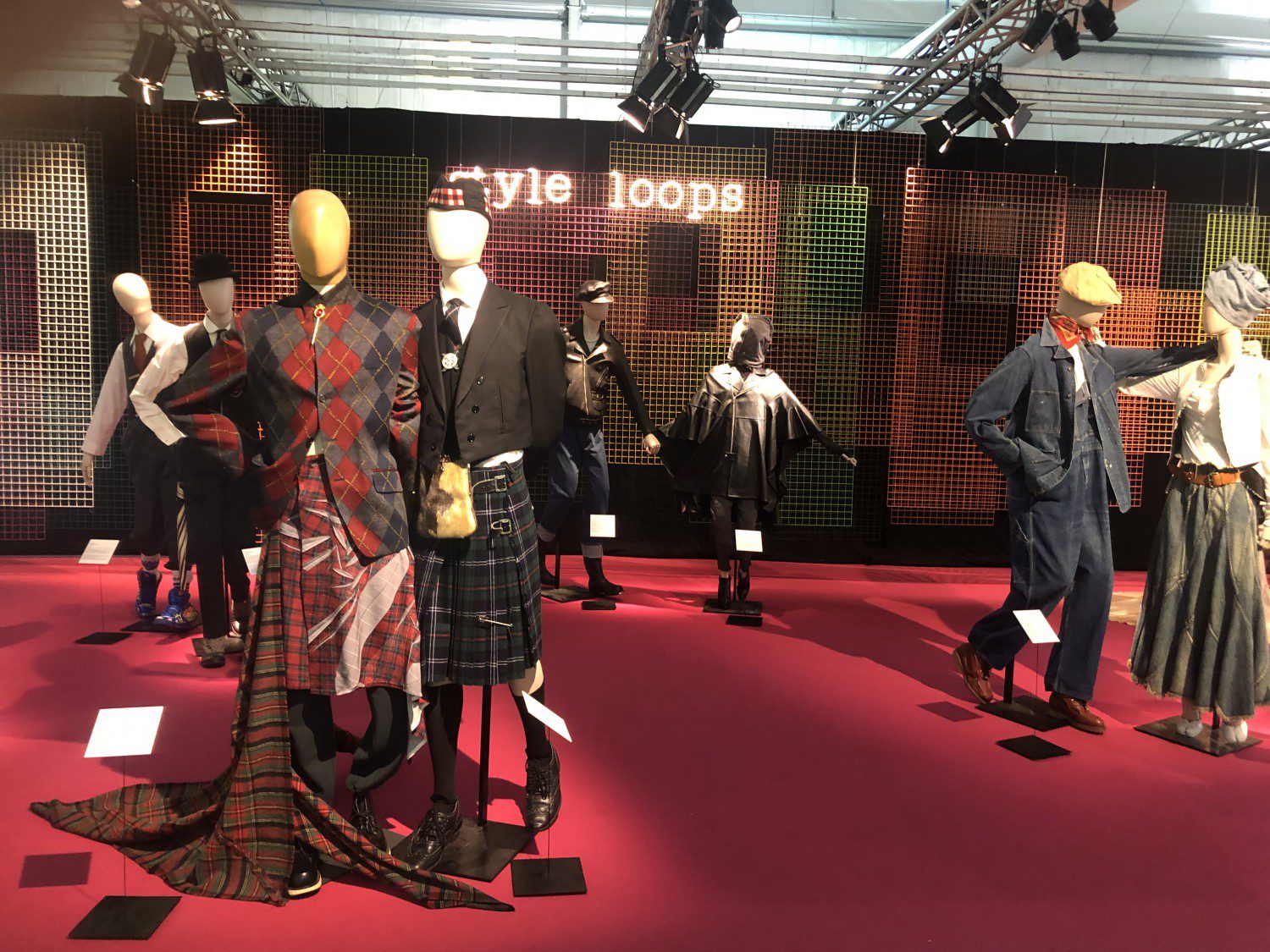
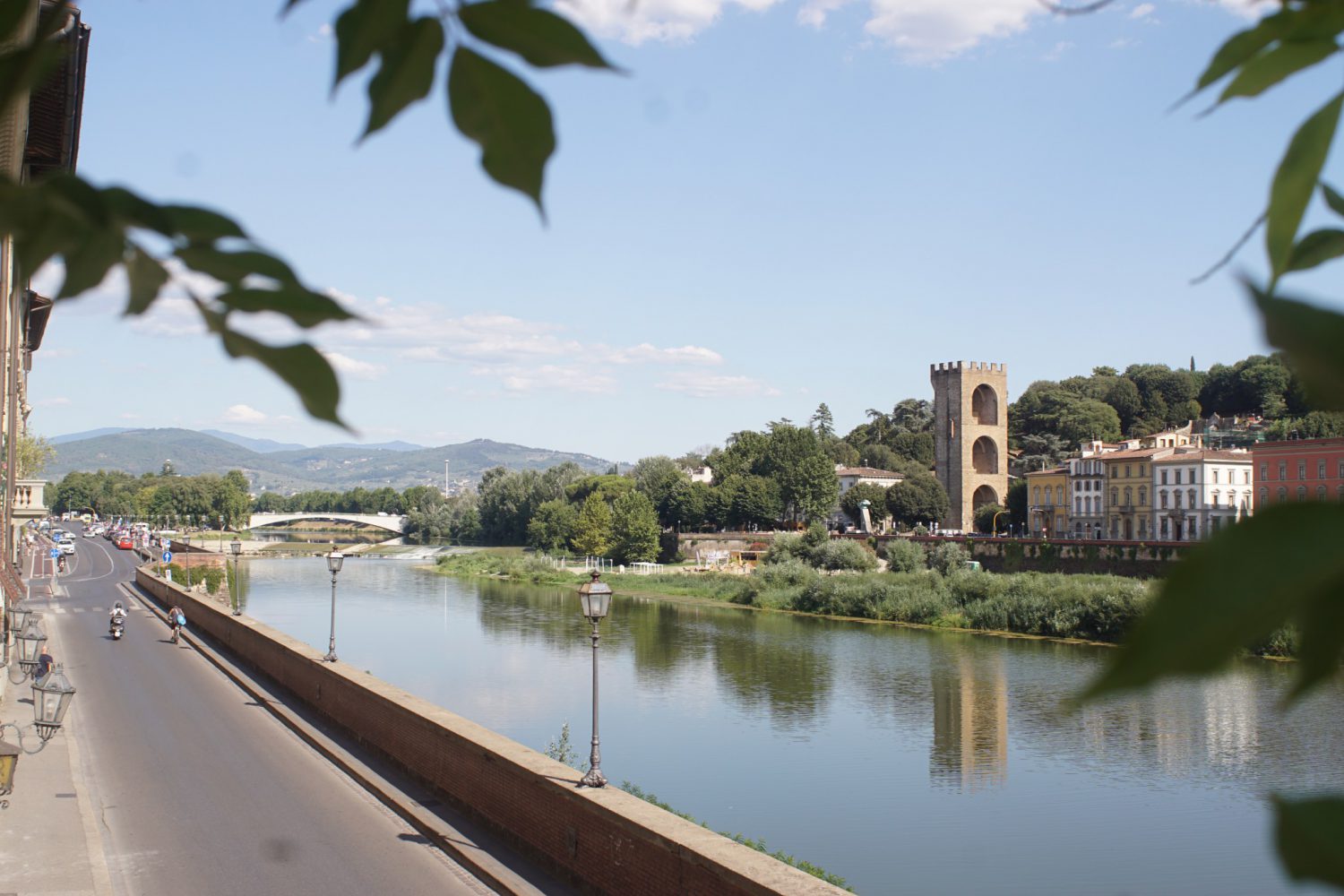
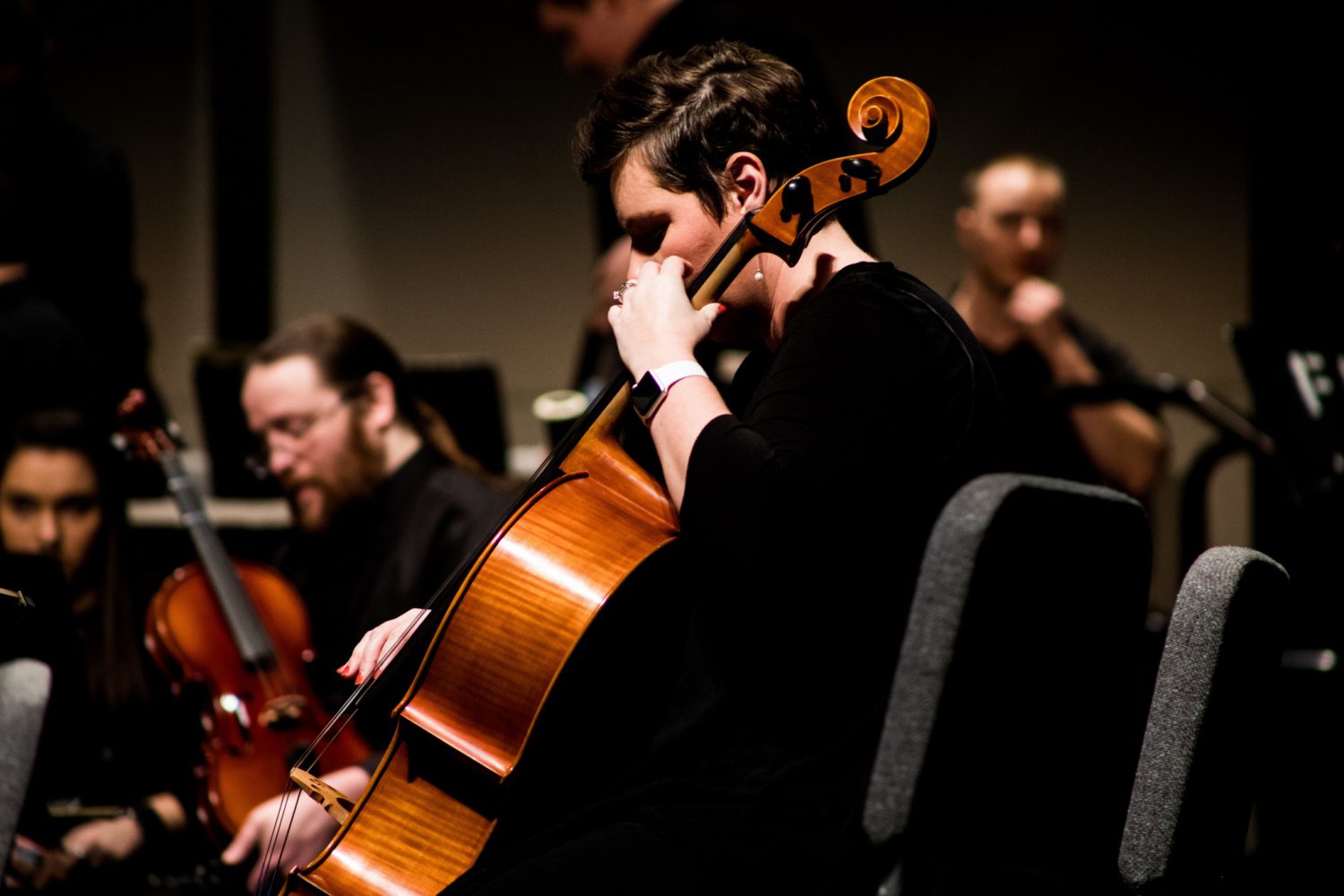
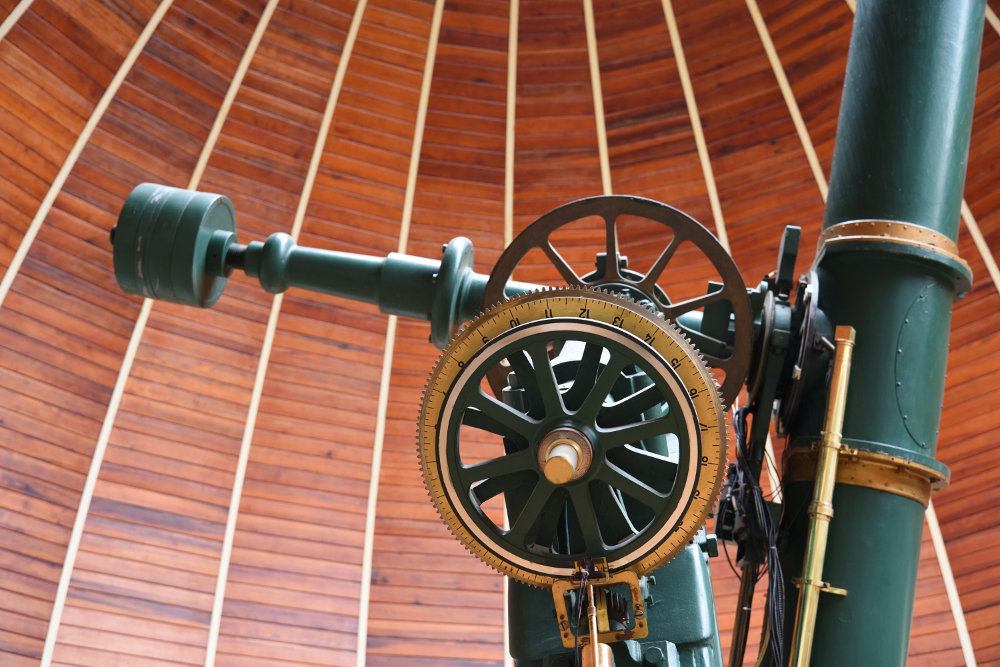
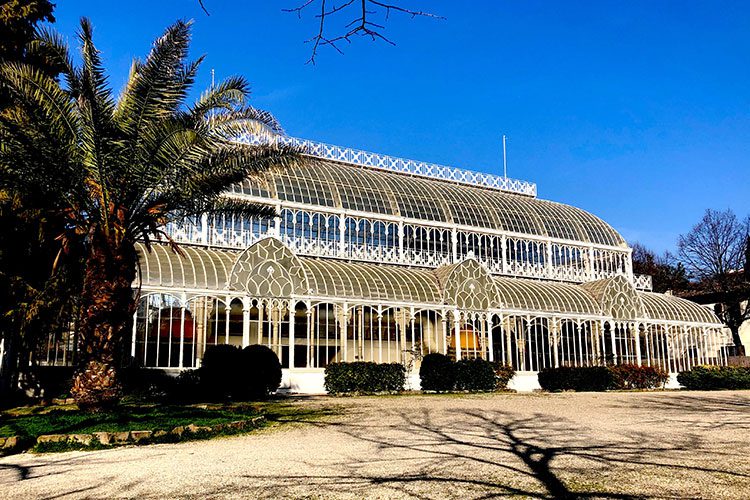
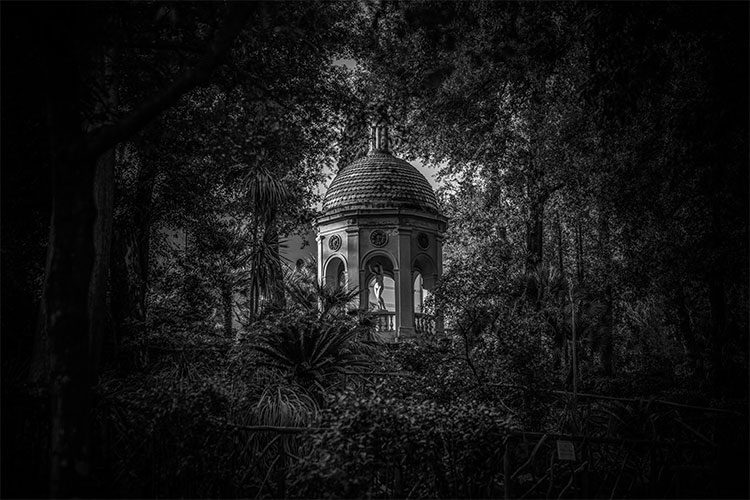
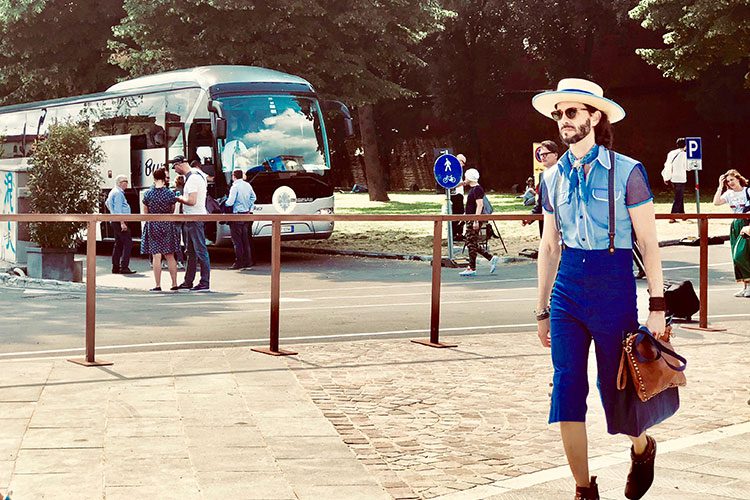 Photo by author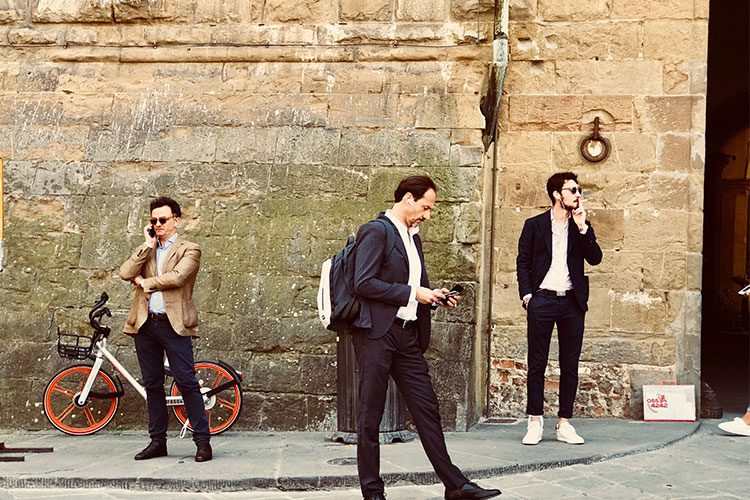
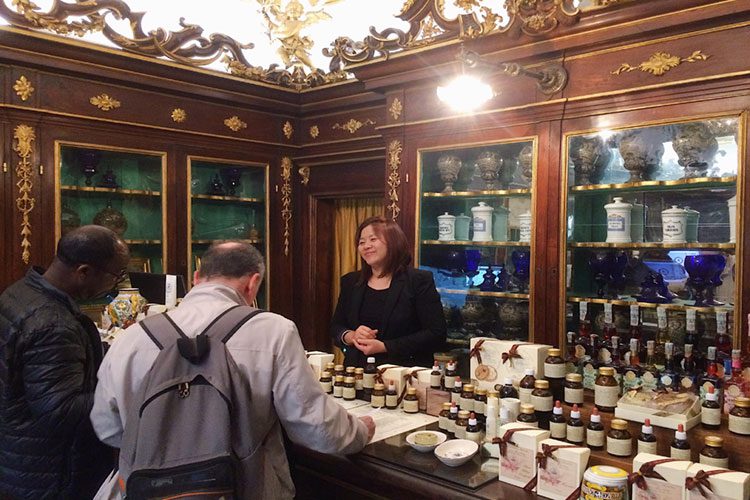 Photo by author
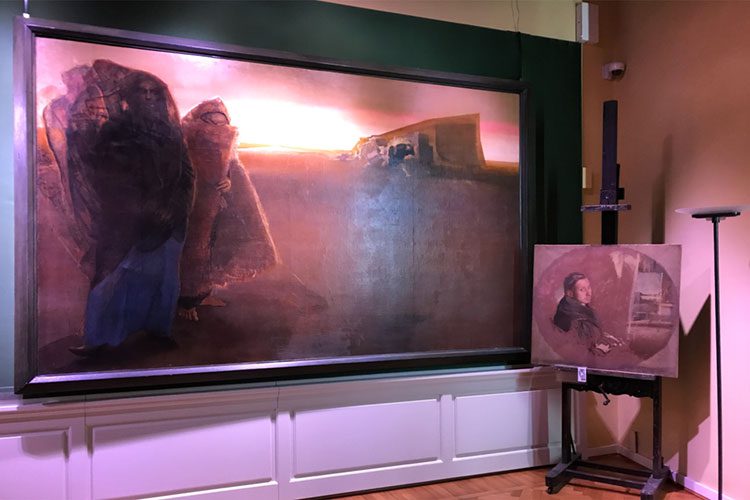 Photo by author