A trip to distant stars by way of the Florentine hills

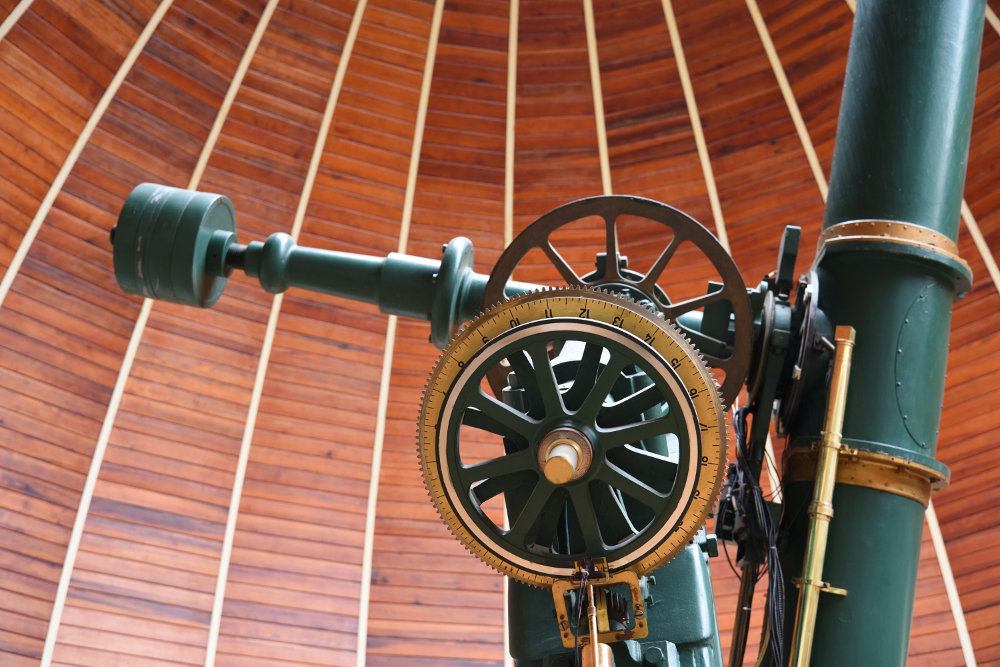
The ancient telescope at Arcetri observatory.

by Sydney Pogue
Photo by Alessandro Papi

Galileo, as many already may know, is one of the most iconic pioneers in the history of modern science, even being heralded by Albert Einstein as “the father of….modern science altogether”[1]. One of the fields most impacted by his intellectual prowess though, was that of Astronomy. In this subject, he ended up disproving Aristotle’s theory that the moon had a smooth and perfectly spherical surface, revealing how it was instead riddled with craters [2]. But his most famous discovery was what changed the scientific world; that instead of the Sun and celestial objects revolving around the Earth, the Earth instead revolved around the Sun⁠— a concept which is otherwise known as “heliocentrism”[2]. After sharing evidence supporting this new revelation to the public, the Roman Catholic Church condemned him to live out the rest of his years on house arrest in a small villa in Florence[3].

Continue reading A trip to distant stars by way of the Florentine hills

A Day in the Knight’s Garden

by Katie Weiler

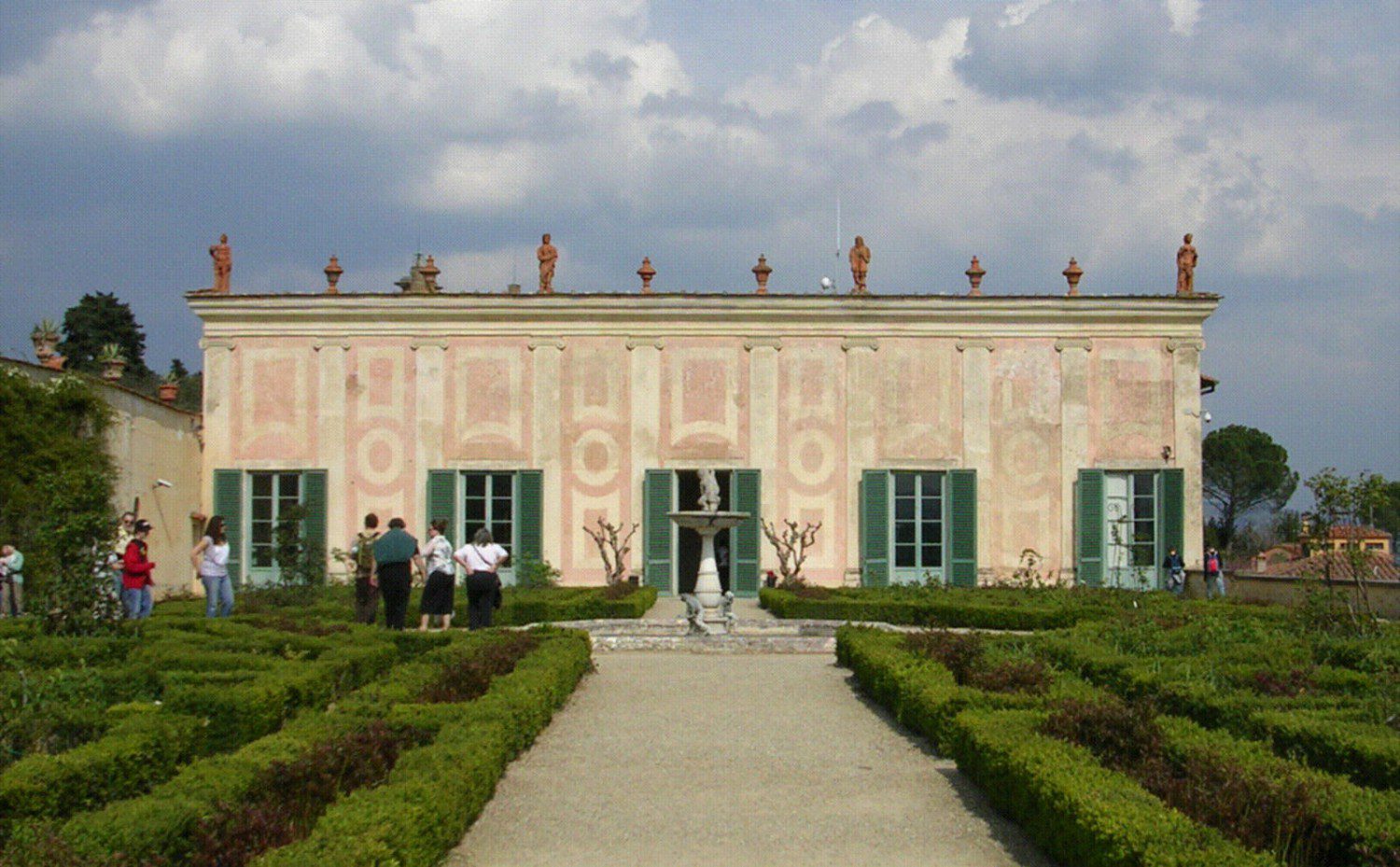
Walking the streets of Florence can uncover many different experiences, the Giardini di Boboli evoke a similar idea, as down every pathway are new and exciting sights. My favorite place I encountered is known as the Knight’s Garden.

While heading towards this spot I was encouraged to continue going up, past all the tourists that crowded around the bottom and up to one of the highest look out points. After venturing off to the side and up a small spiral staircase I encountered wonderful views, but not the ones I was expecting to see. While I saw the mesmerizing familiar city line, the garden offered something else too.

The Knight’s garden, a rooftop garden above the fountains and ornate decorations, is a stepping stone between historic Florence and the surrounding Tuscany countryside. The hills beyond the garden flow freely as you get a panoramic view of the cypress trees and olive groves. Sometimes, if the signs and food doesn’t remind you you’re in Tuscany you would never know, but here up above the city you are reminded by the colors you see in the hills. 

You can spot many Italian villas nestled right between the hills where you can imagine the simplicity only such a retreat can offer. It’s a simple escape from the city, where you are connected to Tuscany and the magnificent city of Florence all at once. The view will remind you that there is plenty more of Italy to uncover as well.

The walls supporting the Knight’s Garden were made by Michelangelo in the 1500s. When they improved the Gardens, they created a villa for a knight, currently the Porcelain museum, and they added the gardens as well. Beneath the gardens there is an irrigation system that helps to water the many greenery spread around the hillside, it’s invention was one of the firsts of its time. Standing in a space that was so integral to this society was humbling.

The plants surrounding the rooftop were not in full bloom, but they were taken care of with precision, the gardeners just waiting for the spring to approach and with it the new blossoms.

The fountain in the middle of the square was also adorned with statues of monkeys, adding a mystic vibe to the scene. 

Standing in the middle of such a unique place, I never wanted to leave. When it finally became time to make the descent down through the rest of the gardens I thoughtfully said my goodbyes to the panoramic view of Tuscany and parted towards the city once more.

See more of Florence and Italy at FUA’s FBInstagram, and Twitter.

Artistic Metal Keys: The Truth Behind Every Locked Door in Florence

By Alexa Stiles
Photo by author

Finding the balance between appreciating detailed Italian pieces of metal and fighting the urge to throw away the key.

Upon my arrival in Florence, I was instructed to check in at the table my program set up in the airport in order to receive the keys to my apartment. Although the many hours of packing before leaving the United States combined with jetlag left me little time to ponder over being responsible for my own set of keys, it did not take long for me to realize that these little pieces of metal were what distinguished me as being a resident of Florence for the next couple of months.

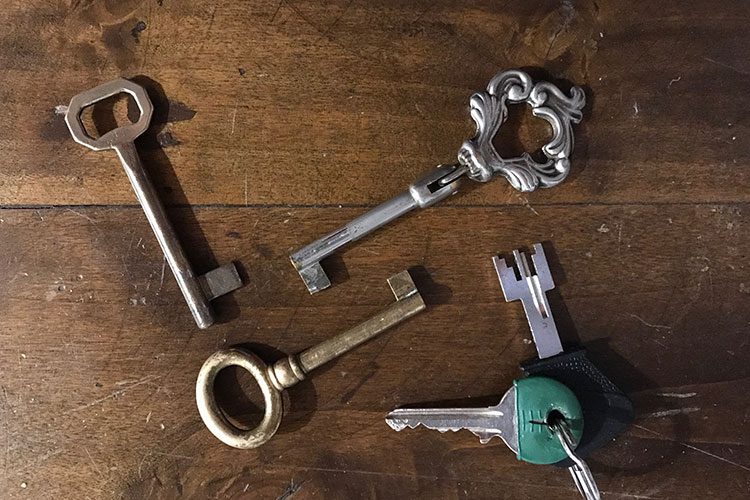
Fast- forward to a couple of days later when I discovered that old, intricate metal keys were the only way to navigate through my apartment. Not only did I have two keys, which I used to fumble my way into my apartment everyday for the first month, I had a key to access the wardrobe in the living room as well as two other keys that allowed my roommates and I to enter the outdoor patio that is conveniently attached to our apartment. Those keys tended to be temperamental, so I had to choose which one I would use to fight with while going to war with the lock and door. In fact, all of them were a bit temperamental. Or maybe it was because they were placed in the hands of someone who has been swiping their ID into dorms and classrooms for the past three years. Either way, these old style keys are difficult to use on outdated pieces of furniture, so what was once thought of as unique additions to the apartment are now objects of frustration and annoyance.

Metal is largely part of the artwork here in Florence as it is seen welded into sculptures, onto the doors of apartments, or as rustic objects in older apartments, including the keys. I either find myself trying to embrace the old Florentine lifestyle with old keepsakes because these objects are actually beautiful pieces of history, or find myself on the verge of throwing down the keys that will keep me locked out of my apartment until used correctly.

See more of Florence and Italy at FUA’s FBInstagram, and Twitter.

The Power of Disconnecting

By Murphy Thompson
Photo by Qin Quan Lin

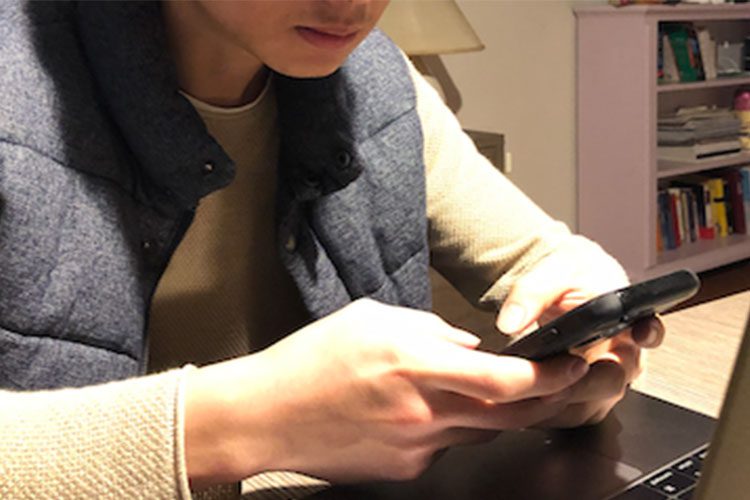
As my plane landed in Florence, I immediately reached for my phone to switch it off airplane mode. To my initial horror, it read “No Service”. A wave of panic rushed over me as I attempted to calculate the texts I would need to send and the posts I would need to like. As I sat in the cab to my new apartment with an unusable phone, I began to truly see and appreciate Florence.

The prioritization of social media drastically takes away from living in the moment. Frequently, I catch myself scrolling through my phone rather than being present. Checking Instagram appears to be therapeutic: you check it when you’re happy, sad, and anything in between. It is harder to concentrate on one task with the temptation of social media within grasp. I am not blind to the fact that this social mutation is detrimental. The misconception is that individuals think they cannot live without connection to social media. The lack of mindfulness is where people go astray; however, the moment at the Florence airport was a wake up call.

Since arriving in Florence, I have noticed that I am checking my phone less. Maybe it’s due to the lack of service, but my mind seems lighter and less worried about what others are doing or posting. In hindsight, social media created an anxiety and fear of missing out. For me, once the step had been taken to disconnect from the virtual world, it was much easier to appreciate what was in front of me.

See more of Florence and Italy at FUA’s FBInstagram, and Twitter.

Permesso di Soggiorno (Permit to Stay)

SPEL Photography student Donald Blair shares his experience at the Questura in a photo story. 

All photos by Donald Blair

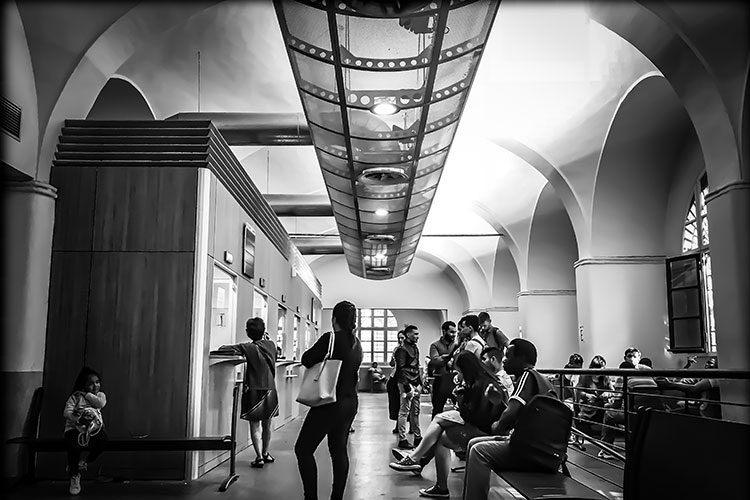
Getting your permesso di soggiorno in Italy means waking up early!
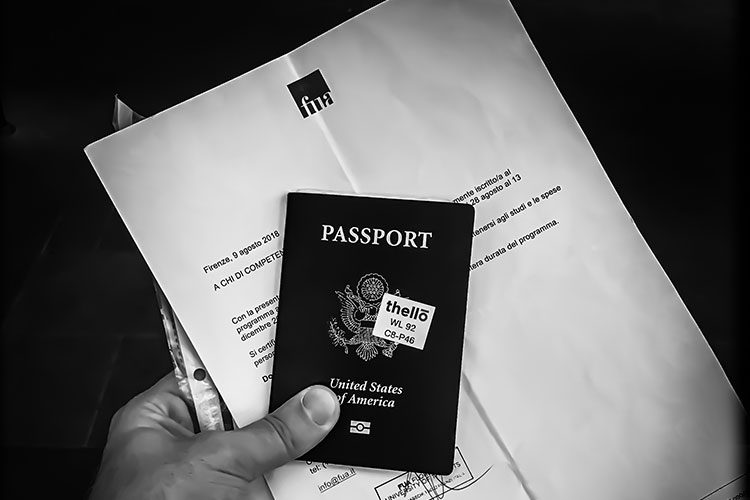
Don’t forget your passport.

Have a seat, bring a good book, and don’t forget snacks!
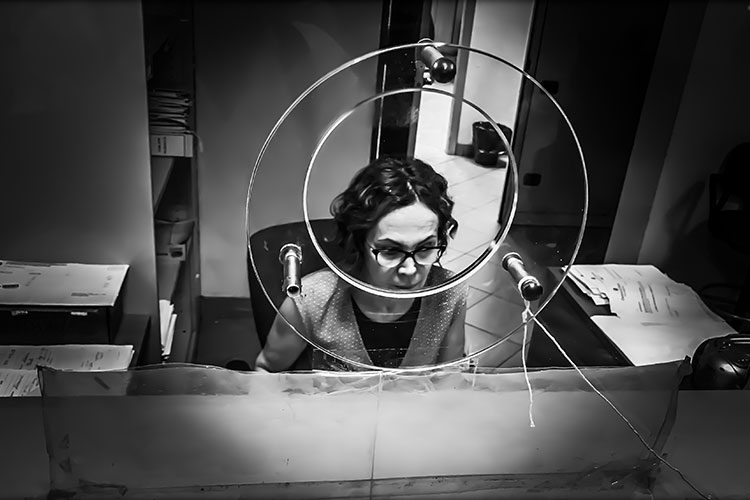
Wait your turn, and be kind.

Once your fingerprints have been taken, you’re all set.
See more of Florence and Italy at FUA’s FBInstagram, and Twitter.

A Ghostly Side of Florence

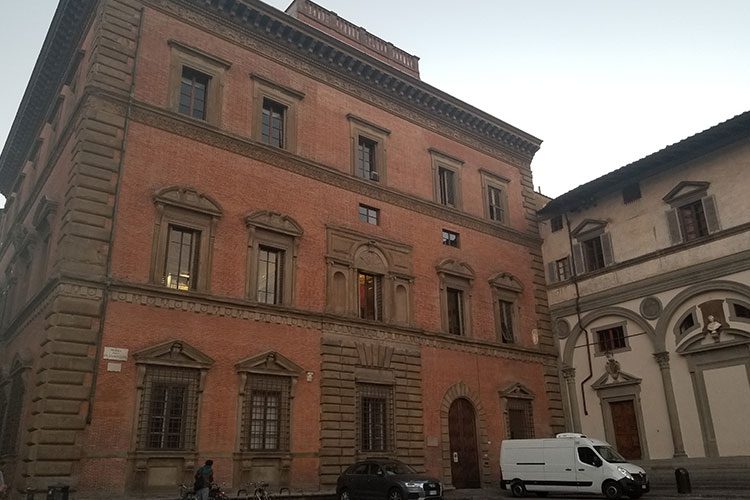
Palazzo Budini-Gattai and the open window

Photo by author
By Barbara Carranza

SPEL Journalism student Barbara Carranza gives us paranormal suggestions for an alternative tour of Florence.

I’ve had a life-long fascination with the paranormal; just ask my family members or friends. When I arrived in Florence, one of the first things I searched up was if the city had any reported haunted sites that I could visit. With Florence being ancient and enriched with history, of course I wasn’t let down.

The fall season has descended upon us, and with the temperatures dropping, what better way to spend your nights than reading scary stories and strolling through the streets to check out some of Florence’s darkest legends and mysteries?

  • Palazzo Budini-Gattai

If you’ve been to the Piazza Santissima Annunziata, you’ve seen the Palazzo Budini-Gattai. A red brick building with three floors, it was constructed in the 16th century by the Grifoni family and eventually came under the ownership of the Budini-Gattai family. The legend attached to this place is in the far right window on the top floor. It is always open, even when it rains. The reason for this is because the ghost of a noblewoman is still waiting for her husband to return from war. They had just married when he was called for battle, and the young lady waited by the window so she could see him return, but he never did. Heartbroken, the woman became attached to the room and the window until she died. When the shutters were finally closed, an unnatural force moved the furniture and threw books off the shelves. The chaos didn’t stop until relatives reopened the window – and so it has stayed open, never to close lest someone wants to risk angering the ghost.

Located in Piazza Santissima Annunziata, on Via dei Servi, 51.

  • Pensione Burchianti

Located less than a 10-minute walk from the Duomo, the Santa Maria Novella train station and the basilica it is named after, Pensione Burchianti is a 3-star hotel that is situated perfectly for tourists. Open since 1919, the hotel has garnered a quality reputation for housing celebrities, politicians, and poets over the years, including an alleged visit by Fascist dictator Benito Mussolini. However, guests might find themselves not the only ones residing in their suites. Among the reports of unexplained events, paranormal stories in the hotel includes hearing children skip down the hallways, the feeling of being watched, the sensation of icy cold breath being blown on people’s faces, and sensing the mattress dip as if someone was sitting on it. If that doesn’t scare you, there is also the Fresco Room where people have seen a pink, translucent figure. The owner of the hotel refuses to stay overnight, so if you’re brave enough to do it, make sure to record your stay because you might capture something!

Located on Via del Giglio, 8.

  • Palazzo Vecchio

Find yourself wandering by one of the Florence’s most recognisable landmarks at night? Here are a couple words of advice: don’t yell out Baldaccio d’Anghiari’s name. Palazzo Vecchio, and the Piazza della Signoria in general, have witnessed so much blood spilled on its pavement over the last 600 years. For example, the hanging and burning of Friar Girolamo Savonarola in 1498, an event that is commemorated in a plaque positioned on the exact place where he was executed. But did you know of the mercenary Baldaccio d’Anghiari? In 1441, he was wrongly accused of treason and killed in the Palazzo Vecchio. His body was thrown out of a window and dragged across the Piazza where his severed head was put on display. It’s now said that his ghost roams the premises of the Palazzo; sounds of footsteps can be heard when it closes for the day and all the tourists have left. Do not yet his name and avoid saying it out loud for no reason. If you decide to address him, you must speak respectfully in a low voice.

Located in Piazza della Signoria,
Opening hours 9am-7pm Monday-Sunday, 9am-2 pm on Thursdays.

See more of Florence and Italy at FUA’s FBInstagram, and Twitter.

The Magic of Biblioteca delle Oblate

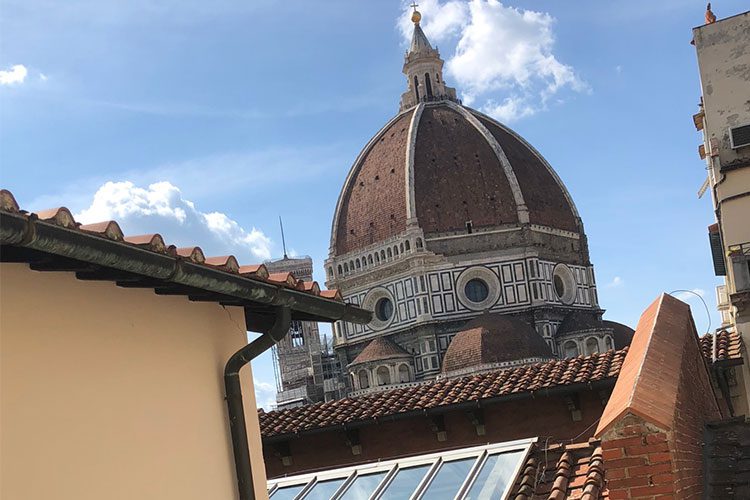
View from the terrace of Biblioteca delle Oblate
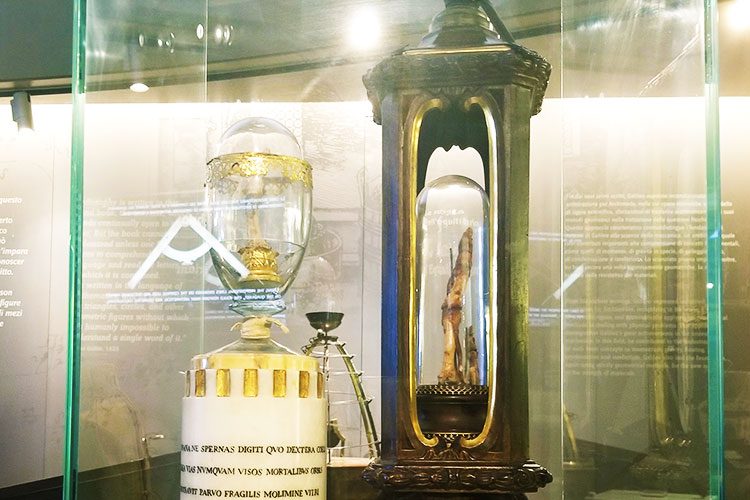
Photo by author
By Danika Clark 

FUA student Danika Clark shares her favorite study spot and culture hub within the first week of school.

Libraries. Some love them, some hate them, but we all have to use them. In Florence, the library is the center of all the action. Students from all over the world come here to study or socialize and it is the perfect place to make new friends.

This is the view of my new favorite spot in Florence. After spending the first week in awe and enchantment while exploring the city, homework and school quickly catches up to you here. Roaming the campuses of FUA, I’ve discovered some incredible study spots, but I found my favorite one right down the street from The Duomo.

If it is your first time, this public library can be quite intimidating. It is so large and under some major reconstruction. When arriving, I was a little embarrassed wandering through the narrow empty halls and trying to find out where the crowd was. So, as your new Florence tour guide, I have suffered through it and have taken notes to help guide you to my favorite spot.

To get to the rooftop terrace at Biblioteca delle Oblate, head to Via Dell’ Oriuolo and walk through the gardens in the entrance. Once you’ve reached the main building, take a left. Go through the sliding doors into where the main lobby is and find the elevator. Head to the second floor, walk out of the elevator and straight ahead you will see a gorgeous outdoor patio. This is my favorite spot, overlooking The Duomo.

It is bustling on the patio, with students from all over the world. It can be the perfect place to make friends or to reflect alone. In addition, the inside of the library tends to remain quiet, so if you’re in need of a silent study session, it is a great escape.

In conclusion, if you’re looking to make friends, explore Florence, or study, I could not recommend this library enough. The breathtaking views are worth the visit in and of itself.

See more of Florence and Italy at FUA’s FBInstagram, and Twitter.

Catching Galileo’s Middle Finger

Galileo’s middle finger

Photo by author
By Barbara Carranza

SPEL Journalism student Barbara Carranza explores the unusual at the Museo Galileo.

Though I’m not a science major, I was still interested in visiting the Museo Galileo. Not necessarily due to the scientific and technological instruments that have been collected and conserved, but that they literally have Galileo’s actual middle finger on display.

The story behind how it’s even possible to view this ancient middler finger (and it’s not alone; there’s also an index finger and a thumb, all from his hand) is one that spans almost three centuries. Galileo may now be referred to as the “father of modern science,” but the last years of his life were marred with controversy. He went against the teachings of the Catholic Church by supporting Heliocentrism, which states that the Sun, not the Earth, is at the centre of the universe. The subsequent inquisition in 1633 found him guilty of heresy. He was sentenced to house arrest that lasted until his death nine years later. The Church initially refused to honour him with a tomb, so Galileo’s family buried him in an unmarked grave outside the Basilica of Santa Croce. This decision was reversed in 1737, when he was deservingly built a tomb inside the basilica. It was during the process of reburying the cadaver when a man named Anton Francesco Gore reportedly removed three fingers, a tooth, and a vertebrae. Passed down through the generations of his family, the body parts disappeared in the early 20th century. Then in 2009, they surprisingly reemerged in an auction.  They were brought to the Florence History of Science Museum, now known as the Museo Galileo.

The museum, which sits right next to the Uffizi Gallery, dedicates its priceless collections not only to the instruments that Galileo used for his groundbreaking discoveries, but also equipment that was assembled by the Medici and Lorraine dynasties. It is in the Medici collection where the famed middle finger and the other two digits are.

When you enter the room, you are greeted with Antonio Santucci’s enormous armillary sphere, walls of other smaller spheres depicting a map of the Earth, and a regal marble bust of Galileo holding a geometric compass and a telescope. Walking past the bust, you will see the ancient fingers in egg-shaped glass shrines. It is perched up high on a pillar, the bones visible as it points up towards the sky. Looking at it at a first glance, I thought it was kind of gross that a museum would exhibit human remains, even if they belonged to a genius like Galileo. But the longer I looked at it, bringing my face as close to the glass as I could manage to examine the decaying texture of the fingers, the more I became captivated by it, just like the other visitors around me. We were, after all, seeing the real human fingers that once belonged to someone who lived 376 years ago. And not just any anyone, but someone who revolutionised science as we know it.

I think everyone should pay a visit to the Museo Galileo, even if the history of science might not sound particularly interesting. The museum provides a close personal look at thousands and thousands of artefacts that have all contributed to the evolution of science, physics, mathematics, astronomy, and technology. Despite not entirely understanding what exactly I was seeing, it was an intriguing experience overall, especially observing the fingers that Galileo used to hold his telescope as he uncovered that Jupiter has four moons.

Museo Galileo is on Piazza dei Giudici 1, open Monday, Wednesday through Sunday from 9:30am to 6pm. Open Tuesday from 9:30am to 1pm. The price for admission is 10 euros, and there is no need book a tour in advance as the wait lines are short. 

See more of Florence and Italy at FUA’s FBInstagram, and Twitter.

The Fascinating Garden of Villa Stibbert

By Donald Blair
All photos by author

Photography SPEL student Donald Blair explores the beauty of the Villa Stibbert garden.


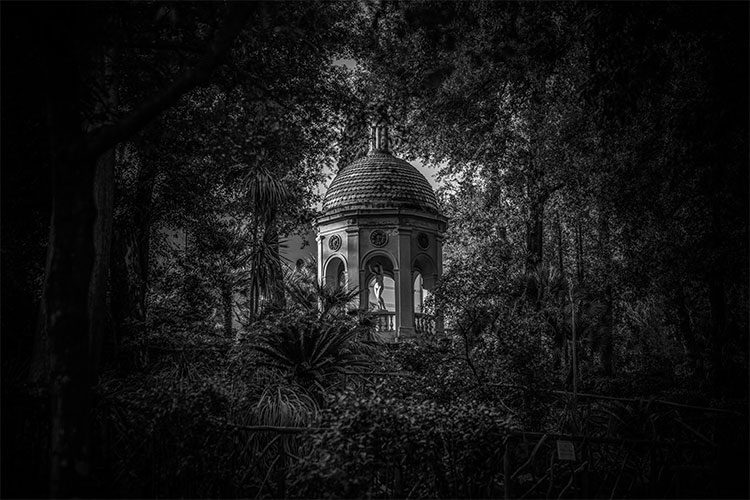
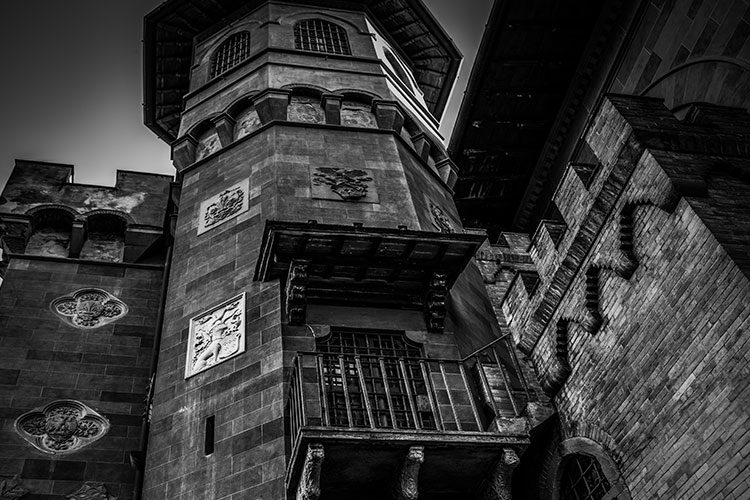
Gazebo in the garden.

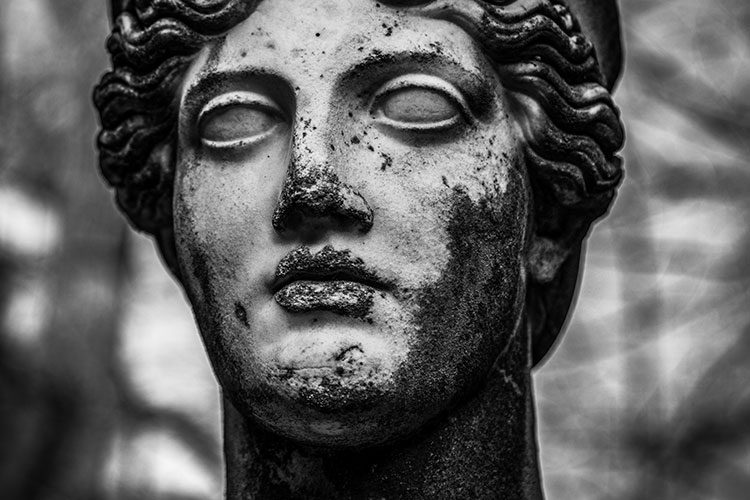
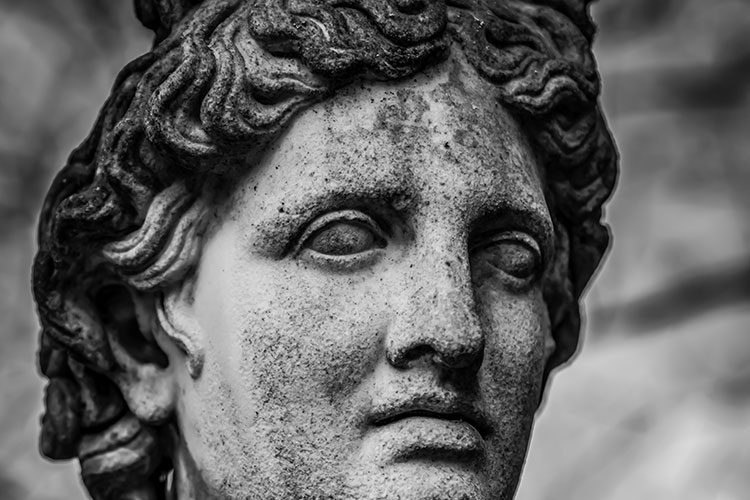
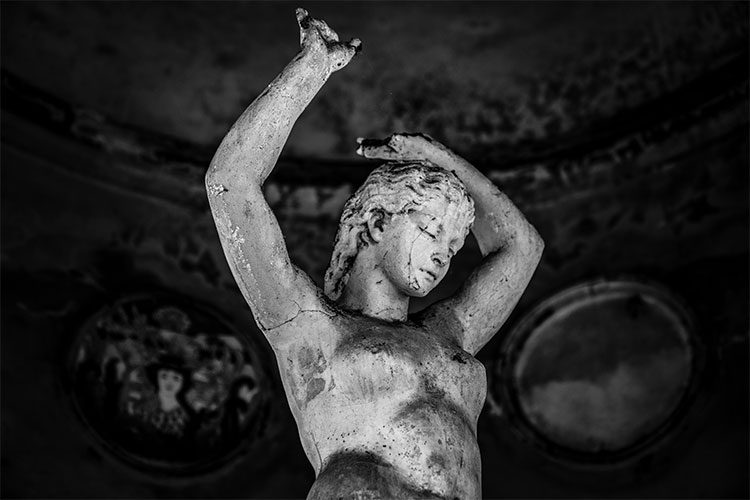
This Stibbert garden sculpture has a ghostly presence as seen by the weathering of her face.

This is one of the many pieces of art one can discover by exploring the area.
 Statue inside gazebo.

Stibbert Garden is designed in the English Garden tradition, allowing one to walk around and discover the art and beauty of the garden’s landscape.

See more of Florence and Italy at FUA’s FBInstagram, and Twitter.

Espresso Yourself Through Painting


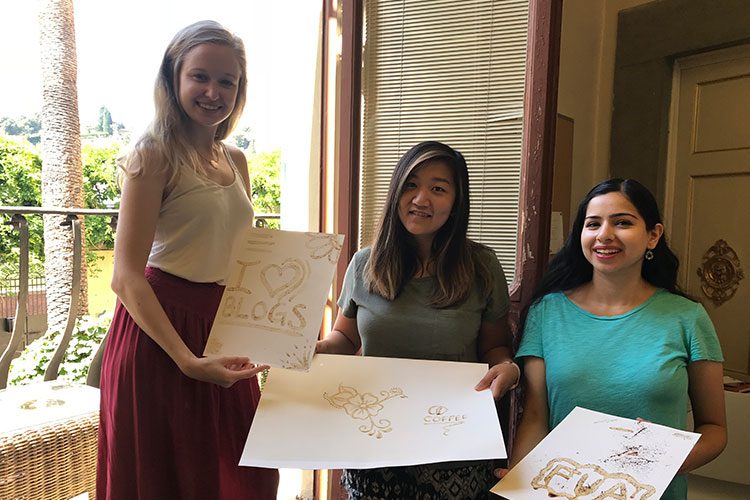
Experiential Learning students Madison Argo, Lia Butterfield, and Guneet Singh.

By Guneet Singh
All photos by author

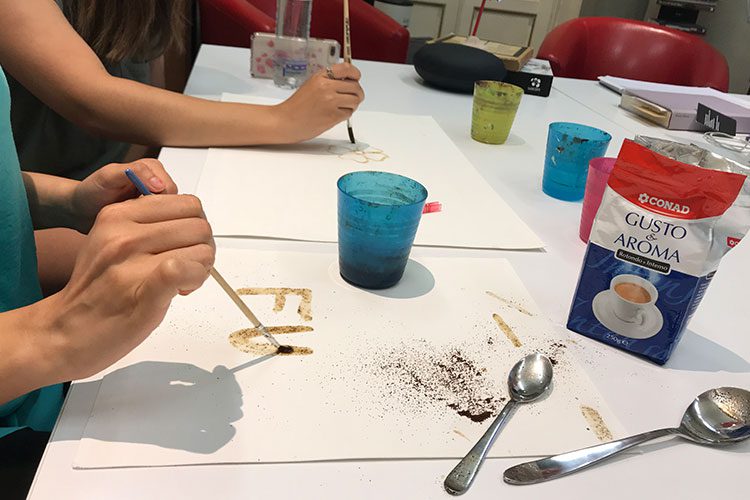
Journalism student Guneet Singh teaches us how to paint with coffee.

If there’s one thing Florence has a lot of, it’s coffee. You’ve seen the cafes lining every street corner. You’ve noticed the restaurants and even the gelaterias with dozens of coffee options to choose from. But coffee is more than just a caffeinated drink you can use to keep yourself awake.

You can actually use it to paint and that’s what blogger and artist Maham Iftikhar does.

She combines her love for coffee with her passion for art. Her blog contains tons of reviews about different coffee places from around the world and she even teaches people how to paint with coffee. “I encourage people to overcome their fear of mistakes and paint,” Maham said.

So how exactly can you paint with your morning beverage?? Well, we tried it so you can too!

 1.Get cups of water, paintbrushes and a canvas or piece of paper ready

 2. Take some coffee powder and combine it with water. Instant coffee will get     you quicker results

3. Keep adding powder as you go. The more powder you add, the darker your   “paint” will be. Adding more water will make the color lighter

4. Be prepared to smell like coffee afterwards

So if you ever have too much coffee, don’t let it go to waste! Paint yourself a picture.

Maham also paints with wine, matcha tea and plans to use other natural materials in the future.

See more of Florence and Italy at FUA’s FBInstagram, and Twitter.