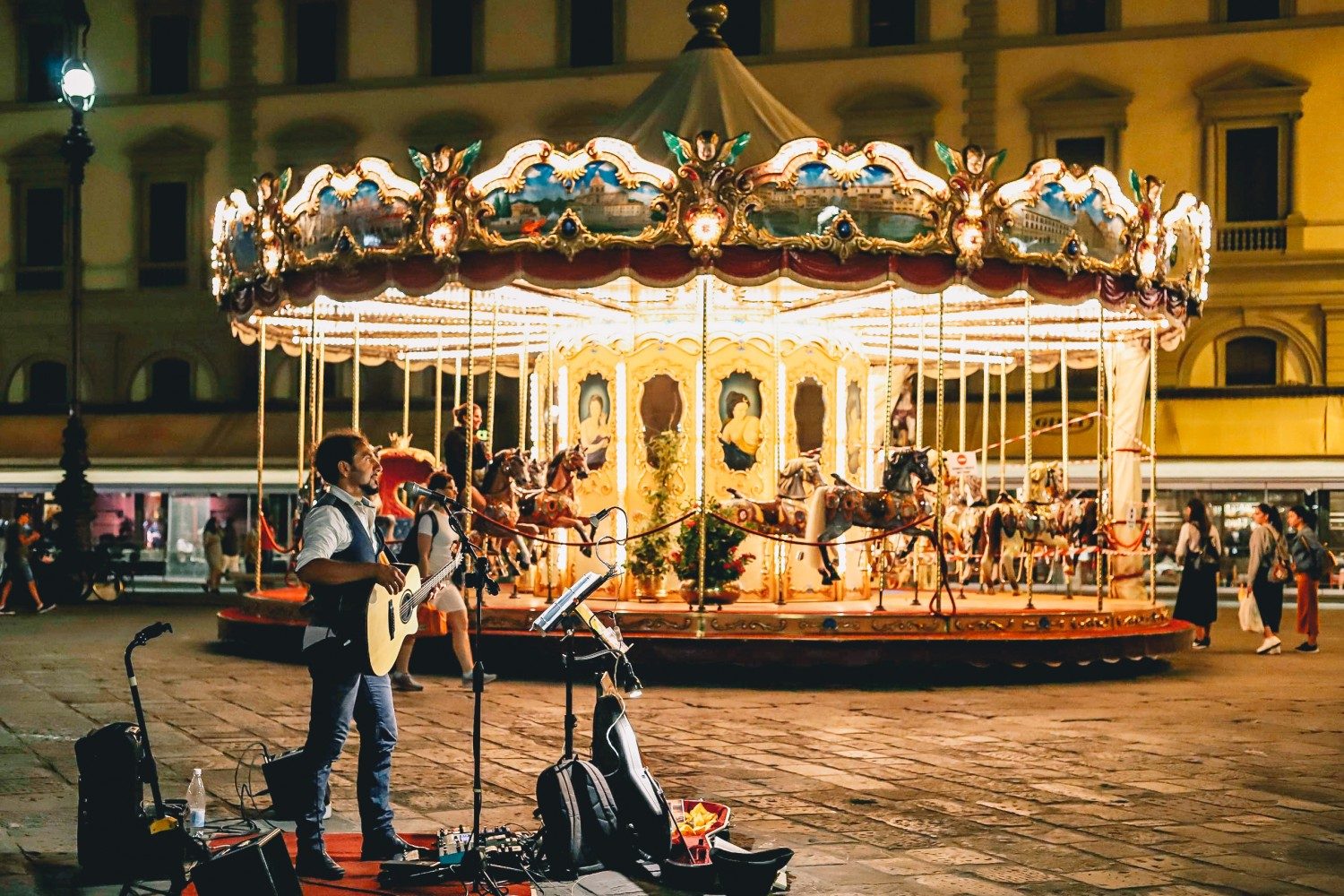
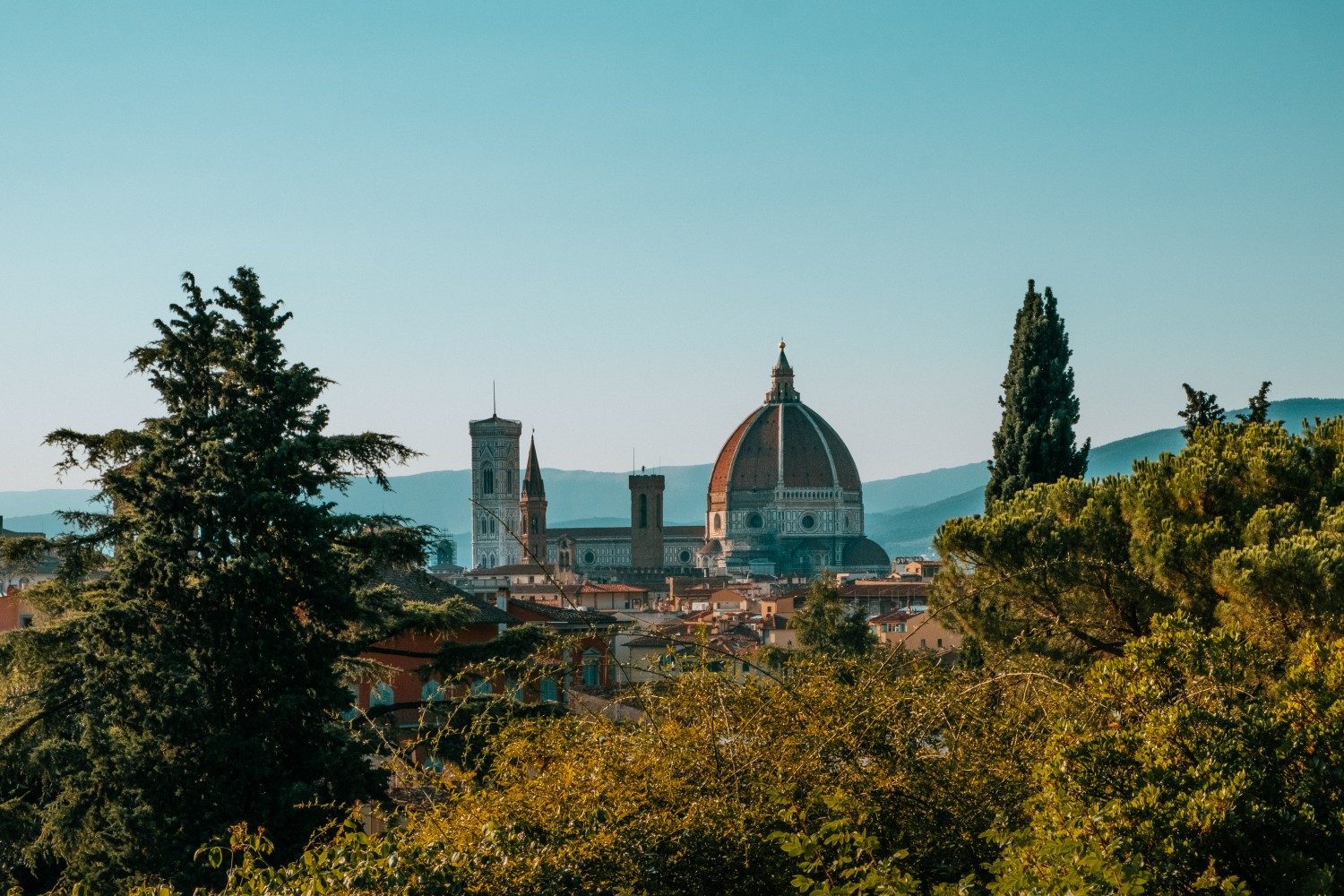
A comfort zone is a situation where one feels safe or at ease, it means settling for something we already known. It is so easy to slip into the safely of routine, but living away from home encourages you to bring change into your life – in more ways than just admiring a different scenery.
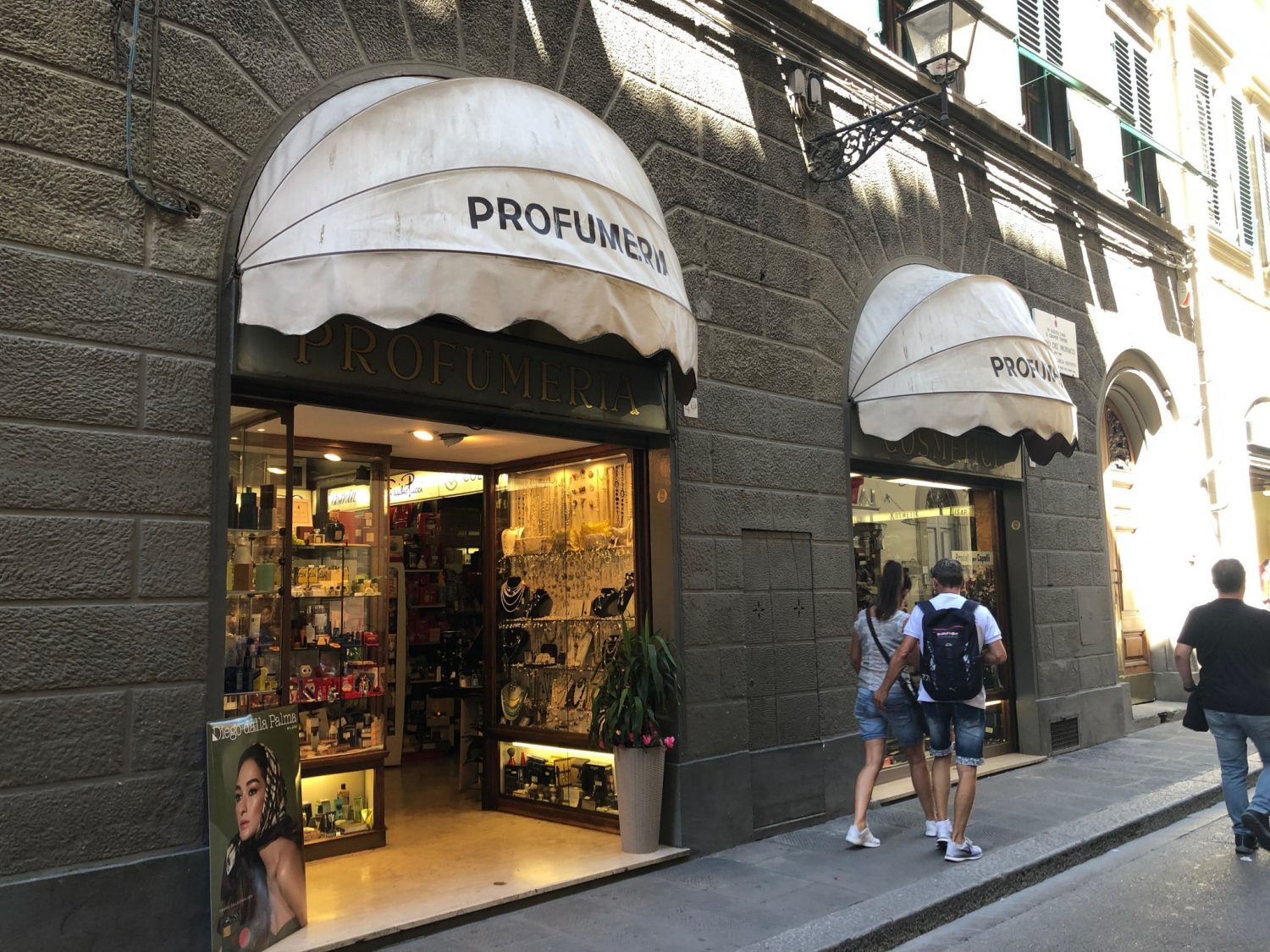
Since 1946, Profumeria Invicta on Via Ricasoli between the Duomo and the Galleria dell’Accademia is a family-run business, home to hundreds of beauty products for Florentine hairdressers, fragrance fanatics and visiting tourists.
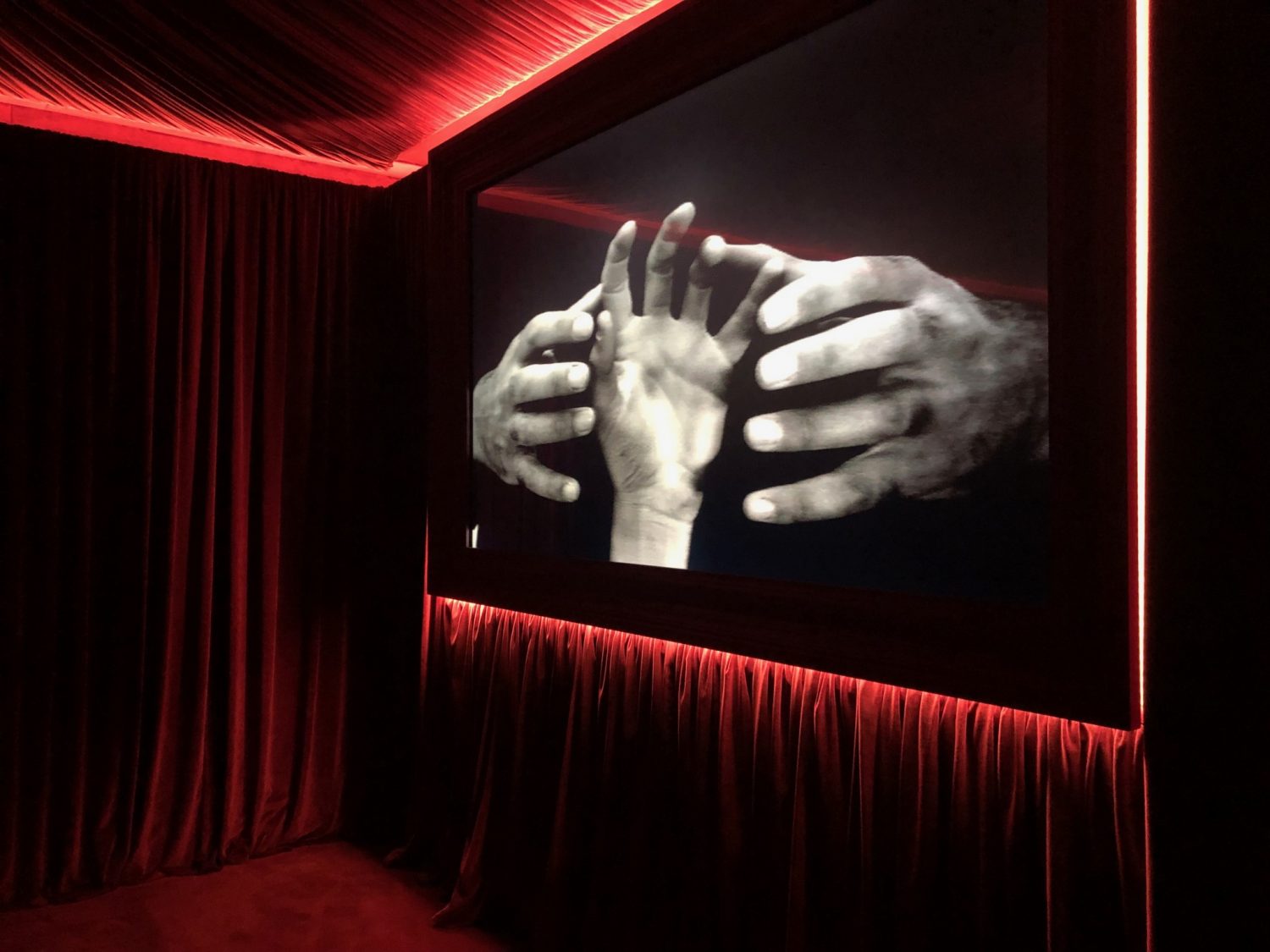
Inside the Gucci Museum, an exhibit dedicated to Italian artist Ketty La Rocca showed visitors a look into the art of visual human expression beyond verbal communication as part of this year’s L’eredita delle Donna Women’s Heritage Festival in Florence.
Social media is probably one
of my favourite outlets for not only communication, but also to platform my
thoughts and creativity. I mean how amazing is it that I can connect to family who
are thousands of miles away just by a few clicks? They can stay updated on what
I am doing in all of my posts appreciating the charming, Firenze. But now that
I am living in a town during tourists’ peak, it has made me question my
treasured social media.
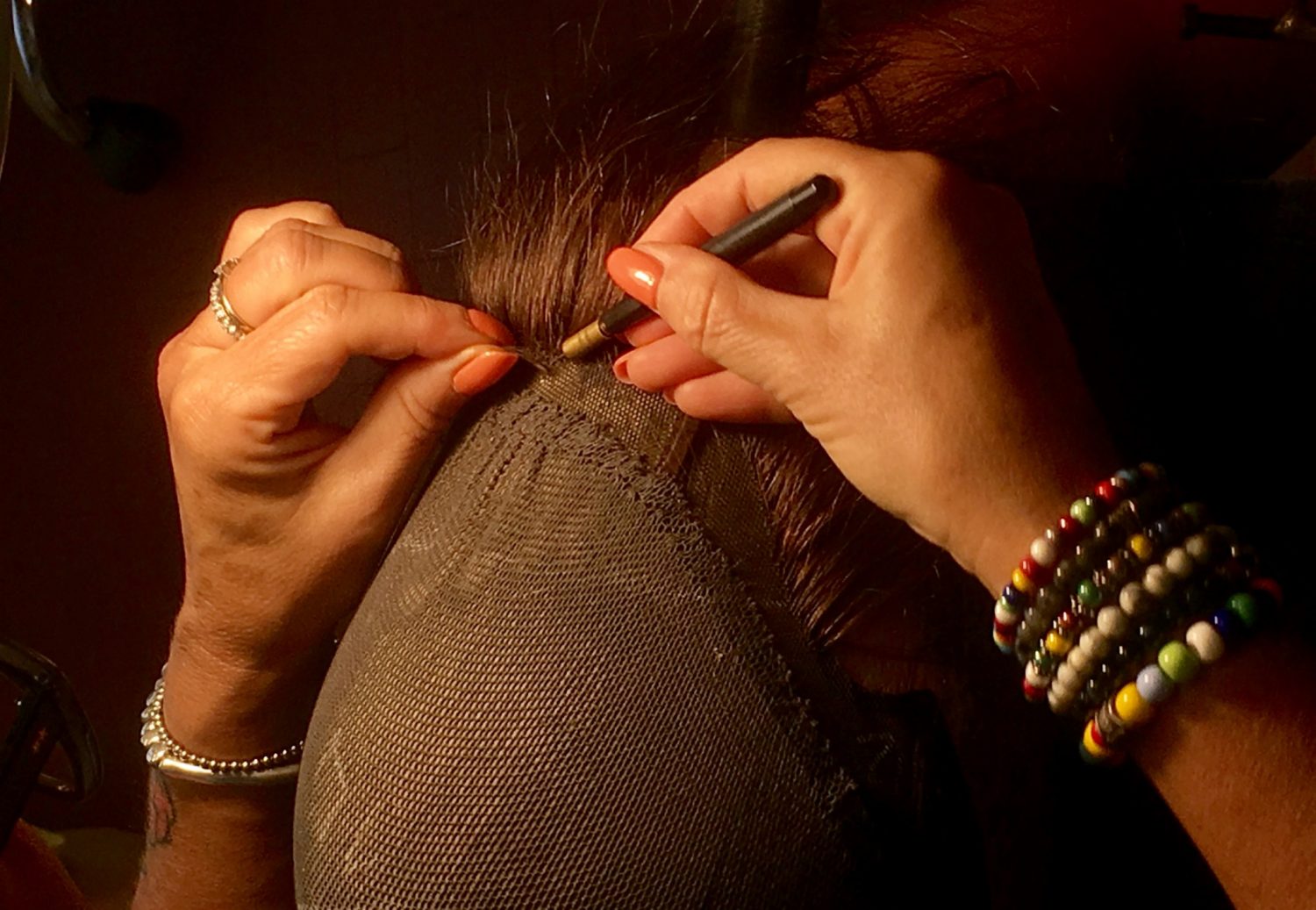
Artisan crafting a wig in the Filistrucchi workshop
By Quincey Caldwell Photo by the Author
When picturing the historic sights and spots of Florence, it is often people’s first instinct to imagine the grand churches and monuments that adorn the streets. While these attractions are significant in defining the culture of the area, they are not the only means of taking in the richness of the city’s past. For a look into a unique strain of Florentine artistry, one need not look further than Filistrucchi.
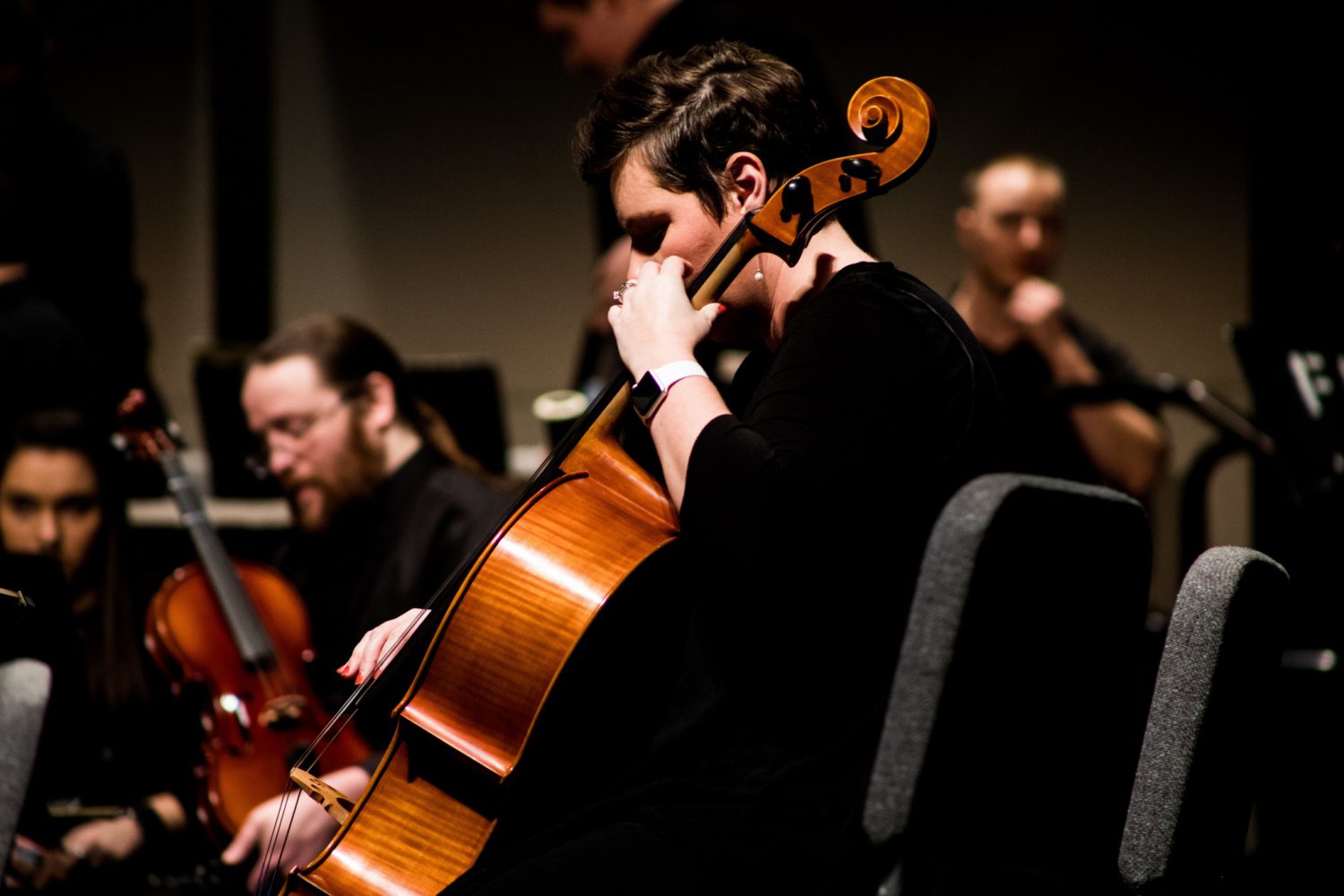
For the first time, I experienced a symphonic performance. It was held in St. Stephen Auditorium by the Orchestra da Camera Fiorentina, featuring violinists Marco Lorenzini and Kevin Mucaj. It may have had to do with it being a Florentine orchestra, but it was far more magical than what I had expected. Realistically, since having no previous experience to compare, I attempted to not have too high of expectations in case I got my hopes up. The only symphonies I’ve ever seen are in films (and I’m not really sure if that counts).
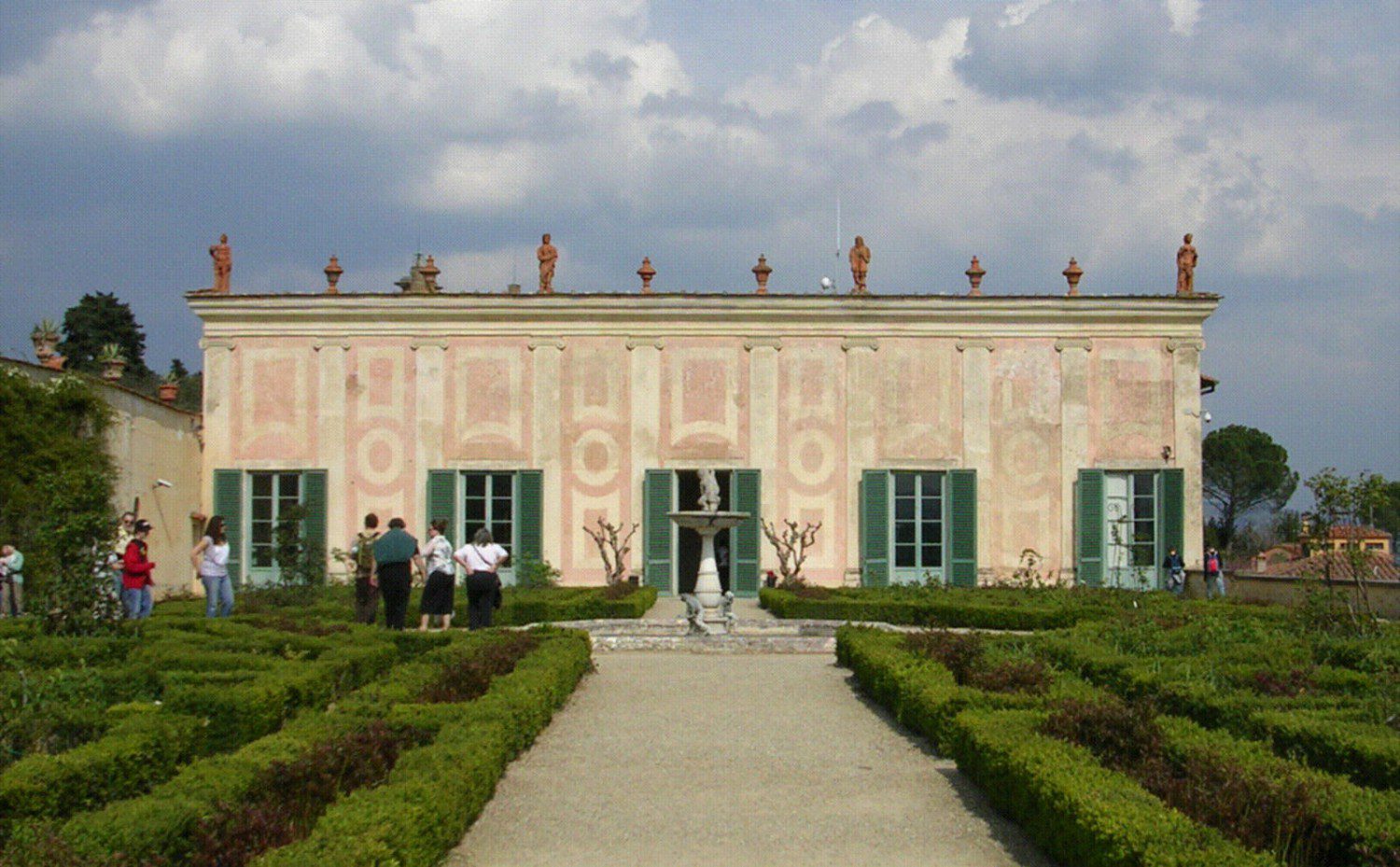
Walking the streets of Florence can uncover many different experiences, the Giardini di Boboli evoke a similar idea, as down every pathway are new and exciting sights. My favorite place I encountered is known as the Knight’s Garden.
While heading towards this spot I was
encouraged to continue going up, past all the tourists that crowded around the bottom and up to one of
the highest look out points. After venturing off to the side and up a small
spiral staircase I encountered wonderful views, but not the ones I was
expecting to see. While I saw the mesmerizing familiar city line, the garden
offered something else too.
The Knight’s garden, a rooftop garden above
the fountains and ornate decorations, is a stepping stone between historic
Florence and the surrounding Tuscany countryside. The hills beyond the garden
flow freely as you get a panoramic view of the cypress trees and olive groves.
Sometimes, if the signs and food doesn’t remind you you’re in Tuscany you would
never know, but here up above the city you are reminded by the colors you see
in the hills.
You can spot many Italian villas nestled right
between the hills where you can imagine the simplicity only such a retreat can
offer. It’s a simple escape from the city, where you are connected to Tuscany
and the magnificent city of Florence all at once. The view will remind you that there is plenty more of
Italy to uncover as well.
The walls supporting the Knight’s Garden were
made by Michelangelo in the 1500s. When they improved the Gardens, they created
a villa for a knight, currently the Porcelain museum, and they added the
gardens as well. Beneath the gardens there is an irrigation system that helps to water the many
greenery spread around the hillside, it’s invention was one of the firsts of its
time. Standing in a space that was so integral to this society was humbling.
The plants surrounding the rooftop were not in
full bloom, but they were taken care of with precision, the gardeners just
waiting for the spring to approach and with it the new blossoms.
The fountain in the middle of the square was
also adorned with statues of monkeys, adding a mystic vibe to the scene.
Standing in the middle of such a unique place, I never wanted to
leave. When it finally became time to make the descent down through the rest of
the gardens I thoughtfully said my goodbyes to the panoramic view of Tuscany
and parted towards the city once more.
In one of the first rooms of Palazzo Pitti’s temporary Animalia Fashion exhibit, there’s a small sign stating that none of the clothes on display involved harming animals. However, the sign adds, the issue is still important to consider.
The exhibit, which showcases nature’s influence on haute couture, begins in a long hallway of narrow rooms. The couture pieces were blocked from admiring viewers by velvet rope and a raised platform, transporting the viewer to the runway stages that they made their debut on.
Each room is backdropped by a cloth sketch displaying the animals that the nearby pieces were based on. With some of the pieces the influence was obvious. For example a golden snake, placed on the back of a navy gown, is clearly inspired by the animal kingdom. Othertimes it takes a little looking to realize how the piece reflects nature. This is the case with another snake inspired piece, a vest with twisting tubes that reflects the animal’s movements rather than have direct snake imagery.
The clothes are a reflection on how nature both fascinates and terrifies us, with many sources for inspiration. A bridal-style white gown has graceful curves that would perfectly reflect the moonlight that inspired it. The prickily nature of the pufferfish is seen in boldly spiked jacket. No matter which direction the inspiration came from, it’s clear that nature has an impression on fashion.
This impact is felt both ways, but it doesn’t always result in something to be admired. Many of the rooms also display stuffed birds and insects in glass, reminding viewers of how fashion can cruelly collide with the natural world. From hunting animals for prized fur to environmentally harmful factories, nature and fashion can be a dangerous combination.
The exhibit showcases hypocrisy in the fashion industry. They take influence from the beauty of nature, yet play an active part in its destruction. The message of the gallery is the same one as the sign in the front of it: it’s important to reflect on how fashion can impact nature.
Animalia Fashion will be at Palazzo Pitti until May 5, 2019.
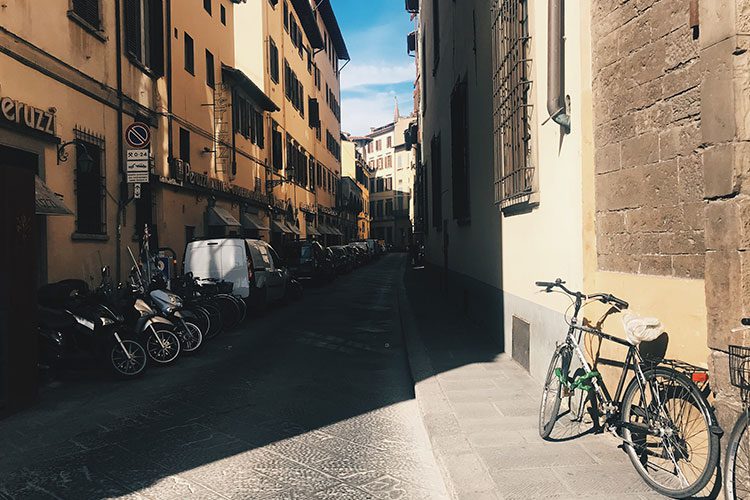
A tourist (or perhaps just me), will find it very easy to get lost in Florence.
The curved roads here are different from those back home. It’s hard to tell when the brick-lined street you’re walking on will spill into a piazza or turn into a narrow alleyway.
This isn’t something to raise alarm, it’s part of the city’s charm. After all, when you get lost you never know where you’ll find yourself.
I’ve discovered some amazing places whenever I’ve gotten lost in the city. Just this morning I stumbled into a hole in the wall with a coffee vending machine. I got myself a shot of espresso for 30 cents that was surprisingly good considering the fact that it didn’t come from a barista’s hands.
Not that you should rely on random vending machines for food or drink. If you ever get lost in Florence, try to make your way to somewhere that offers food. I usually find myself at a coffee bar, enjoying a shot of espresso and observing the city around me.
There’s a lot of activity in the streets of Florence. You’ll find cart vendors selling anything from antique books to leather goods. The many piazzas around town offer excellent places to sit and relax with your friends. To top it all off, you’re guaranteed to be surrounded by some gorgeous old-world architecture.
Of course you don’t want to get too lost. Make sure you have a cell phone with data that will help you find your way back to where you’re staying. But if you’re on your way to the Duomo and make a wrong turn, use it as an opportunity to explore somewhere new.
It might be tempting to stay in the touristy areas of Florence, but this offers only a glimpse of the city. In order to see it’s true nature without having to wait in line, walk around the city and step inside a shop that you didn’t make plans for.
It’s nice to get out of the city air every once in a while to recharge on a nice day. Luckily, I had just that in mind when I found out about the Giardino dell’Orticoltura, or the Horticulture Garden of Florence. This garden is outside of the city center and has an air of mystery surrounding it.
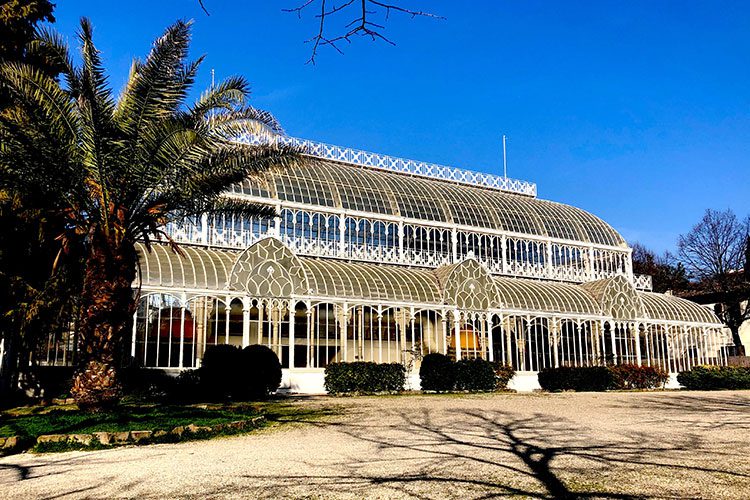
The greenhouse in this garden was built as the result of a movement for more green space in the city, and for all the nineteenth-century splendor it was built in, did not have all of the crowds I was used to in Florence. I was anxious to see what I might find and if it would even be open.
As soon as I crossed the street, I was met with the open doors of the park. It was a lot bigger than in the pictures online. After walking a lap around the garden, I sat on a bench and tried to be as quiet as I could be. I found myself listening to the birds and writing in my journal. I could hear the people reading a few benches over turn the pages to their book every now and then. Others had parked their strollers next to the benches while the children slept. Some were taking a smoke break or reading the newspaper. There were many pathways lined with small pebbles, so that when people walked by even a few meters away you could hear their feet crunching the ground beneath them. I watched the people walk past with their friends and their dogs. I saw people sit down on the grass right next to the smaller flowers, the first of the little weeds that were starting to pop up in mid-february.
The greenhouse was a sight to see. It sparkled the sun off of its clear windows which stood out against the white structure inside. It was completely empty inside, but there will be flower exhibits in late April that I’m told will fill the building with color. The tropical trees around the greenhouse make it very picturesque. Even on a colder day, the trees lend a feeling that the warmer weather will soon be here. The park itself seems out of a magazine, scattered statues of dogs are all around the place. What stands out to me is the decorated taxi that is in the grass on a raised bed. The taxi is covered in fun childish paintings and drawings of cartoons. After translating the message in the window, I learn it is the Milan 25 car, which was a taxi driven to cheer up children in hospitals. The taxi was decommissioned and replaced, so the old one is in the park for everyone to see and visit.
Although I wanted to stay in the quiet park all day, I decided to start making my way back to the city center. The streets were nearly empty on this side of Florence, and I noticed there was a lot more car traffic than I was used to in the historical district. I had to wander down the street to find a crosswalk, and when I did I found another small outdoor area. My directions were telling me I should cut through a park, but once I saw it I told myself I needed to make a detour. As soon as I saw the amazing Fontana Della Fortezza da Basso, a fountain with benches and sidewalks that was conveniently placed next to the base, I knew I had to come back here many more times in my days in Florence. I encountered many more Florentine sights on my way back, but none stuck to mind quite like the outdoor spaces did. I had never seen this side of Florence before and it seemed everywhere I turned, I had a new memory of this fantastic sun-filled day.