Written by: Sophia Koch
I have only been living in Florence for the past few weeks, but there is one thing I have learned for certain. Italians are very into honoring traditions and these festivities are passionately celebrated. I myself am big on traditions and look forward to them every year, so while being abroad it makes me feel at home when I get to participate in these occasions. I believe when living in a new city – a new country in my case – one of the best ways to immerse yourself is to discover traditions the locals celebrate. That way you get a more broad experience outside of the typical touristy activities.
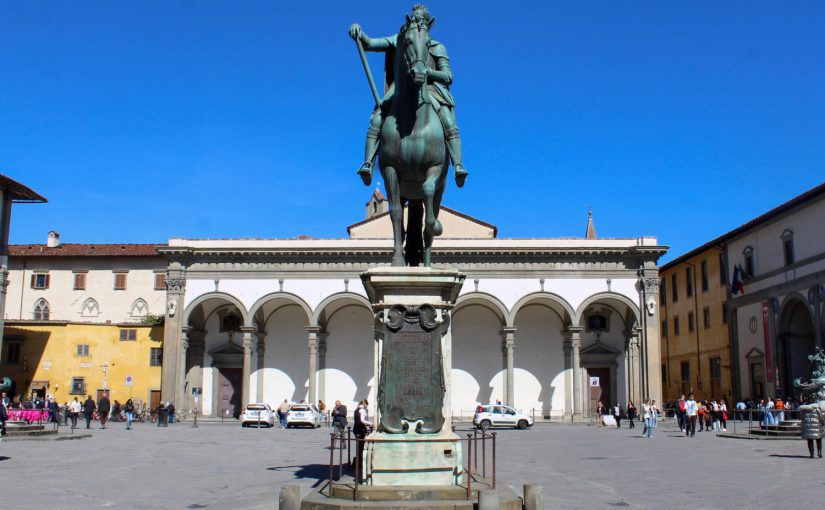
Each year, there are various events on March 25, honoring the Florentine New Year. Starting at the Palagio di Parte Guelfa, a historical parade winds through the city streets, all the way to La Basilica della Santissima Annunziata. The parade honors those from the countryside who went on pilgrimage to pay homage to the sacred effigy of The Madonna. The streets will be filled with medieval dress and music. Candy will be sold and flags will be thrown all over the city. Once the celebration reaches Piazza SS Annunziata, Florentines and visitors feast on Italian cuisine at an outdoor market. Then, later in the night an evening concert can be enjoyed, while observing the frescoes of the Annunciation featured in the church. By visiting Piazza SS Annunziata, you can learn more about this historical event, by locating a plaque that commemorates the decree of suppression of the festival.
Florentines still celebrate the typical new year on January 1, with fireworks and confetti filling the streets. Additionally, Florence celebrates a more traditional new year on March 25. From the Middle Ages until 1750, March 25 was the day the Church celebrated the Annunciation of the Incarnation received by the Virgin Mary, marking the beginning of spring, which then became the beginning of the civil calendar. The Tuscan capital celebrated this day as New Year’s Day, even though the rest of Italy was following the Gregorian capital, beginning the new year on January 1.
A decree of the Grand Duke Francis II of Lorraine forced Florentines to use the Gregorian calendar by 1750, which meant their new year would be in effect now on January 1. Since 2000, the Municipality of Florence has included March 25 in the annual calendar of popular festivals, traditions, and official celebrations.
The month of March honors a lot of special traditions including International Women’s Day and Easter, but if you want to truly celebrate the commencement of Spring and advance your historical and cultural knowledge, Florentine New Year is right around the corner and a perfect way to indulge in Tuscan tradition.