By Gabby Burdick
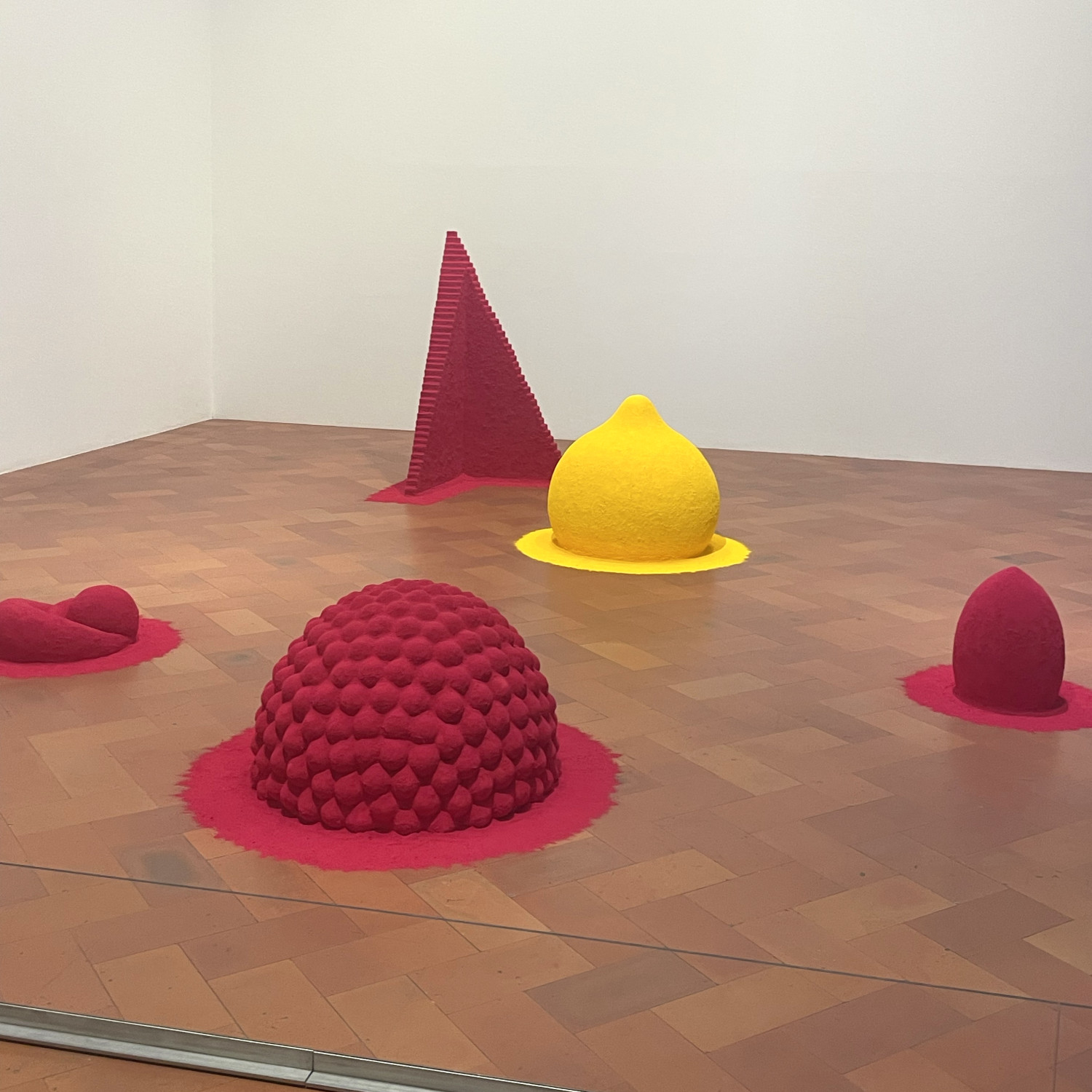
People from all over the world travel to Florence because of its rich artistic history and cultural significance. While it’s more typically known for its dominant voice in Renaissance art, the city still hosts an abundance of newer, more contemporary artists.
Located in the heart of Florence, Palazzo Strozzi is a cultural center that hosts a variety of different art exhibits with a more future-oriented approach.
Recently, Palazzo Strozzi featured the art of Anish Kapoor, a British-Indian contemporary artist who sculpts pieces intended to create an illusory effect and alter the viewer’s perception of reality. His exhibit at Palazzo Strozzi, Untrue Unreal, opened in October 2023 and lasted until February of 2024.
Many might know him for one of his most famous sculptures, Cloud Gate, more commonly known as “The Bean” in Chicago.
Untrue Unreal is one of many modern art exhibits the palace has organized. In 2018, Palazzo Strozzi hosted an exhibit called The Cleaner, celebrating the work of contemporary artist Marina Abramović, who’s best known for creating a form of art where she uses her own body to perform.
This exhibit was exceedingly different from the tangible Renaissance art dominating many museums and galleries in Florence. However, centers like Palazzo Strozzi have made successful efforts not to silence the voices of new artists.
In late 2021 the palace opened an exhibit called Shine, featuring the work of Jeff Koons, a well-regarded sculptor in the world of pop art known particularly for his creations of massive balloon animal sculptures. Koons utilizes scale as an art form to defy reality and surprise his audience due to the sheer size of his sculptures. Like Koons, Kapoor implements similar tactics, such as scale, to mesmerize and confuse.
The Untrue Unreal exhibit featured an abundance of different art pieces Kapoor has created in the past 35 years, such as Angel, a piece created in 1990. Angel is a collection of sculptures that are shaped like sharp and jagged boulders while simultaneously looking like they were sculpted out of blue kinetic sand. Congruent with Kapoor’s style, it took a lot of squinting and changing angles for me to decide if the sculptures were hard or soft. As I was in the exhibit, I was uncertain of the exact material, but I’m sure that was Kapoor’s intention.
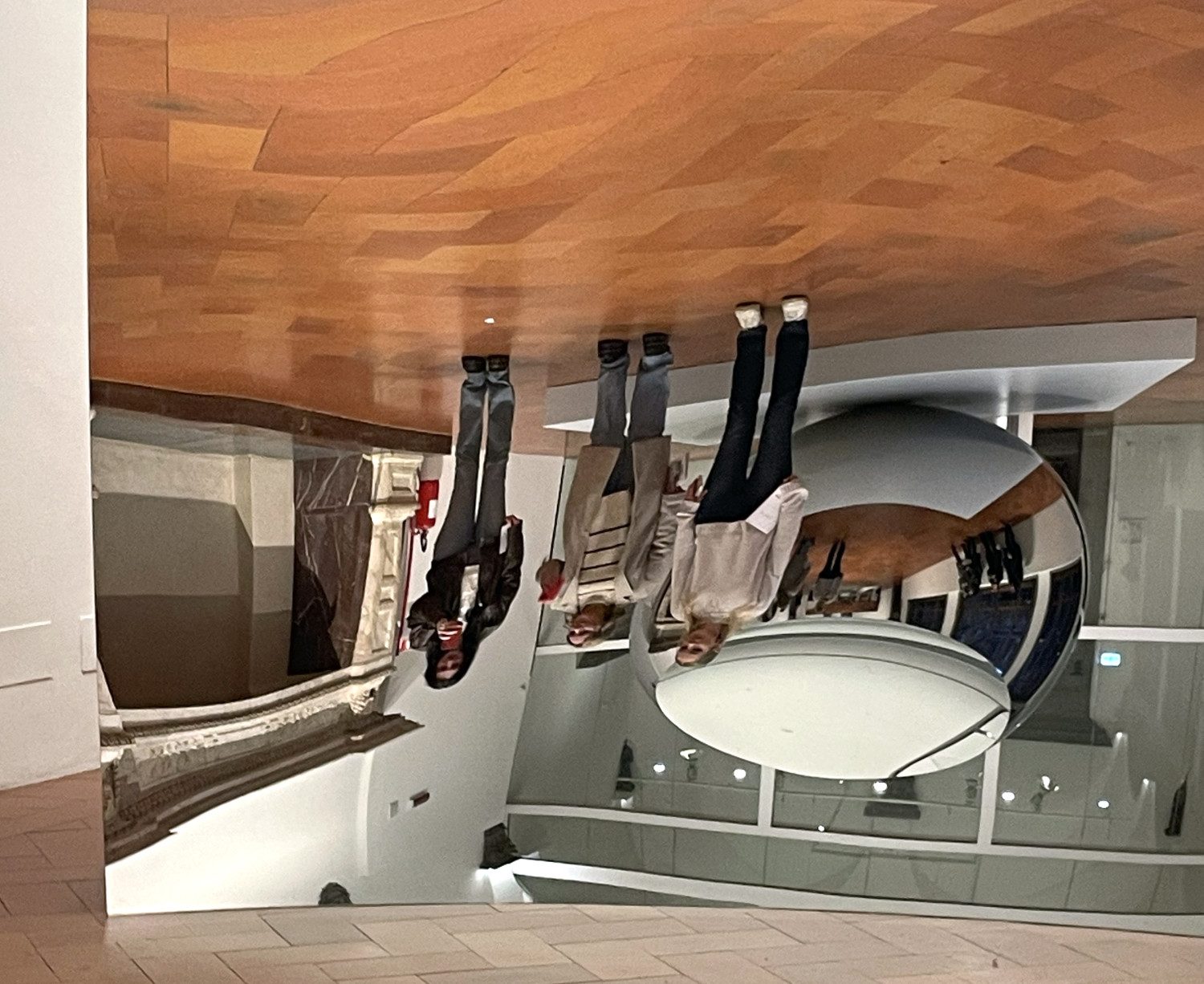
One of my personal favorites of Kapoor’s sculptures at the exhibit was titled Vertigo. The name is fitting considering the piece is a giant rectangular mirror that flips your reflection upside down the further you walk from it. I spent an hour in the room, walking back and forth towards and away from the mirror, becoming dizzy watching myself flip and invert over and over again.
The most confusing part was the fact that other exhibit-goers who remained motionless near the mirror couldn’t see the way my body was distorting. To them, my reflection remained consistent with reality as I backed away from the mirror.
For this reason, Vertigo makes the audience question their perceptions of self and context. Disturbance, confusion, and amazement were all overwhelming emotions that consumed my mind during the exhibit. I wondered how Kapoor created his art and, more specifically, why.
The answers to these questions are not as simple when considering contemporary art, as sometimes artists like Kapoor don’t want their audience to view their art at face value. Instead, it’s less about the art itself and more about the experience and the connection the audience feels to the sculptures they’re observing.
Untrue Unreal, by Anish Kapoor, opened my eyes to a different type of art that displayed different mediums and was intended to elicit different, more unconventional responses from the audience.
I would recommend that everyone visit Anish Kapoor’s exhibits because the art is an interactive experience that allows for multiple and distinctive reflections. It’s impossible to understand the meaning of Kapoor’s work by reading an analysis online; it’s crucial to visit the exhibit to realize the meaningful connection between the art and the audience member.
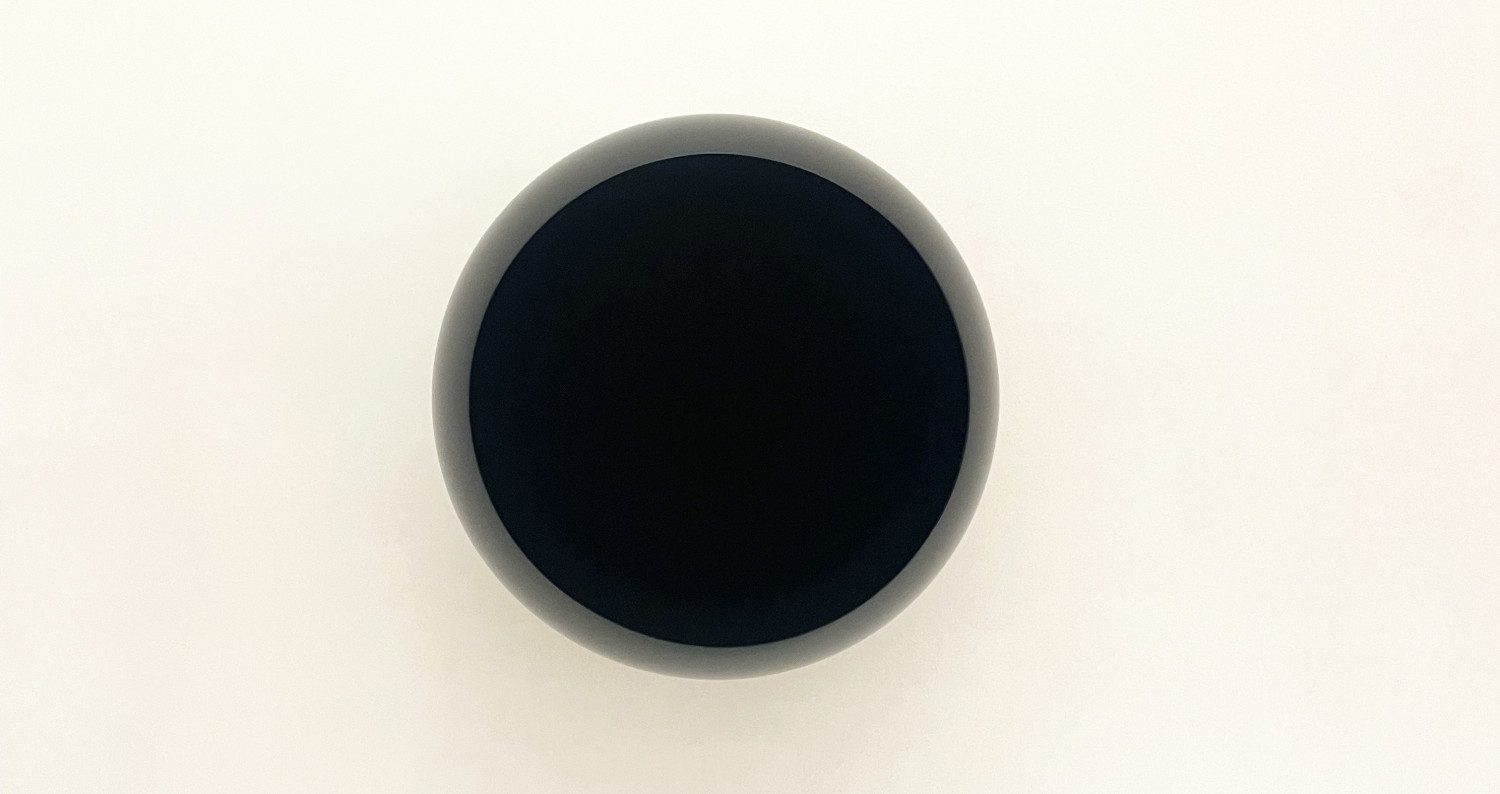
Such dynamics have altered my perception of the art world in Florence, enlightening me about the variety of celebrated art forms throughout the city. From Renaissance to contemporary and modern, there’s no shortage of artistic experiences waiting to be explored.