As human beings we are born to one place, one culture, and one society. Many people spend most of their lives in that one place. They become that culture, conform to that society, and become completely intertwined with that place. Our emotions and behaviours are influenced by and rooted in our individual cultures more than we even realize.
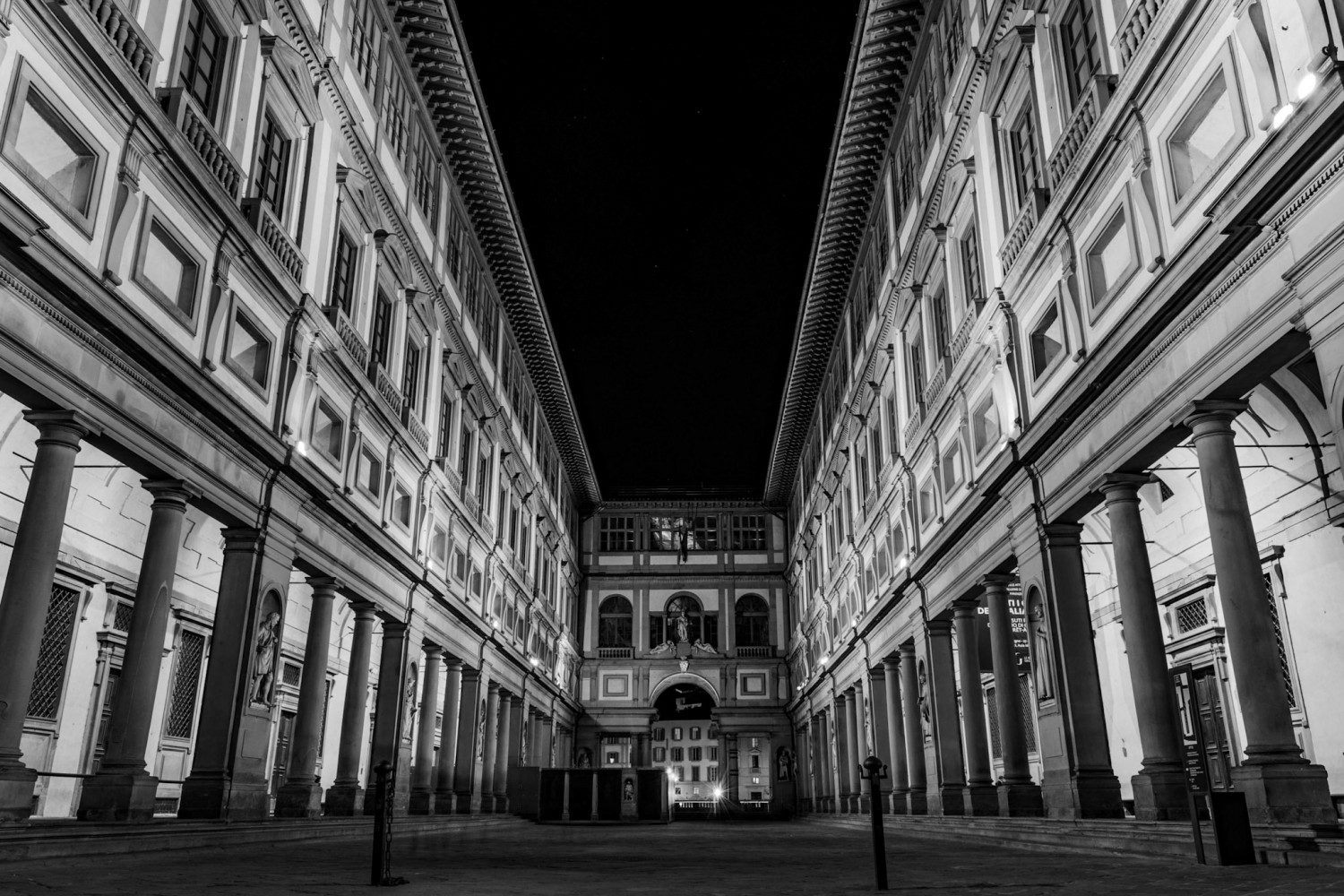
A rare 16th-century portrait of Süleyman the Magnificent was sold this March at Sotheby’s auction house in London for 350,000 British pounds. The painting was formerly part of a family collection in France since the 19th century. The image draws an immediate connection to the Uffizi in Florence, where another similar portrait of Süleyman by Cristofano dell’Altissimo resides. The Ottoman Empire rulers did not model for their portraits due to drawing human figures being forbidden by the Quran. The Turkish miniature was the main art form in the Ottoman Empire, linked to the Persian miniature tradition. It’s commonly thought that the Turkish miniature was strongly influenced by Chinese art forms. During the reign of Mehmed II, Iranian and European artists and scholars flocked to Mehmet’s court, making him one of the greatest Renaissance patrons of his time and an uncommon instance of appreciation for Italian humanism. The first Ottoman Empire portrait of Sultan Mehmet II was produced in 1480 by the Venetian painter Gentile Bellini who was in Constantinople on a diplomatic mission. Art historians believe Mehmet’s successor Bayezid II sold many of his father’s portraits after his death for religious regions. In 1520, Süleyman (“the Magnificent” or “the Lawmaker”) was crowned during a golden age of Ottoman empire expansion, trade, and economic growth, as well as cultural and artistic activity. Süleyman was responsible for turning Constantinople (now Istanbul) into an important intellectual center. He was said to have a close relationship with the Doge of Venice or his son Alvise Gritti, who had spent most of his life in Constantinople and brought many European artists to the Ottoman court. However, according to Turkish historians, Süleyman would not have modeled for these artists to draw directly his portrait. His image is thought to have been reproduced from sketches made during ambassador visits to the Ottoman court. The Sotheby’s portrait treats the same composition as the Uffizi version by Cristofano dell’Altissimo whose copy was commissioned by Cosimo de’ Medici between1552 and 1568, as well as a smaller copy commissioned by Archduke Ferdinand II currently exhibited in Vienna. While the Sotheby’s portrait is now off the market, it’s always possible to visit the dell’Altissimo rendering by visiting the Uffizi in Florence.