A Day in the Knight’s Garden

by Katie Weiler

Walking the streets of Florence can uncover many different experiences, the Giardini di Boboli evoke a similar idea, as down every pathway are new and exciting sights. My favorite place I encountered is known as the Knight’s Garden.

While heading towards this spot I was encouraged to continue going up, past all the tourists that crowded around the bottom and up to one of the highest look out points. After venturing off to the side and up a small spiral staircase I encountered wonderful views, but not the ones I was expecting to see. While I saw the mesmerizing familiar city line, the garden offered something else too.

The Knight’s garden, a rooftop garden above the fountains and ornate decorations, is a stepping stone between historic Florence and the surrounding Tuscany countryside. The hills beyond the garden flow freely as you get a panoramic view of the cypress trees and olive groves. Sometimes, if the signs and food doesn’t remind you you’re in Tuscany you would never know, but here up above the city you are reminded by the colors you see in the hills. 

You can spot many Italian villas nestled right between the hills where you can imagine the simplicity only such a retreat can offer. It’s a simple escape from the city, where you are connected to Tuscany and the magnificent city of Florence all at once. The view will remind you that there is plenty more of Italy to uncover as well.

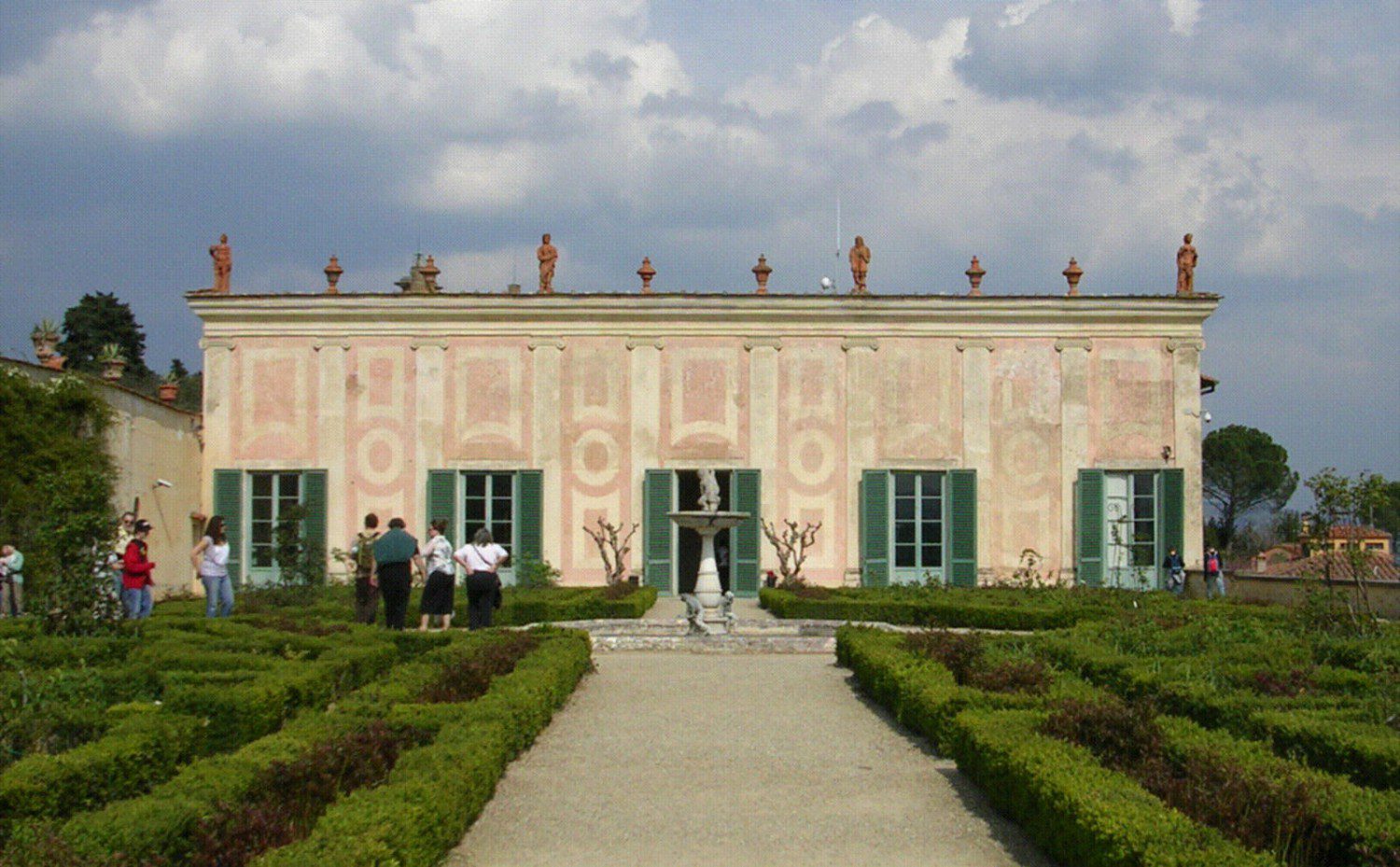
The walls supporting the Knight’s Garden were made by Michelangelo in the 1500s. When they improved the Gardens, they created a villa for a knight, currently the Porcelain museum, and they added the gardens as well. Beneath the gardens there is an irrigation system that helps to water the many greenery spread around the hillside, it’s invention was one of the firsts of its time. Standing in a space that was so integral to this society was humbling.

The plants surrounding the rooftop were not in full bloom, but they were taken care of with precision, the gardeners just waiting for the spring to approach and with it the new blossoms.

The fountain in the middle of the square was also adorned with statues of monkeys, adding a mystic vibe to the scene. 

Standing in the middle of such a unique place, I never wanted to leave. When it finally became time to make the descent down through the rest of the gardens I thoughtfully said my goodbyes to the panoramic view of Tuscany and parted towards the city once more.

See more of Florence and Italy at FUA’s FBInstagram, and Twitter.

Animalia Fashion

By Reese Bentzinger
Photo by author

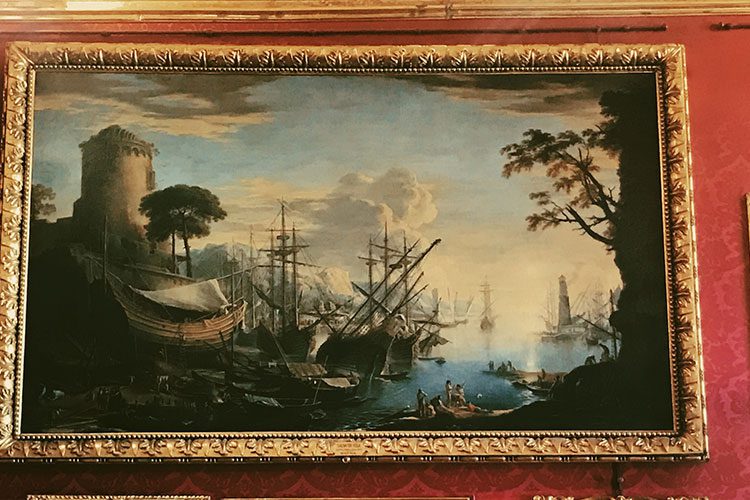
In one of the first rooms of Palazzo Pitti’s temporary Animalia Fashion exhibit, there’s a small sign stating that none of the clothes on display involved harming animals. However, the sign adds, the issue is still important to consider.

The exhibit, which showcases nature’s influence on haute couture, begins in a long hallway of narrow rooms. The couture pieces were blocked from admiring viewers by velvet rope and a raised platform, transporting the viewer to the runway stages that they made their debut on.

Each room is backdropped by a cloth sketch displaying the animals that the nearby  pieces were based on. With some of the pieces the influence was obvious. For example a golden snake, placed on the back of a navy gown, is clearly inspired by the animal kingdom. Othertimes it takes a little looking to realize how the piece reflects nature. This is the case with another snake inspired piece, a vest with twisting tubes that reflects the animal’s movements rather than have direct snake imagery.

The clothes are a reflection on how nature both fascinates and terrifies us, with many sources for inspiration. A bridal-style white gown has graceful curves that would perfectly reflect the moonlight that inspired it. The prickily nature of the pufferfish is seen in boldly spiked jacket. No matter which direction the inspiration came from, it’s clear that nature has an impression on fashion.

This impact is felt both ways, but it doesn’t always result in something to be admired. Many of the rooms also display stuffed birds and insects in glass, reminding viewers of how fashion can cruelly collide with the natural world. From hunting animals for prized fur to environmentally harmful factories, nature and fashion can be a dangerous combination.

The exhibit showcases hypocrisy in the fashion industry. They take influence from the beauty of nature, yet play an active part in its destruction. The message of the gallery is the same one as the sign in the front of it: it’s important to reflect on how fashion can impact nature.

Animalia Fashion will be at Palazzo Pitti until May 5, 2019.

See more of Florence and Italy at FUA’s FBInstagram, and Twitter.

Artistic Metal Keys: The Truth Behind Every Locked Door in Florence

By Alexa Stiles
Photo by author

Finding the balance between appreciating detailed Italian pieces of metal and fighting the urge to throw away the key.

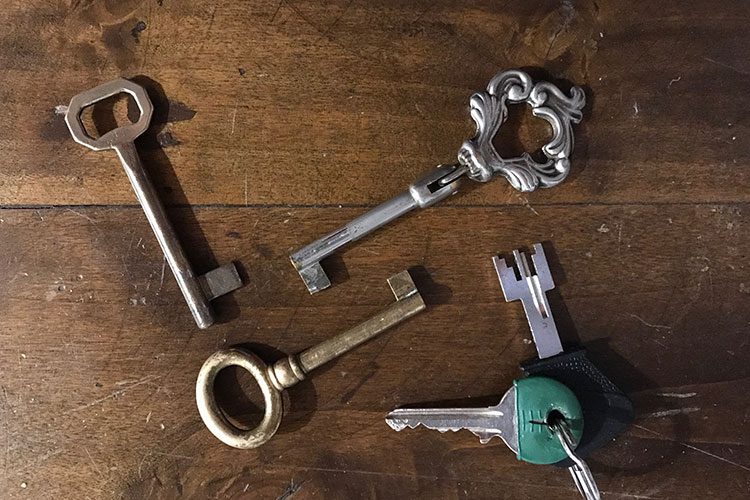
Upon my arrival in Florence, I was instructed to check in at the table my program set up in the airport in order to receive the keys to my apartment. Although the many hours of packing before leaving the United States combined with jetlag left me little time to ponder over being responsible for my own set of keys, it did not take long for me to realize that these little pieces of metal were what distinguished me as being a resident of Florence for the next couple of months.

Fast- forward to a couple of days later when I discovered that old, intricate metal keys were the only way to navigate through my apartment. Not only did I have two keys, which I used to fumble my way into my apartment everyday for the first month, I had a key to access the wardrobe in the living room as well as two other keys that allowed my roommates and I to enter the outdoor patio that is conveniently attached to our apartment. Those keys tended to be temperamental, so I had to choose which one I would use to fight with while going to war with the lock and door. In fact, all of them were a bit temperamental. Or maybe it was because they were placed in the hands of someone who has been swiping their ID into dorms and classrooms for the past three years. Either way, these old style keys are difficult to use on outdated pieces of furniture, so what was once thought of as unique additions to the apartment are now objects of frustration and annoyance.

Metal is largely part of the artwork here in Florence as it is seen welded into sculptures, onto the doors of apartments, or as rustic objects in older apartments, including the keys. I either find myself trying to embrace the old Florentine lifestyle with old keepsakes because these objects are actually beautiful pieces of history, or find myself on the verge of throwing down the keys that will keep me locked out of my apartment until used correctly.

See more of Florence and Italy at FUA’s FBInstagram, and Twitter.